
Zebra
Equus quaggaB tier · Strong54th of 163 mammals
Size & speed

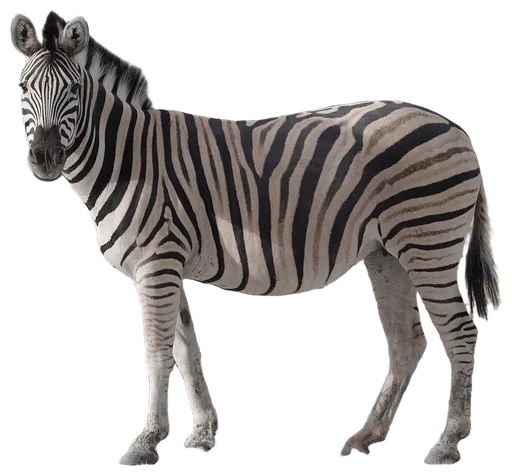
- Weight
- 300 kg661 lb
- Length
- 2.3 m7.5 ft
As heavy as 4.3 people
Heavier than 85% of animalsAbout as long as a person is tall
Bigger than 78% of animalsThe plains zebra is a 300 kg striped equid and one of the most combative prey animals on the savanna. Stallions fight with bites, wrestling and kicks, attack hyenas and wild dogs, and families mob predators together. It migrates farther than any other African large mammal, but it has no armor and lions kill it regularly.
Detailed ratings
Research-backed ratings on one 0–100 scale for all 344 animals (updated 2026-09-28). How ratings work


Card No. 87 of 344. Every animal on Animal Battle Stats has one: its power, tier and archetype on the front; its six battle stats, abilities and signature move on the back.
Special abilities
When a family member is attacked, the harem closes around the predator, biting and kicking, and the stallion charges hyenas and wild dogs head-on.
A fighting stallion may lie still as if beaten and then strike again when the rival lets up, part of a violent biting, wrestling and kicking fight style.
Unique traits
Experiments show horseflies fail to make controlled landings on striped coats; far fewer land on zebras than on plain-coated horses.
Plains zebras travelling between the Chobe River and Nxai Pan make a 500 km straight-line round trip, the longest recorded large-mammal migration in Africa.
How it fights
Weapons
- The plains zebra is one of the more combative hoofed prey animals. Stallion fights "often become very violent," with biting at the neck, head and legs, wrestling to the ground and occasional kicking; a stallion may even lie still as if surrendering and strike again when the rival relaxes (Wikipedia). Against predators the harem stallion goes on the offensive against hyenas and wild dogs, and stallions sometimes bluff-charge lions. ADW describes harems surrounding a predator that has wounded a member and biting and kicking until it flees or dies. The weapons are blunt hooves and strong incisors on a 300 kg body; there are no horns or claws.
Struggles vs
- No horns, claws or armor; kicks need precise range.
- Exposed neck and legs for lions and crocodiles.
- Dependent on water; drought and fences cut migrations.
- A lone zebra loses the group's vigilance and defense.
- Weight
- 300 kg661 lb
- Height
- 1.35 m4.4 ft
- Length
- 2.3 m7.5 ft
- Top speed
- No reliable measurement
- Bite force
- No reliable measurement
- Lifespan
- 20 years
- Home biome
- Savanna
- Lifestyle
- Social
Rated specimen: Healthy mature adult male (harem stallion), 300.0 kg, 135.0 cm at the shoulder and 230.0 cm head-body length.
Fun facts
- Eight collared zebras revealed a 500 km round-trip migration, longer than the Serengeti wildebeest's straight-line journey.
- Horseflies approach zebras fast and fail to slow down, so many just bump the coat instead of landing.
- A fighting stallion may pretend to give up, then attack again.
- Zebras watch lions from 50–100 m away but let a single hyena come within a few metres.
- At night at least one harem member stays awake on guard.
- Foals weigh 30–35 kg at birth.
Closest rivals by power. Tap one for the full breakdown, or pick any opponent.
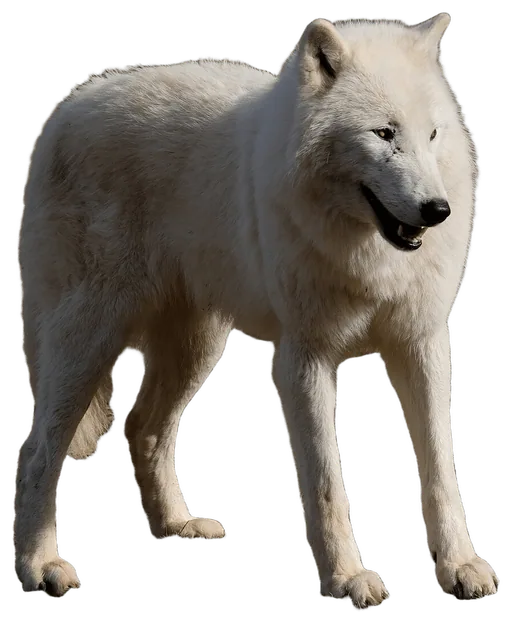
vs CougarWins · 58% · Slight edge 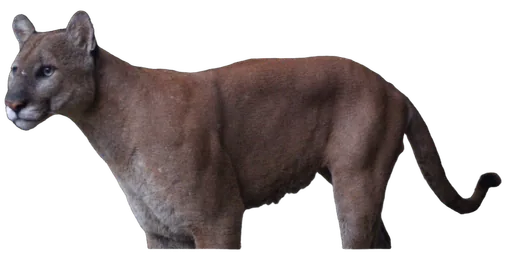 W vs Arctic WolfWins · 62% · Slight edge
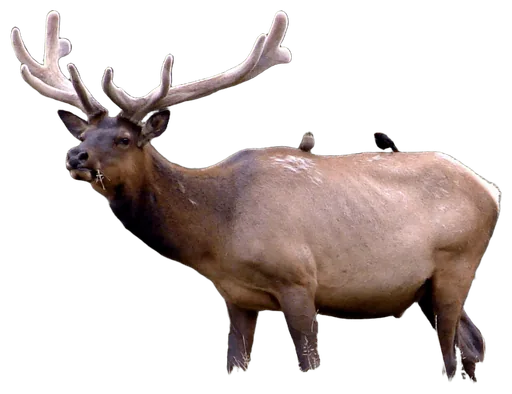
 W vs ElkDraw · 50-50 · Dead even
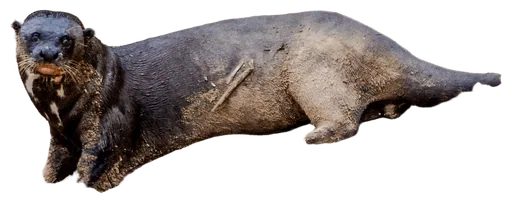
 D vs Giant OtterWins · 62% · Slight edge
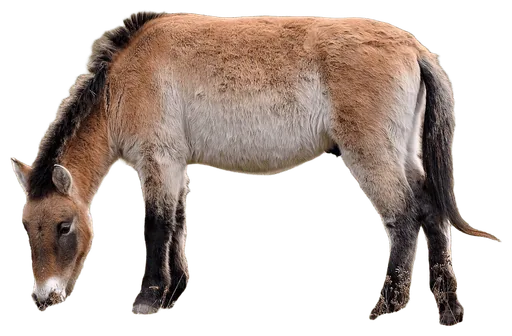
 W vs Wild HorseWins · 51% · Toss-up
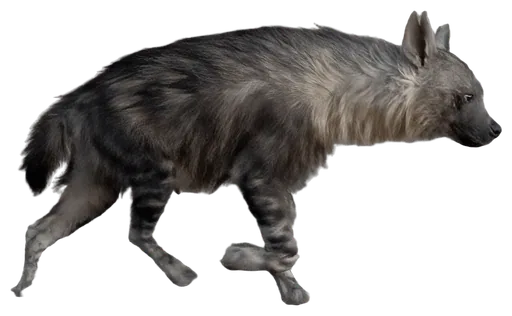
 W vs Brown HyenaWins · 63% · Slight edge
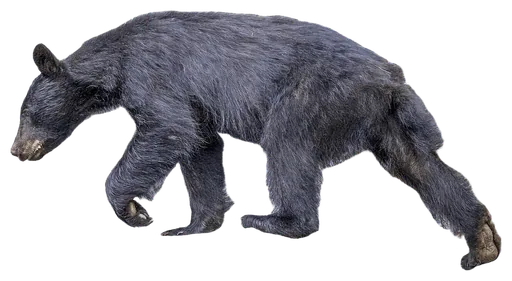
 W vs Black BearWins · 53% · Toss-up
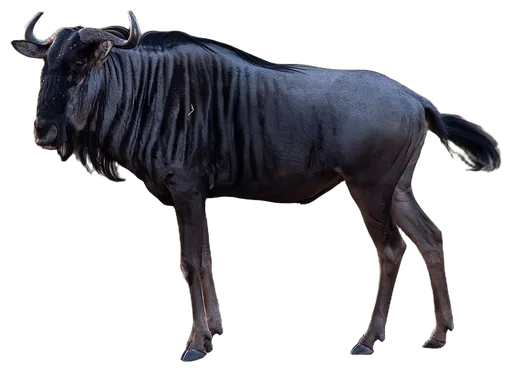
 W vs WildebeestLoses · 51% · Toss-up
 L
Zebra battle analysis
The plains zebra is a horse-sized grazer of the African savannas, a stallion weighing about 300 kg and standing about 135 cm at the shoulder. Its stripes are its signature, and the best experimental evidence says they stop biting flies from landing. Whatever else they do, they have not made zebras hard for lions to catch: lions and spotted hyenas remain its main killers.
What makes the zebra formidable is its temperament. Harem stallions fight each other violently, biting at necks and legs, wrestling rivals to the ground and kicking, and sometimes faking surrender before striking again. The same stallions charge hyenas and wild dogs, and a harem will close around a predator that has wounded one of its own, biting and kicking until it leaves. Against a lion, though, the zebra's hooves and teeth are rarely enough; lions most often kill lone, older males.
Zebras are also travellers. Collared zebras in Namibia and Botswana make a 500 km round trip each year, and models suggest they steer by remembered conditions, not just what they can see. That endurance and memory lift the zebra's Stamina and Intelligence, while its lack of horns and armor keeps Attack and Defense in the middle of the roster, alongside other mid-sized hoofed animals.
Habitat & range
Grasslands, savannas and open woodland of eastern and southern Africa, from Uganda (its most northern and most genetically distinct population) through Kenya and Tanzania to Botswana, Namibia, Zimbabwe and South Africa. Populations may be sedentary in dense, small ranges or migratory between separate wet- and dry-season ranges.
Diet & hunting
A grazer of grasses. Zebras and wildebeest often graze and migrate together, as in the Maasai Mara. In drought, water-dependent grazers such as zebras may decline or move away.
Social life
Highly social. Harems of one stallion, several mares and young; bachelor groups of young and older males. Many harems and bachelor groups gather into herds of hundreds, especially on migration. Mares have a dominance hierarchy, and the top mare leads group movement.
Conservation
Near Threatened on the IUCN Red List (2016). Threats include competition with livestock for food and fences that block migration routes. The quagga, a southern form, was lost to hunting in South Africa.
Quick answers
How strong is a Zebra?
On the Animal Battle Stats scale, the Zebra has an attack rating of 56 and a power index of 57.9 out of 100, which ranks it #87 of 344 animals and puts it in B tier (Strong). Its strongest stat is stamina (79).
How much does a Zebra weigh?
A typical adult Zebra weighs about 300 kg (661 lb). Rated specimen: healthy mature adult male (harem stallion), 300.0 kg, 135.0 cm at the shoulder and 230.0 cm head-body length.
How fast is a Zebra?
There is no reliable measured top speed for the Zebra, so we do not publish one. Its agility rating, which covers acceleration, reflexes and evasion, is 66 out of 100.
What does a Zebra eat?
A grazer of grasses. Zebras and wildebeest often graze and migrate together, as in the Maasai Mara. In drought, water-dependent grazers such as zebras may decline or move away.
Is the Zebra endangered?
The Zebra's conservation status is Near Threatened. Near Threatened on the IUCN Red List (2016). Threats include competition with livestock for food and fences that block migration routes. The quagga, a southern form, was lost to hunting in South Africa.
What animals can beat a Zebra?
Among its closest rivals, the Wildebeest (51%) would be favored against the Zebra. It would be favored against the Cougar, the Arctic Wolf, the Giant Otter, the Wild Horse, the Brown Hyena, the Black Bear. It is dead even with the Elk: a draw.
Researched 2026-09-28. Ratings are editorial judgments built from these sources; measurements describe a healthy adult male.
- Wikipedia, Plains zebramass, height, length, speed claim, predators, fighting, harem behavior, lifespan, status
- Animal Diversity Web, Equus quaggamass, home range, daily travel
- Animal Diversity Web, Equus burchelliisize, predator mobbing, fighting, speed claim, lifespan
- Wilson et al. 2018, Naturelocomotor performance
- Naidoo et al. 2014, Oryxmigration
- Bracis & Mueller 2017, Proc. R. Soc. Bmemory in migration
- Caro et al. 2019, PLoS ONEstripes and flies
- Ireland & Ruxton 2025, Biological Reviewsstripe hypotheses
- Chen et al. 2025, Ecology and Evolutionvigilance
- De Ridder, Aerts & MacLaren 2025, Anatomical Recordlimb muscles
- Bartzke et al. 2025, Ecology and Evolutiondrought response
- Wikimedia Commons, Burchell's zebra 2image source
Photo: “Burchell's zebra (Equus quagga burchellii) 2.jpg” by Charles J. Sharp, CC BY-SA 4.0, background removed and cropped. Original
Suggest a correction