

Yellow-naped Amazon
Amazona auropalliata
 #273 of 344
  Forest Territorial Critically Endangered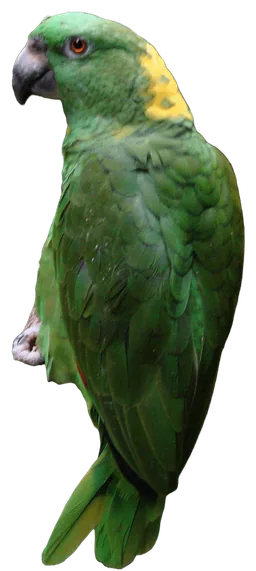
 Fight
FightPhoto: Fernando Losada Rodríguez · CC BY-SA 4.0
The Yellow-naped Amazon is a 0.5 kg green parrot from the Pacific side of Central America, famous as a talker and for wild vocal dialects and pair duets. Its calculated 94 N bite is strong for its size, but it is a light, unarmored bird. Poaching for the pet trade has made it Critically Endangered.
 Attack18
  Defense12
  Agility79
  Stamina64
  Intelligence84
  Special56
 Detailed ratings
Research-backed ratings on one 0–100 scale for all 344 animals (updated 2026-09-28). How ratings work
Special abilities
Ability 1Clamp-Jaw BiteA calculated bite of about 94 N, roughly 30 times the measured bite of a Cooper's hawk of similar weight, makes a defending yellow-naped amazon a serious close-range biter for its size.
 Ability 2Duet Border Patrol
Mated pairs defend their nest territory with precisely timed duets that follow rules of note order, and counter-duets with neighbors can escalate into fights.
Unique traits
 TraitParrot Dialects
Costa Rican yellow-naped amazons speak in regional dialects with distinct contact calls, and young birds that move learn the local dialect within weeks.
TraitMaster MimicOne of the parrots best known for copying human speech, which, with its playful nature, made it a top target of the pet trade.
How it fights
Weapons
- The bill is the only weapon. A calculated bite of about 94 N is strong for a 0.5 kg bird; the same study notes that a 451 g blue-fronted amazon bites with about 123 N while a Cooper's hawk of the same mass bites with only about 3 N. Captive yellow-naped amazons are known for nest-protective biting, especially males in the breeding season, and signal stress by fanning the tail and "pinning" (rapidly narrowing and widening) the pupils (Wikipedia). It is not a predator; it eats seeds, fruit, figs and nuts.
 Struggles vs
- About 0.5 kg in absolute mass.
- No armor.
- Bill is its only weapon; bites are close range.
- Heavy poaching of chicks; wild numbers are very low.
- Weight
- 500 g17.6 oz
- Height
- No reliable measurement
- Length
- 35 cm13.8 in
- Top speed
- No reliable measurement
- Bite force
- No reliable measurement
- Lifespan
- 40 years
- Home biome
- Forest
- Lifestyle
- Social
Rated specimen: Healthy mature adult male, 0.5 kg, 35.0 cm total length.
Fun facts
- Yellow-naped amazons in Costa Rica speak in regional dialects, much like human accents.
- A young bird moved to another dialect area switched to the local call within six weeks.
- Pairs sing duets that follow rules about which notes come in which order.
- Neighboring pairs sometimes "counter-duet" until the argument turns into a fight.
- Its calculated bite is about 30 times the measured bite of a Cooper's hawk of similar weight.
- The wild population has fallen by more than 92% in three generations.
Closest rivals by power. Tap one for the full breakdown, or pick any opponent.
vs MagpieLoses · 50% · Toss-up 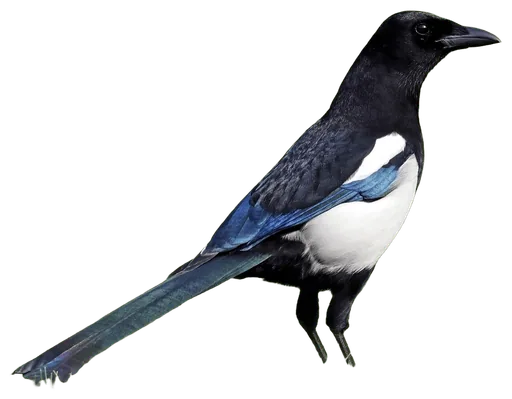 L vs FlamingoWins · 51% · Toss-up
 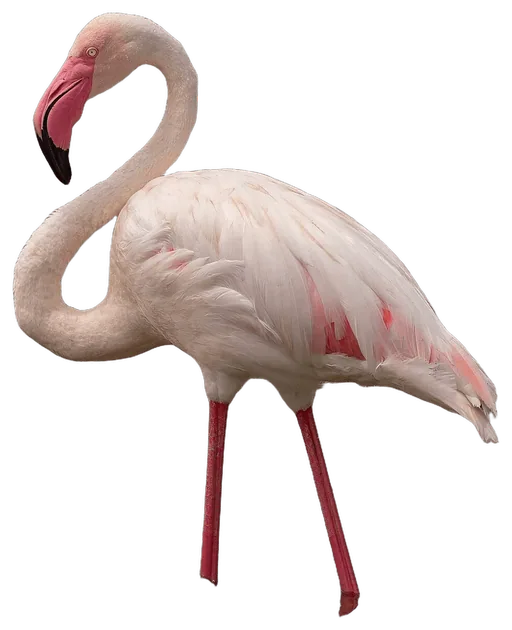 W vs Eclectus ParrotWins · 52% · Toss-up
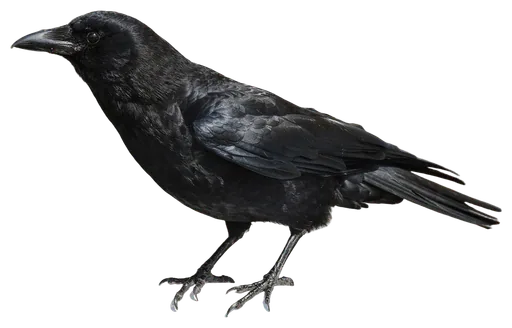
 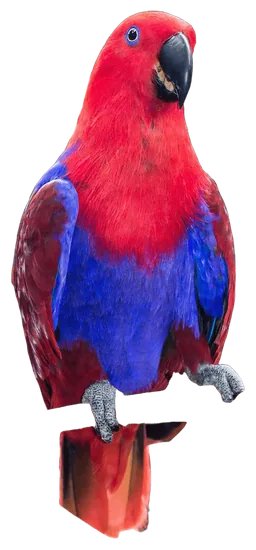 W vs CrowLoses · 52% · Toss-up
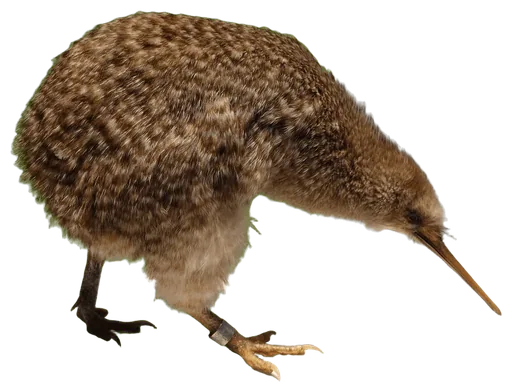
  L vs KiwiWins · 52% · Toss-up
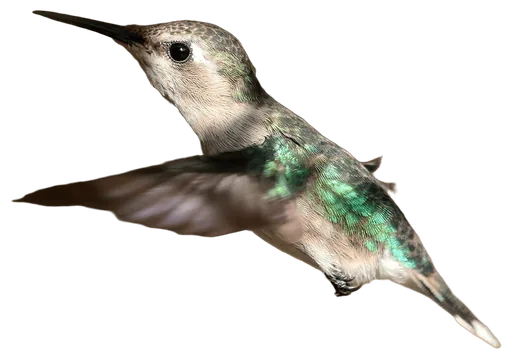
  W vs HummingbirdLoses · 53% · Toss-up
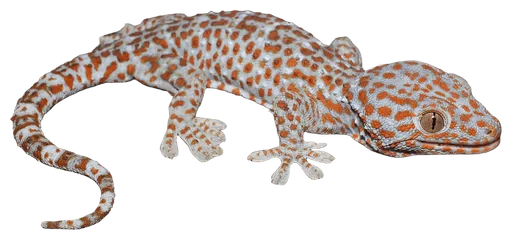
  L vs GeckoLoses · 50% · Toss-up
  L vs Sand CatLoses · 50% · Toss-up
  L
L  Pick any opponent
 Yellow-naped Amazon battle analysis
The yellow-naped amazon is a stocky green parrot with a yellow band across the back of its neck, living in the dry forests, mangroves and farm country of Central America's Pacific slope. It is one of the best-studied wild parrots because of its voice. In Costa Rica, birds from different regions use different contact calls, forming dialects with sharp borders. Young birds that move learn the local dialect within weeks, while adults tend to stay loyal to home, and over 22 years of study these dialects began to blur as populations crashed.
Pairs defend their nest territory by duetting, trading male and female notes in a fixed order. Neighbors reply with duets of their own, and occasionally these vocal contests turn into physical fights at the border. In captivity the same vocal talent makes it one of the best mimics of human speech, which is exactly why poachers take its chicks: most wild nests fail because the young are stolen, and the population has fallen by more than 92% in three generations.
In an absolute matchup it is a 0.5 kg bird with a strong bite for its size and no armor. It can hurt a hand or a small animal, but against a raptor or a carnivore it has only flight and alertness to rely on.
Habitat & range
The yellow-naped amazon lives along the Pacific slope from Oaxaca in southern Mexico to north-western Costa Rica, on the Mosquito Coast of Honduras and Nicaragua, and on the Bay Islands of Honduras. It uses deciduous and evergreen forest, clearings, savanna woodland, pine woodland on ridges, gallery forest and semi-arid woodland, and less often thorn forest, mangroves and farmland with scattered trees (WPT).
Diet & hunting
It eats seeds of Cochlospermum and Curatella, figs and ripening Terminalia fruit (WPT), plus other nuts, berries and fruit. Bay Island birds feed on Caribbean pine cones.
Social life
Birds live in pairs or flocks and gather in larger groups at communal night roosts and feeding areas. Pairs are monogamous in the breeding season and defend small territories by duetting.
Conservation
The yellow-naped amazon is listed as Critically Endangered by the IUCN, after two uplistings from Vulnerable (Dahlin et al. 2024). WPT gives about 1,000–2,500 mature birds and decreasing. The population is estimated to have fallen by more than 92% over three generations, mainly from poaching of chicks for the pet trade and loss of dry forest to farming. Populations in Mexico, Guatemala and Honduras are now very small, and Costa Rica is the stronghold. The Mesoamerican Parrot Census Network, supported by WPT, monitors the species with volunteers.
Quick answers
How strong is a Yellow-naped Amazon?
On the Animal Battle Stats scale, the Yellow-naped Amazon has an attack rating of 18 and a power index of 41.1 out of 100, which ranks it #273 of 344 animals and puts it in D tier (Underdog). Its strongest stat is intelligence (84).
How much does a Yellow-naped Amazon weigh?
A typical adult Yellow-naped Amazon weighs about 500 g (17.6 oz). Rated specimen: healthy mature adult male, 0.5 kg, 35.0 cm total length.
How fast is a Yellow-naped Amazon?
There is no reliable measured top speed for the Yellow-naped Amazon, so we do not publish one. Its agility rating, which covers acceleration, reflexes and evasion, is 79 out of 100.
What does a Yellow-naped Amazon eat?
It eats seeds of Cochlospermum and Curatella, figs and ripening Terminalia fruit (WPT), plus other nuts, berries and fruit. Bay Island birds feed on Caribbean pine cones.
Is the Yellow-naped Amazon endangered?
The Yellow-naped Amazon's conservation status is Critically Endangered. The yellow-naped amazon is listed as Critically Endangered by the IUCN, after two uplistings from Vulnerable (Dahlin et al. 2024). WPT gives about 1,000–2,500 mature birds and decreasing. The population is estimated to have fallen by more than 92% over three generations, mainly from poaching of chicks for the pet trade and loss of dry forest to farming. Populations in Mexico, Guatemala and Hondura
What animals can beat a Yellow-naped Amazon?
Among its closest rivals, the Magpie (50%), the Crow (52%), the Hummingbird (53%), the Gecko (50%), the Sand Cat (50%) would be favored against the Yellow-naped Amazon. It would be favored against the Flamingo, the Eclectus Parrot, the Kiwi.
Researched 2026-09-28. Ratings are editorial judgments built from these sources; measurements describe a healthy adult male.
- World Parrot Trust encyclopedia, Yellow-naped Amazonsize, mass, subspecies, longevity, population, status, threats, range, habitat, diet, clutch
- Wikipedia, Yellow-naped amazondecline, nesting, poaching, dialects, duets, captive behavior
- Harrison et al. 2025, Journal of Anatomybite force
- Dahlin et al. 2024, Proceedings of the Royal Society Bdialect change, status
- Salinas-Melgoza and Wright 2012, PLoS Onevocal learning, homing
- Dahlin and Wright 2012, Animal Cognitionduet syntax
- Wright, Dahlin and Salinas-Melgoza 2008, Animal Behaviourdialect stability
- AnAge, Yellow-naped parrotlongevity, adult weight
- Wikimedia Commons, yellow-naped parrot at Los Tarralesimage candidate
Photo: “Amazona auropalliata.000 - Faunia.jpg” by Fernando Losada Rodríguez, CC BY-SA 4.0, background removed and cropped. Original
Suggest a correction