
Wolverine
Gulo guloB tier · Strong63rd of 163 mammals
Size & speed

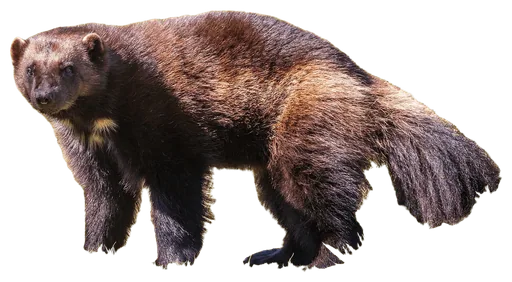
- Weight
- 16 kg35 lb
- Length
- 90 cm35.4 in
As heavy as 3.6 house cats
Heavier than 51% of animalsAbout 3 rulers long
Bigger than 41% of animalsThe wolverine is a 16 kg snow-country powerhouse with bone-crushing jaws, crampon claws and snowshoe paws. It travels enormous distances, plans routes from memory and will face down larger predators over a carcass, but wolves and bears can still kill it and it is slow on open ground.
Detailed ratings
Research-backed ratings on one 0–100 scale for all 344 animals (updated 2026-09-28). How ratings work


Card No. 100 of 344. Every animal on Animal Battle Stats has one: its power, tier and archetype on the front; its six battle stats, abilities and signature move on the back.
Special abilities
A heavy bite and robust teeth crack bone and frozen meat, and a neck bite kills prey many times the wolverine's own weight once the prey is stuck in snow.
Large, wide paws spread its weight and crampon-like claws grip ice and rock, so the wolverine stays on top of snow where hoofed prey sinks and cannot escape.
Unique traits
GPS tracks show wolverines plan routes to places 5.3–9.8 km ahead from memory, saving energy in rugged terrain.
The largest land-dwelling member of the weasel family, stocky and bear-like, with potent scent glands that earned it the name "skunk bear."
How it fights
Weapons
- The wolverine's main weapon is a heavy mustelid bite able to crack bone and frozen meat, backed by strong forelimbs and long, hooked claws. It kills small and medium prey outright and takes large ungulates, including reindeer, caribou, deer and even adult moose and elk, when they are weakened by winter or floundering in deep snow, usually with a bite to the neck. It also takes over carcasses from other predators; ADW notes it can drive bears, cougars and even wolf packs from kills. In captive reindeer herds held in deep snow, wolverines have killed many animals at once.
Struggles vs
- Small absolute size; wolves, bears and cougars can kill it.
- Slow straight-line speed on firm ground.
- Relies on persistent spring snow for dens; lower snowpack threatens southern populations.
- No armor; its bite is its main damaging weapon.
- Weight
- 16 kg35 lb
- Height
- 42 cm16.5 in
- Length
- 90 cm35.4 in
- Top speed
- No reliable measurement
- Bite force
- No reliable measurement
- Lifespan
- 8 years
- Home biome
- Arctic
- Lifestyle
- Mostly solitary
Rated specimen: Healthy mature adult male, 16.0 kg, 42.0 cm at the shoulder and 90.0 cm head-body length, tail excluded.
Fun facts
- A young male wolverine tracked from near Grand Teton National Park travelled about 800 km south, and his journey eventually exceeded 1,300 km.
- Wolverines plan routes from memory, often to places 5.3–9.8 km away.
- Wolverine scent-gland secretions contained 123 different compounds in one six-animal study.
- Females give birth in dens tunnelled into deep spring snow.
- Where wolves returned in Norway, wolverine diet switched to about 76% moose from wolf kills.
- Wolverines follow wolf and lynx trails to scavenge what those hunters leave behind.
Closest rivals by power. Tap one for the full breakdown, or pick any opponent.
vs ChimpanzeeLoses · 56% · Toss-up 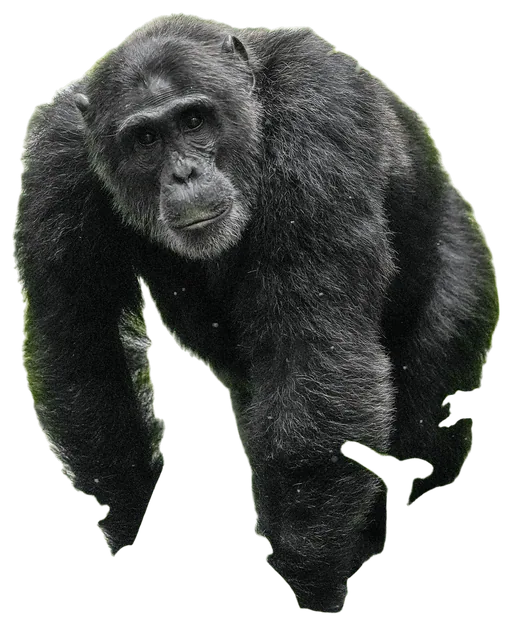 L vs DholeDraw · 50-50 · Dead even
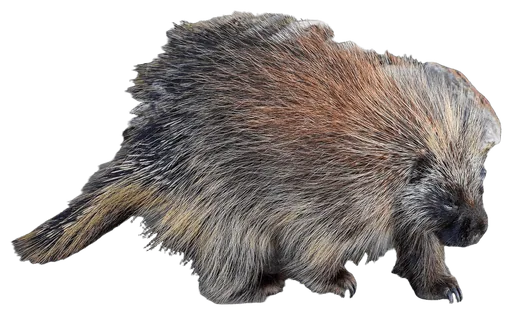
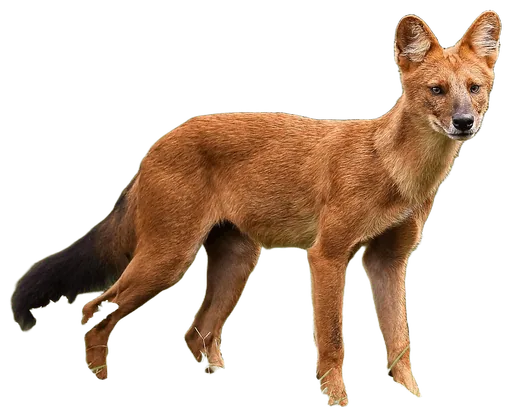 D vs PorcupineWins · 53% · Toss-up
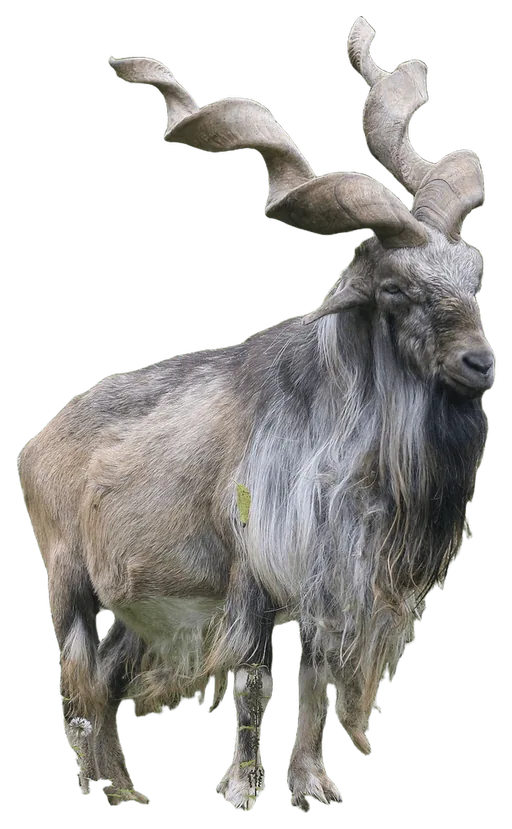
 W vs MarkhorLoses · 61% · Slight edge
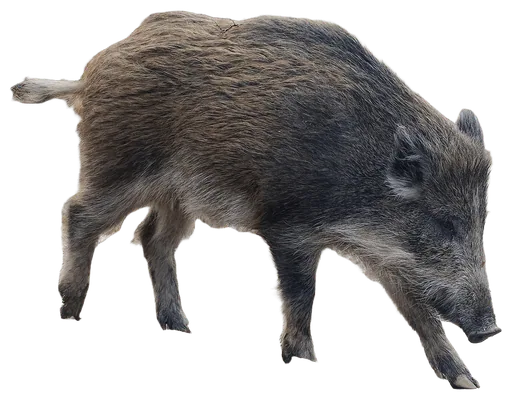
 L vs Wild BoarLoses · 61% · Slight edge
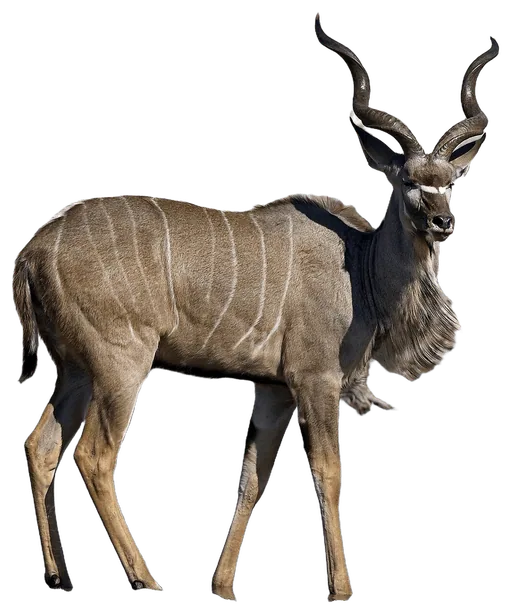
 L vs KuduLoses · 65% · Slight edge
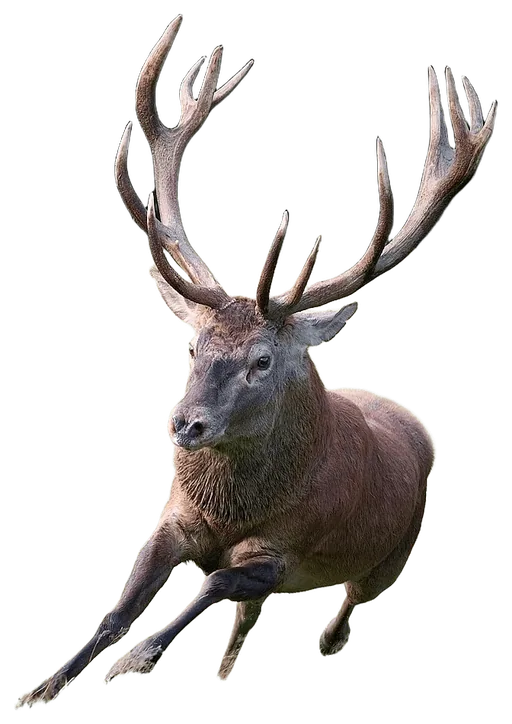
 L vs Red DeerLoses · 63% · Slight edge
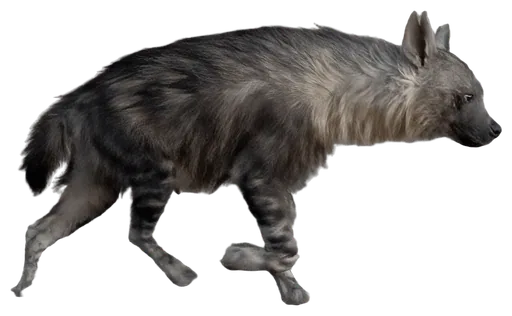
 L vs Brown HyenaLoses · 56% · Toss-up
 L
Wolverine battle analysis
The wolverine looks like a small bear and behaves like a much larger animal. A mature male weighs about 16 kg, yet it hunts reindeer and moose trapped in deep snow, cracks frozen bones that other scavengers leave, and sometimes drives much bigger predators off their kills. Its paws are broad and furred, its claws hooked like climbing spikes, and its coat thick enough for Arctic winters.
That reputation needs context on the absolute scale. Wolves are its main natural killer, bears and cougars also kill wolverines, and a clean fight against a 50 kg wolf or a big cat is a losing one. What makes the wolverine formidable is the combination of a heavy bite, raw toughness for its size and a readiness to fight when food or life is at stake, not raw mass.
Its most remarkable features are endurance and mind. Wolverines cover 20 to 45 km in a day, disperse hundreds of kilometres, and one tracked male travelled more than 1,300 km. A 2025 study showed they plan routes through rugged mountains from memory, aiming at places several kilometres out of sight. Those abilities, together with its snow specialization, give the wolverine high Stamina, Intelligence and Special ratings while its Attack and Defense stay in line with other mid-sized carnivores.
Habitat & range
Boreal forest, taiga, alpine tundra and Arctic tundra across northern Eurasia and North America, from Scandinavia and Russia to Alaska, Canada and the northern Rocky Mountains. In the contiguous United States it survives mainly in high mountains, and wolverines are returning to areas such as Mount Rainier, with a reintroduction program planned in Colorado. Year-round occupation is limited to areas where snow persists into late spring.
Diet & hunting
An opportunistic predator and scavenger. In Norway, diet in tundra was 40% reindeer, 39% moose and 9% rodents; in forest with wolves it shifted to 76% moose, 18% reindeer and 5% rodents, because wolf kills supplied moose carcasses. Prey ranges from voles, lemmings, hares, marmots, beavers and porcupines to caribou, deer, moose and livestock. Vegetation, including whitebark pine nuts in Yellowstone, is eaten occasionally.
Social life
Solitary. Males hold large territories overlapping several females. Densities are very low: 0.71–6.74 wolverines per 1,000 km² across Alberta landscapes, for an estimated 955 animals in the province.
Conservation
Least Concern on the IUCN Red List because of its wide range and large northern populations. In 2023 the U.S. Fish and Wildlife Service listed the North American wolverine in the contiguous United States as threatened. Main concerns are loss of spring snowpack for denning, human development, trapping and low genetic connectivity. In the Arctic, reduced snow and sea ice, changing prey and increased human access are research priorities.
Quick answers
How strong is a Wolverine?
On the Animal Battle Stats scale, the Wolverine has an attack rating of 46 and a power index of 56.1 out of 100, which ranks it #100 of 344 animals and puts it in B tier (Strong). Its strongest stat is stamina (83).
How much does a Wolverine weigh?
A typical adult Wolverine weighs about 16 kg (35 lb). Rated specimen: healthy mature adult male, 16.0 kg, 42.0 cm at the shoulder and 90.0 cm head-body length, tail excluded.
How fast is a Wolverine?
There is no reliable measured top speed for the Wolverine, so we do not publish one. Its agility rating, which covers acceleration, reflexes and evasion, is 60 out of 100.
What does a Wolverine eat?
An opportunistic predator and scavenger. In Norway, diet in tundra was 40% reindeer, 39% moose and 9% rodents; in forest with wolves it shifted to 76% moose, 18% reindeer and 5% rodents, because wolf kills supplied moose carcasses. Prey ranges from voles, lemmings, hares, marmots, beavers and porcupines to caribou, deer, moose and livestock. Vegetation, including whitebark pine nuts in Yellowstone, is eaten occasionally.
Is the Wolverine endangered?
No. The Wolverine is listed as Least Concern. Least Concern on the IUCN Red List because of its wide range and large northern populations. In 2023 the U.S. Fish and Wildlife Service listed the North American wolverine in the contiguous United States as threatened. Main concerns are loss of spring snowpack for denning, human development, trapping and low genetic connectivity. In the Arctic, reduced snow and sea ice, changing prey and increased
What animals can beat a Wolverine?
Among its closest rivals, the Chimpanzee (56%), the Markhor (61%), the Wild Boar (61%), the Kudu (65%), the Red Deer (63%), the Brown Hyena (56%) would be favored against the Wolverine. It would be favored against the Porcupine. It is dead even with the Dhole: a draw.
Researched 2026-09-28. Ratings are editorial judgments built from these sources; measurements describe a healthy adult male.
- Wikipedia, Wolverinemass, dimensions, dimorphism, diet, predators, lifespan, M-56 journey, scent glands, status
- Animal Diversity Web, Gulo gulomass, dimensions, bite, claws, travel, speed claims, lifespan, snow dens, prey killing
- USDA Forest Service, Fire Effects Information Systemmass, home range, daily movement, travel rates, dispersal
- NPS Yellowstone, Wolverineregional size, snow dens, climate threat
- van Dijk et al. 2008, Journal of Animal Ecologydiet, scavenging
- Glass et al. 2025, Movement Ecologyspatial memory, route planning
- Glass et al. 2022, Polar BiologyArctic range, threats
- Fisher et al. 2025, Ecology and Evolutiondensity
- Federal Register, 2023 threatened listingU.S. status
- Wikimedia Commons, Wolverine in fieldimage source
Photo: “Wolverine in field.jpg” by Susanne Nilsson, CC BY-SA 2.0, background removed and cropped. Original
Suggest a correction