

Wild Turkey
Meleagris gallopavo
 #228 of 344
  Forest Fighter Least Concern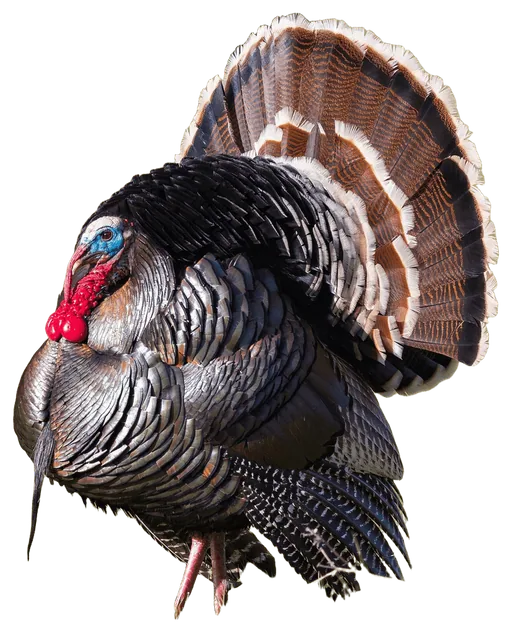
 Fight
FightPhoto: Frank Schulenburg · CC BY-SA 4.0
The Wild Turkey is North America's heavyweight flying gamebird. The canonical tom weighs about 7.6 kg and fights with sharp leg spurs, kicks and body slams. It can burst into flight at up to about 88 km/h or sprint away on foot. It is wary and sharp-eyed by day, but it is not a predator, and against real hunters it relies on escape more than combat.
 Attack32
  Defense26
  Agility72
  Stamina62
  Intelligence60
  Special55
 Detailed ratings
Research-backed ratings on one 0–100 scale for all 344 animals (updated 2026-09-28). How ratings work
Special abilities
Ability 1Spur Kick BrawlToms fight with sharp leg spurs, powerful kicks, bill strikes and body ramming. The same toolkit can deter mid-sized predators when a turkey is cornered.
 Ability 2Rocket Take-Off
A turkey bursts off the ground on loud wings and can reach recorded flight speeds of about 88.5 km/h over short distances, or sprint away at about 8 m/s.
Unique traits
 TraitHeavyweight Flier
At 7.6 kg on average and sometimes over 13.8 kg, the wild turkey is among the heaviest flying birds in the world, yet it still flies fast and roosts in trees.
TraitBrother Display TeamsSubordinate males, often brothers, court alongside a dominant male without breeding themselves, and paired dominant males father more young than males courting alone.
How it fights
Weapons
- The tom's weapons are its legs and body. Each leg carries a sharp spur used to spar with other males. When fighting off predators, turkeys kick with their legs and spurs, bite with the bill and ram with their relatively large bodies. Wikipedia's account says this can deter predators up to the size of mid-sized mammals. Hens have been seen chasing off at least two species of hawks in flight when their poults were threatened. Turkeys are not predators of large animals; they eat mostly plants, including acorns, seeds, berries and roots, plus insects and occasionally small salamanders, lizards and snakes.
 Struggles vs
- About 7.6 kg, with no armor.
- Short bursts of flight only; heavy wing loading.
- Very poor night vision; vulnerable on the ground in darkness.
- Spurs and kicks are close-range weapons with little killing power against large animals.
- Prefers flight to fight, so it rarely presses an attack against a dangerous opponent.
- Weight
- 7.6 kg17 lb
- Height
- No reliable measurement
- Length
- 1.1 m3.6 ft
- Top speed
- 89 km/h55 mph
- Bite force
- No reliable measurement
- Lifespan
- 3.5 years
- Home biome
- Forest
- Lifestyle
- Social
Rated specimen: Healthy mature adult male (tom), 7.6 kg, 110.0 cm total length.
Fun facts
- The record wild tom weighed about 17 kg.
- Wild turkeys have been recorded flying at 88.5 km/h.
- A tom's beard keeps growing throughout its life and can reach about 30 cm.
- Toms sometimes attack their own reflection in car paint or windows.
- Subordinate males, often brothers, help a dominant male court without breeding themselves.
- US wild turkey numbers fell to an estimated 30,000 in the 1930s and have recovered to around 7 million.
Closest rivals by power. Tap one for the full breakdown, or pick any opponent.
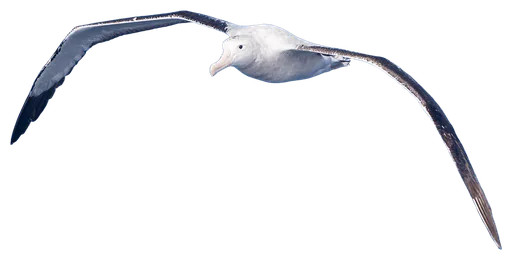
vs CockatooWins · 50% · Toss-up 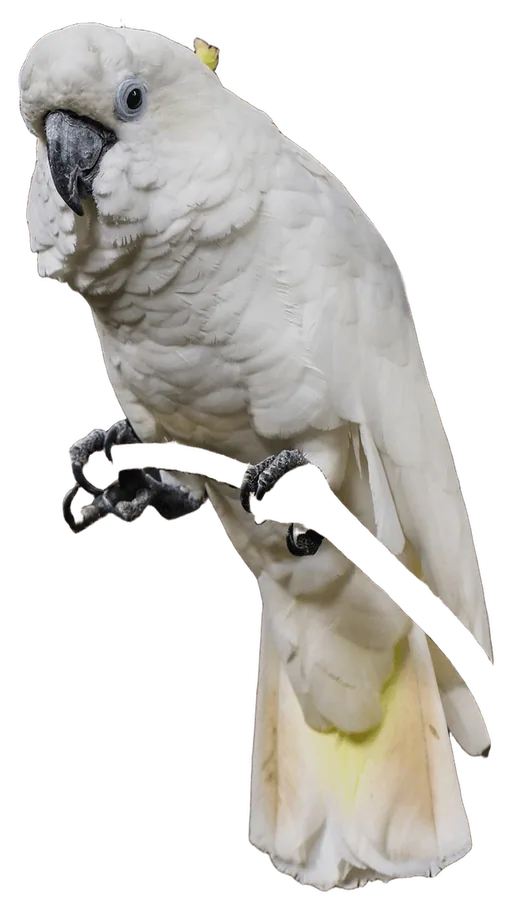 W vs AlbatrossWins · 51% · Toss-up
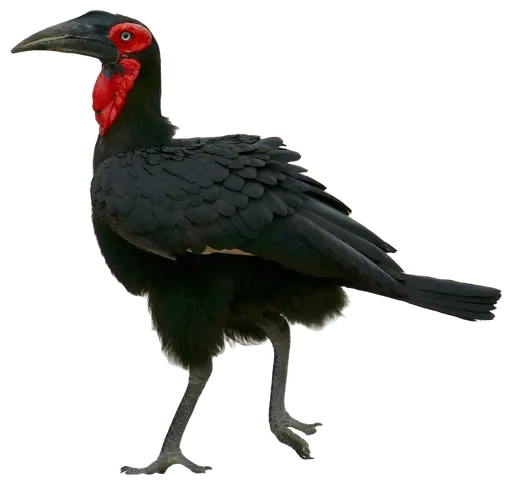
  W vs Southern Ground HornbillWins · 51% · Toss-up
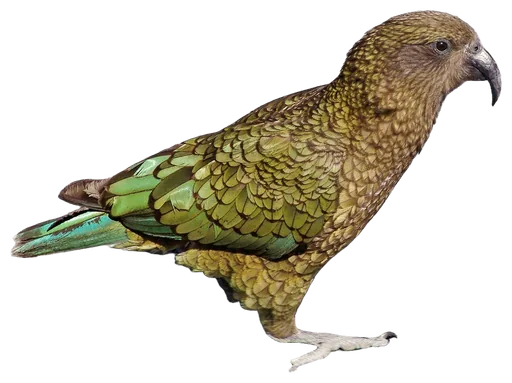
  W vs KeaLoses · 51% · Toss-up
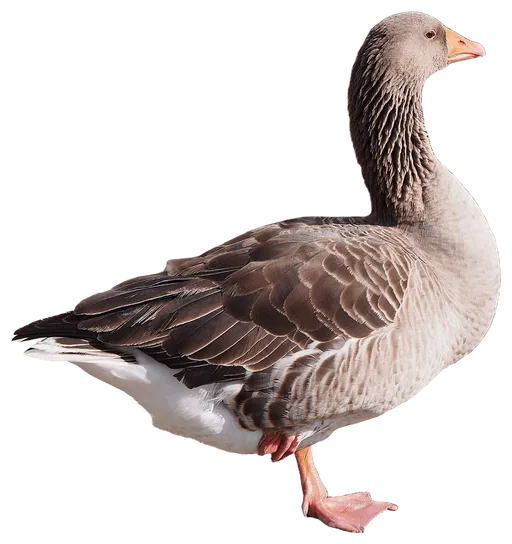
  L vs GooseLoses · 51% · Toss-up
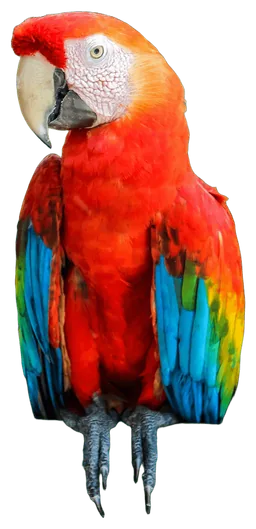
  L vs MacawLoses · 51% · Toss-up
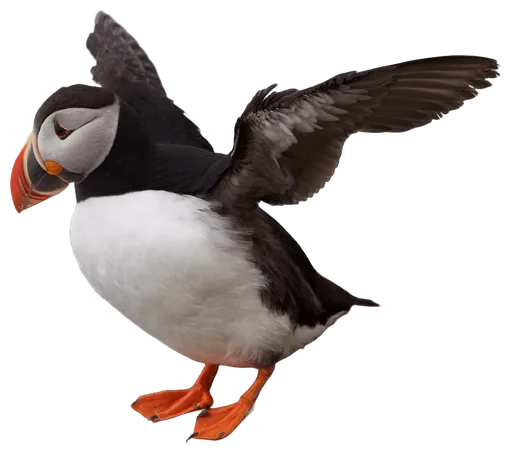
  L vs PuffinLoses · 53% · Toss-up
  L vs MeerkatLoses · 50% · Toss-up
  L
L  Pick any opponent
 Wild Turkey battle analysis
The wild turkey is not the slow farm bird most people picture. A healthy tom weighs around 7.6 kg, runs at about 8 m/s, and can explode into the air on loud wings, reaching recorded speeds of about 88 km/h before gliding into cover or up to a roost. Keen daytime eyes and a flock full of watchers make it hard to surprise in daylight.
Its fighting is mostly among its own kind. In spring, toms strut, gobble and drum to show status and settle disputes with kicks and sharp leg spurs. Some males work in teams: subordinate brothers display beside a dominant male and help him win mates without breeding themselves. When cornered by a predator, a turkey will kick, spur, peck and ram, which is enough to drive off some mid-sized mammals, and hens defending poults have chased off hawks.
In an absolute matchup, however, it is a plant-eating bird that prefers to run or fly. Its spurs are short-range weapons without real killing power against large animals, it has no armor, and its night vision is very poor. It does well against small animals it can bully and against opponents it can outrun, but true predators usually decide the fight.
Habitat & range
Wild turkeys are native to North America, from southern Canada through much of the US to northern and central Mexico. They prefer mature hardwood forest with oak, hickory, beech, cherry and ash, mixed with clearings, fields and pasture, but they also live in montane conifer and oak woods and near farmland and suburbs. Reintroductions have restored them to most of their former range and beyond, including parts of Canada.
Diet & hunting
They are omnivores that feed mostly on plants: acorns and other nuts, seeds, grains, berries, buds, leaves, grass blades, roots and bulbs. They also eat insects and occasionally small salamanders, lizards and snakes. Their broad diet lets populations grow large in small areas. They are prey for many predators; poults are most vulnerable in their first two weeks.
Social life
Turkeys live in flocks outside the breeding season, and roosting flocks of 6–40 birds may share trees. Flocks have dominance hierarchies. In spring, males display in groups and form coalitions, and most hens prefer to mate with dominant males. GPS data from 151 males and 261 females in the southeastern US showed males revisiting small display areas (about 50 ha on average) within their breeding-season ranges.
Conservation
The species is listed as Least Concern and its population trend has been increasing (National Geographic). Habitat loss and market hunting drove numbers in the US as low as an estimated 30,000 by the late 1930s, and turkeys disappeared from 18 states. Protection and trap-and-transfer reintroductions restored them; current estimates put the wild population at about 7 million. Some eastern populations have recently declined, with invasive wild pigs and disease among the factors being studied.
Quick answers
How strong is a Wild Turkey?
On the Animal Battle Stats scale, the Wild Turkey has an attack rating of 32 and a power index of 45.4 out of 100, which ranks it #228 of 344 animals and puts it in C tier (Capable). Its strongest stat is agility (72).
How much does a Wild Turkey weigh?
A typical adult Wild Turkey weighs about 7.6 kg (17 lb). Rated specimen: healthy mature adult male (tom), 7.6 kg, 110.0 cm total length.
How fast is a Wild Turkey?
The Wild Turkey's top speed is about 89 km/h (55 mph). Its agility rating is 72 out of 100.
What does a Wild Turkey eat?
They are omnivores that feed mostly on plants: acorns and other nuts, seeds, grains, berries, buds, leaves, grass blades, roots and bulbs. They also eat insects and occasionally small salamanders, lizards and snakes. Their broad diet lets populations grow large in small areas. They are prey for many predators; poults are most vulnerable in their first two weeks.
Is the Wild Turkey endangered?
No. The Wild Turkey is listed as Least Concern. The species is listed as Least Concern and its population trend has been increasing (National Geographic). Habitat loss and market hunting drove numbers in the US as low as an estimated 30,000 by the late 1930s, and turkeys disappeared from 18 states. Protection and trap-and-transfer reintroductions restored them; current estimates put the wild population at about 7 million. Some eastern populatio
What animals can beat a Wild Turkey?
Among its closest rivals, the Kea (51%), the Goose (51%), the Macaw (51%), the Puffin (53%), the Meerkat (50%) would be favored against the Wild Turkey. It would be favored against the Cockatoo, the Albatross, the Southern Ground Hornbill.
Researched 2026-09-28. Ratings are editorial judgments built from these sources; measurements describe a healthy adult male.
- Wikipedia, Wild turkeymass by sex, record, length, wingspan, tarsus, spurs, flight, vision, defense, courtship, population history
- Animal Diversity Web, Meleagris gallopavomass, lifespan, flight speed
- Pennsylvania Game Commission, Wild Turkeymass, spurs, beard, speed, senses, roosting
- Audubon Guide to North American Birdslength, wingspan, weight, diet, locomotion
- National Geographic, Wild Turkeylifespan, trend
- Missouri Department of Conservation field guidelength, recovery, domestication
- Krakauer 2005, Naturecoalition courtship
- Male wild turkey spatial relationships 2026, Scientific Reportsmovement, display areas
- Female reproductive asynchrony study 2023, Ecology and Evolutionmating system
- Wild pig impacts on wild turkey movements 2025, Ecology and Evolutionmovement, threats
- Commons, strutting male wild turkeyimage candidate
Photo: “Meleagris gallopavo displaying at Deer Island Open Space Preserve.jpg” by Frank Schulenburg, CC BY-SA 4.0, background removed and cropped. Original
Suggest a correction