
Wild Horse
Equus ferus przewalskiiB tier · Strong57th of 163 mammals
Size & speed

- Weight
- 320 kg705 lb
- Length
- 2.1 m6.9 ft
As heavy as 4.6 people
Heavier than 86% of animalsAbout as long as a person is tall
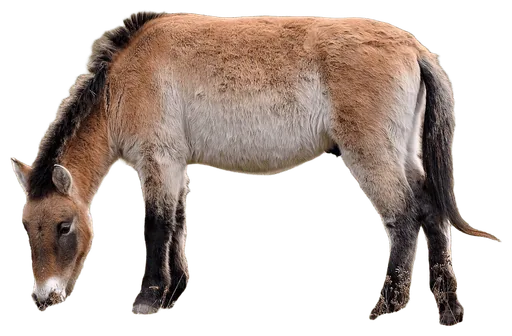
Bigger than 74% of animalsPrzewalski's horse is a stocky, dun steppe horse and the last truly wild horse. A 320 kg stallion defends his family with rearing strikes, bites and powerful hind kicks and survives brutal winters by throttling his own metabolism, but he has no horns or armor and relies on open ground to see and escape danger.
Detailed ratings
Research-backed ratings on one 0–100 scale for all 344 animals (updated 2026-09-28). How ratings work


Card No. 93 of 344. Every animal on Animal Battle Stats has one: its power, tier and archetype on the front; its six battle stats, abilities and signature move on the back.
Special abilities
A defending stallion rears, strikes with the forefeet, bites at the head and neck and wheels into hind kicks, the same repertoire used in fights for harems. It makes close approach costly for medium predators.
In late winter heart rate falls to about half its spring level, activity drops and subcutaneous temperature declines, letting the horse conserve energy through long food shortages.
Unique traits
The only horse regarded as never successfully domesticated, lost from the wild in the late 1960s and returned from zoo stock bred from about a dozen founders.
A stocky dun body, short erect mane with no forelock, pale mealy muzzle, dark lower legs and a tail with a short-haired dock.
How it fights
Weapons
- A Przewalski's stallion fights with its whole body. Rival stallions rear and strike with the forefeet, bite at the neck, head and legs, and wheel to deliver double-barrelled hind kicks. Against predators the same repertoire is used defensively: ADW's horse account records that the dominant stallion may attack a predator by biting and kicking. A 320 kg equid landing a clean hind kick can inflict serious blunt trauma on a medium carnivore, but the horse has no horns, tusks or cutting teeth, and every blow requires the attacker to be inside a narrow reach.
Struggles vs
- No horns, tusks or cutting weapons; kicks need precise range and angle.
- No armor; the neck, flanks and legs are exposed to grappling predators.
- Heavy snow cover, confinement and dense forest remove its running options.
- Foals are vulnerable, and a stallion defending them must engage at close range.
- Conservative space use in catastrophic winters.
- Weight
- 320 kg705 lb
- Height
- 1.35 m4.4 ft
- Length
- 2.1 m6.9 ft
- Top speed
- No reliable measurement
- Bite force
- No reliable measurement
- Lifespan
- 20 years
- Home biome
- Savanna
- Lifestyle
- Social
Rated specimen: Healthy mature adult male (harem stallion), 320.0 kg, 135.0 cm at the withers and 210.0 cm head-body length.
Fun facts
- "Takhi" is the Mongolian name for the wild horse.
- Every living Przewalski's horse traces to roughly 12–16 founder animals.
- The last confirmed wild individual before reintroduction was a single stallion seen in 1969.
- Free-roaming takhi drop their winter heart rate to about 44 beats per minute, half their spring rate.
- More than 100 Przewalski's horses were estimated to live in the Chernobyl exclusion zone in 2019.
- The 2009/2010 Mongolian winter killed about 60% of the Gobi B population on average, with large differences between east and west.
Closest rivals by power. Tap one for the full breakdown, or pick any opponent.
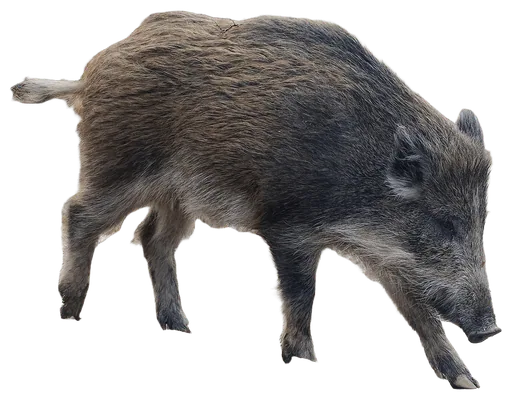
vs Brown HyenaWins · 62% · Slight edge 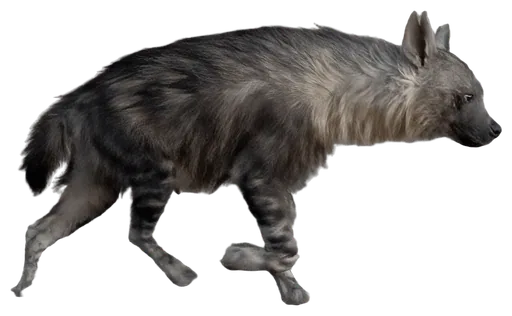 W vs Wild BoarWins · 57% · Toss-up
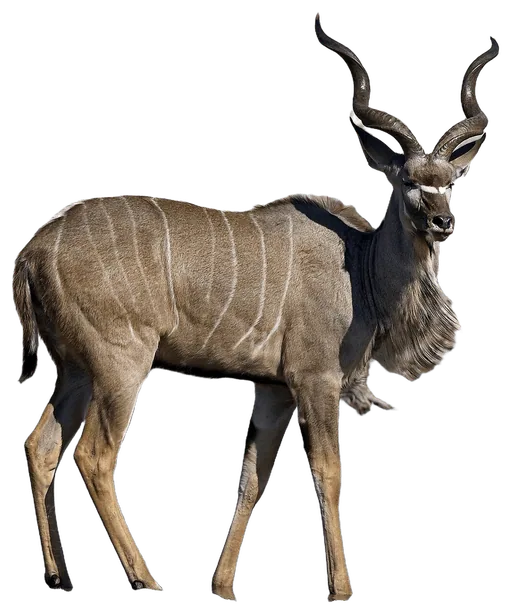
 W vs KuduWins · 53% · Toss-up
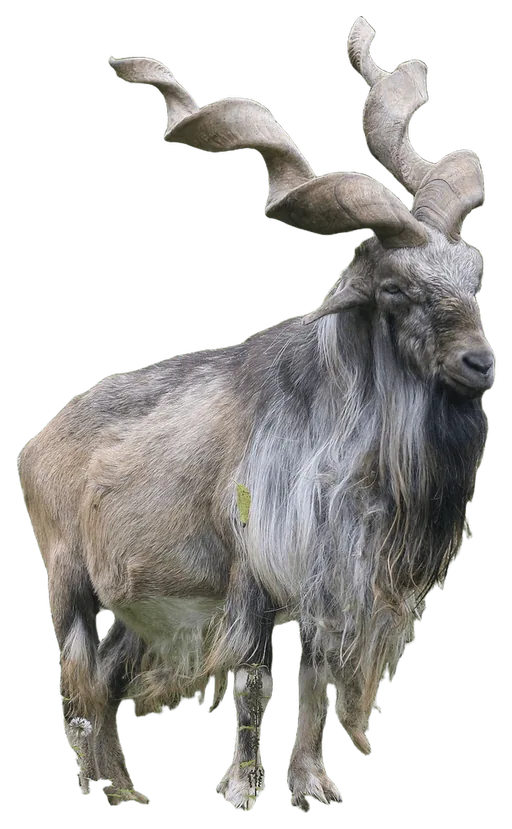
 W vs MarkhorWins · 58% · Slight edge
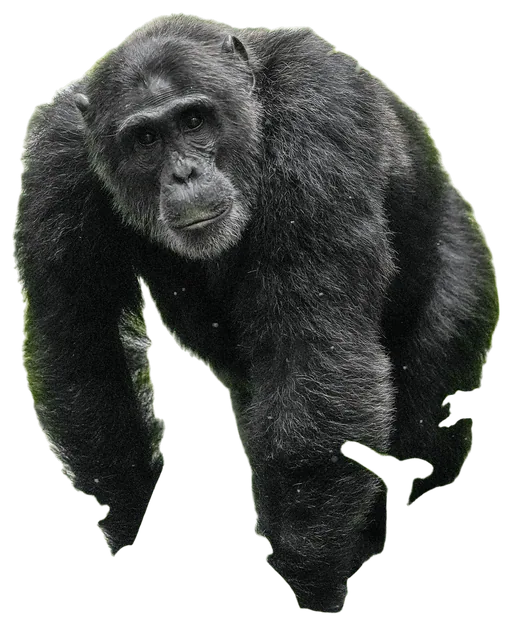
 W vs ChimpanzeeWins · 62% · Slight edge
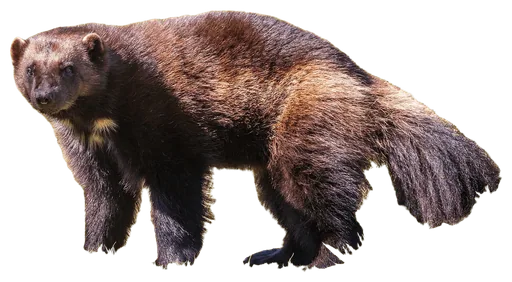
 W vs WolverineWins · 68% · Slight edge
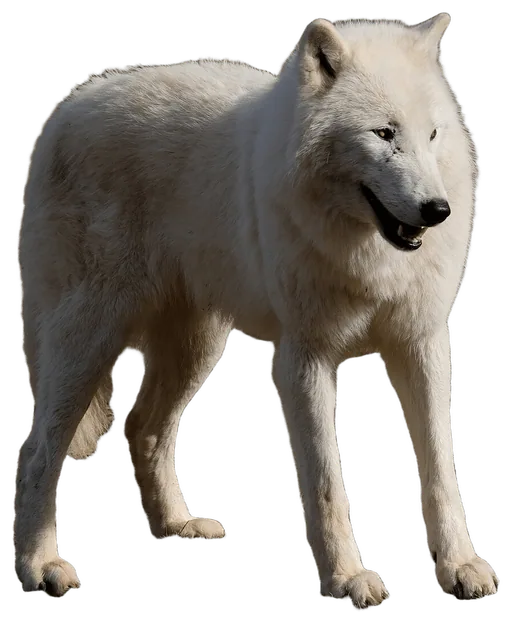
 W vs Arctic WolfWins · 61% · Slight edge
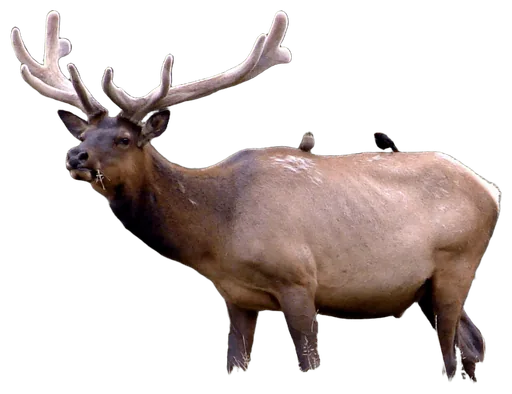
 W vs ElkLoses · 51% · Toss-up
 L
Wild Horse battle analysis
Przewalski's horse is the steppe version of the horse: shorter-legged and heavier-necked than a racehorse, dun-coated, with a stiff upright mane and a pale muzzle. It came close to vanishing. The wild population faded under hunting, livestock competition and hard winters, and after 1969 the only takhi left were in zoos. Careful studbook breeding from about a dozen founders rebuilt the population, and reintroduced herds now graze the Mongolian Gobi and grasslands again.
In a fight the takhi stallion is the dangerous member of the family. He herds the mares, faces down rivals and meets threats with a full equid arsenal: rearing forefoot strikes, gripping bites to the neck and legs, and hind kicks that can break bone. Wolves, the main modern predator, mostly target foals rather than healthy adults. Yet the horse has no horn, tusk or claw, so every blow needs close range, and a large cat or bear that controls its neck faces no armor at all.
Its most unusual strength is quieter. Heart-rate loggers on free-roaming takhi show the body running at roughly half speed in midwinter, with lower activity and cooler tissues, so the horse spends less energy when food is scarce. That makes the takhi a durable, patient survivor rather than a sprinter or a brawler, and on the absolute scale it sits alongside other mid-sized hoofed animals: tougher and stronger than a donkey, far below the heavy bovids and big predators.
Habitat & range
Historically the steppes and semi-deserts of Central Asia, with the last wild animals surviving between the Takhiin Shar Nuruu and Bajtag-Bogdo ranges of the Dzungarian Gobi. Today free-ranging horses live at reintroduction sites in Mongolia (Great Gobi B, Hustai, Khomiin Tal), in Xinjiang and Gansu in China, in Kazakhstan, and in the Chernobyl exclusion zone, with semi-wild herds in Europe such as Hortobágy in Hungary and Döberitzer Heide in Germany.
Diet & hunting
A grazer of grasses and sedges that also takes leaves of shrubby plants. Its winter diet resembles that of domestic horses; isotope work on the historical population suggests a switch to browsing shrubs in winter under heavy habitat pressure. It shares Gobi ranges with Asiatic wild asses and livestock and is prey for wolves.
Social life
Harem groups of one adult stallion, mares and offspring, plus bachelor groups. Young stay until two or three years old; young females join other harems and young males join bachelor groups. Mares often lead group movement, while the stallion herds and defends. Harem sizes in the 15-year Hortobágy dataset stayed stable even as the number of harems grew from three to 23.
Conservation
Endangered on the IUCN Red List. The species was listed as Extinct in the Wild for over 30 years after the last sighting of a lone stallion in 1969, then downlisted from Critically Endangered to Endangered in 2011 as free-ranging numbers in Mongolia reached about 350. Threats include low genetic diversity, hybridization with domestic horses, disease, wolf predation, habitat degradation and catastrophic winters. Hunting has been banned in Mongolia since 1930.
Quick answers
How strong is a Wild Horse?
On the Animal Battle Stats scale, the Wild Horse has an attack rating of 54 and a power index of 56.8 out of 100, which ranks it #93 of 344 animals and puts it in B tier (Strong). Its strongest stat is stamina (78).
How much does a Wild Horse weigh?
A typical adult Wild Horse weighs about 320 kg (705 lb). Rated specimen: healthy mature adult male (harem stallion), 320.0 kg, 135.0 cm at the withers and 210.0 cm head-body length.
How fast is a Wild Horse?
There is no reliable measured top speed for the Wild Horse, so we do not publish one. Its agility rating, which covers acceleration, reflexes and evasion, is 64 out of 100.
What does a Wild Horse eat?
A grazer of grasses and sedges that also takes leaves of shrubby plants. Its winter diet resembles that of domestic horses; isotope work on the historical population suggests a switch to browsing shrubs in winter under heavy habitat pressure. It shares Gobi ranges with Asiatic wild asses and livestock and is prey for wolves.
Is the Wild Horse endangered?
The Wild Horse's conservation status is Endangered. Endangered on the IUCN Red List. The species was listed as Extinct in the Wild for over 30 years after the last sighting of a lone stallion in 1969, then downlisted from Critically Endangered to Endangered in 2011 as free-ranging numbers in Mongolia reached about 350. Threats include low genetic diversity, hybridization with domestic horses, disease, wolf predation, habitat degradation and catastr
What animals can beat a Wild Horse?
Among its closest rivals, the Elk (51%) would be favored against the Wild Horse. It would be favored against the Brown Hyena, the Wild Boar, the Kudu, the Markhor, the Chimpanzee, the Wolverine, the Arctic Wolf.
Researched 2026-09-28. Ratings are editorial judgments built from these sources; measurements describe a healthy adult male.
- Wikipedia, Przewalski's horsemass, height, length, tail, social structure, predators, infanticide, status history, Chernobyl
- Smithsonian's National Zoo, Przewalski's horsemass, height, length, lifespan, founders, status, name
- Animal Diversity Web, Equus caballusfighting behavior, domestic lifespan
- van Duyne et al. 2009, J. Wildl. Manage.wolf predation
- Arnold, Ruf & Kuntz 2006, J. Exp. Biol.winter hypometabolism
- Kaczensky et al. 2007, Mongolian J. Biol. Sci.home range, reintroduction
- Kaczensky et al. 2011, PLoS ONEwinter mortality, space use
- Turghan, Jiang & Niu 2022, Animalspopulation, founders, status, wolf mortality, stallion roles
- Szemán et al. 2024, Ecology and Evolutionharem dynamics
- Bernátková et al. 2024, Current Zoologysocial behavior
- Bernátková et al. 2022, BMC Zoologyweather response, acclimatization
- Górecka-Bruzda, Jaworska & Stanley 2023, Animalsstallion roles
- De Ridder, Aerts & MacLaren 2025, Anatomical Recordlocomotor anatomy
- Wikimedia Commons, Urwildpferd Tennenloheimage source
Photo: “Urwildpferd Tennenlohe SK DSC 0013.jpg” by Simon Koopmann, CC BY-SA 3.0 de, background removed and cropped. Original
Suggest a correction