
Wild Boar
Sus scrofaB tier · Strong59th of 163 mammals
Size & speed

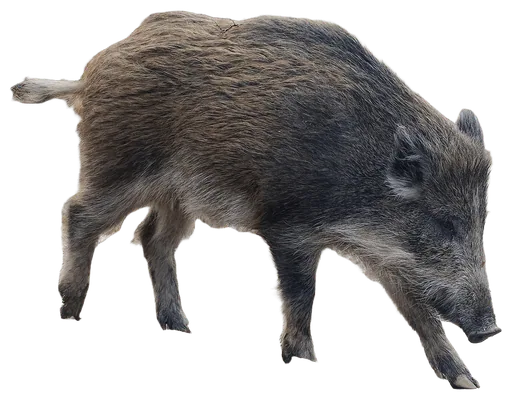
- Weight
- 100 kg220 lb
- Length
- 1.5 m4.9 ft
- Top speed
- 40 km/h25 mph
About as heavy as a person
Heavier than 71% of animalsAbout as long as a person is tall
Bigger than 61% of animalsFaster than most people can sprint
Faster than 41% of animalsThe wild boar is a 100 kg Eurasian pig with sharp, ever-growing tusks, a rut shield of tough tissue over its shoulders and an excellent nose. It charges from cover with its tusks, which can kill dogs and have even killed tigers, though wolves and tigers still prey on young and weakened boar.
Detailed ratings
Research-backed ratings on one 0–100 scale for all 344 animals (updated 2026-09-28). How ratings work


Card No. 96 of 344. Every animal on Animal Battle Stats has one: its power, tier and archetype on the front; its six battle stats, abilities and signature move on the back.
Special abilities
A charge from cover with the tusks pointed at the target; the sharp lower tusks, exposed 10–12 cm, cause penetrating wounds, mostly to the legs, and kill a share of the hunting dogs they strike.
Before the breeding season males grow a 2–3 cm layer of tough subcutaneous tissue from the shoulder blades to the rump that protects vital organs from a rival's tusks.
Unique traits
The boar's sense of smell is good enough that boar have been used for drug detection in Germany, and wild boar keep more olfaction gene activity than domestic pigs.
Pigs carry amino-acid changes in the snake α-neurotoxin binding site of the muscle nicotinic receptor, functionally equivalent to those of honey badgers and hedgehogs, which resist cobra-type venom.
How it fights
Weapons
- A boar attacks by charging and pointing its tusks at the target. Human injuries are typically penetrating wounds to the thigh and lower limbs; in a Spanish emergency department series of 34 patients, 50% had superficial wounds, 38.2% penetrating wounds and 71.9% of wounds were on the legs. Hunting dogs take the brunt of this weapon: over 797 driven hunts in Czechia, boars inflicted 150 injuries on dogs, of which 18.8% were severe and 7.4% fatal. Old boars have been recorded goring a small tiger and a tigress to death in self-defense, and a large male tiger died of wounds from a boar it killed. A group of boar was once seen killing and eating an adult axis deer, but boar do not normally hunt large animals.
Struggles vs
- Poor eyesight and no color vision.
- Deep snow badly limits movement.
- Short-range weapon that requires a head-on charge.
- Shield is seasonal and covers only the shoulders and flanks.
- Piglets and young are easy prey.
- Weight
- 100 kg220 lb
- Height
- 80 cm31.5 in
- Length
- 1.5 m4.9 ft
- Top speed
- 40 km/h25 mph
- Bite force
- No reliable measurement
- Lifespan
- 5 years
- Home biome
- Forest
- Lifestyle
- Social
Rated specimen: Healthy adult European male ("boar") of about 100 kg, 80 cm at the shoulder and 150 cm head-body length, with lower tusks exposed about 10 cm.
Fun facts
- Wild boar have been used as drug-sniffing animals in Germany.
- A boar swam about 11 km from France to the island of Alderney in 2013.
- Rutting males grow a natural shield up to 3 cm thick over their shoulders.
- A mother boar once freed two trapped young by working the logs that held a trap door shut.
- A boar's snout can turn over rocks of 40–50 kg.
- Some Far Eastern boar weigh as much as a brown bear, up to about 300 kg.
Closest rivals by power. Tap one for the full breakdown, or pick any opponent.
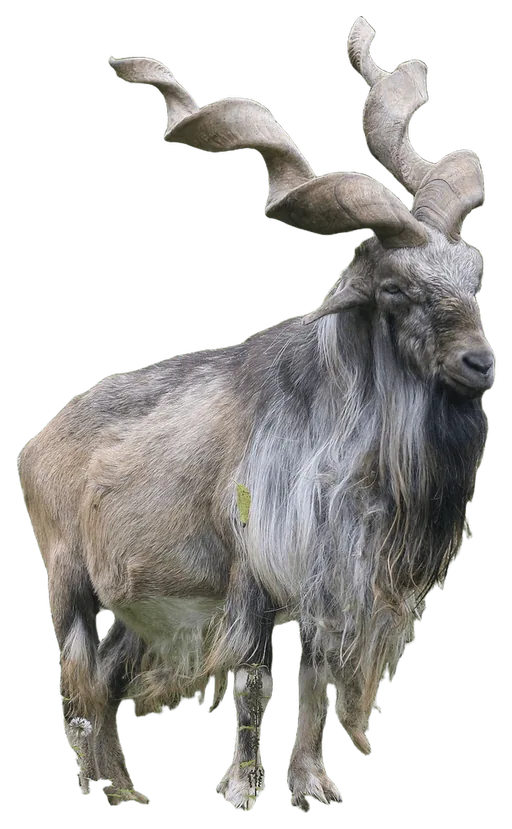
vs KuduLoses · 55% · Toss-up 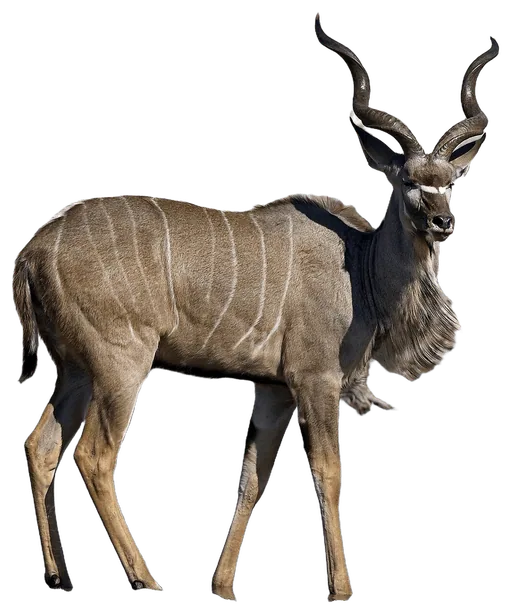 L vs MarkhorDraw · 50-50 · Dead even
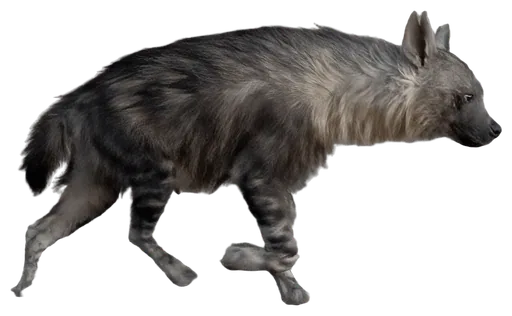
 D vs Brown HyenaWins · 55% · Toss-up
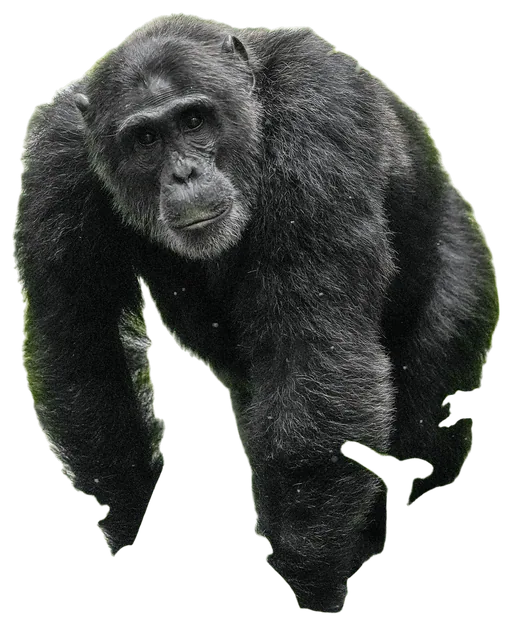
 W vs ChimpanzeeWins · 55% · Toss-up
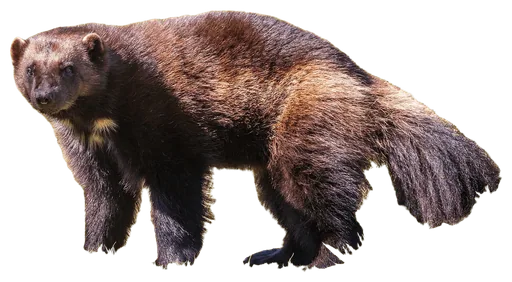
 W vs WolverineWins · 61% · Slight edge
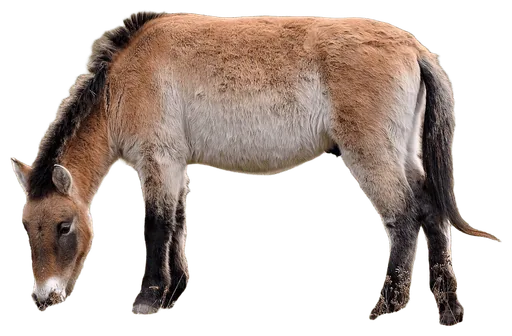
 W vs Wild HorseLoses · 57% · Toss-up
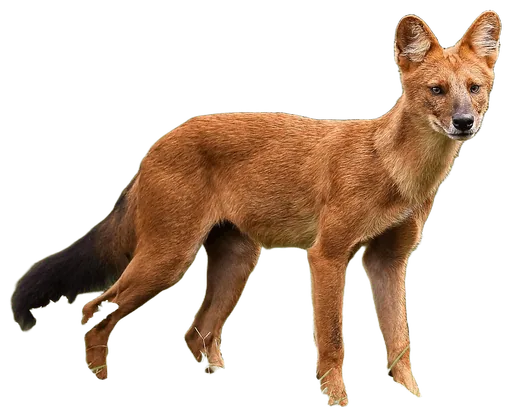
 L vs DholeWins · 60% · Slight edge
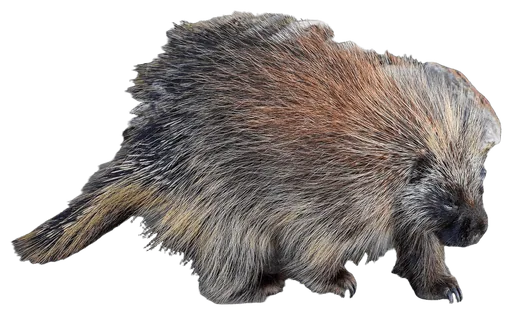
 W vs PorcupineWins · 63% · Slight edge
 W
Wild Boar battle analysis
A wild boar is a compact wedge of muscle and bristle: around 100 kg in a big European male, 80 cm at the shoulder, with a long snout, small eyes and tusks that never stop growing. The sharp lower tusks are the main weapons, and a charging boar drives them into legs and flanks. Every autumn, males grow a shield of tough tissue up to 3 cm thick over their shoulders before fighting rivals for access to sows.
The species is spectacularly versatile. Boar live from Mediterranean scrub to Siberian taiga, dig through frozen ground with their snouts, swim between islands and have moved into the suburbs of many European cities. They learn from hunting pressure, tolerate crowds of people while staying alert, and have shown striking problem solving, as when a sow freed trapped young from a cage trap. Their sense of smell is keen enough for drug detection, even if their eyesight is poor.
On the ABS scale the boar is a strong mid-weight brawler. It is lighter than the giant forest hog and a large black bear and cannot match a wolf pack or a tiger, but its tusks, toughness and temper make it one of the most dangerous animals of its size to confront in dense cover. Its ratings sit in the roster's moderate middle, with Ferocity and Senses as standout substats.
Habitat & range
One of the most widely distributed land mammals: native across Europe, North Africa and much of Asia, east to the Russian Far East and the Lesser Sunda Islands, in forests, reed beds, scrub, farmland and mountains. Introduced and feral populations, often mixed with domestic pigs, occur in the Americas, including 44 US states. It lives increasingly in and around cities such as Kraków, Bordeaux, Budapest and the suburbs of Prague.
Diet & hunting
An omnivore that roots for underground plant parts and burrowing animals, feeds on acorns and beech mast in fruiting years and raids crops. Its rooting upturns large amounts of soil. Boar are also an important prey for wolves and tigers, and invasive feral pigs raid turtle nests where they have been introduced.
Social life
Matriarchal sounders of related sows and young, typically about 6–20 animals. Adult males are mostly solitary outside the rut. Sows in a sounder protect all the young together, and piglets can nurse from other sows.
Conservation
Least Concern on the IUCN Red List. Numbers are growing in much of Europe, where driven hunts with dogs are used to manage them, bringing crop damage, urban conflict and concern over African swine fever. Outside its native range feral pigs are a damaging invasive animal.
Quick answers
How strong is a Wild Boar?
On the Animal Battle Stats scale, the Wild Boar has an attack rating of 54 and a power index of 56.4 out of 100, which ranks it #96 of 344 animals and puts it in B tier (Strong). Its strongest stat is stamina (63).
How much does a Wild Boar weigh?
A typical adult Wild Boar weighs about 100 kg (220 lb). Rated specimen: healthy adult European male ("boar") of about 100 kg, 80 cm at the shoulder and 150 cm head-body length, with lower tusks exposed about 10 cm.
How fast is a Wild Boar?
The Wild Boar's top speed is about 40 km/h (25 mph). Its agility rating is 58 out of 100.
What does a Wild Boar eat?
An omnivore that roots for underground plant parts and burrowing animals, feeds on acorns and beech mast in fruiting years and raids crops. Its rooting upturns large amounts of soil. Boar are also an important prey for wolves and tigers, and invasive feral pigs raid turtle nests where they have been introduced.
Is the Wild Boar endangered?
No. The Wild Boar is listed as Least Concern. Least Concern on the IUCN Red List. Numbers are growing in much of Europe, where driven hunts with dogs are used to manage them, bringing crop damage, urban conflict and concern over African swine fever. Outside its native range feral pigs are a damaging invasive animal.
What animals can beat a Wild Boar?
Among its closest rivals, the Kudu (55%), the Wild Horse (57%) would be favored against the Wild Boar. It would be favored against the Brown Hyena, the Chimpanzee, the Wolverine, the Dhole, the Porcupine. It is dead even with the Markhor: a draw.
Researched 2026-09-28. Ratings are editorial judgments built from these sources; measurements describe a healthy adult male.
- Wikipedia, Wild boarsize, tusks, shield, speed, jumping, swimming, senses, predators, lifespan, attacks, status
- Animal Diversity Web, Sus scrofamass, length, sounders, lifespan, home range
- Drabeck et al. 2015, Toxiconvenom resistance
- Wild boar-inflicted injuries, European Journal of Trauma and Emergency Surgery 2024attack pattern
- Wild boar attacks on hunting dogs in Czechia, Animals 2025weapon lethality
- Iberian wolf diet, Animals 2023wolf predation
- Wolf diet in the Romanian Carpathians, PLoS One 2019wolf predation
- Wolf prey preference in the Slovak Carpathians, PLoS One 2022wolf predation
- Wild boar response to drive hunts, Scientific Reports 2024daily movement, learning
- Rescue behaviour in wild boar, Scientific Reports 2021problem solving
- Suburban wild boar and human visitors, Science of the Total Environment 2023urban tolerance
- Marino and Colvin 2015, International Journal of Comparative Psychologycognition
- Olfactory gene expression in pigs and wild boar, Life 2024smell
Photo: “Dzik na Czerwonych Makach w Krakowie, 20241127 1059 2815.jpg” by Jakub Hałun, CC BY 4.0, background removed and cropped. Original
Suggest a correction