

Whale Shark
Rhincodon typus
 #50 of 273
  Ocean Titan Endangered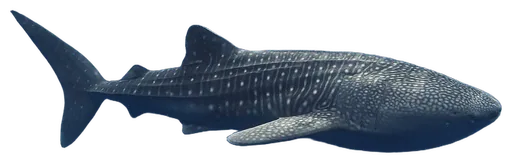
 Fight
FightPhoto: Egaryan Saadi · CC BY-SA 4.0
The whale shark is the largest fish alive, a 12-metre, 15-tonne filter feeder protected by skin around 10 cm thick and even armored eyes. It is almost impossible for a lone predator to wound seriously, but it has no weapons, swims at walking pace and never fights back, so its battles are tests of endurance rather than attack.
 Attack48
  Defense82
  Agility32
  Stamina88
  Intelligence45
  Special72
 Detailed ratings
Research-backed ratings on one 0–100 scale for all 273 animals (updated 2026-09-28). How ratings work
Special abilities
Ability 1Armored Retracting EyeEach eyeball carries thousands of tooth-like dermal denticles and can be pulled back into the socket by about half its own diameter. Against a biting or raking opponent, the whale shark's most vulnerable sense organ is shielded and can be withdrawn.
 Ability 2Abyssal Plunge
Tags have recorded dives to 1,928 m and, in the Coral Sea, to at least 1,978 m. A whale shark under pressure can leave the surface fight entirely for depths few opponents can follow.
Unique traits
 TraitLargest Living Fish
No other fish comes close in size; mature females average around 14 m at full growth and the largest reliably recorded individual was about 18.8 m.
TraitFilter-Pad GiantMore than 300 rows of tiny teeth go unused while about 20 filter pads strain plankton, fish eggs and small fish from the water.
How it fights
Weapons
- The whale shark has no functional offensive weapon. Its hundreds of rows of tiny teeth play no part in feeding, it has no spines, no venom and no cutting jaw, and it is not known to use its tail or body against other animals. Its only real offensive asset is mass: a 15-tonne body moving through the water carries enormous momentum, and a tail sweep from an animal this size would be dangerous to anything caught by it. That is incidental force, not a weapon it deploys.
 Struggles vs
- No weapon and no attacking behavior.
- Very slow, with no documented burst speed.
- Pelvic and ventral regions are vulnerable to a coordinated predator.
- Docile temperament: it does not fight back.
- Shallow water and stranding are dangerous for an animal this size.
- Weight
- 15 t16.5 US tons
- Height
- No reliable measurement
- Length
- 12 m39.4 ft
- Top speed
- No reliable measurement
- Bite force
- No reliable measurement
- Lifespan
- 70 years
- Home biome
- Ocean
- Lifestyle
- Mostly solitary
Rated specimen: Healthy mature adult female, 12.0 m total length and 15,000 kg, representing a large adult rather than the 18.8 m record animal.
Fun facts
- A single whale shark eyeball can carry more than 3,000 tiny tooth-like denticles.
- The whale shark can pull its eye back into its head by about half the eye's width.
- Bomb radiocarbon from Cold War nuclear tests was used to confirm that one whale shark was 50 years old.
- One tagged whale shark swam about 2,644 km in 37 days, and the longest recorded track topped 20,000 km.
- A whale shark in the Coral Sea dived to at least 1,978 m, deeper than the old fish record of 1,928 m.
- Killer whales in the Gulf of California have been filmed hunting whale sharks by targeting the pelvic area.
Closest rivals by power. Tap one for the full breakdown, or pick any opponent.
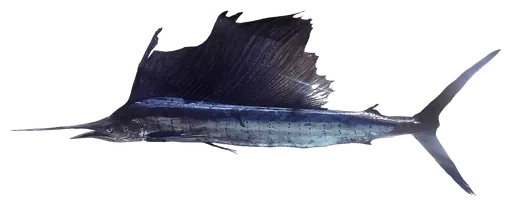
vs OctopusWins · 50% · Toss-up 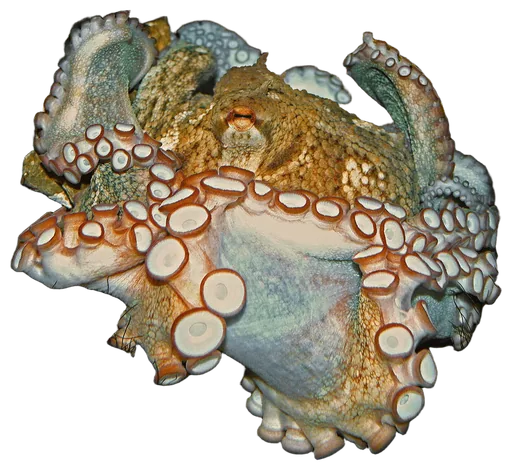 W vs SailfishWins · 51% · Toss-up
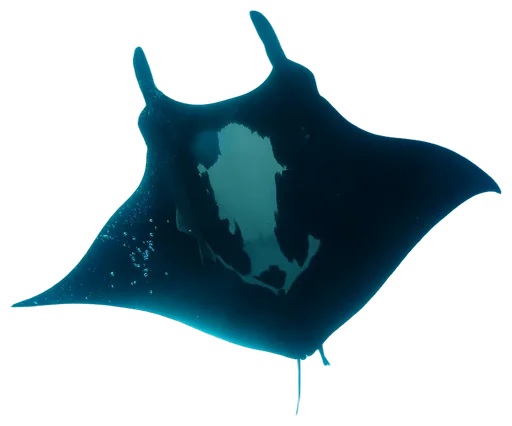
  W vs Manta RayLoses · 51% · Toss-up
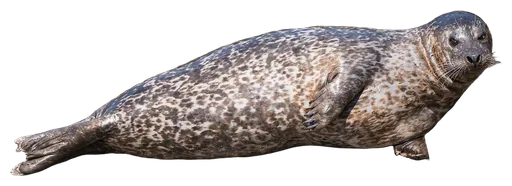
  L vs SealLoses · 51% · Toss-up
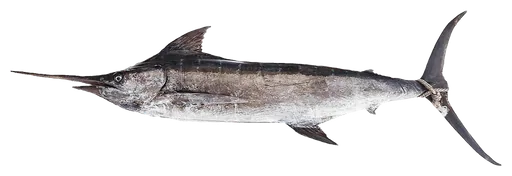
  L vs MarlinLoses · 52% · Toss-up
  L vs Sea OtterWins · 52% · Toss-up
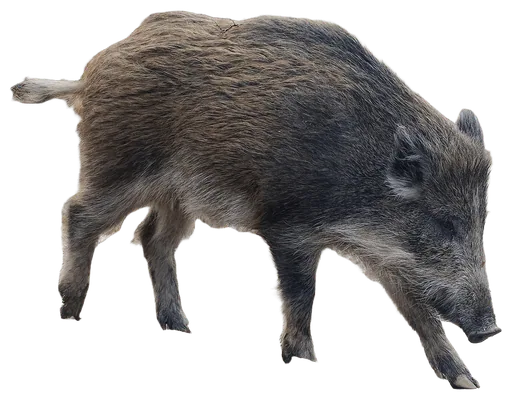
  W vs Wild BoarWins · 50% · Toss-up
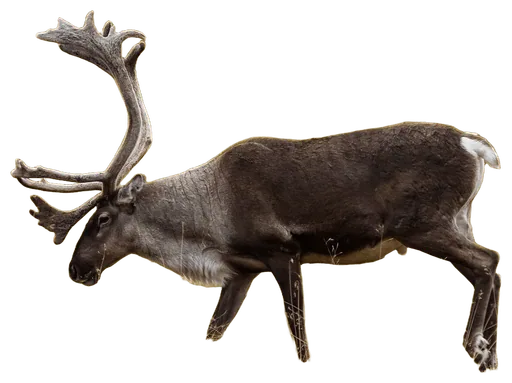
  W vs ReindeerLoses · 50% · Toss-up
  L
L  Pick any opponent
 Whale Shark battle analysis
The whale shark is a giant built for patience. A mature female stretches around 12 metres and weighs roughly 15 tonnes, yet she feeds on some of the smallest animals in the sea, cruising open-mouthed through plankton or hanging vertically to gulp fish eggs. Her hundreds of rows of tiny teeth are never used for eating; the real work is done by the filter pads behind them.
In a battle, that makes the whale shark a pure defender. Its skin is among the thickest of any animal, covered in denticles, and its eyes are armored with thousands of tiny tooth-like scales and can be pulled back into the head. A lone shark or seal-hunter would struggle to do more than scratch it. When things go badly, it can dive: tags show whale sharks plunging to around 2,000 metres, deeper than almost any opponent could follow.
What the whale shark cannot do is hurt anything on purpose. It has no bite, no spines and no fighting behavior, and it swims so slowly that a determined attacker can stay with it indefinitely. Orcas in the Gulf of California have learned exactly that, working together to open the soft pelvic region. Against a single predator the whale shark simply outlasts the attack; against a coordinated pack, its armor eventually runs out.
Habitat & range
Whale sharks live in tropical and warm-temperate seas worldwide, both far offshore and at predictable coastal feeding hotspots such as Ningaloo Reef, the Yucatán Peninsula, La Paz, Mozambique, the Philippines and the Arabian Gulf. They move between surface waters and the deep sea, occasionally diving to about 2,000 m.
Diet & hunting
The whale shark is a filter feeder. It eats plankton, krill, fish eggs, small schooling fish and squid, either by swimming slowly open-mouthed or by hanging vertically and sucking water in. It follows seasonal food pulses: coral spawning at Ningaloo, fish-spawn events around offshore platforms in Qatar and plankton blooms in the Gulf of California.
Social life
Whale sharks are solitary but gather in large numbers where food is concentrated. These aggregations are feeding gatherings, not social groups, and are often dominated by juvenile males.
Conservation
The whale shark is listed as Endangered on the IUCN Red List (Pierce and Norman 2016), with estimated declines of more than half over three generations in the Indo-Pacific, driven by fisheries, bycatch and ship strikes. The Atlantic subpopulation was assessed separately as Vulnerable. It is listed on the Convention on Migratory Species appendices.
Quick answers
How strong is a Whale Shark?
On the Animal Battle Stats scale, the Whale Shark has an attack rating of 48 and a power index of 61.7 out of 100, which ranks it #50 of 273 animals and puts it in B tier (Strong). Its strongest stat is stamina (88).
How much does a Whale Shark weigh?
A typical adult Whale Shark weighs about 15 t (16.5 US tons). Rated specimen: healthy mature adult female, 12.0 m total length and 15,000 kg, representing a large adult rather than the 18.8 m record animal.
How fast is a Whale Shark?
There is no reliable measured top speed for the Whale Shark, so we do not publish one. Its agility rating, which covers acceleration, reflexes and evasion, is 32 out of 100.
What does a Whale Shark eat?
The whale shark is a filter feeder. It eats plankton, krill, fish eggs, small schooling fish and squid, either by swimming slowly open-mouthed or by hanging vertically and sucking water in. It follows seasonal food pulses: coral spawning at Ningaloo, fish-spawn events around offshore platforms in Qatar and plankton blooms in the Gulf of California.
Is the Whale Shark endangered?
The Whale Shark's conservation status is Endangered. The whale shark is listed as Endangered on the IUCN Red List (Pierce and Norman 2016), with estimated declines of more than half over three generations in the Indo-Pacific, driven by fisheries, bycatch and ship strikes. The Atlantic subpopulation was assessed separately as Vulnerable. It is listed on the Convention on Migratory Species appendices.
What animals can beat a Whale Shark?
Among its closest rivals, the Manta Ray (51%), the Seal (51%), the Marlin (52%), the Reindeer (50%) would be favored against the Whale Shark. It would be favored against the Octopus, the Sailfish, the Sea Otter, the Wild Boar.
Researched 2026-09-28. Ratings are editorial judgments built from these sources; measurements describe a healthy adult female.
- Georgia Aquarium, Whale Sharks 101mass and length context
- Wikipedia, Whale sharkrecord length, weighed specimen, skin thickness
- FishBase, Rhincodon typusspecies maxima
- Meekan et al. 2020, Frontiers in Marine Science (asymptotic growth)sex-specific size
- Marine Megafauna Foundation, whale shark factsmale maturity
- Ong et al. 2020, Frontiers in Marine Science (bomb radiocarbon)lifespan
- AIMS media release on bomb-radiocarbon ageinglifespan corroboration
- WA Department of Primary Industries and Regional Development fact sheetlifespan, maturity
- Tomita et al. 2020, PLOS One, Armored eyes of the whale sharkeye denticles, eye retraction
- Smithsonian Magazine on eye denticleseye denticles summary
- Robinson et al. 2017, PLOS One, Some like it hotendurance, dive depth context
- Mongabay, longest recorded whale shark migrationendurance
- Coral Sea deep-dive record, MDPI 2025dive depth
- Cade et al. 2020, Journal of Experimental Biologyswimming effort
- Frontiers in Marine Science 2024, killer whales hunt whale sharkspredator vulnerability
- IUCN news, 2016 reassessmentconservation status
- CMS species pageconservation context
- Animal Diversity Web, Rhincodon typusfeeding anatomy
Photo: “Hiu Paus Teluk Saleh Sumbawa.jpg” by Egaryan Saadi, CC BY-SA 4.0, background removed and cropped. Original
Suggest a correction