

Wels Catfish
Silurus glanis
 #176 of 273
  Wetlands Ambush Predator Least Concern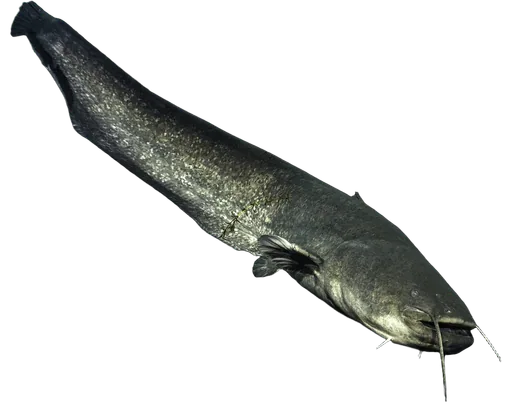
 Fight
FightPhoto: HalbsHännile · CC BY-SA 4.0
The wels catfish is Europe's giant river ambusher: a 1.6-metre, 22 kg night hunter that finds prey with electroreception and taste-covered skin, then engulfs it with a huge suction gulp. It even beaches itself to snatch pigeons, but its gripping teeth and scaleless skin leave it outmatched by armored or much larger opponents.
 Attack42
  Defense30
  Agility50
  Stamina55
  Intelligence57
  Special74
 Detailed ratings
Research-backed ratings on one 0–100 scale for all 273 animals (updated 2026-09-28). How ratings work
Special abilities
Ability 1Riverbank LungeWels in France have been filmed beaching themselves to grab pigeons at the water's edge and sliding back into the river, about 28% of attempts succeeding. In a matchup it can strike opponents that think they are safe in the shallows or on the bank.
 Ability 2Electric Barbel Radar
Ampullary electroreceptors detect the weak electric fields of other fish, while long barbels and skin covered in taste buds track chemical and touch cues. It can find and follow an opponent in total darkness or thick mud.
Unique traits
 TraitFreshwater Killer Whale
The pigeon-beaching behavior earned wels the nickname "freshwater killer whales" in the 2012 study that documented it.
TraitSalmon AmbusherA few wels in the River Garonne learned to wait in a fishway and caught about 35% of the adult salmon passing through in 2016.
How it fights
Weapons
- The wels catfish's weapon is its huge mouth. It attacks by sudden suction, engulfing prey and gripping it with pads of hundreds of small, inward-sloping teeth, then crushing it at the back of the mouth. The teeth grip rather than cut, so the wels swallows prey whole instead of slicing pieces off. It is an opportunist that eats fish, crayfish, amphibians, birds and small mammals.
- Two studies show how effective this can be. In the Tarn River in southern France, Cucherousset et al. (2012) filmed wels catfish deliberately beaching themselves on gravel banks to grab pigeons at the water's edge, a behavior they compared to killer whales stranding to catch seals. About 28% of the filmed attempts succeeded, and only moving pigeons were attacked. In the River Garonne, Boulêtreau et al. (2018) found that wels caught 35% (14 of 39) of the adult Atlantic salmon passing through one fishway during the 2016 migration, with a few specialized individuals timing their presence to the salmon run.
- The wels will also bite people. In June 2025 a wels about 2 m long and about 90 kg injured at least five swimmers at the Brombachsee lake in Bavaria before it was killed; another wels bit a swimmer there in July 2025. Fishing experts suggested the fish were near spawning grounds.
 Struggles vs
- No armor; scaleless skin.
- Teeth grip but cannot cut large prey.
- Slow in open pursuit.
- Stranding on land is short and risky.
- Weight
- 22 kg49 lb
- Height
- No reliable measurement
- Length
- 1.6 m5.2 ft
- Top speed
- No reliable measurement
- Bite force
- No reliable measurement
- Lifespan
- 25 years
- Home biome
- Wetlands
- Lifestyle
- Mostly solitary, nocturnal
Rated specimen: Healthy large adult, 22 kg and 160 cm long, sex unspecified, representing the upper end of the common adult size rather than the rare 2 m-plus giants.
Fun facts
- Wels catfish in France beach themselves to catch pigeons, succeeding in about 28% of filmed attempts.
- Scientists nicknamed them "freshwater killer whales".
- At one River Garonne fishway, wels caught 35% of the adult salmon passing through.
- Their skin is covered in taste buds, so they can taste with their whole body.
- They can sense the weak electric fields of other fish.
- FishBase accepts a maximum of 2.73 m and 130 kg; older claims of 5 m were errors.
Closest rivals by power. Tap one for the full breakdown, or pick any opponent.
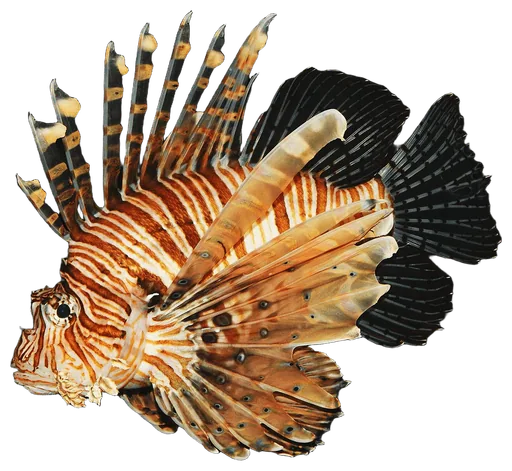
vs PiranhaLoses · 51% · Toss-up 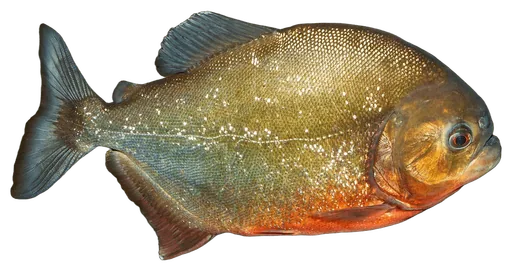 L vs LionfishWins · 52% · Toss-up
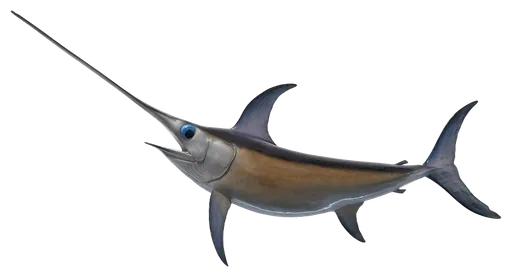
  W vs SwordfishLoses · 52% · Toss-up
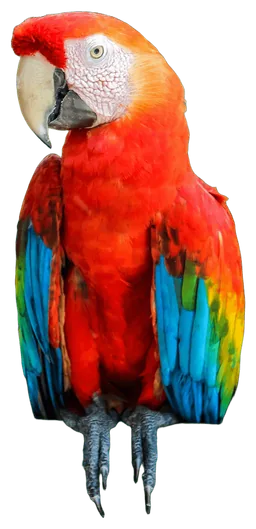
  L vs MacawWins · 50% · Toss-up
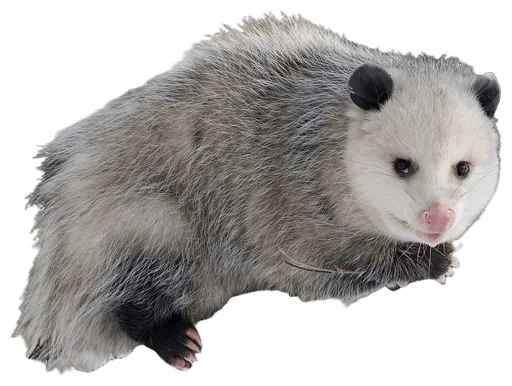
  W vs OpossumWins · 50% · Toss-up
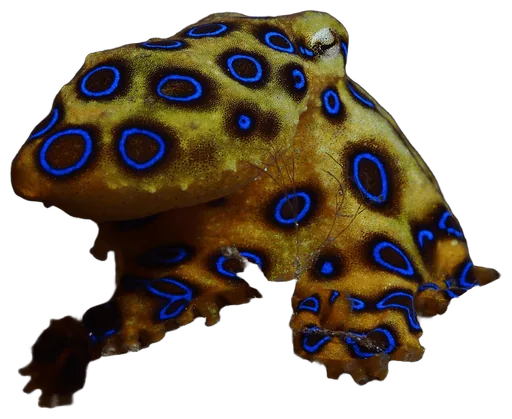
  W vs Blue-Ringed OctopusWins · 53% · Toss-up
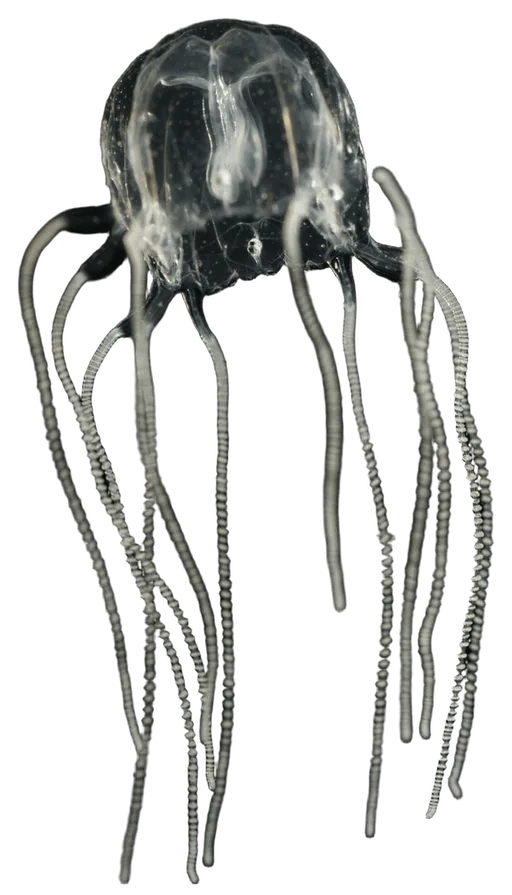
  W vs Box JellyfishWins · 53% · Toss-up
  W vs GooseWins · 50% · Toss-up
  W
W  Pick any opponent
 Wels Catfish battle analysis
The wels catfish hunts by feel, taste and electricity. It spends the day in deep holes and rises at dusk, sweeping the water with long barbels. Its skin is covered in taste buds, its lateral line senses movement, and electroreceptive organs pick up the faint electric fields of other fish. In the dark, murky water where it lives, that sensory package lets it find prey that cannot see it coming.
Its attack is a gulp. The mouth is enormous, and when it opens suddenly, water and prey rush in to meet pads of hundreds of small, backward-pointing teeth. Wels have learned to use that attack in surprising ways. On the Tarn River in France, researchers filmed catfish sliding up onto gravel banks to grab pigeons before wriggling back into the water. On the Garonne, a few wels learned to wait in a fishway and caught about a third of the adult salmon passing through.
In a battle, the wels is dangerous at the water's edge and in the dark, and almost anything small enough to swallow is at risk. Its limits are just as clear: it has no scales or armor, its teeth grip rather than cut, and it is slow in open water. Against a crocodile, a large shark or a heavily armored turtle, the wels would lose.
Habitat & range
The wels catfish lives in large rivers, lakes and reservoirs of central and eastern Europe and western Asia, preferring warm, slow or still water with deep holes and cover. It has been introduced widely in western Europe, including the Ebro and Guadalquivir in Spain (the Ebro from 1974) and the Rhône, Garonne and Tarn in France, where it is now a major predator.
Diet & hunting
Juveniles eat invertebrates, small fish and detritus; adults eat fish, crayfish, amphibians, birds, small mammals and other available prey. Wels exploit seasonal food pulses such as migrating shad and salmon. In invaded rivers they are an apex predator and a conservation concern for native fish.
Social life
Solitary for most of the year. Adults spend the day in deep water or cover and become active at dusk.
Conservation
The wels catfish is listed as Least Concern on the IUCN Red List, although some native populations have declined through overfishing and habitat change. Outside its native range it is an invasive species of concern, threatening salmon, shad and other native fish.
Quick answers
How strong is a Wels Catfish?
On the Animal Battle Stats scale, the Wels Catfish has an attack rating of 42 and a power index of 46.4 out of 100, which ranks it #176 of 273 animals and puts it in C tier (Capable). Its strongest stat is special (74).
How much does a Wels Catfish weigh?
A typical adult Wels Catfish weighs about 22 kg (49 lb). Rated specimen: healthy large adult, 22 kg and 160 cm long, sex unspecified, representing the upper end of the common adult size rather than the rare 2 m-plus giants.
How fast is a Wels Catfish?
There is no reliable measured top speed for the Wels Catfish, so we do not publish one. Its agility rating, which covers acceleration, reflexes and evasion, is 50 out of 100.
What does a Wels Catfish eat?
Juveniles eat invertebrates, small fish and detritus; adults eat fish, crayfish, amphibians, birds, small mammals and other available prey. Wels exploit seasonal food pulses such as migrating shad and salmon. In invaded rivers they are an apex predator and a conservation concern for native fish.
Is the Wels Catfish endangered?
No. The Wels Catfish is listed as Least Concern. The wels catfish is listed as Least Concern on the IUCN Red List, although some native populations have declined through overfishing and habitat change. Outside its native range it is an invasive species of concern, threatening salmon, shad and other native fish.
What animals can beat a Wels Catfish?
Among its closest rivals, the Piranha (51%), the Swordfish (52%) would be favored against the Wels Catfish. It would be favored against the Lionfish, the Macaw, the Opossum, the Blue-Ringed Octopus, the Box Jellyfish, the Goose.
Researched 2026-09-28. Ratings are editorial judgments built from these sources; measurements describe a healthy adult.
- FishBase, Silurus glanisverified maximum size
- Wikipedia, Wels catfishtypical size and mass, spread
- Cucherousset et al. 2012, PLOS One, Freshwater killer whalesbeaching attacks on pigeons
- PubMed record of Cucherousset et al. 2012same study
- Boulêtreau et al. 2018, PLOS One, Adult Atlantic salmon have a new freshwater predatorsalmon predation, specialized individuals
- Cucherousset et al. 2018, review of European catfish ecology and behaviourecology and behavior
- Electroreceptive properties of Silurus glanis, Experientiaelectroreception
- Wozu dienen die Elektrorezeptoren der Welse?, Journal of Comparative Physiology Aelectroreceptor function
- Maiditsch and Ladich 2014, auditory sensitivity of carp vs wels (PMC)hearing
- Movement and activity of non-native wels, MDPI Fishesactivity patterns
- Seasonal and daily movement of wels at the northern fringe of its rangemovement distance, cold activity
- Animal Diversity Web, Silurus glanisteeth, suction feeding, lifespan
- Wikipedia, 2025 wels catfish attacks in the Brombachseeaggression toward people
- DIVERNET, German police officer shoots giant catfishBrombachsee corroboration
- Estación Biológica de Doñana (CSIC), wels in the lower Guadalquivirinvasive range
- National Geographic, pigeon-eating catfish in Europeinvasive impact
- GB Non-native Species Secretariat risk assessmentinvasive status, biology
- USGS Nonindigenous Aquatic Species profilebiology and status summary
Photo: “Freischwimmender Wels (cropped).jpg” by HalbsHännile, CC BY-SA 4.0, background removed and cropped. Original
Suggest a correction