

Water Buffalo
Bubalus arnee
 #33 of 273
  Wetlands Tank Endangered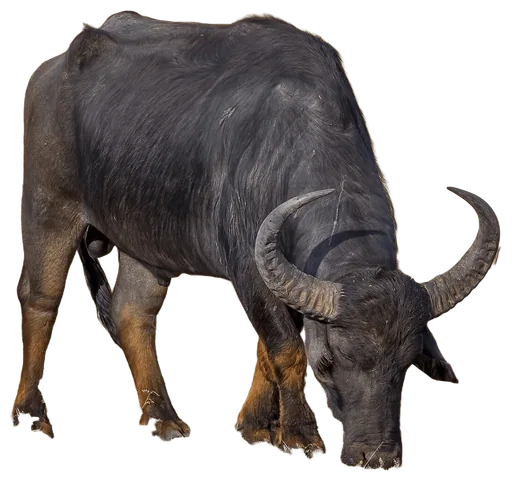
 Fight
FightPhoto: Charles J. Sharp · CC BY-SA 4.0
The wild water buffalo is a heavy, wetland-dwelling Asian bovid armed with the widest-spreading horns of any living bovid. Bulls near a tonne charge readily, hook with crescent horns and hold their ground against tigers, and the species is most dangerous in the mud and water where it lives.
 Attack77
  Defense71
  Agility51
  Stamina68
  Intelligence55
  Special56
 Detailed ratings
Research-backed ratings on one 0–100 scale for all 273 animals (updated 2026-09-28). How ratings work
Special abilities
Ability 1Crescent Horn HookThe widest-spreading horns of any bovid, heavy at the base, swung sideways and upward in a mass-backed charge to hook and toss attackers.
 Ability 2Wallow and Swim
Spends long periods in water and mud and swims readily, letting it fight on wetland ground where many heavy land animals lose footing.
Unique traits
 TraitRecord Horn Spread
Horns in both sexes can span about 2 m along the outer edges, with a record horn just under 2 m long.
TraitWild Stock of a Working GiantThe domestic water buffalo, one of Asia's key farm animals, was bred from this wild species; hybridisation with domestic buffalo now threatens the wild form.
How it fights
Weapons
- The wild buffalo's offense is a mass-backed charge with the head lowered and the horns swung to hook and toss. Because the horns sweep sideways and backward rather than forward, the most dangerous surfaces are the heavy horn bases and the curved outer sections, used in sideways hooks and upward tosses. Body checks, shoving and trampling add damage. The sheer width of the horns also makes a frontal approach awkward for a predator.
 Struggles vs
- No true armor; flanks, hindquarters and belly are exposed.
- Backward-swept horns are less of a forward goring tool than hooked or straight horns.
- Heat and water dependence limit exertion on dry ground.
- No measured speed; heavy frame limits agility.
- Tigers can kill adults, especially lone animals.
- Weight
- 900 kg1,984 lb
- Height
- 1.7 m5.6 ft
- Length
- 2.7 m8.9 ft
- Top speed
- No reliable measurement
- Bite force
- No reliable measurement
- Lifespan
- No reliable measurement
- Home biome
- Wetlands
- Lifestyle
- Social
Rated specimen: Healthy mature adult male (bull) of about 900 kg and 170 cm shoulder height, with full-grown horns.
Fun facts
- Wild water buffalo have the widest horn spread of any bovid, up to about 2 m along the outer edges.
- About 91% of the world's wild water buffalo live in India, mostly in Assam.
- Kaziranga holds both the world's highest tiger density and the largest wild buffalo population.
- Tigers are occasionally killed by water buffalo.
- Both bulls and cows carry horns.
- The world's domestic water buffalo were bred from this wild species.
Closest rivals by power. Tap one for the full breakdown, or pick any opponent.
vs BisonLoses · 51% · Toss-up  L vs Cape BuffaloLoses · 51% · Toss-up
  L vs GiraffeWins · 51% · Toss-up
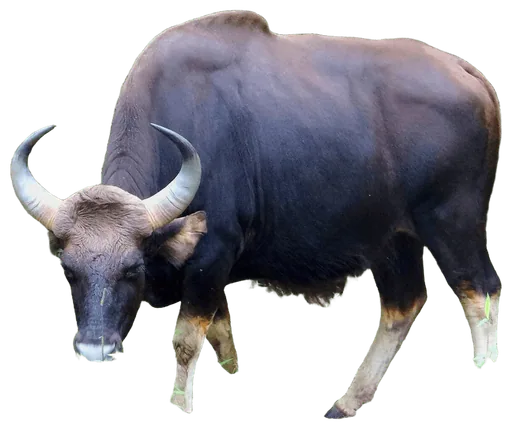
  W vs GaurLoses · 51% · Toss-up
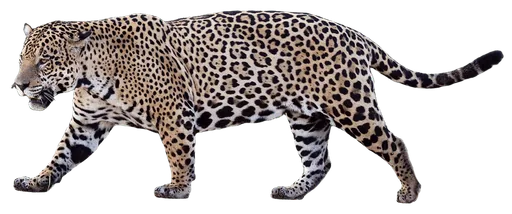
  L vs JaguarWins · 52% · Toss-up
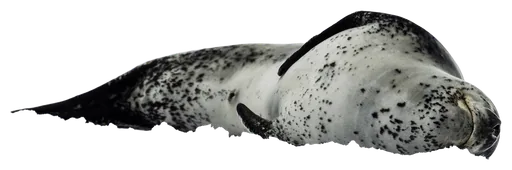
  W vs Leopard SealLoses · 52% · Toss-up
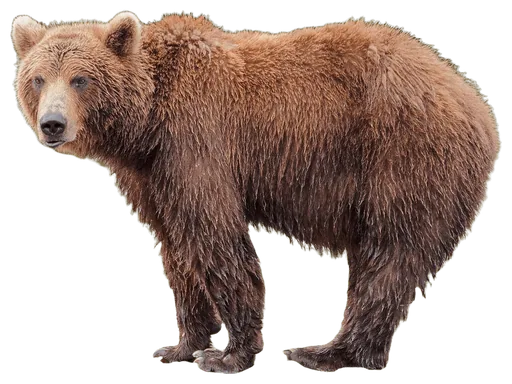
  L vs Grizzly BearWins · 53% · Toss-up
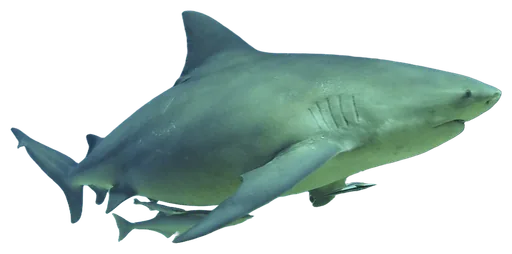
  W vs Bull SharkLoses · 51% · Toss-up
  L
L  Pick any opponent
 Water Buffalo battle analysis
A wild water buffalo bull is built for the floodplain. Standing around 1.7 m at the shoulder and weighing close to a tonne, it spends much of its day wallowing in mud and water, grazing reeds and grasses along rivers and swamps. Its horns are its signature: thick at the base and sweeping out and back in a vast crescent, they can reach about 2 m along the outer edge, more than any other living bovid.
In a fight the buffalo relies on mass, horns and temper. Bulls are reported to be more aggressive than cows and sometimes attack without provocation, while cows with calves confront tigers directly. The backward sweep of the horns means the buffalo hooks and tosses rather than stabbing forward, but a charge from a 900 kg animal can break bones regardless. Tigers do kill buffalo, including adults, and a classic study documented in detail how they seize the throat or nape, yet tigers are occasionally killed in return.
The wild buffalo is now Endangered, with only a few thousand left, most of them in Assam. Domestic buffalo bred from it far outnumber the wild form and are one of Asia's key farm animals, and hybridisation with them is a direct threat to the wild form. For ABS purposes the wild buffalo sits alongside the Cape Buffalo and Bison: similar in raw power and attack, less agile than Bison, and with a real terrain advantage in wetlands that neither of the others has.
Habitat & range
Wild water buffalo live in floodplain grasslands, marshes, swamps and riverine forest. The species survives in India, Nepal, Bhutan, Thailand, Cambodia and Myanmar, with the great majority in Assam, especially Kaziranga National Park. Its former range was far wider across South and Southeast Asia.
Diet & hunting
They graze grasses, reeds and sedges and eat aquatic and floodplain vegetation. Wallowing and grazing shape wetland vegetation, and buffalo are an important large prey for tigers where the two occur together.
Social life
Cows and young form herds that bunch and face threats together; bulls live in small bachelor groups or alone and join herds to breed. Cows with calves are strongly defensive.
Conservation
Endangered on the IUCN Red List, a status held since 1986, with fewer than 4,000 mature individuals. The global population has been estimated at about 3,400, of which about 3,100 (91%) live in India, mostly in Assam. Threats are habitat loss and degradation, hunting, disease from livestock and hybridisation with domestic buffalo.
Quick answers
How strong is a Water Buffalo?
On the Animal Battle Stats scale, the Water Buffalo has an attack rating of 77 and a power index of 66.4 out of 100, which ranks it #33 of 273 animals and puts it in A tier (Elite). Its strongest stat is attack (77).
How much does a Water Buffalo weigh?
A typical adult Water Buffalo weighs about 900 kg (1,984 lb). Rated specimen: healthy mature adult male (bull) of about 900 kg and 170 cm shoulder height, with full-grown horns.
How fast is a Water Buffalo?
There is no reliable measured top speed for the Water Buffalo, so we do not publish one. Its agility rating, which covers acceleration, reflexes and evasion, is 51 out of 100.
What does a Water Buffalo eat?
They graze grasses, reeds and sedges and eat aquatic and floodplain vegetation. Wallowing and grazing shape wetland vegetation, and buffalo are an important large prey for tigers where the two occur together.
Is the Water Buffalo endangered?
The Water Buffalo's conservation status is Endangered. Endangered on the IUCN Red List, a status held since 1986, with fewer than 4,000 mature individuals. The global population has been estimated at about 3,400, of which about 3,100 (91%) live in India, mostly in Assam. Threats are habitat loss and degradation, hunting, disease from livestock and hybridisation with domestic buffalo.
What animals can beat a Water Buffalo?
Among its closest rivals, the Bison (51%), the Cape Buffalo (51%), the Gaur (51%), the Leopard Seal (52%), the Bull Shark (51%) would be favored against the Water Buffalo. It would be favored against the Giraffe, the Jaguar, the Grizzly Bear.
Researched 2026-09-28. Ratings are editorial judgments built from these sources; measurements describe a healthy adult male.
- Wikipedia, Wild water buffalomass, height, length, status, range, threats
- Ultimate Ungulate, Bubalus arneehorns
- iNaturalist, Bubalus arneetaxonomy, image lead
- India Biodiversity Portal, Bubalus arneetaxonomy, India distribution
- Mammals of India, Bubalus arneeIndia distribution
- Thai National Parks, wild water buffaloThai range
- Wild buffalo mitogenome, bioRxivhybridisation
- Animal Diversity Web, Bubalus bubalisdomestic form
- Britannica, water buffalodomestic form, human use
- Kaziranga National Park site, Asiatic water buffaloaggression, calf defense
- Wikipedia, Fauna of Kaziranga National Parktiger and buffalo densities
- San Diego Zoo tiger fact sheet (IELC)tiger risk
- Seidensticker & McDougal 1993, tiger predatory behaviour (Smithsonian repository)tiger kill sequence
Photo: “Asian water buffalo (Bubalus bubalis) Yala.jpg” by Charles J. Sharp, CC BY-SA 4.0, background removed and cropped. Original
Suggest a correction