
Walrus
Odobenus rosmarusA tier · Elite10th of 51 sea creatures
Size & speed

- Weight
- 1.2 t1.3 US tons
- Length
- 3 m9.8 ft
- Top speed
- 35 km/h22 mph
As heavy as 17 people
Heavier than 94% of animals1.7× a person's height
Bigger than 85% of animalsFaster than most people can sprint
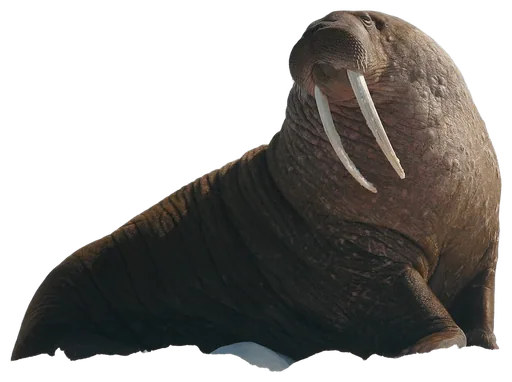
Faster than 39% of animalsThe walrus is a 1.2-tonne Arctic giant armed with ivory tusks up to a metre long, protected by skin up to 10 cm thick and blubber, and equipped with a carpet of super-sensitive whiskers. Slow on land but dangerous in water, it can fatally wound a polar bear, though herds usually flee from danger.
Detailed ratings
Research-backed ratings on one 0–100 scale for all 344 animals (updated 2026-09-28). How ratings work


Card No. 30 of 344. Every animal on Animal Battle Stats has one: its power, tier and archetype on the front; its six battle stats, abilities and signature move on the back.
Special abilities
Tusks up to about 1 m, driven down by more than a tonne of body, stab rivals and predators; walruses have fatally injured polar bears in the water.
A vaulted palate and piston-like tongue produce mouth pressures as low as −118.8 kPa underwater, enough to suck clams from their shells and a 2.3 kg plug out of a pool floor.
Unique traits
400–700 stiff, nerve-rich whiskers up to 30 cm long can tell apart shapes just 3 mm thick in dark, murky water.
Walruses haul themselves onto ice with their tusks, and bulls carry neck and shoulder skin up to 10 cm thick that shields them from tusk jabs.
How it fights
Weapons
- The walrus's weapons are its tusks, driven downward by a massive neck and a body of more than a tonne. Bulls threaten by raising and turning their heads to show their tusks; when tusks are matched, they fight and stab each other, causing bruises, punctures and lacerations on the neck and shoulders. SeaWorld notes that many males die each year from injuries received in breeding-season fights. Against predators, adults use the tusks as weapons: walruses have fatally injured polar bears that followed them into the water, and are believed to have fought off orcas. Walruses occasionally kill and eat seals, including bearded seals of up to about 200 kg, and rarely seabirds. The weakness is delivery: the tusks strike mainly downward and forward, and on land the walrus is slow and heavy.
Struggles vs
- Slow and clumsy on land; charges are short.
- Tusks mainly strike downward, with limited reach to the sides.
- Short dives compared with deep-diving seals.
- Herds panic into stampedes that crush calves and small animals.
- Calves and injured adults are vulnerable to orcas and bears.
- Weight
- 1.2 t1.3 US tons
- Height
- No reliable measurement
- Length
- 3 m9.8 ft
- Top speed
- 35 km/h22 mph
- Bite force
- No reliable measurement
- Lifespan
- 30 years
- Home biome
- Arctic
- Lifestyle
- Social
Rated specimen: Healthy adult bull of about 1,200 kg and 300 cm long, with tusks of about 50–70 cm.
Fun facts
- The name Odobenus means "tooth-walker", after walruses using their tusks to pull themselves out of the water.
- A walrus can suck the meat out of a clam and even sucked a 2.3 kg metal plug out of a pool floor.
- Its whiskers can tell apart objects only 3 mm thick.
- A bull's hide can make up about 20% of its body weight.
- Walruses sleep floating upright by inflating air sacs in their throats.
- Walruses show a preference for the right flipper when digging for food.
Closest rivals by power. Tap one for the full breakdown, or pick any opponent.
vs Oceanic Whitetip SharkWins · 62% · Slight edge 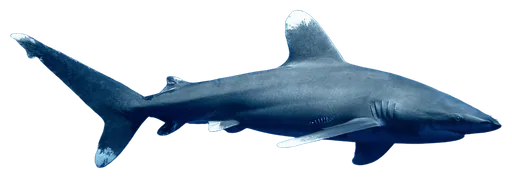 W vs SawfishWins · 59% · Slight edge
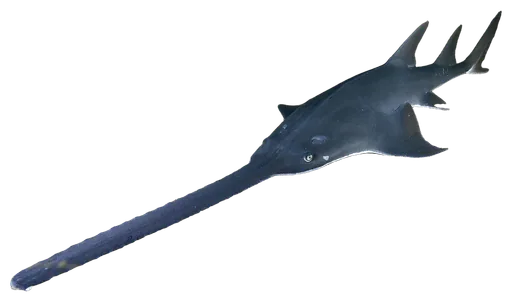 W vs NarwhalWins · 51% · Toss-up
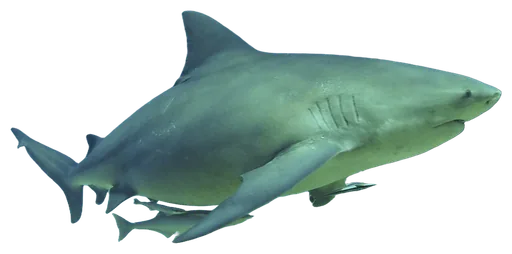
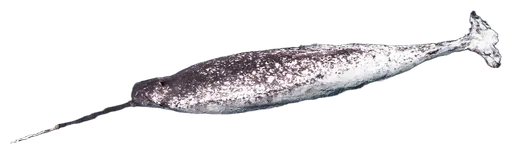 W vs Bull SharkWins · 65% · Slight edge
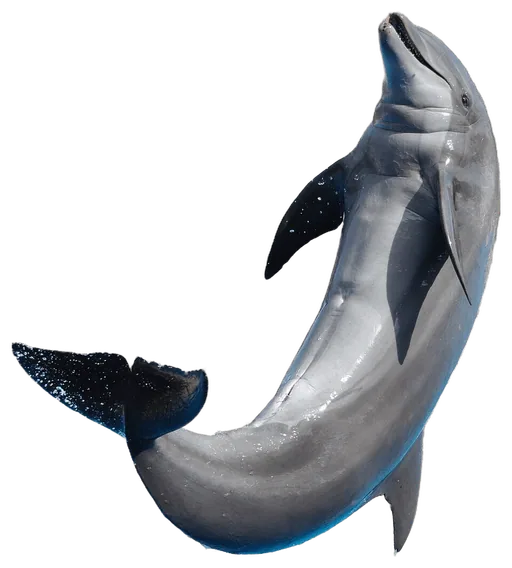
 W vs Bottlenose DolphinWins · 57% · Toss-up
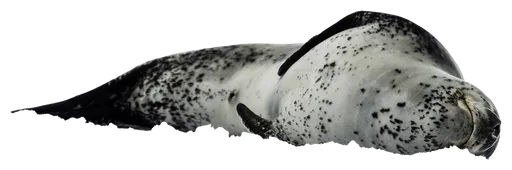
 W vs Leopard SealWins · 56% · Toss-up
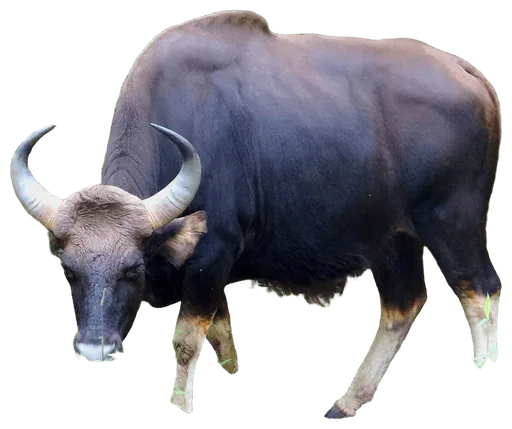
 W vs GaurWins · 52% · Toss-up
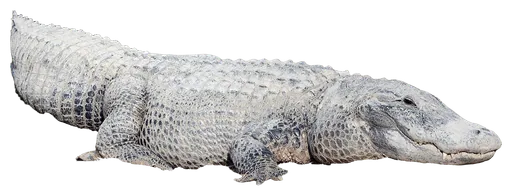
 W vs AlligatorWins · 61% · Slight edge
 W
Walrus battle analysis
A walrus bull is a mountain of wrinkled brown skin: around 1,200 kg, three metres long, with a broad whiskered muzzle and two ivory tusks that can reach a metre. Its hide alone makes up about a fifth of its weight, and on the neck and shoulders it thickens to 10 cm, a shield against the tusks of rival bulls that fight for mates every breeding season and leave each other scarred and sometimes dying.
Most of its life, though, is spent feeding. A walrus dives to the seabed, rests its tusks on the mud like sledge runners, sweeps the bottom with hundreds of sensitive whiskers, blasts sediment away with jets of water or strokes of a flipper, and sucks clams out of their shells with suction strong enough to pull a metal plug from a pool floor. Between feeding trips it hauls out on ice floes or beaches in herds of thousands, levering itself up with its tusks.
On the ABS scale the walrus is a heavy tank with a genuinely dangerous weapon. Polar bears prefer to stampede herds and pick off the crushed and weak, because a healthy adult walrus in the water can kill a bear. Its Defense and Raw Power rank among the roster's large marine mammals, but its slowness on land, short reach and tendency to flee keep its Attack and Agility well below the elite predators.
Habitat & range
Arctic and sub-Arctic seas around the North Pole. The Pacific walrus lives in the Bering and Chukchi Seas, summering north of the Bering Strait around Wrangel Island and the coasts of Siberia and Alaska. The Atlantic walrus ranges from the Canadian Arctic across Greenland, Svalbard and the Barents and Kara Seas. It uses shallow continental shelf waters close to sea ice or coasts where it can haul out.
Diet & hunting
A benthic forager on more than 60 genera of marine animals, mainly clams, plus snails, worms, crabs, shrimp, sea cucumbers and slow fish, occasionally seals and seabirds. It locates prey with its whiskers, clears sediment with water jets and flipper strokes, and sucks the soft parts out of shells. Feeding on the seabed stirs large areas of sediment.
Social life
Gregarious, forming herds of hundreds to thousands on ice floes and beaches. Hierarchies depend on age, body size and tusk length, and the strongest bulls with the largest tusks dominate.
Conservation
Vulnerable on the IUCN Red List (2016). Commercial hunting in the 18th–20th centuries cut populations severely; the Pacific population was estimated at about 129,000 in 2006. The main modern threat is loss of summer sea ice, which forces walruses onto crowded coastal haul-outs where disturbance-caused stampedes can kill hundreds to thousands in a year. Indigenous subsistence hunting continues under management.
Quick answers
How strong is a Walrus?
On the Animal Battle Stats scale, the Walrus has an attack rating of 67 and a power index of 67.6 out of 100, which ranks it #30 of 344 animals and puts it in A tier (Elite). Its strongest stat is stamina (80).
How much does a Walrus weigh?
A typical adult Walrus weighs about 1.2 t (1.3 US tons). Rated specimen: healthy adult bull of about 1,200 kg and 300 cm long, with tusks of about 50–70 cm.
How fast is a Walrus?
The Walrus's top speed is about 35 km/h (22 mph). Its agility rating is 43 out of 100.
What does a Walrus eat?
A benthic forager on more than 60 genera of marine animals, mainly clams, plus snails, worms, crabs, shrimp, sea cucumbers and slow fish, occasionally seals and seabirds. It locates prey with its whiskers, clears sediment with water jets and flipper strokes, and sucks the soft parts out of shells. Feeding on the seabed stirs large areas of sediment.
Is the Walrus endangered?
The Walrus's conservation status is Vulnerable. Vulnerable on the IUCN Red List (2016). Commercial hunting in the 18th–20th centuries cut populations severely; the Pacific population was estimated at about 129,000 in 2006. The main modern threat is loss of summer sea ice, which forces walruses onto crowded coastal haul-outs where disturbance-caused stampedes can kill hundreds to thousands in a year. Indigenous subsistence hunting continues unde
What animals can beat a Walrus?
The Walrus is favored against all of its closest rivals, including the Oceanic Whitetip Shark, the Sawfish, the Narwhal, the Bull Shark, the Bottlenose Dolphin, the Leopard Seal, the Gaur, the Alligator.
Researched 2026-09-28. Ratings are editorial judgments built from these sources; measurements describe a healthy adult male.
- Wikipedia, Walrusmass, tusks, skin, vibrissae, suction, diving, predators, status
- Animal Diversity Web, Odobenus rosmarusmass, length, tusks, skin, lifespan, diving, food intake
- Alaska Department of Fish and Game, Walrustusk use, fighting, reproduction, predators
- SeaWorld, Walrus characteristicssize, tusks, skin
- SeaWorld, Walrus adaptationsswimming, diving, blubber
- SeaWorld, Walrus behaviorfighting
- SeaWorld, Walrus longevity and causes of deathpredators, fight mortality, lifespan
- Levermann et al. 2003, BMC Ecologyfeeding behavior
- McClain et al. 2015, PeerJmaximum verified size
- MacCracken 2012, Ecology and Evolutionstampedes, predation, sea ice
- Pinniped whisker control study, J. Comp. Physiol. A 2020whisker use
- National Geographic, Walrustusk use, size
- Greenland Norse walrus exploitation, Science Advances 2024human interaction
Photo: “Pacific Walrus - Bull (8247646168).jpg” by Joel Garlich-Miller, U.S. Fish and Wildlife Service, Public domain, background removed and cropped. Original
Suggest a correction