
Vulture
Gyps fulvusC tier · Capable26th of 55 birds
Size & speed

- Weight
- 8 kg18 lb
- Length
- 1.05 m3.4 ft
- Top speed
- 68 km/h42 mph
As heavy as 1.8 house cats
Heavier than 44% of animalsAbout 3.5 rulers long
Bigger than 48% of animals1.5× Usain Bolt's top speed
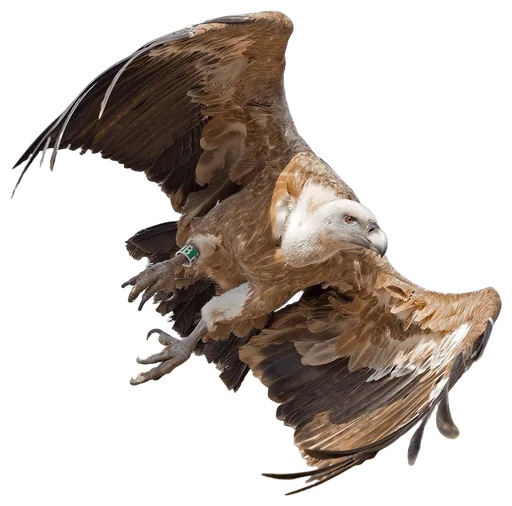
Faster than 86% of animalsThe griffon vulture is a big 8 kg scavenger with a 2.6 m wingspan that soars for hours at almost no energy cost while scanning thousands of square kilometres for carcasses. It has a strong tearing beak and an acid gut, but its weak feet and light, unarmored body make it a poor fighter against anything healthy.
Detailed ratings
Research-backed ratings on one 0–100 scale for all 344 animals (updated 2026-09-28). How ratings work


Card No. 208 of 344. Every animal on Animal Battle Stats has one: its power, tier and archetype on the front; its six battle stats, abilities and signature move on the back.
Special abilities
Soaring flight costs about 1.43 times resting metabolism and lets a griffon search foraging ranges of around 10,000 km² with almost no flapping; it wins long searching or waiting contests, not short fights.
A vulture lowering its legs to land signals a find to others, and a crowd of about 30 can strip a sheep in half an hour; a group arrival quickly overwhelms smaller scavengers at food.
Unique traits
A digestive tract with a pH of about 1–1.5 and a protective gut microbiota let it eat decaying carcasses that would sicken most animals.
The bare head and neck stay clean inside carcasses and act as radiators; posture changes raise bare-skin exposure from about 7% to 32%.
How it fights
Weapons
- The griffon is a scavenger, not a hunter. Its one real weapon is a heavy hooked beak made for ripping open carcasses, backed by strong neck muscles for pulling tissue. Its feet are suited to walking on the ground rather than catching prey, so it cannot grip and kill like an eagle. It "does not normally attack larger living prey", but Spanish griffons have been reported killing weak, young or sick animals when carrion was scarce. In Catalonia, 683 farmer complaints of "vulture attacks" were logged from 1996 to 2020, 80% during the birthing season and mostly involving cattle, which points to newborn or birthing livestock rather than healthy adults.
Struggles vs
- Weak, walking feet; no killing grip.
- Expensive, slow take-off and poor performance in weak thermals, cloud or rain.
- Light, unarmored body on the full-roster scale.
- Blind spot in the direction of travel when foraging.
- Low willingness to fight healthy animals.
- Weight
- 8 kg18 lb
- Height
- No reliable measurement
- Length
- 1.05 m3.4 ft
- Top speed
- 68 km/h42 mph
- Bite force
- No reliable measurement
- Lifespan
- 41.4 years
- Home biome
- Savanna
- Lifestyle
- Social
Rated specimen: Healthy adult of about 8.0 kg, 105 cm long, with a 2.6 m wingspan.
Fun facts
- A griffon in soaring flight uses only about 1.4 times its resting energy.
- Heart rate triples at take-off but drops back near resting levels within 10 minutes of soaring.
- About 30 griffons can finish a sheep carcass in half an hour.
- Their gut acid has a pH of about 1–1.5.
- When foraging, a griffon is often blind straight ahead, which is why it hits wind turbines.
- Spain holds more than 90% of Europe's griffon vultures.
Closest rivals by power. Tap one for the full breakdown, or pick any opponent.
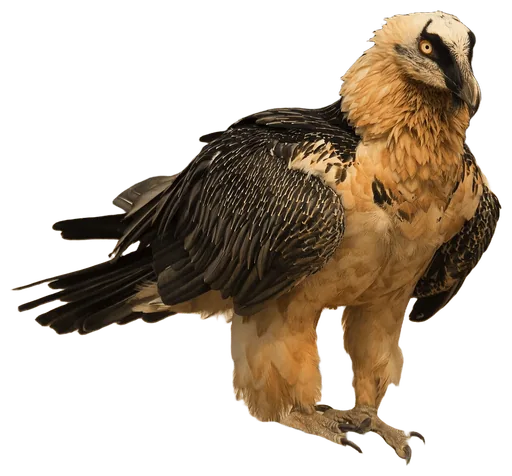
vs PelicanDraw · 50-50 · Dead even 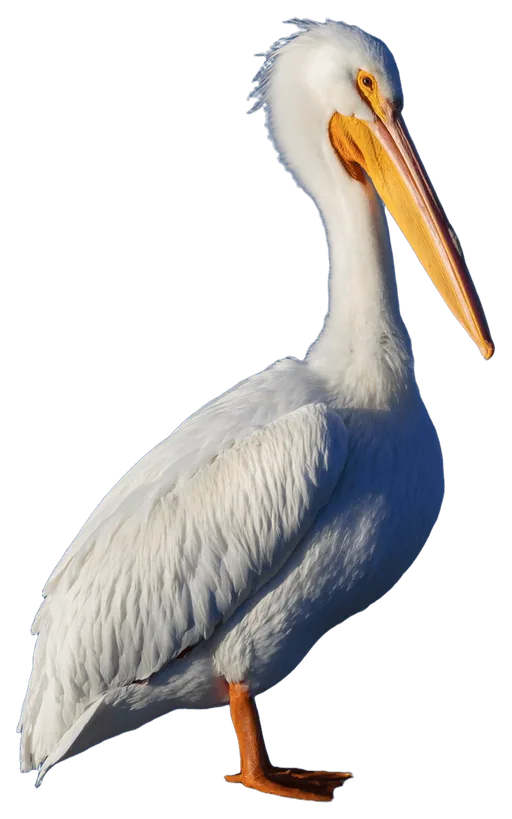 D vs Bearded VultureWins · 51% · Toss-up
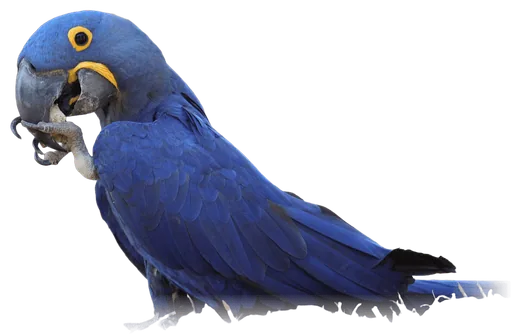
 W vs Hyacinth MacawWins · 62% · Slight edge
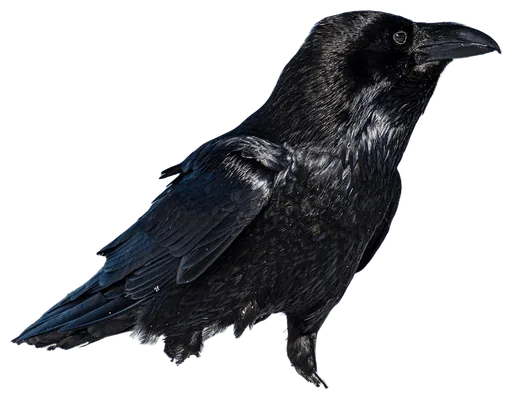
 W vs RavenWins · 59% · Slight edge
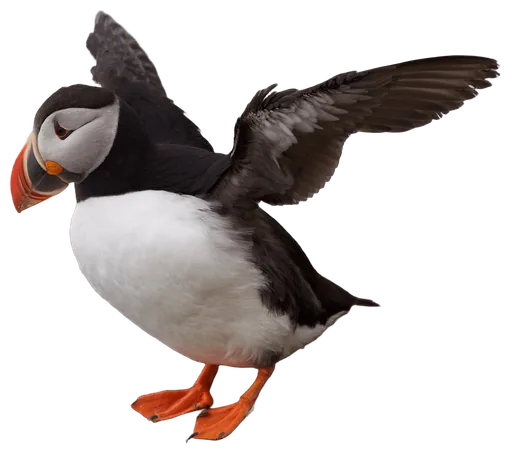
 W vs PuffinWins · 67% · Slight edge
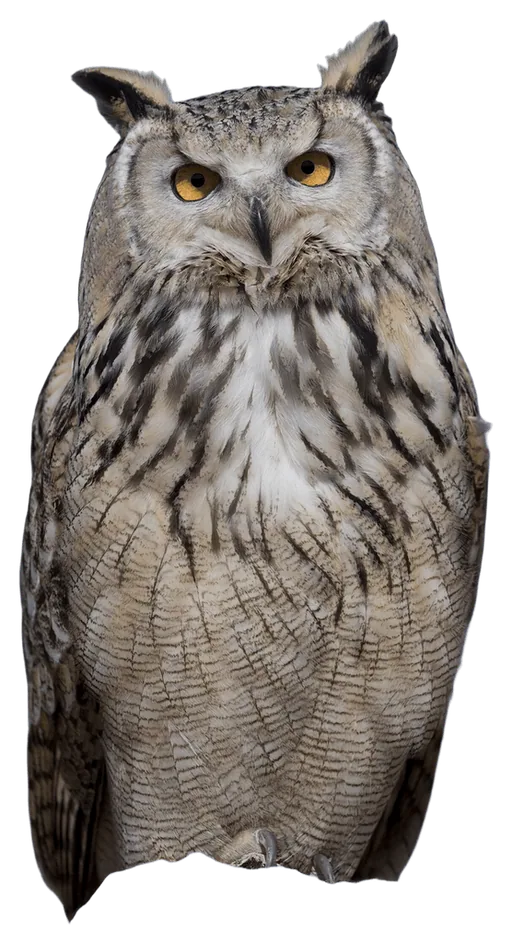
 W vs Great Horned OwlWins · 57% · Toss-up
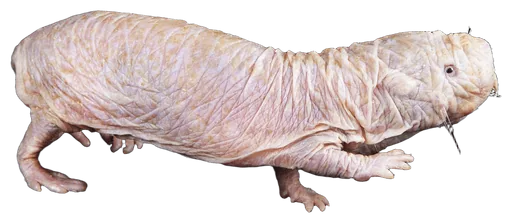
 W vs Naked Mole RatWins · 76% · Clear edge
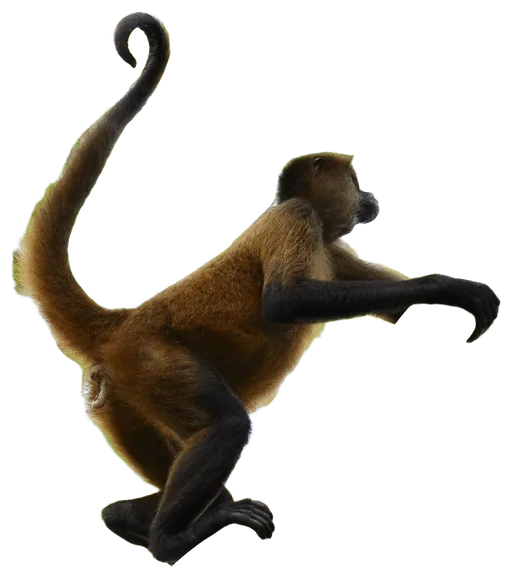
 W vs Spider MonkeyWins · 51% · Toss-up
 W
Vulture battle analysis
The griffon vulture is built around soaring. With broad wings spanning up to 2.8 m and a body of about 8 kg, it rides thermals over mountains and plains at barely more than its resting metabolic rate, covering foraging ranges of around 10,000 km² from its cliff colonies. Take-off is the hard part: a triple-speed heartbeat and heavy flapping lift it into the first thermal, after which it can glide between updrafts at close to 19 m/s.
Its tools are those of a carcass specialist. A heavy hooked beak rips open hides, the bare head and neck stay clean inside the body cavity, and an extremely acidic gut handles decaying meat. Griffons find food by sight and by watching each other, and a feeding crowd strips a carcass in minutes, with older adults bullying their way to the best places. Occasionally, when food is short, griffons have attacked newborn or weakened livestock.
In a fight, the griffon is outclassed by almost any predator of similar size. It cannot grip or kill with its feet, it is slow to get airborne, and its body offers no armor. Its ABS profile therefore stays low in Attack and Defense while scoring high in Stamina and Special, reflecting an animal that wins by outlasting and out-searching rivals, not by overpowering them.
Habitat & range
Resident in the Iberian Peninsula, the eastern Atlas Mountains, the eastern Alps and Balkans, Anatolia, the Caucasus, parts of Arabia and the Iranian plateau, and east to the Tian Shan and Altai Mountains. It breeds on crags and cliffs and forages over open landscapes of scrub, grassland and small woods where carcasses can be spotted. Spain held an estimated 30,946 breeding pairs in 2018; Crete has the largest island population.
Diet & hunting
An obligate scavenger of large carcasses, historically wild ungulates and now largely livestock. Birds eat from the mouth and anus inward, and food at supplementary feeding stations is preferred when natural food is scarce or flight conditions are poor. Mean foraging radius on Crete was about 15 km, with livestock carrion up to 9 km from a colony used with little competition. Carcass removal is an important ecosystem service that reduces disease transmission.
Social life
Highly social. Birds nest in loose colonies, roost together and forage in mixed-age groups, following one another to food. At carcasses older adults dominate younger birds.
Conservation
Least Concern on the IUCN Red List (BirdLife International 2021), with a growing Spanish population. Threats include illegal poison baits, veterinary drugs such as NSAIDs in carcasses, food shortages after EU carcass-removal rules brought in over BSE, collisions with wind turbines, and outbreaks such as the 2022 H5N1 avian influenza outbreak in Spain and France. Reintroductions and releases have restored or reinforced colonies in France, Bulgaria and Sardinia.
Quick answers
How strong is a Vulture?
On the Animal Battle Stats scale, the Vulture has an attack rating of 32 and a power index of 48 out of 100, which ranks it #208 of 344 animals and puts it in C tier (Capable). Its strongest stat is stamina (83).
How much does a Vulture weigh?
A typical adult Vulture weighs about 8 kg (18 lb). Rated specimen: healthy adult of about 8.0 kg, 105 cm long, with a 2.6 m wingspan.
How fast is a Vulture?
The Vulture's top speed is about 68 km/h (42 mph). Its agility rating is 66 out of 100.
What does a Vulture eat?
An obligate scavenger of large carcasses, historically wild ungulates and now largely livestock. Birds eat from the mouth and anus inward, and food at supplementary feeding stations is preferred when natural food is scarce or flight conditions are poor. Mean foraging radius on Crete was about 15 km, with livestock carrion up to 9 km from a colony used with little competition. Carcass removal is an important ecosystem service that reduces disease transmission.
Is the Vulture endangered?
No. The Vulture is listed as Least Concern. Least Concern on the IUCN Red List (BirdLife International 2021), with a growing Spanish population. Threats include illegal poison baits, veterinary drugs such as NSAIDs in carcasses, food shortages after EU carcass-removal rules brought in over BSE, collisions with wind turbines, and outbreaks such as the 2022 H5N1 avian influenza outbreak in Spain and France. Reintroductions and releases have r
What animals can beat a Vulture?
The Vulture is favored against its other closest rivals, including the Bearded Vulture, the Hyacinth Macaw, the Raven, the Puffin, the Great Horned Owl, the Naked Mole Rat, the Spider Monkey. It is dead even with the Pelican: a draw.
Researched 2026-09-28. Ratings are editorial judgments built from these sources; measurements describe a healthy adult.
- Wikipedia, Eurasian griffon vulturesize, range, lifespan, soaring cost, thermoregulation, competition, attacks on weak livestock, status
- Duriez et al. 2014, PLoS Oneheart rate, flight cost, recovery
- Monsarrat et al. 2013, PLoS Onehome range, feeding stations
- Harel et al. 2016, Scientific Reportswing loading, learning of soaring
- Harel et al. 2016, Phil. Trans. R. Soc. Bmass, foraging range, long-range flights
- Spiegel et al. 2013, Movement Ecologyfasting
- Xirouchakis and Andreou 2009, Wildlife Biologyflight speed, foraging radius
- Martin, Portugal and Murn 2012, Ibisvision, blind spots
- Anthropogenic drivers review, Life 2021beak, feet, feeding speed, gut pH, eyesight
- Griffon vultures, livestock and farmers, Biological Conservation 2022attacks on livestock
- Cross-country strategies in 12 soaring species, iScience 2025glide behavior
- Long-range movements in Sardinian griffons, Ecology and Evolution 2026weather limits on movement
- HPAI H5N1 outbreak in griffon vultures, Emerging Infectious Diseases 2025disease threat
- Natal dispersal in the colonial griffon vulture, Current Zoology 2025philopatry
- Griffon re-introduction in Vrachanski Balkan, Biodiversity Data Journal 2023reintroduction
Photo: “Griffon vulture takeoff.jpg” by Artemy Voikhansky, CC BY-SA 4.0, background removed and cropped. Original
Suggest a correction