
Vampire Squid
Vampyroteuthis infernalisF tier · Snack48th of 53 sea creatures
Size & speed
- Weight
- 100 g3.5 oz
- Length
- 25 cm9.8 in
About as heavy as a smartphone
Heavier than 9% of animalsAbout 2.9 credit cards long
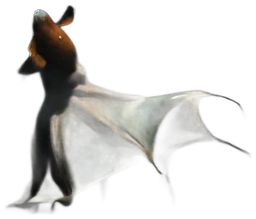
Bigger than 12% of animalsThe Vampire Squid drifts in deep, low-oxygen water and gathers marine snow on two retractable filaments. When disturbed, it folds its webbed arms over its body and can scatter glowing particles as it escapes.
Detailed ratings
Research-backed ratings on one 0–100 scale for all 346 animals (updated 2026-11-23). How ratings work
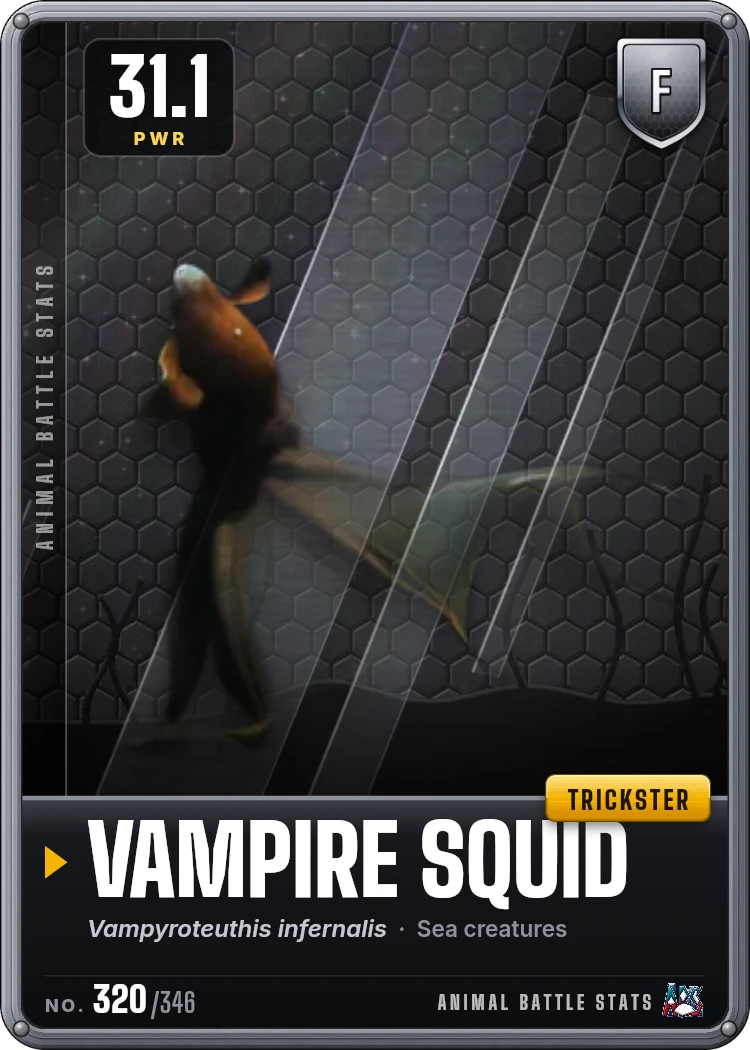
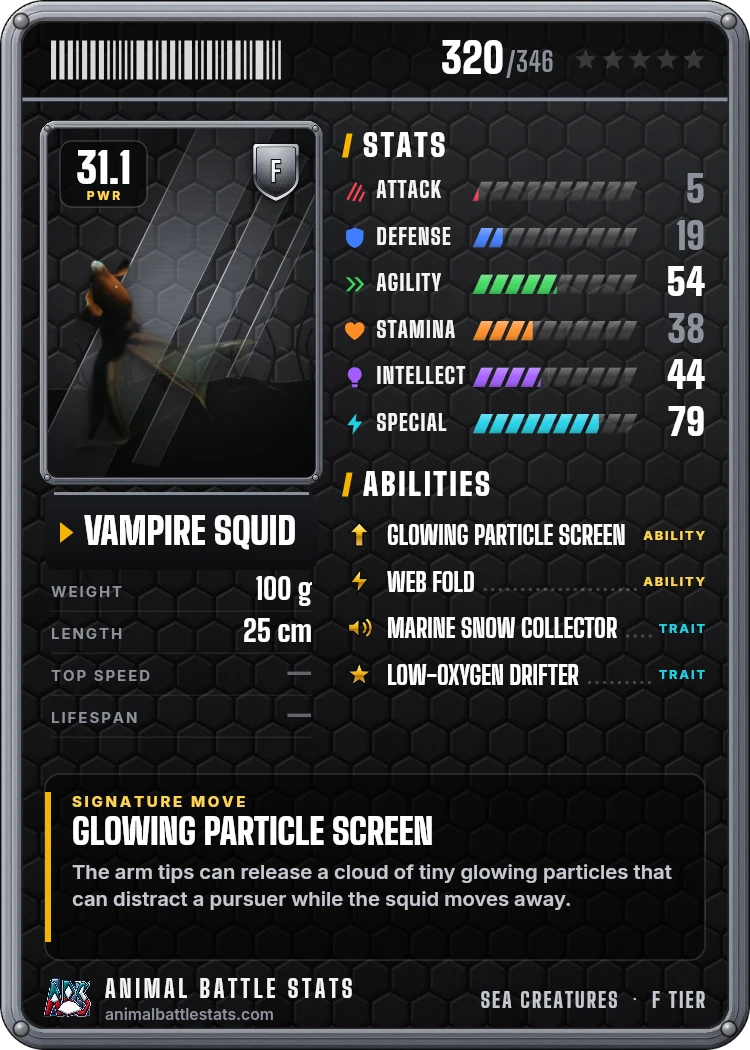
Card No. 320 of 346. Every animal on Animal Battle Stats has one: its power, tier and archetype on the front; its six battle stats, abilities and signature move on the back.
Special abilities
The arm tips can release a cloud of tiny glowing particles that can distract a pursuer while the squid moves away.
The webbed arms curl back over the mantle, changing the outline and exposing rows of soft cirri.
Unique traits
Two thin, retractable filaments gather sinking particles. The arms sweep the collected food toward the mouth.
Low energy use and blood that binds oxygen efficiently support slow activity where dissolved oxygen is scarce.
How it fights
Weapons
- Its small beak processes food that reaches the mouth. The long, thin filaments are used to collect particles and small plankton. They are not striking or grappling weapons.
Beats
- In a dark-water encounter, it can break contact with some visually guided pursuers.
Struggles vs
- Persistent larger hunters that can find it after the light display.
- Close grapples with larger squid or fish.
- Weight
- 100 g3.5 oz
- Height
- No reliable measurement
- Length
- 25 cm9.8 in
- Top speed
- No reliable measurement
- Bite force
- No reliable measurement
- Lifespan
- No reliable measurement
- Home biome
- Ocean
- Lifestyle
- Mostly solitary
Rated specimen: Healthy adult, roughly 25 cm long and 0.10 kg.
Fun facts
- Its main food is sinking marine snow.
- Two retractable filaments can gather food without a chase.
- Its arms can fold over the mantle like a covering.
- The arms can flash blue and release glowing particles.
- It uses light for distraction rather than squirting ink.
- Females can lay several batches of eggs with rests between them.
Closest rivals by power. Tap one for the full breakdown, or pick any opponent.
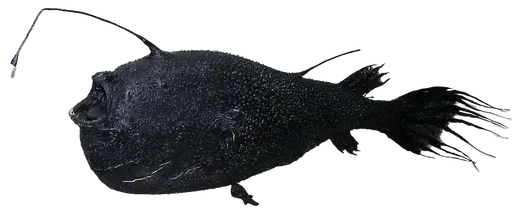
vs Japanese Spider CrabLoses · 75% · Clear edge 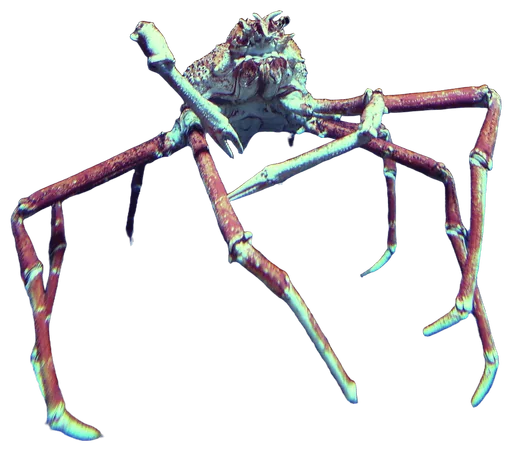 L vs AnglerfishWins · 51% · Toss-up
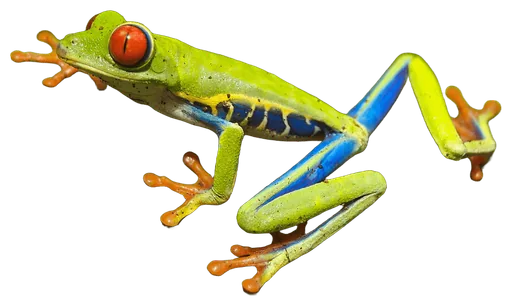
 W vs Red-Eyed Tree FrogWins · 61% · Slight edge
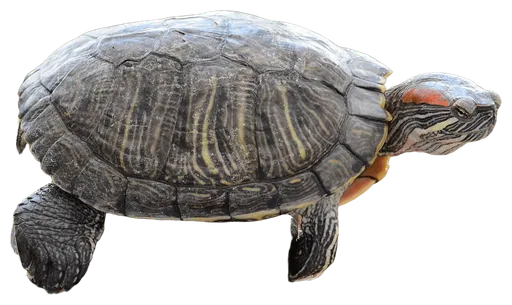
 W vs Red-eared SliderLoses · 66% · Slight edge
 L vs HellbenderLoses · 63% · Slight edge
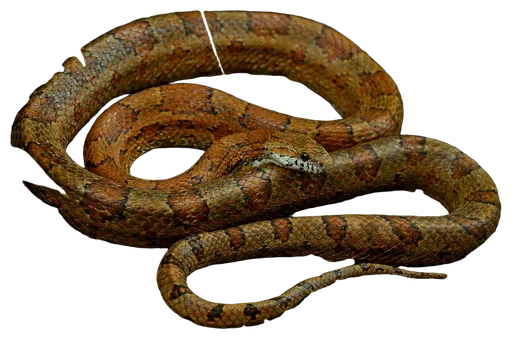
 L vs Corn SnakeLoses · 60% · Slight edge
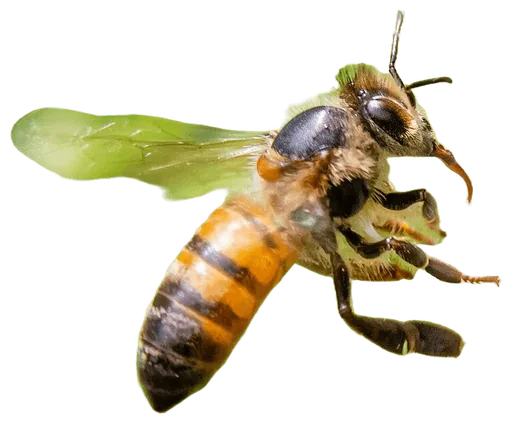
 L vs Africanized Honey BeeWins · 85% · Decisive
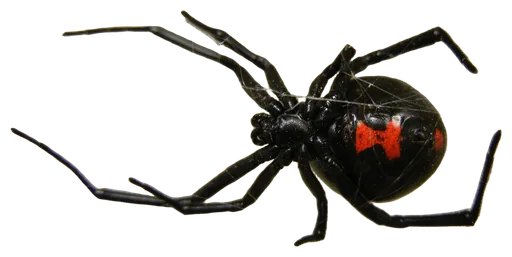
 W vs Black WidowWins · 75% · Clear edge
 W
Vampire Squid battle analysis
A vampire squid can stay suspended in deep water with a thin filament extended into the current. Sinking food particles stick to that filament. The squid draws it across the arms, where mucus and the small cirri help gather the particles into a meal.
The dark water also gives it room to escape. The squid can fold its arms back over the mantle so that its outline changes. A bright flash from the arm tips or a cloud of glowing particles can occupy a pursuer while the animal slips away.
Much of this routine takes place where oxygen is scarce. Efficient oxygen transport and a low rate of energy use suit a life spent drifting and collecting food. Those strengths matter more for survival than speed or the ability to overpower other animals.
Habitat & range
Vampire squid occur in tropical and temperate oceans around the world. In Monterey Canyon, researchers recorded them chiefly in midwater between 600 and 900 m, within a layer with little dissolved oxygen. The depth of that layer varies with location.
Diet & hunting
The squid collects marine snow: sinking bits of organic matter such as plankton remains and discarded mucus structures. Small zooplankton also occur in its diet. Food adheres to the filaments and is carried to the mouth in mucus with help from the cirri.
Social life
Field observations mainly describe individuals feeding or drifting in open water. Coordinated group behavior and a fixed day and night schedule are not documented.
Conservation
Broad geographic records exist, but sightings and collected specimens alone do not establish a global population trend.
Quick answers
How strong is a Vampire Squid?
On the Animal Battle Stats scale, the Vampire Squid has an attack rating of 5 and a power index of 31.1 out of 100, which ranks it #320 of 346 animals and puts it in F tier (Snack). Its strongest stat is special (79).
How much does a Vampire Squid weigh?
This Vampire Squid profile uses a reference weight of about 100 g (3.5 oz). Rated specimen: Healthy adult, roughly 25 cm long and 0.10 kg.
How fast is a Vampire Squid?
There is no reliable measured top speed for the Vampire Squid, so we do not publish one. Its agility rating, which covers acceleration, reflexes and evasion, is 54 out of 100.
What does a Vampire Squid eat?
The squid collects marine snow: sinking bits of organic matter such as plankton remains and discarded mucus structures. Small zooplankton also occur in its diet. Food adheres to the filaments and is carried to the mouth in mucus with help from the cirri.
What animals can beat a Vampire Squid?
Among its closest rivals, the Japanese Spider Crab (75%), the Red-eared Slider (66%), the Hellbender (63%), the Corn Snake (60%) would be favored against the Vampire Squid. It would be favored against the Anglerfish, the Red-Eyed Tree Frog, the Africanized Honey Bee, the Black Widow.
Researched 2026-11-23. Ratings are editorial judgments built from these sources; measurements describe a healthy adult.
- Hoving and Robison (2012), Vampire squid: detritivores in the oxygen minimum zoneFood items, filament use, low-oxygen depth and observations of behavior
- Robison et al. (2003), Light Production by the Arm Tips of the Deep-Sea Cephalopod Vampyroteuthis infernalisArm-tip light and released glowing particles
- Seibel, Thuesen and Childress (1998), Flight of the vampireFin swimming and differences between young and adult swimmers
- Schwarz (2019), Assessing the lifespans of coldwater octopods, chapter 3Mature specimens weighing 100 g, 138 g and 398 g
- Young, Tree of Life, Vampyroteuthis infernalis25 cm photographed specimen, body anatomy and light organs
- Hoving et al. (2015), Vampire squid reproductive strategy is unique among coleoid cephalopodsRepeated spawning with rest periods
- Golikov et al. (2019), Global stable isotope assessment of vampire squidGlobal sampling and diet variation
- MBARI, Vampire squidMaximum length, midwater habitat and web display
- MolluscaBase, Vampyroteuthis infernalisAccepted scientific name
Photo: “Vampire squid off Socorro Island” by Ocean Exploration Trust / Nautilus Live, All rights reserved, background removed and cropped. Original
Suggest a correction