

Vampire Bat
Desmodus rotundus
 #237 of 273
  Jungle Stealth Least Concern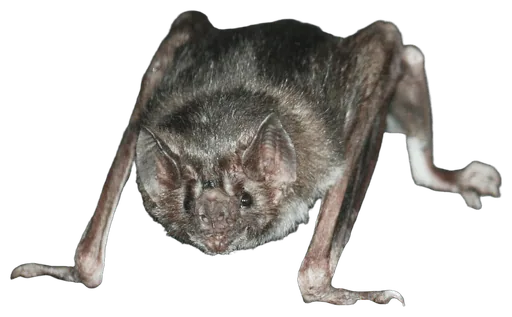
 Fight
FightPhoto: Ltshears · CC BY-SA 3.0
The common vampire bat is a 35 g blood specialist that finds warm skin with a heat-sensing nose, cuts it with razor incisors and keeps it bleeding with anticoagulant saliva. It can even run and leap into flight from the ground, but it has almost no fighting power and survives by stealth and escape.
 Attack5.5
  Defense6
  Agility84
  Stamina46
  Intelligence64
  Special86
 Detailed ratings
Research-backed ratings on one 0–100 scale for all 273 animals (updated 2026-09-28). How ratings work
Special abilities
Ability 1Heat-Seeking NosePit organs on the nose detect infrared heat through TRPV1 channels tuned to about 30 °C, letting the bat find warm blood vessels close to the skin in darkness. It is one of the very few mammals with infrared sensing.
 Ability 2Anticoagulant Bite
Enamel-free, razor-sharp incisors cut a small wound, and saliva containing draculin, desmoteplase and desmolaris keeps it bleeding while the bat feeds.
Unique traits
 TraitRunning Takeoff
One of very few bats that can run, using a forelimb-driven bounding gait, and it launches into flight from the ground with an explosive vertical jump.
TraitBlood-Sharing BondsWell-fed bats regurgitate blood to hungry roost-mates, including unrelated partners, a classic documented case of reciprocal food sharing.
How it fights
Weapons
- The vampire bat's "weapon" is a surgical incision, not a damaging bite. It lands near a sleeping host, often a cow or horse, walks or hops to a spot where blood vessels run close to the skin, shaves away hair, and cuts a small wound with its razor incisors. Saliva containing anticoagulants keeps the wound bleeding while the bat laps. The goal is to feed without waking the host, not to injure it.
 Struggles vs
- Tiny mass and fragile wings.
- No damaging weapon; its bite is designed not to be felt.
- Needs to feed almost every night; starves quickly.
- Poor in cold climates and in daylight.
- Any awake, alert opponent of real size can crush it.
- Weight
- 35 g1.2 oz
- Height
- No reliable measurement
- Length
- 8.5 cm3.3 in
- Top speed
- No reliable measurement
- Bite force
- No reliable measurement
- Lifespan
- 9 years
- Home biome
- Jungle
- Lifestyle
- Social, nocturnal
Rated specimen: Healthy adult female, 0.035 kg (35 g, unfed), 8.5 cm head-body length, wingspan about 35–40 cm.
Fun facts
- A vampire bat can drink blood equal to more than half its body weight in about 30 minutes.
- It starts urinating within minutes of beginning to feed to shed water from the meal.
- It can run on the ground using its wings as front legs, at up to about 1.2 m/s.
- It launches from the ground with a vertical jump that reaches 2.4 m/s in under 30 milliseconds.
- Its nose senses heat using a pain receptor retuned to trigger at about 30 °C.
- Well-fed bats regurgitate blood to hungry roost-mates, even unrelated ones.
Closest rivals by power. Tap one for the full breakdown, or pick any opponent.
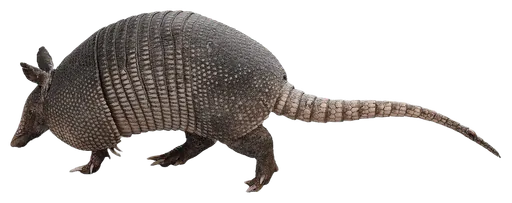
vs KoalaLoses · 51% · Toss-up  L vs ArmadilloWins · 50% · Toss-up
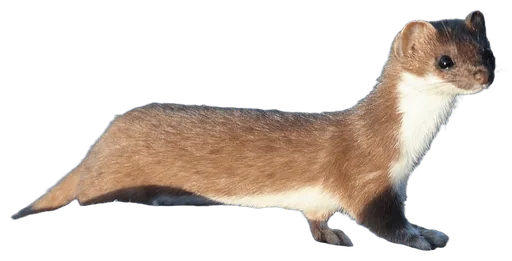
  W vs StoatLoses · 51% · Toss-up
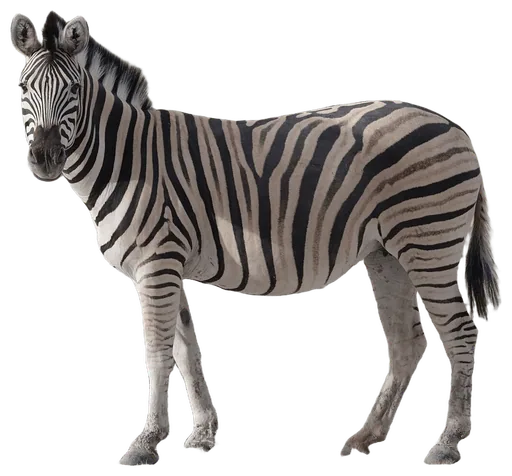
  L vs ZebraWins · 51% · Toss-up
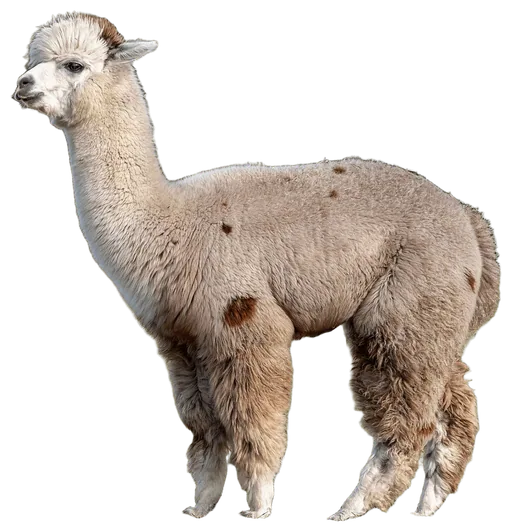
  W vs AlpacaLoses · 51% · Toss-up
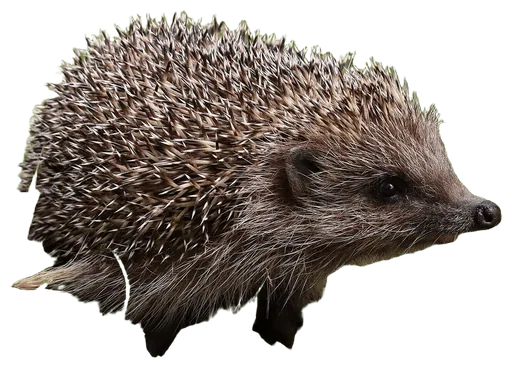
  L vs HedgehogLoses · 52% · Toss-up
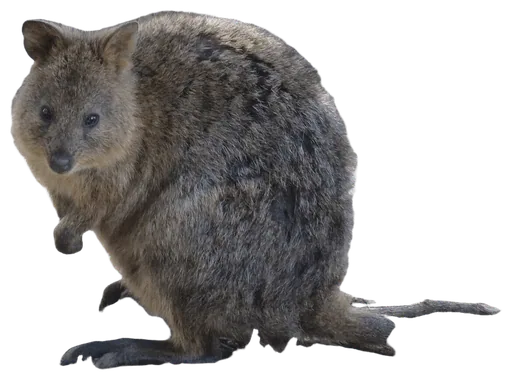
  L vs QuokkaLoses · 52% · Toss-up
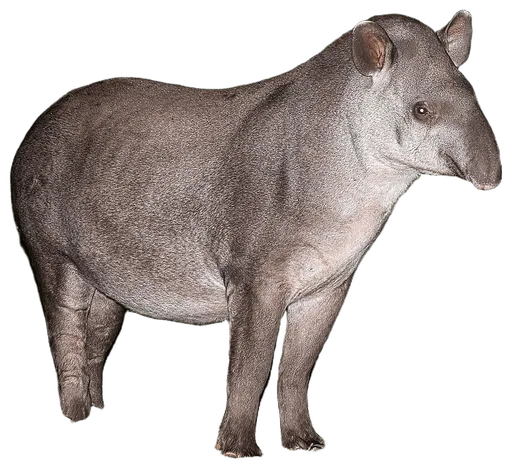
  L vs TapirLoses · 53% · Toss-up
  L
L  Pick any opponent
 Vampire Bat battle analysis
The common vampire bat is one of the most specialized mammals on Earth. It lives on nothing but blood, which it takes from sleeping animals, most often cattle, across the American tropics and subtropics. A typical adult weighs about 35 grams and could sit in the palm of a hand, yet it feeds on animals that can outweigh it more than ten thousand times.
Every part of its feeding method is precise. Heat-sensing pits on its nose, powered by a heat receptor tuned to about 30 °C, pick out the warm spots where blood vessels lie close to the skin. It shaves the hair, cuts a tiny wound with enamel-free incisors kept razor-sharp, and laps the blood while its saliva's anticoagulants stop the wound from clotting. Its kidneys start shedding water within minutes so it can carry a meal worth more than half its body weight back into the air.
It also moves in ways other bats cannot. On the ground it runs with a bounding gait powered by its wings, and it can spring straight up into flight in a fraction of a second if a host stirs. Back at the roost, bats that fed share blood with hungry partners, a famous case of reciprocal help. None of this makes it a fighter. In any real battle it would be crushed or eaten; its strengths are in stealth, senses and escape, and its real-world danger comes from the rabies it carries to livestock.
Habitat & range
Found from Mexico through Central America to much of South America, in tropical and subtropical forests, dry scrub, savanna and farmland. It roosts in caves, hollow trees, old mines, wells and buildings, and is most common where livestock are plentiful.
Diet & hunting
Exclusively blood (sanguivory), mostly from mammals. Cattle are its preferred prey in many areas; horses, pigs, wild mammals and occasionally birds and people are also bitten.
Social life
Colonial. Females form long-term social bonds within roosts and groom and share food with regular partners. Food sharing depends on past reciprocal help and on kinship.
Conservation
Widely reported as Least Concern on the IUCN Red List because of its large range and abundance; the IUCN assessment page itself was not retrieved in this run. Locally, populations are culled to control rabies in livestock.
Quick answers
How strong is a Vampire Bat?
On the Animal Battle Stats scale, the Vampire Bat has an attack rating of 5.5 and a power index of 36 out of 100, which ranks it #237 of 273 animals and puts it in D tier (Underdog). Its strongest stat is special (86).
How much does a Vampire Bat weigh?
A typical adult Vampire Bat weighs about 35 g (1.2 oz). Rated specimen: healthy adult female, 0.035 kg (35 g, unfed), 8.5 cm head-body length, wingspan about 35–40 cm.
How fast is a Vampire Bat?
There is no reliable measured top speed for the Vampire Bat, so we do not publish one. Its agility rating, which covers acceleration, reflexes and evasion, is 84 out of 100.
What does a Vampire Bat eat?
Exclusively blood (sanguivory), mostly from mammals. Cattle are its preferred prey in many areas; horses, pigs, wild mammals and occasionally birds and people are also bitten.
Is the Vampire Bat endangered?
No. The Vampire Bat is listed as Least Concern. Widely reported as Least Concern on the IUCN Red List because of its large range and abundance; the IUCN assessment page itself was not retrieved in this run. Locally, populations are culled to control rabies in livestock.
What animals can beat a Vampire Bat?
Among its closest rivals, the Koala (51%), the Stoat (51%), the Alpaca (51%), the Hedgehog (52%), the Quokka (52%), the Tapir (53%) would be favored against the Vampire Bat. It would be favored against the Armadillo, the Zebra.
Researched 2026-09-28. Ratings are editorial judgments built from these sources; measurements describe a healthy adult female.
- Animal Diversity Web, Desmodus rotundusmass, length, wingspan, dimorphism, lifespan
- Assessing sexual dimorphism in the common vampire bat (PMC)sex choice
- AnAge, vampire bat longevitymaximum longevity
- Gracheva et al. (2011), Natureinfrared sensing
- PubMed record, Gracheva et al. (2011)infrared sensing
- Riskin & Hermanson (2005), Nature: Independent evolution of running in vampire batsrunning
- Cornell Chronicle (2005)running context
- Schutt et al. (1997), Journal of Experimental Biologyjump takeoff
- Wilkinson (1984), Nature: Reciprocal food sharing in the vampire batfood sharing
- Carter & Wilkinson (2015), Proceedings Bsocial bonds
- Carter & Wilkinson, Food sharing in vampire bats: reciprocal help predicts donationsreciprocity data
- Blood Sharing by Vampire Bats, Springer encyclopediastarvation risk
- Consumption of blood, renal function and utilization of free water by the vampire batblood meal size
- Draculin, PubMedsaliva
- Draculin glycosylation and salivation pattern, PubMedsaliva
- Desmolaris, Blood (American Society of Hematology)saliva
- Rabies transmitted from vampires to cattle: An overview, PLOS Onerabies, cattle as preferred prey
- USGS, Management of vampire bats and rabieshuman interaction
- AZA Bat Taxon Advisory Group, vampire bat natural historyteeth, feeding
- Wikipedia, Common vampire batteeth, general
Photo: “Vampire Bat 003.jpg” by Ltshears, CC BY-SA 3.0, background removed and cropped. Original
Suggest a correction