
Tuna
Thunnus orientalisB tier · Strong26th of 51 sea creatures
Size & speed

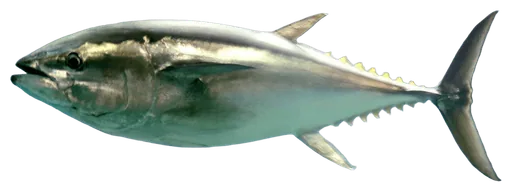
- Weight
- 150 kg331 lb
- Length
- 2 m6.6 ft
As heavy as 2.1 people
Heavier than 76% of animalsAbout as long as a person is tall
Bigger than 71% of animalsThe Pacific bluefin tuna is a 2 m, 150 kg warm-bodied fish built for speed and endurance, crossing the North Pacific and turning sharply despite its torpedo shape. It hunts small schooling prey and has no real weapon, so it wins by outlasting and outrunning rather than by fighting.
Detailed ratings
Research-backed ratings on one 0–100 scale for all 344 animals (updated 2026-09-28). How ratings work


Card No. 107 of 344. Every animal on Animal Battle Stats has one: its power, tier and archetype on the front; its six battle stats, abilities and signature move on the back.
Special abilities
Counter-current heat exchangers keep swimming muscle, eyes and brain up to 20 °C warmer than cold water, sustaining power and vision where cold-bodied fish slow down.
A rapid series of small tail strokes swings the stiff body around at up to 302 degrees per second in less than half a body length, letting a torpedo-shaped fish change direction sharply.
Unique traits
Young Pacific bluefin cross the entire North Pacific from Japan to California and return years later to spawn in the western Pacific.
A rigid, streamlined body, crescent tail, finlets and keels make the bluefin one of the most specialized fast-swimming body plans among fishes.
How it fights
Weapons
- The Pacific bluefin is a fast, powerful predator of small schooling animals: squids, sardines, anchovies, saury, mackerels, hake, other tunas, pelagic red crabs and krill. It catches prey by speed and swallows it whole; its small teeth grip rather than cut. It has no bill like a marlin, no cutting teeth like a shark and no defensive spines. In a matchup its main assets are momentum and endurance, not a weapon, so Attack stays low for a 150 kg animal.
Struggles vs
- No meaningful weapon; small gripping teeth only.
- No armor; ordinary scaled skin.
- Must keep moving in open water; poor in shallow, cluttered or confined habitats.
- Heavy fishing pressure has made populations far smaller than their historic size.
- Weight
- 150 kg331 lb
- Height
- No reliable measurement
- Length
- 2 m6.6 ft
- Top speed
- No reliable measurement
- Bite force
- No reliable measurement
- Lifespan
- 15 years
- Home biome
- Ocean
- Lifestyle
- Social
Rated specimen: Healthy large adult, 2.0 m fork length and about 150 kg, sex unspecified because the sources used give no sex-specific size difference.
Fun facts
- Pacific bluefin carried traces of the 2011 Fukushima release across the entire North Pacific to California within months.
- A 278 kg Pacific bluefin sold for 333.6 million yen (about US$3.1 million) at a Tokyo auction in 2019.
- Bluefin can keep their muscles up to 20 °C warmer than the surrounding sea.
- Despite a stiff body, a bluefin can turn at up to 302 degrees per second.
- Juvenile bluefin start holding their own body temperature at about 40 cm long.
- During a marine heatwave, young bluefin moved their feeding migration about 900 km toward the pole.
Closest rivals by power. Tap one for the full breakdown, or pick any opponent.
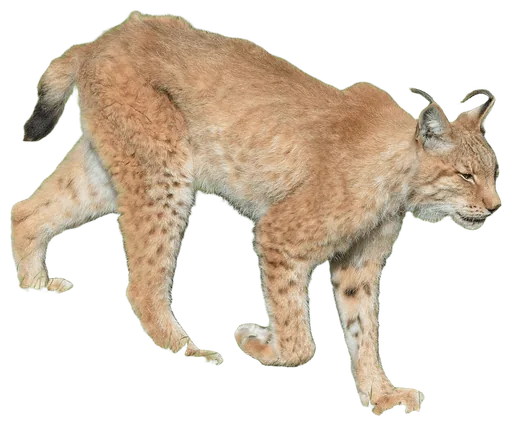
vs Moray EelWins · 62% · Slight edge 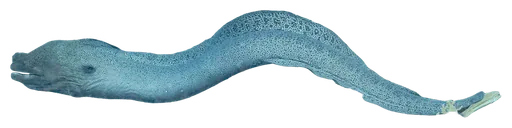 W vs LynxWins · 60% · Slight edge
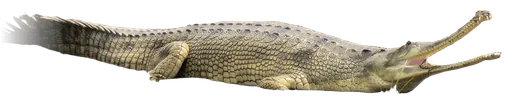
 W vs GharialLoses · 51% · Toss-up
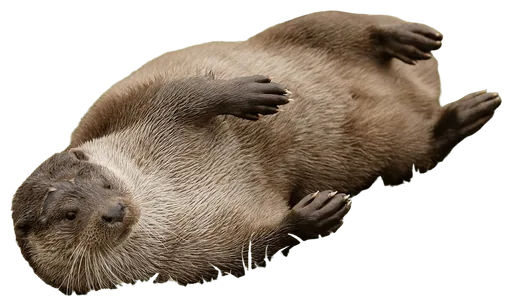
 L vs OtterWins · 64% · Slight edge
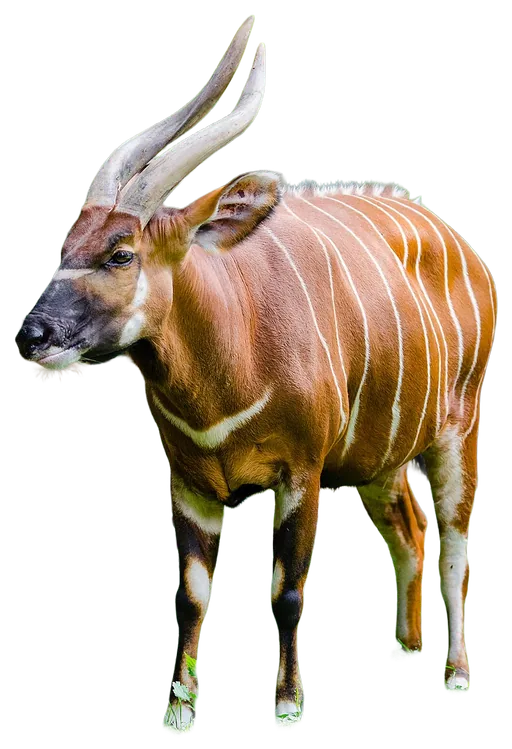
 W vs BongoLoses · 54% · Toss-up
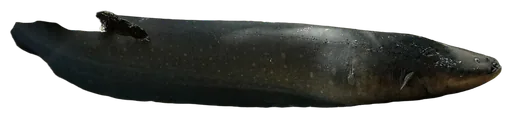
 L vs Electric EelWins · 66% · Slight edge
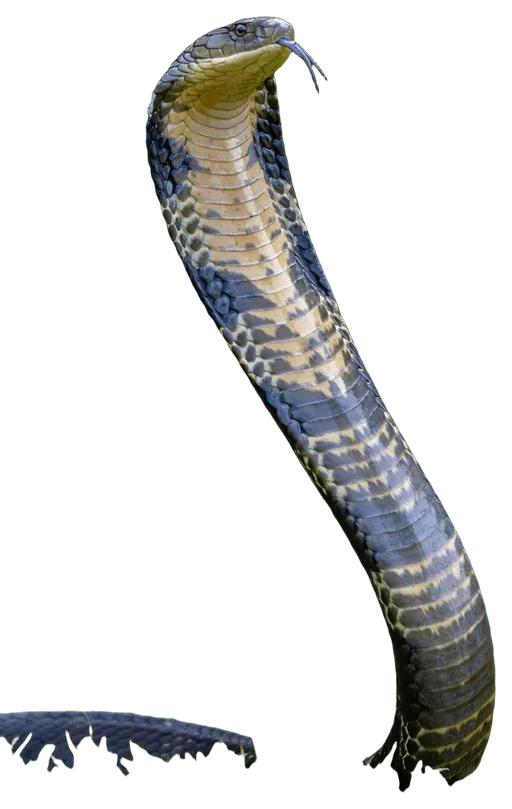
 W vs King CobraWins · 66% · Slight edge
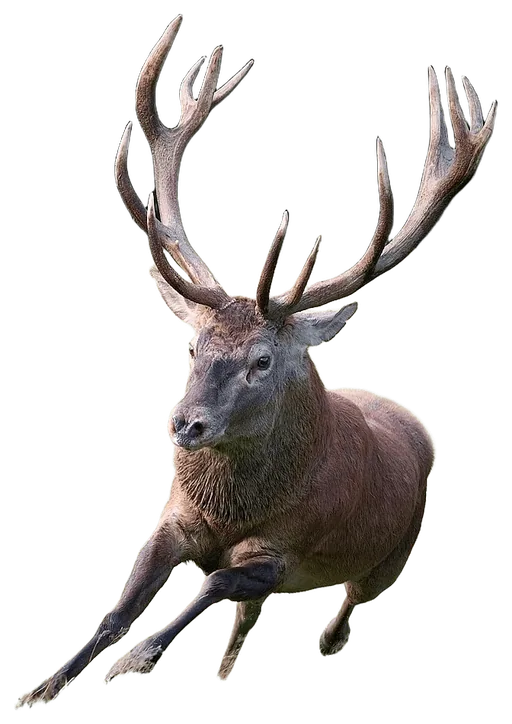
 W vs Red DeerLoses · 51% · Toss-up
 L
Tuna battle analysis
The Pacific bluefin tuna is an engine in the shape of a fish. A common large adult is about 2 m long and 150 kg, most of it swimming muscle. Heat exchangers in its circulation hold that muscle, along with its eyes and brain, well above the temperature of the surrounding sea, so the bluefin can keep swimming hard in cold water where other fish slow down. That warm engine powers some of the longest migrations of any fish: young bluefin hatched off Japan cross the whole North Pacific to feed off California, as shown when fish carrying Fukushima-derived cesium turned up there within months.
The same body is surprisingly nimble. Its front half is stiff and streamlined, but the narrow tail stalk and crescent tail flex hard. Filming of captive bluefin showed turns of up to 302 degrees per second and turn radii under half a body length, achieved with rapid ratchet-like tail strokes. Combined with its size, this lets the tuna run down fast squid and schooling fish, which it swallows whole.
In a battle, though, the bluefin has little to hurt an opponent with. Its teeth are small and meant for gripping, it has no bill like a marlin or sailfish, and it carries no armor. Its best tactic is to use its speed and stamina to escape. On the absolute roster scale it scores near the top in Stamina and high in Agility and Special, but its Attack stays far below the billfish and sharks it shares the ocean with.
Habitat & range
The North Pacific, from the coasts of East Asia to western North America, with occasional records in the South Pacific; a genetically confirmed Pacific bluefin has even been caught off Brazil. Usually in the upper 200 m of open water, down to 550 m.
Diet & hunting
An open-water predator of schooling squids and fishes (anchovies, sardines, saury, mackerels, hake, other tunas) that also takes pelagic red crabs and krill. Diet studies in the southern California Current show its feeding niche shifting with the abundance of prey such as northern anchovy.
Social life
Schooling fish that migrate in groups; no territorial or ritualized fighting behavior is known.
Conservation
Near Threatened on the IUCN Red List. Wikipedia notes that this listing has not been updated since a 2024 stock assessment found the population had risen from about 2% of historic levels in 2010 to about 23% in 2020. NOAA Fisheries and several international commissions manage the fishery.
Quick answers
How strong is a Tuna?
On the Animal Battle Stats scale, the Tuna has an attack rating of 32 and a power index of 55.5 out of 100, which ranks it #107 of 344 animals and puts it in B tier (Strong). Its strongest stat is stamina (92).
How much does a Tuna weigh?
A typical adult Tuna weighs about 150 kg (331 lb). Rated specimen: healthy large adult, 2.0 m fork length and about 150 kg, sex unspecified because the sources used give no sex-specific size difference.
How fast is a Tuna?
There is no reliable measured top speed for the Tuna, so we do not publish one. Its agility rating, which covers acceleration, reflexes and evasion, is 79 out of 100.
What does a Tuna eat?
An open-water predator of schooling squids and fishes (anchovies, sardines, saury, mackerels, hake, other tunas) that also takes pelagic red crabs and krill. Diet studies in the southern California Current show its feeding niche shifting with the abundance of prey such as northern anchovy.
Is the Tuna endangered?
The Tuna's conservation status is Near Threatened. Near Threatened on the IUCN Red List. Wikipedia notes that this listing has not been updated since a 2024 stock assessment found the population had risen from about 2% of historic levels in 2010 to about 23% in 2020. NOAA Fisheries and several international commissions manage the fishery.
What animals can beat a Tuna?
Among its closest rivals, the Gharial (51%), the Bongo (54%), the Red Deer (51%) would be favored against the Tuna. It would be favored against the Moray Eel, the Lynx, the Otter, the Electric Eel, the King Cobra.
Researched 2026-09-28. Ratings are editorial judgments built from these sources; measurements describe a healthy adult.
- NOAA Fisheries, Pacific Bluefin Tunasize at maturity, maximum size, lifespan, diet, migration
- Wikipedia, Pacific bluefin tunasize, depth, thermal excess, conservation, market
- FishBase, Thunnus orientaliscommon and maximum length, depth, length-weight relationship
- Wikipedia, Tunaheat exchange physiology, predators
- Madigan et al. (2012), PNAStrans-Pacific migration
- Multiple behaviors for turning performance of Pacific bluefin tuna (2023), Journal of Experimental Biologymaneuverability
- Iosilevskii and Weihs (2008), Journal of the Royal Society Interfacespeed ceiling
- Flexible use of a dynamic energy landscape (2021), Proceedings Bendurance and migration flexibility
- Rapid endothermal development of juvenile Pacific bluefin tuna (2022), Frontiers in Physiologythermal physiology
- Resource partitioning among pelagic predators (2025), Journal of Animal Ecologydiet flexibility
- Genetic evidence of southern and Pacific bluefin in Brazilian waters (2025), Biologyrange extremes
- Wikimedia Commons file pagelive photo
Photo: “Pacific bluefin tuna.jpg” by aes256, CC BY 2.1 jp, background removed and cropped. Original
Suggest a correction