

Titan Beetle
Titanus giganteus
 #270 of 273
  Jungle Fighter Not Evaluated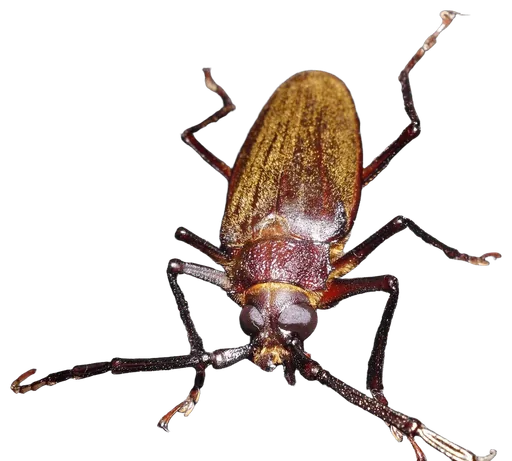
 Fight
FightPhoto: Luis Alejandro Cisneros · CC BY-SA 3.0
The titan beetle of the Amazon is one of the largest beetles on Earth, reaching almost 17 cm. It defends itself with a loud hiss and sharp mandibles said to snap pencils, but adults cannot eat and live only a few weeks on stored reserves. Huge for an insect, it is still tiny and short on stamina in any battle with vertebrates.
 Attack11
  Defense14
  Agility36
  Stamina26
  Intelligence16
  Special42
 Detailed ratings
Research-backed ratings on one 0–100 scale for all 273 animals (updated 2026-09-28). How ratings work
Special abilities
Ability 1Pencil-Snapping MandiblesShort, curved, sharp jaws that are reported to snap pencils and cut into human flesh, used to defend itself when grabbed.
 Ability 2Warning Hiss
When threatened, the adult rubs body parts together to make a loud hiss that warns predators before it bites.
Unique traits
 TraitGiant of the Insect World
One of the largest beetles known, with a reliable record of 16.7 cm and a measured wild male of 15.5 cm and 37.5 g.
TraitAdult That Never EatsThe adult gut is degenerated and it lives entirely on reserves stored during its hidden larval life; its larvae have never been found.
How it fights
Weapons
- The primary weapon is a pair of short, curved, sharp mandibles, used defensively; they are reported to cut human skin. The secondary defense is a loud hiss that warns off predators. It has no venom, sting, horn or chemical spray.
 Struggles vs
- Slow and clumsy on the ground.
- Cannot feed as an adult, so it tires and cannot recover.
- No venom or chemical defense.
- Tiny in absolute terms despite being a giant among insects.
- Weight
- 38 g1.3 oz
- Height
- No reliable measurement
- Length
- 15.5 cm6.1 in
- Top speed
- No reliable measurement
- Bite force
- No reliable measurement
- Lifespan
- No reliable measurement
- Home biome
- Jungle
- Lifestyle
- Mostly solitary, nocturnal
Rated specimen: Healthy adult male, 15.5 cm long and 37.5 g, matching the wild male collected in French Guiana in January 2019 and measured in the first comprehensive physiological study of the species (Insects, 2020).
Fun facts
- The largest reliably measured titan beetle was 16.7 cm long.
- A wild male from French Guiana weighed 37.5 g, about as much as a large mouse.
- Its larvae have never been found.
- Adults do not eat; their gut is degenerated and they live on stored fat.
- Its jaws are said to snap pencils in half.
- It hisses when threatened.
Closest rivals by power. Tap one for the full breakdown, or pick any opponent.
vs MosquitoLoses · 51% · Toss-up 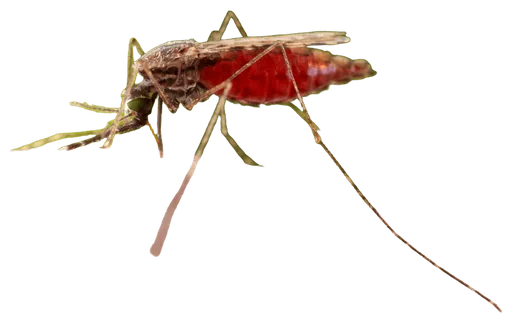 L vs Army AntWins · 51% · Toss-up
 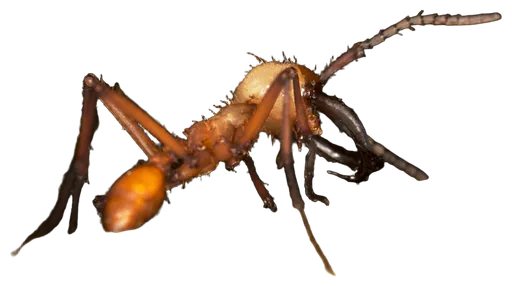 W vs AxolotlLoses · 50% · Toss-up
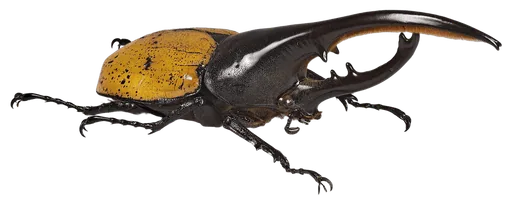
 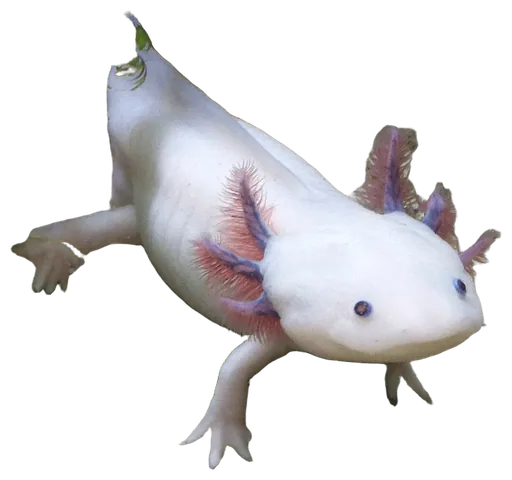 L vs Hercules BeetleLoses · 54% · Toss-up
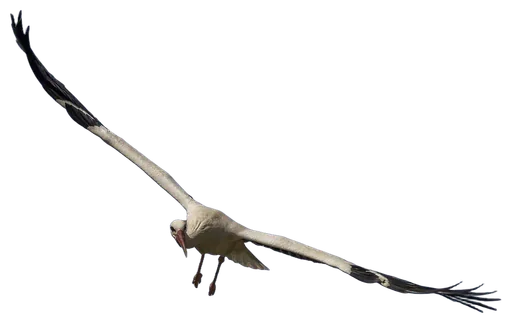
  L vs StorkLoses · 52% · Toss-up
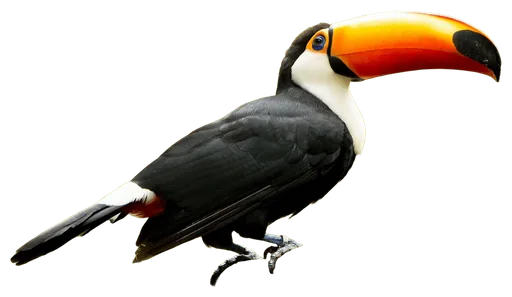
  L vs ToucanLoses · 53% · Toss-up
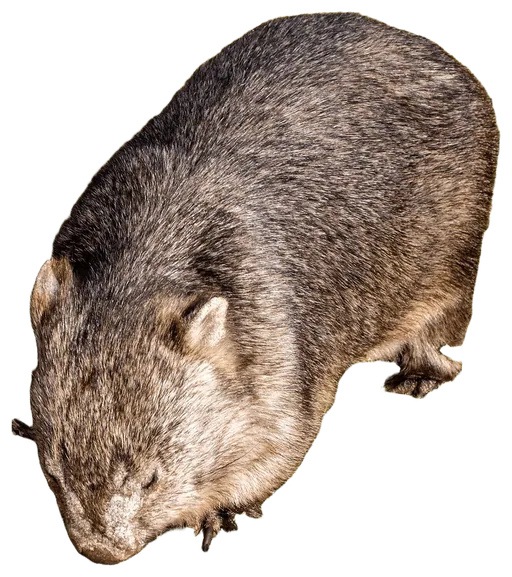
  L vs WombatWins · 54% · Toss-up
  W vs Sugar GliderLoses · 55% · Toss-up
 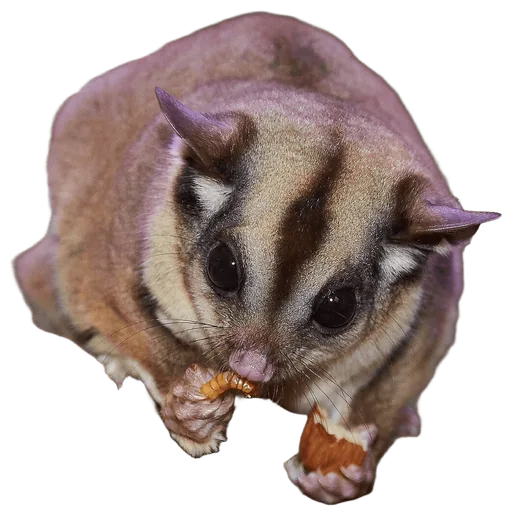 L
L  Pick any opponent
 Titan Beetle battle analysis
The titan beetle is a giant among insects. A wild male measured in 2019 was 15.5 cm long and weighed 37.5 g, and the largest reliable specimen reached 16.7 cm. It lives in the lowland rainforests of northern South America, where adults fly at night through old-growth forest and are sometimes drawn to lights.
It is also a mystery. Its larvae have never been found, though they are thought to grow inside dead wood for years. The adult stage is a short final chapter: the gut is degenerated, the fat body almost gone, and the beetle lives on reserves stored in its flight muscles. When threatened it hisses and bites with short, curved mandibles that can cut skin.
On the absolute battle scale, the titan beetle gets the highest Attack and Defense of the beetles in this batch because of its sharp jaws and heavy armour, but those scores remain very low next to vertebrates. Its biggest weakness is stamina: an animal that cannot eat cannot keep fighting, and anything larger than a small mammal can overpower it.
Habitat & range
Lowland tropical rainforest of northern South America: Venezuela, Colombia, Ecuador, Peru, the Guianas and north-central Brazil. Its prime habitat is old-growth Amazon and Guiana forest with large trees and dead wood.
Diet & hunting
Adults do not feed. Larvae are thought to feed inside dead wood, possibly for several years, but have never been found, so their diet and development are inferred rather than observed. Adults are active at night, and males are drawn to lights.
Social life
Solitary.
Conservation
Not Evaluated: no IUCN Red List assessment was located in this pass. The species depends on old-growth rainforest with large dead trees, and specimens are prized by collectors.
Quick answers
How strong is a Titan Beetle?
On the Animal Battle Stats scale, the Titan Beetle has an attack rating of 11 and a power index of 21.3 out of 100, which ranks it #270 of 273 animals and puts it in F tier (Snack). Its strongest stat is special (42).
How much does a Titan Beetle weigh?
A typical adult Titan Beetle weighs about 38 g (1.3 oz). Rated specimen: healthy adult male, 15.5 cm long and 37.5 g, matching the wild male collected in French Guiana in January 2019 and measured in the first comprehensive physiological study of the species (Insects, 2020).
How fast is a Titan Beetle?
There is no reliable measured top speed for the Titan Beetle, so we do not publish one. Its agility rating, which covers acceleration, reflexes and evasion, is 36 out of 100.
What does a Titan Beetle eat?
Adults do not feed. Larvae are thought to feed inside dead wood, possibly for several years, but have never been found, so their diet and development are inferred rather than observed. Adults are active at night, and males are drawn to lights.
Is the Titan Beetle endangered?
The Titan Beetle's conservation status is Not Evaluated. Not Evaluated: no IUCN Red List assessment was located in this pass. The species depends on old-growth rainforest with large dead trees, and specimens are prized by collectors.
What animals can beat a Titan Beetle?
Among its closest rivals, the Mosquito (51%), the Axolotl (50%), the Hercules Beetle (54%), the Stork (52%), the Toucan (53%), the Sugar Glider (55%) would be favored against the Titan Beetle. It would be favored against the Army Ant, the Wombat.
Researched 2026-09-28. Ratings are editorial judgments built from these sources; measurements describe a healthy adult male.
- First comprehensive study of Titanus giganteus, Insects (2020), PMCmass, length, adult physiology, sensilla, capture at light
- Same study, MDPIsame
- Same study, PubMedsame
- Smithsonian Institution, Titan Beetlesize, record specimen
- Wikipedia, Titan beetlerecord length, mandibles, larvae
- Insect Books, Titanus giganteushissing, flight, adult life
- Montana Public Radio, Bug Bytes: Titan Beetlesrange, habitat
- Critter Science, The Titan Beetleadults do not eat
- A-Z Animals, Titan Beetleadult lifespan
- Dimensions.com, Titan Beetlesize cross-check
- Wikimedia Commons, Titanus giganteus MHNTimage candidate
Photo: “TITANUS GIGANTEUS.jpg” by Luis Alejandro Cisneros, CC BY-SA 3.0, background removed and cropped. Original
Suggest a correction