

Tibetan Mastiff
Canis familiaris
 #103 of 273
  Mountains Territorial Domesticated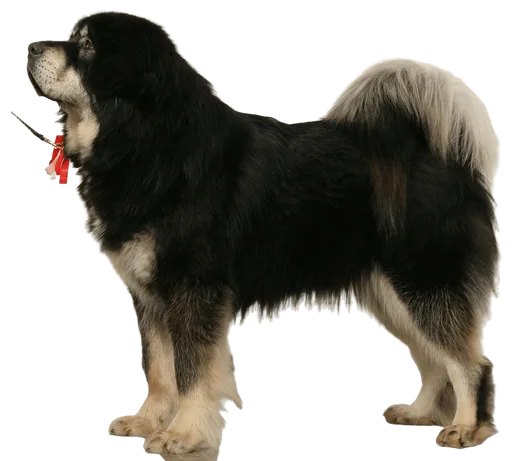
 Fight
FightPhoto: Knuut Nissinen · Public domain
The Tibetan Mastiff is a massive, heavily maned guardian dog from the Tibetan Plateau. It fights with a strong bite, heavy bone and a padded neck, and it carries wolf-shared gene variants that help it keep working in thin mountain air. It is slow and unarmored, and it is badly outmatched by bears and big cats.
 Attack51
  Defense47
  Agility52
  Stamina70
  Intelligence62
  Special56
 Detailed ratings
Research-backed ratings on one 0–100 scale for all 273 animals (updated 2026-09-28). How ratings work
Special abilities
Ability 1Thin-Air EngineCarries EPAS1 and HBB gene variants shared with Tibetan gray wolves, linked to functioning in low-oxygen air. At high altitude it keeps working when lowland opponents tire.
 Ability 2Mane Guard
The heavy neck and shoulder mane pads the area most canid and felid opponents target, blunting the first bites of a fight.
Unique traits
 TraitFoghorn Bay
A deep, booming bark used on night guard, a key part of its deterrence display.
TraitSingle Yearly SeasonUnlike most dog breeds, females come into season only once a year, usually in late autumn, with most pups born in December and January.
How it fights
Weapons
- A single weapon system: a large canid bite on a heavy, broad head and massive neck. The Tibetan Mastiff guards by presence, deep baying barks and charges, and bites intruders that keep coming. It has no grappling forelimbs and no specialized killing technique.
 Struggles vs
- Heavy and relatively slow; poor at pursuit and quick turns.
- One close-range weapon; no armor beneath the coat.
- The heavy coat is a burden in heat.
- A single dog lacks the group advantage that lets free-ranging mastiffs bully other predators.
- Far below bears, big cats and large ungulates in absolute power.
- Weight
- 55 kg121 lb
- Height
- 70 cm27.6 in
- Length
- 72 cm28.3 in
- Top speed
- No reliable measurement
- Bite force
- No reliable measurement
- Lifespan
- 11 years
- Home biome
- Mountains
- Lifestyle
- Social
Rated specimen: Healthy adult male working Tibetan Mastiff, 55.0 kg, 70.0 cm at the withers.
Fun facts
- Tibetan Mastiffs carry high-altitude gene variants that match those of Tibetan gray wolves.
- Females come into season only once a year, unlike most dogs.
- Groups of abandoned mastiffs have been seen driving snow leopards off their blue sheep kills.
- Researchers GPS-collared 16 stray mastiffs in Sanjiangyuan to study their effect on snow leopards.
- Its bark is often described as a deep, foghorn-like bay.
- Traditionally it guarded nomadic herders' camps and monasteries, often working on its own.
Closest rivals by power. Tap one for the full breakdown, or pick any opponent.
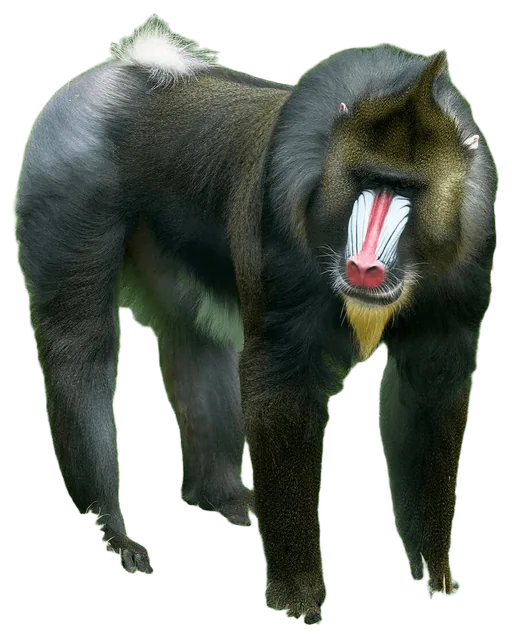
vs Proboscis MonkeyLoses · 50% · Toss-up 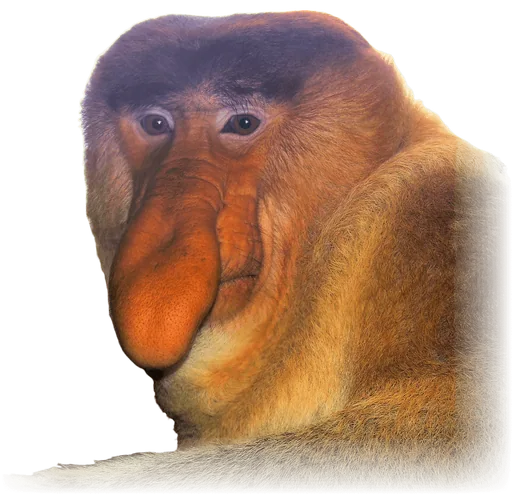 L vs MandrillWins · 50% · Toss-up
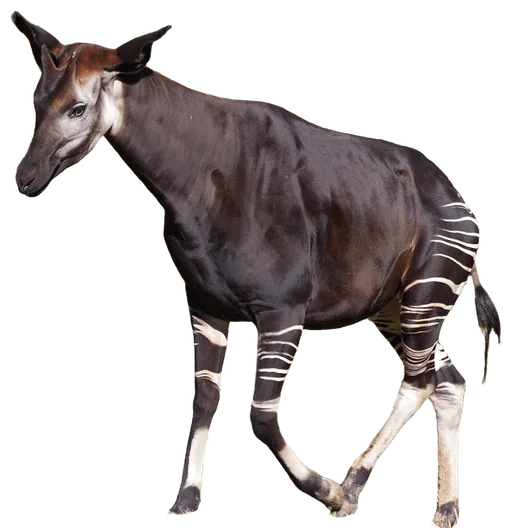
  W vs OkapiLoses · 50% · Toss-up
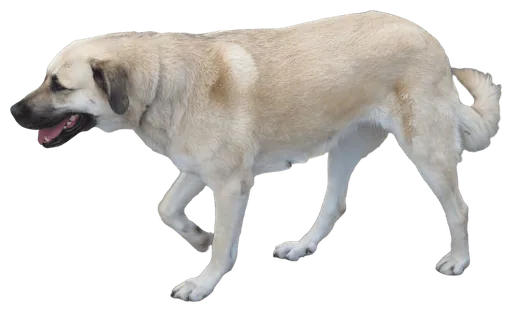
  L vs KangalWins · 50% · Toss-up
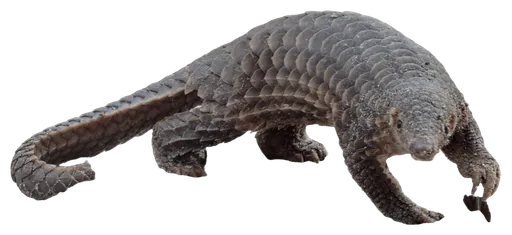
  W vs PangolinWins · 51% · Toss-up
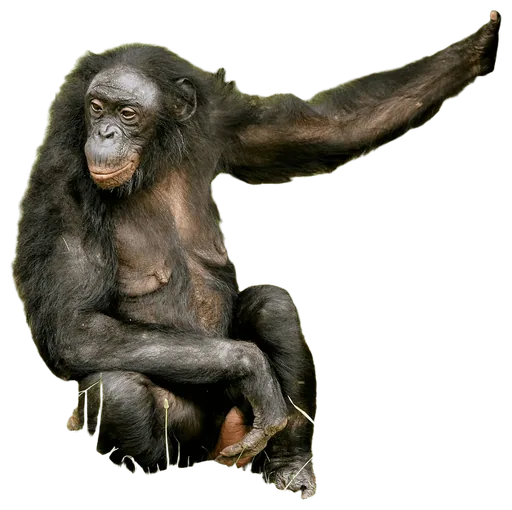
  W vs BonoboWins · 51% · Toss-up
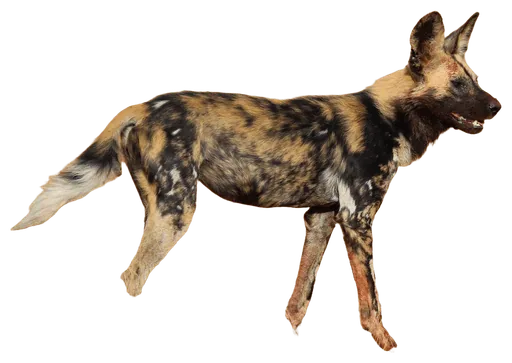
  W vs African Wild DogWins · 51% · Toss-up
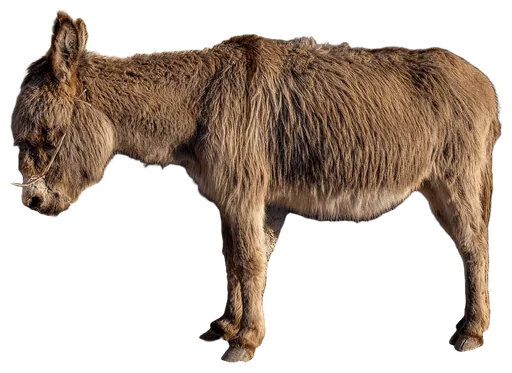
  W vs DonkeyWins · 51% · Toss-up
  W
W  Pick any opponent
 Tibetan Mastiff battle analysis
The Tibetan Mastiff is the guardian dog of the roof of the world. For generations it watched over herders' camps, flocks, villages and monasteries on the Tibetan Plateau, often working alone and making its own decisions. A fit working male stands about 70 cm at the shoulder and weighs around 55 kg, though show and status dogs bred during China's mastiff boom were often much heavier and more heavily coated.
Its most unusual feature is invisible. Genetic studies show Tibetan Mastiffs and other highland dogs carry versions of the EPAS1 and HBB genes that match those of Tibetan gray wolves and came into the dogs through interbreeding. These variants are linked to coping with the low oxygen of the plateau, so at 4,000 m the mastiff keeps working when a lowland animal would flag. Its heavy mane is the other practical asset, padding the neck that wolves and other dogs aim for.
In a fight it is a straightforward guardian: deep bays, a charge, and a heavy bite. It is less agile than the Kangal and far less athletic than a wild wolf, so it wins by mass and persistence, not speed. Groups of abandoned mastiffs have driven snow leopards off their kills, but that is teamwork against a smaller cat. On its own, it is a strong medium-sized fighter that stays well below bears, lions and tigers.
Habitat & range
Native to the Tibetan Plateau and Himalayan highlands, including Tibet, Qinghai and neighboring mountain regions, where it guarded herders' camps, livestock, villages and monasteries. Now kept worldwide as a guardian and companion.
Diet & hunting
A domestic dog fed by its owners. Free-ranging abandoned mastiffs on the plateau scavenge, take livestock and wildlife, and steal kills from other predators.
Social life
Kept singly or in small numbers as guardians, strongly bonded to its household and aloof with strangers. Free-ranging dogs form groups.
Conservation
Not applicable as a wild species; it is a Domesticated breed. Its main conservation relevance is negative: abandoned free-ranging mastiffs are considered a potential threat to snow leopards on the plateau.
Quick answers
How strong is a Tibetan Mastiff?
On the Animal Battle Stats scale, the Tibetan Mastiff has an attack rating of 51 and a power index of 54.1 out of 100, which ranks it #103 of 273 animals and puts it in B tier (Strong). Its strongest stat is stamina (70).
How much does a Tibetan Mastiff weigh?
A typical adult Tibetan Mastiff weighs about 55 kg (121 lb). Rated specimen: healthy adult male working Tibetan Mastiff, 55.0 kg, 70.0 cm at the withers.
How fast is a Tibetan Mastiff?
There is no reliable measured top speed for the Tibetan Mastiff, so we do not publish one. Its agility rating, which covers acceleration, reflexes and evasion, is 52 out of 100.
What does a Tibetan Mastiff eat?
A domestic dog fed by its owners. Free-ranging abandoned mastiffs on the plateau scavenge, take livestock and wildlife, and steal kills from other predators.
Is the Tibetan Mastiff endangered?
The Tibetan Mastiff's conservation status is Domesticated. Not applicable as a wild species; it is a Domesticated breed. Its main conservation relevance is negative: abandoned free-ranging mastiffs are considered a potential threat to snow leopards on the plateau.
What animals can beat a Tibetan Mastiff?
Among its closest rivals, the Proboscis Monkey (50%), the Okapi (50%) would be favored against the Tibetan Mastiff. It would be favored against the Mandrill, the Kangal, the Pangolin, the Bonobo, the African Wild Dog, the Donkey.
Researched 2026-09-28. Ratings are editorial judgments built from these sources; measurements describe a healthy adult male.
- AKC Official Standard of the Tibetan Mastiffmale height
- AKC, Tibetan Mastiff breed pagetemperament, guardian role
- AKC, Tibetan Mastiff historyworking history
- FCI Standard No. 230minimum heights
- UKC, Tibetan Mastiff standardregistry description
- Wikipedia, Tibetan Mastiffweight range, single estrus
- PetMD, Tibetan Mastifflifespan, coat
- Miao et al. (2017), Molecular Biology and Evolutionhigh-altitude genetics
- Wang et al. (2017), PeerJhigh-altitude genetics
- Are stray Tibetan mastiffs a potential threat to snow leopards on the Tibetan Plateau? (University of Jyväskylä)free-ranging ecology
- Sixth Tone, Abandoned Dogs Pose Risk to Tibetan Snow Leopardskleptoparasitism
- Tufts Now, Where the Wild and Dangerous Dogs Roamfree-ranging dogs
- South China Morning Postmarket collapse, attacks
- Lindner et al. (1995), Measurement of bite force in dogsbite context
- Ellis et al. (2008), Journal of Anatomybite context
- The Tibetan Mastiff: Canine Sentinels of the Rangeworking role
Photo: “Female Tibetan Mastiff.jpg” by Knuut Nissinen, Public domain, background removed and cropped. Original
Suggest a correction