

Thresher Shark
Alopias vulpinus
 #43 of 344
  Ocean Striker Vulnerable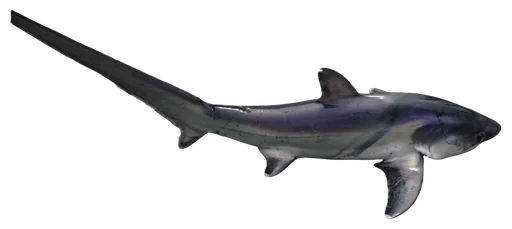
 Fight
FightPhoto: Paul E Ester at English Wikipedia , http://www.pacificapier.com · CC BY-SA 3.0
The thresher shark hunts with its tail. Half of its 4.5 m length is a whip-like upper tail lobe that it throws overhead fast enough to stun whole groups of fish. Warm muscles make it a strong, leaping swimmer, but its small mouth and slender unarmored body make it weak against large opponents.
 Attack56
  Defense48
  Agility80
  Stamina84
  Intelligence62
  Special84
 Detailed ratings
Research-backed ratings on one 0–100 scale for all 344 animals (updated 2026-09-28). How ratings work
Special abilities
Ability 1Overhead Tail-WhipThe shark snaps its pectoral fins in, pitches its body and throws the upper tail lobe overhead like a whip. In the pelagic thresher the tip moves at about 14 m/s on average and over 20 m/s in the fastest strikes, stunning or killing several fish at once.
 Ability 2Warm-Muscle Cruise
Deep, heat-retaining red swimming muscle keeps working in cool water, supporting long migrations and repeated dives below the thermocline.
Unique traits
 TraitHalf-Tail Body Plan
The upper tail lobe is about as long as the rest of the shark, so a 4.5 m thresher carries a body only about half that length.
TraitSchool HerderThreshers circle and splash to pack schools of fish tightly, sometimes in pairs or small groups, before striking.
How it fights
Weapons
- The thresher's primary weapon is its tail. Underwater video from southern California recorded 34 common thresher feeding events between 2007 and 2009, and every one began with a strike from the upper lobe of the tail (Aalbers et al. 2010). Threshers circle schools of fish, often in pairs or small groups, splashing to pack them tight, then whip the tail overhead or sideways to stun or kill prey before turning back to collect it.
- Kinematics come from the closely related pelagic thresher: tail-slaps are started by snapping the pectoral fins inward, which pitches the body and flings the rear end up and over; the tail tip averaged 14.0 m/s and reached a mean of 21.8 m/s in the fastest strike, fast enough to form bubbles in the water, and successful strikes yielded an average of 3.6 sardines (Oliver et al. 2013). A 2024 study found that the common thresher's vertebrae change in size and mineral content along the body in ways that support the extreme up-and-down bending needed for tail-whipping.
- The secondary weapon is a small mouth with small, smooth teeth suited to swallowing fish and squid. Against a large opponent the tail can bruise and stun but cannot cut, and the bite is weak for a shark of this length.
 Struggles vs
- Small mouth and teeth; cannot cut a large opponent.
- Tail strikes stun small prey but do little to armored or large animals.
- No armor; slender body.
- Tail is easily snagged or damaged.
- Weight
- 230 kg507 lb
- Height
- No reliable measurement
- Length
- 4.5 m14.8 ft
- Top speed
- No reliable measurement
- Bite force
- No reliable measurement
- Lifespan
- 25 years
- Home biome
- Ocean
- Lifestyle
- Mostly solitary
Rated specimen: Healthy mature adult female, 450 cm total length (tail included) and 230 kg, matching FishBase's common length and the "commonly 5 m and 230 kg" size in secondary summaries, rather than the 5.7 m confirmed maximum or the 510 kg heaviest record.
Fun facts
- In a southern California study, every one of 34 recorded thresher feeding events began with a tail strike.
- A thresher's tail tip can move fast enough to make bubbles form in the water.
- One well-aimed tail-slap can stun several fish at once; pelagic threshers averaged 3.6 sardines per successful strike.
- Threshers are often caught by the tail because they hit the bait with it.
- An old sailors' tale claimed threshers teamed up with swordfish to attack whales; it was probably inspired by orcas.
- Thresher pups can be up to 1.6 m long at birth.
Closest rivals by power. Tap one for the full breakdown, or pick any opponent.
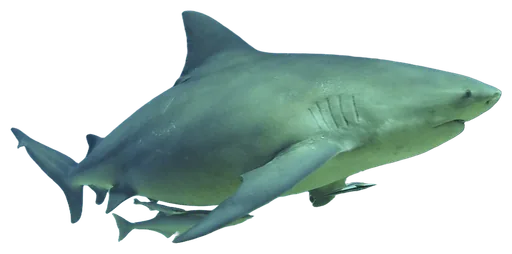
vs Sea LionLoses · 51% · Toss-up 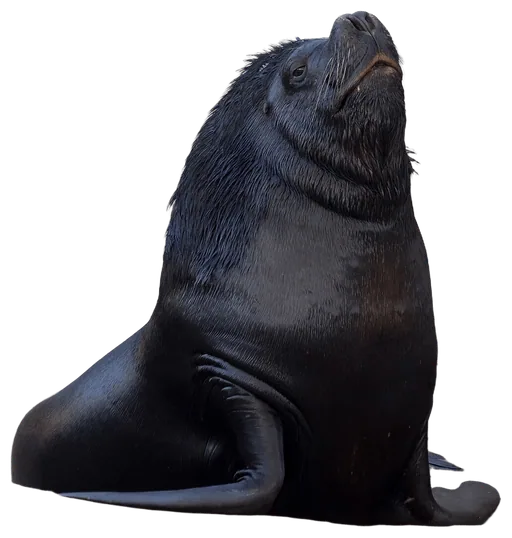 L vs Bull SharkLoses · 53% · Toss-up
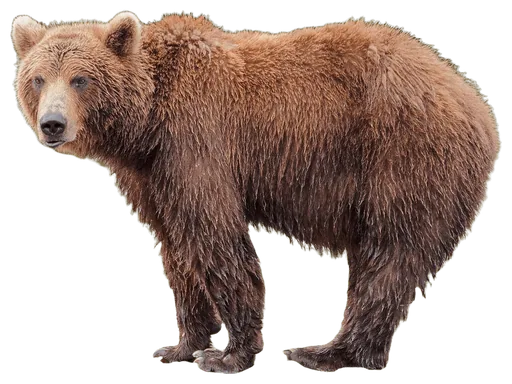
  L vs Grizzly BearWins · 50% · Toss-up
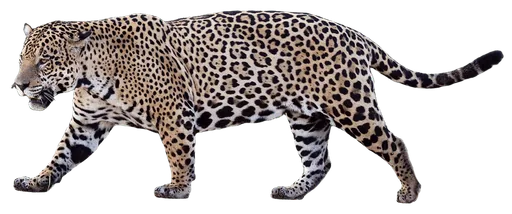
  W vs JaguarLoses · 51% · Toss-up
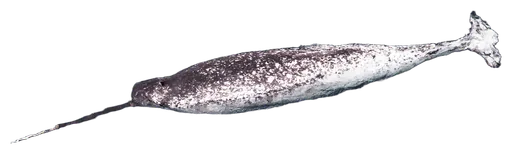
  L vs NarwhalLoses · 53% · Toss-up
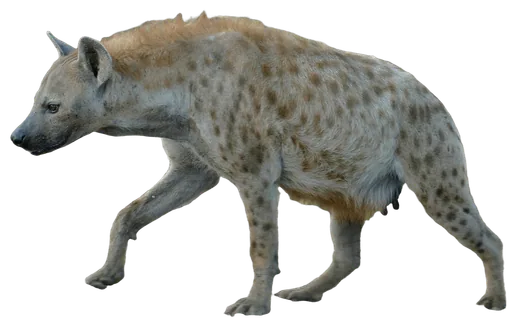
  L vs HyenaWins · 51% · Toss-up
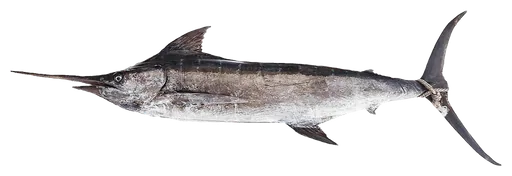
  W vs MarlinWins · 53% · Toss-up
  W vs SawfishLoses · 54% · Toss-up
  L
L  Pick any opponent
 Thresher Shark battle analysis
The common thresher looks like a normal shark that has been given someone else's tail. The upper lobe is as long as the rest of the body, so a 4.5 m, 230 kg female is really a 2.2 m shark trailing an equally long whip. That whip is its main weapon. Circling a school of fish, sometimes with a partner, the thresher splashes to herd the fish together, snaps its pectoral fins in to pitch forward, and throws the tail over its head or sweeps it sideways.
Studies of the related pelagic thresher show the tail tip moving at around 14 m/s and sometimes over 20 m/s, fast enough to produce bubbles, and a good strike leaves several stunned fish to be collected. In southern California, every recorded common thresher feeding event began with the tail. The shark's vertebrae are built to handle this extreme bending, and its warm red muscle keeps it strong and fast in cool water, even allowing it to leap clear of the sea.
The thresher's weakness is everything except the tail. Its mouth and teeth are small, its body is slender and unarmored, and its long tail is easily hooked or damaged. Against schooling fish it is one of the most specialised hunters in the ocean; against a large biting shark it would have to rely on speed to escape.
Habitat & range
The common thresher lives in temperate and subtropical seas worldwide, both near the coast and in the open ocean, mostly within about 30 km of land. It is usually near the surface but dives to at least 550 m. It migrates toward higher latitudes with warm water, while juveniles use warm nursery areas.
Diet & hunting
Feeds mainly on schooling fishes such as mackerels, bluefish, herrings and sardines, needlefish, lancetfish and lanternfish, plus squid, octopus and pelagic crustaceans, and rarely seabirds. It is less selective in warm El Niño years when preferred prey is scarce.
Social life
Usually seen alone, but threshers sometimes hunt in pairs or small groups when herding schools of fish.
Conservation
Listed as Vulnerable on the IUCN Red List, having been moved from Data Deficient to Vulnerable in 2007 and reassessed in 2018. It is caught in drift gillnet, longline and recreational fisheries, and its slow reproduction makes populations slow to recover.
Quick answers
How strong is a Thresher Shark?
On the Animal Battle Stats scale, the Thresher Shark has an attack rating of 56 and a power index of 65 out of 100, which ranks it #43 of 344 animals and puts it in A tier (Elite). Its strongest stat is stamina (84).
How much does a Thresher Shark weigh?
A typical adult Thresher Shark weighs about 230 kg (507 lb). Rated specimen: healthy mature adult female, 450 cm total length (tail included) and 230 kg, matching FishBase's common length and the "commonly 5 m and 230 kg" size in secondary summaries, rather than the 5.7 m confirmed maximum or the 510 kg heaviest record.
How fast is a Thresher Shark?
There is no reliable measured top speed for the Thresher Shark, so we do not publish one. Its agility rating, which covers acceleration, reflexes and evasion, is 80 out of 100.
What does a Thresher Shark eat?
Feeds mainly on schooling fishes such as mackerels, bluefish, herrings and sardines, needlefish, lancetfish and lanternfish, plus squid, octopus and pelagic crustaceans, and rarely seabirds. It is less selective in warm El Niño years when preferred prey is scarce.
Is the Thresher Shark endangered?
The Thresher Shark's conservation status is Vulnerable. Listed as Vulnerable on the IUCN Red List, having been moved from Data Deficient to Vulnerable in 2007 and reassessed in 2018. It is caught in drift gillnet, longline and recreational fisheries, and its slow reproduction makes populations slow to recover.
What animals can beat a Thresher Shark?
Among its closest rivals, the Sea Lion (51%), the Bull Shark (53%), the Jaguar (51%), the Narwhal (53%), the Sawfish (54%) would be favored against the Thresher Shark. It would be favored against the Grizzly Bear, the Hyena, the Marlin.
Researched 2026-09-28. Ratings are editorial judgments built from these sources; measurements describe a healthy adult female.
- Wikipedia, Common threshersize, weight, maturity, lifespan, herding, attack record, IUCN
- FishBase, Alopias vulpinus summarylength, weight, age, diet, depth, IUCN
- Florida Museum, Discover Fishes: Alopias vulpinustail, teeth, maturity, danger
- Aalbers et al. 2010, Journal of Fish Biology (PubMed)tail as feeding weapon
- Oliver et al. 2013, PLOS One, Thresher sharks use tail-slaps as a hunting strategytail-slap kinematics
- Cartamil et al. 2011, Marine Biology (PubMed)depth and temperature use
- Patterson et al. 2011, Journal of Morphology (PubMed)regional endothermy
- Temperature and haemoglobin-oxygen binding, Journal of Experimental Biology 2023 (PubMed)endurance physiology
- Vertebral morphology in the tail-whipping common thresher, Royal Society Open Science 2024 (PubMed)tail-whip mechanics
- Bernal et al. 2010, Comparative Biochemistry and Physiology A (PubMed)swimming mechanics
- Wikimedia Commons, Alopias vulpinus noaa2image candidate
Photo: “Pacifica thresher shark.jpg” by Paul E Ester at English Wikipedia , http://www.pacificapier.com, CC BY-SA 3.0, background removed and cropped. Original
Suggest a correction