
Tasmanian Devil
Sarcophilus harrisiiC tier · Capable121st of 163 mammals
Size & speed

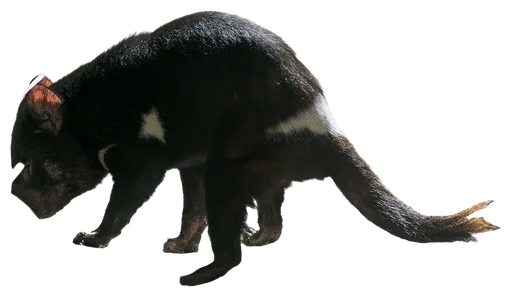
- Weight
- 9 kg20 lb
- Length
- 65 cm25.6 in
- Top speed
- 25 km/h15 mph
As heavy as 2 house cats
Heavier than 45% of animalsAbout 2.2 rulers long
Bigger than 31% of animalsAbout as fast as a person running
Faster than 29% of animalsThe Tasmanian devil is a stocky 6–12 kg marsupial scavenger with the strongest bite for its size of any living mammalian carnivore. It crushes bone, eats whole carcasses and can kill wallabies and wombats, but its small body, slow gallop and lack of armor keep it far below the big predators in a straight fight.
Detailed ratings
Research-backed ratings on one 0–100 scale for all 344 animals (updated 2026-09-28). How ratings work


Card No. 218 of 344. Every animal on Animal Battle Stats has one: its power, tier and archetype on the front; its six battle stats, abilities and signature move on the back.
Special abilities
A large head, heavy jaw muscles and 75–80 degree gape give the highest bite force relative to body mass of any living mammalian carnivore measured (BFQ 181). It lets the devil crush bone and deliver a killing bite to the head or neck of wallabies and wombats.
Growls, screeches and the wide open-mouthed gape settle most carcass disputes without contact. In a matchup it can make a rival or scavenger hesitate, but it does not add damage.
Unique traits
The biggest surviving meat-eating marsupial, a stocky 6–12 kg animal found only in Tasmania.
Eats meat, bone and fur, typically about 15% of its body weight a day and up to 40% in 30 minutes when food is plentiful.
How it fights
Weapons
- The devil's weapon is its jaw. A large head, heavy jaw muscles and robust teeth give it the highest bite force for its body size of any living mammalian carnivore measured by Wroe et al. The absolute figure, about 418 N at the canine for a 12 kg animal, is roughly what a medium dog produces. It lets a devil crush bone, consume whole carcasses including fur, and kill prey larger than itself. Andersen et al. (2020) note that hunting is rarely seen but that devils can kill Bennett's wallabies and bare-nosed wombats, using a crushing bite to the head or neck. Wikipedia describes attacks on wombats up to 30 kg.
- Forelimbs are used for holding and digging; the claws are not the main weapon. With only a 9 kg body behind it, the bite can maim a medium animal but cannot overpower a large predator head-on.
Struggles vs
- Small absolute mass (9 kg).
- Slow for a predator; poor at pursuing fast prey.
- No armor; relies on a single close-range weapon.
- Highly vulnerable to DFTD, a transmissible cancer.
- Weight
- 9 kg20 lb
- Height
- 30 cm11.8 in
- Length
- 65 cm25.6 in
- Top speed
- 25 km/h15 mph
- Bite force
- No reliable measurement
- Lifespan
- 5 years
- Home biome
- Forest
- Lifestyle
- Mostly solitary, nocturnal
Rated specimen: Healthy mature adult male, 9.0 kg, about 65 cm head-body length plus a 25–26 cm tail and about 30 cm at the shoulder.
Fun facts
- Pound for pound, the devil has the strongest bite of any living mammalian carnivore measured, with a bite force quotient of 181.
- A newborn devil weighs about 0.2 g, roughly the weight of a raisin.
- A female gives birth to 20–30 young but has only four nipples in her pouch.
- Devils can eat up to 40% of their body weight in 30 minutes.
- Their teeth are never replaced but keep erupting slowly through life.
- DFTD is one of only a handful of contagious cancers known in nature.
Closest rivals by power. Tap one for the full breakdown, or pick any opponent.
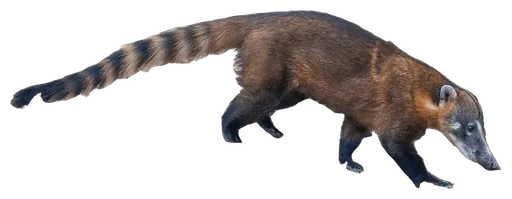
vs OpossumWins · 57% · Toss-up 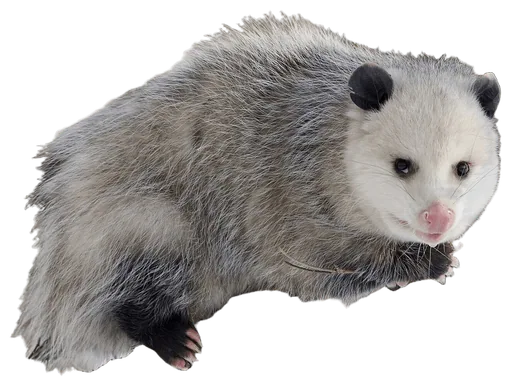 W vs South American CoatiWins · 53% · Toss-up
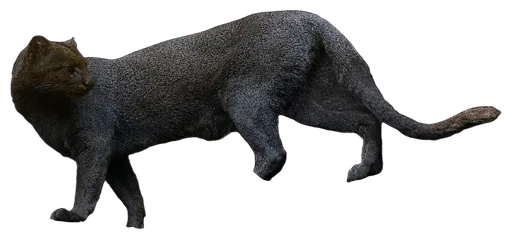
 W vs JaguarundiWins · 52% · Toss-up
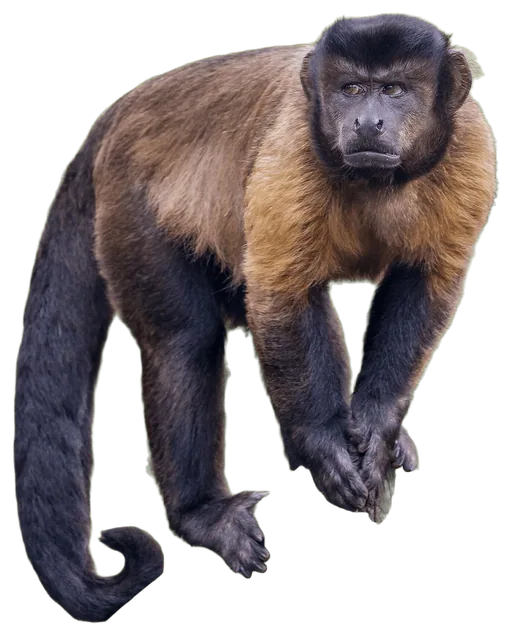
 W vs Capuchin MonkeyWins · 56% · Toss-up
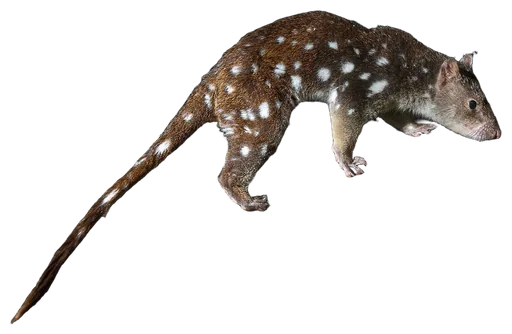
 W vs QuollWins · 57% · Toss-up
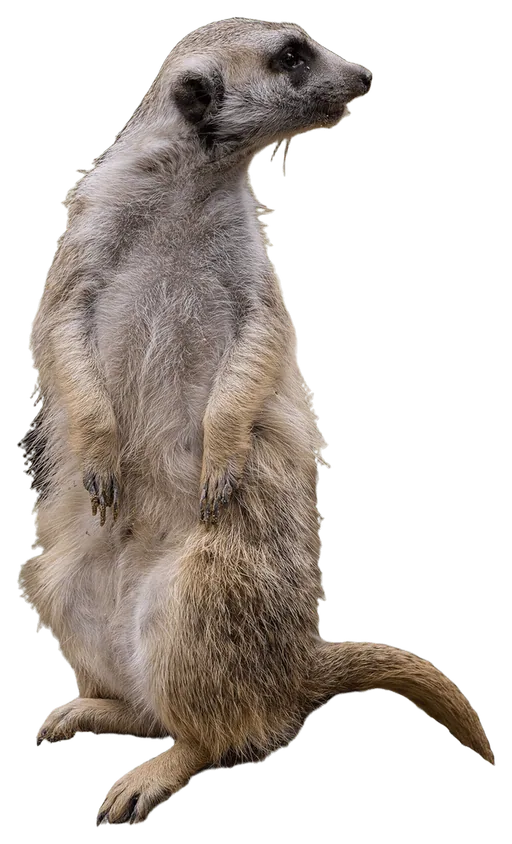
 W vs MeerkatWins · 65% · Slight edge
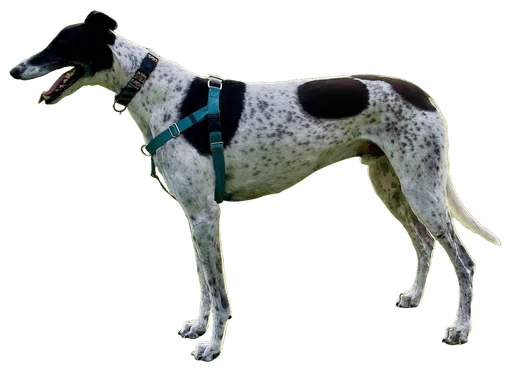
 W vs GreyhoundLoses · 59% · Slight edge
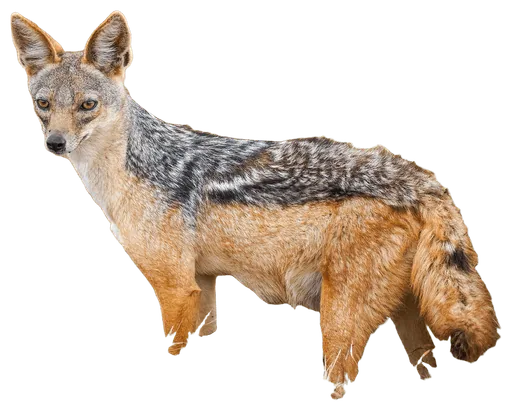
 L vs JackalLoses · 51% · Toss-up
 L
Tasmanian Devil battle analysis
The Tasmanian devil is a jaw on legs. A mature male weighs about 9 kg, yet its massive head and jaw muscles produce the highest bite force relative to body size of any living mammalian carnivore that has been measured. That bite lets it crush bones, swallow fur and hide, and clean a carcass so thoroughly that little remains. When it hunts, it kills with a crushing bite to the head or neck and can take animals heavier than itself, including wallabies and wombats.
The rest of the body supports that weapon rather than adding new ones. Devils amble and gallop instead of sprinting, so they rarely catch healthy fast prey. Their strength is endurance: they patrol trails for up to 16 km in a night, find carcasses by smell and hearing, and settle disputes with a chorus of growls, screeches and wide-mouthed gapes. Most encounters end without contact, but when devils do fight, especially during mating, they bite each other hard, which is how devil facial tumour disease spreads.
In a matchup the devil is dangerous to anything its own size or smaller that lets it close in. Its bite is far stronger than its mass suggests, and it tolerates wounds. Against large predators, armored animals or fast opponents, its small body, limited speed and single weapon leave it outmatched. On the absolute roster scale it sits among small carnivores such as badgers and honey badgers, with a notable Special score for its bone-crushing specialization.
Habitat & range
Found only on the island of Tasmania, where it uses almost all habitats, including coastal heath, dry forest, wet forest and farmland edges. It disappeared from mainland Australia about 3,500 years ago. Insurance populations are kept in zoos and disease-free sites under the Save the Tasmanian Devil Program, and a small group has been returned to the Australian mainland for the first time in over 3,000 years (Wikipedia).
Diet & hunting
A scavenger and hunter that eats whatever animal food is available. Favorite prey and carrion include wallabies, possums and wombats; small mammals and birds are eaten as prey or carrion, and seabird feathers and fur-seal fur have turned up in scats. Collared devils spent more time scavenging than hunting. By clearing carcasses quickly, devils help limit insects that could otherwise harm livestock (Wikipedia).
Social life
Solitary, with overlapping home ranges of about 2,500 ha at one study site; Wikipedia gives two-to-four-week home ranges of 4–27 km². Devils gather at large carcasses, where they compete with noise and posture, and meet during the mating season (recent studies place it between February and June), when biting is most frequent. Contact-network studies found all devils in one population linked into a single network.
Conservation
Endangered on the IUCN Red List (2008), under Tasmania's Threatened Species Protection Act and under Australia's EPBC Act. Devil facial tumour disease, a fatal, contagious cancer spread by biting, has reached about 95% of the species' range in two decades. The Save the Tasmanian Devil Program manages insurance populations and disease-free sites.
Quick answers
How strong is a Tasmanian Devil?
On the Animal Battle Stats scale, the Tasmanian Devil has an attack rating of 40 and a power index of 46.3 out of 100, which ranks it #218 of 344 animals and puts it in C tier (Capable). Its strongest stat is stamina (68).
How much does a Tasmanian Devil weigh?
A typical adult Tasmanian Devil weighs about 9 kg (20 lb). Rated specimen: healthy mature adult male, 9.0 kg, about 65 cm head-body length plus a 25–26 cm tail and about 30 cm at the shoulder.
How fast is a Tasmanian Devil?
The Tasmanian Devil's top speed is about 25 km/h (15 mph). Its agility rating is 48 out of 100.
What does a Tasmanian Devil eat?
A scavenger and hunter that eats whatever animal food is available. Favorite prey and carrion include wallabies, possums and wombats; small mammals and birds are eaten as prey or carrion, and seabird feathers and fur-seal fur have turned up in scats. Collared devils spent more time scavenging than hunting. By clearing carcasses quickly, devils help limit insects that could otherwise harm livestock (Wikipedia).
Is the Tasmanian Devil endangered?
The Tasmanian Devil's conservation status is Endangered. Endangered on the IUCN Red List (2008), under Tasmania's Threatened Species Protection Act and under Australia's EPBC Act. Devil facial tumour disease, a fatal, contagious cancer spread by biting, has reached about 95% of the species' range in two decades. The Save the Tasmanian Devil Program manages insurance populations and disease-free sites.
What animals can beat a Tasmanian Devil?
Among its closest rivals, the Greyhound (59%), the Jackal (51%) would be favored against the Tasmanian Devil. It would be favored against the Opossum, the South American Coati, the Jaguarundi, the Capuchin Monkey, the Quoll, the Meerkat.
Researched 2026-09-28. Ratings are editorial judgments built from these sources; measurements describe a healthy adult male.
- Wikipedia, Tasmanian devildimensions by sex, speed, bite, jaw gape, diet, reproduction
- Animal Diversity Webmass by sex, length, shoulder height, lifespan, nightly travel
- Australian Museumsize, range, scavenging, gape, DFTD, legal status
- NRE Tasmania, About the Tasmanian Devilmaximum male mass, lifespan, diet, travel, gait
- Wroe, McHenry and Thomason (2005), Proceedings Bbite force and BFQ
- Andersen et al. (2020), PLoS ONE (video collars)foraging, hunting, social interactions
- Hamilton et al. (2020), Proceedings Bcontact networks and DFTD
- Frontiers in Immunology (2024) DFTD immune studydisease extent
- Over-eruption in marsupial carnivore teeth (2023), Proceedings Bdentition
- Wikimedia Commons file pagelive photo
Photo: “Healesville Sarcophilus harrisii in Healesville Sanctuary 03.jpg” by Ymblanter, CC BY-SA 4.0, background removed and cropped. Original
Suggest a correction