

Takin
Budorcas taxicolor
 #77 of 341
  Mountains Mountain Tank Vulnerable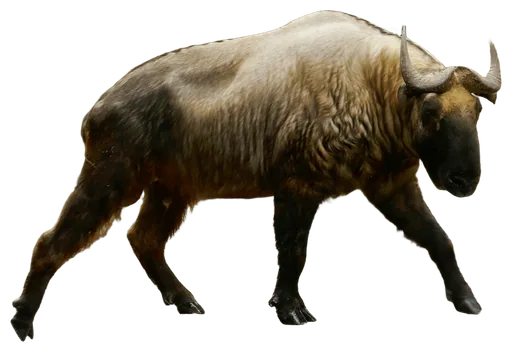
 Fight
FightPhoto: Tiia Monto · CC BY 4.0
The takin is a stocky, 320 kg mountain bovid from the Himalayas and western China, with thick swept-back horns, a bulbous nose and an oily, weatherproof coat. It prefers to hide in dense cover after an alarm cough, but its bulk, horns and sure-footed climbing make it a tough, well-rounded mountain brawler.
 Attack60
  Defense57
  Agility58
  Stamina68
  Intelligence50
  Special60
 Detailed ratings
Research-backed ratings on one 0–100 scale for all 341 animals (updated 2026-09-28). How ratings work
Special abilities
Ability 1Cough and VanishOne loud alarm cough sends the whole herd into dense undergrowth, where the animals lie down and disappear from view.
 Ability 2Oil-Slick Coat
The skin secretes an oily, bitter-smelling substance that sheds rain and fog, over a double coat with air-filled overcoat hairs for insulation.
Unique traits
 TraitBee-Stung Moose Face
A massive head with a long, arched, swollen-looking nose that led biologist George Schaller to compare the takin to a "bee-stung moose".
TraitMountain Ox-GoatOne of the largest and stockiest members of the goat and sheep subfamily (Caprinae), with the bulk of a small ox, standing up to 1.4 m tall yet able to climb and to feed standing on its hind legs.
How it fights
Weapons
- The takin fights with thick, ridged horns set on a massive head and a stocky 320 kg body. Bulls spar head-to-head for dominance in the summer rut and bellow during fights. The horns curve outward and back, so the most dangerous use is a butting, tossing strike: in a documented case of maternal infanticide among captive golden takins, a mother tossed her newborn into the air with her head and horns, leaving punctures in its belly. The horns are shorter and less of a spear than a sable's or an oryx's, and the takin lacks the fused boss of a musk-ox or buffalo.
 Struggles vs
- No armor; body protection is mostly hair.
- Horns shorter and less lethal than a buffalo's or oryx's.
- Heavy build limits sustained speed on open ground.
- Tends to hide rather than confront.
- Weight
- 320 kg705 lb
- Height
- 1.2 m3.9 ft
- Length
- 2.1 m6.9 ft
- Top speed
- No reliable measurement
- Bite force
- No reliable measurement
- Lifespan
- 13.5 years
- Home biome
- Mountains
- Lifestyle
- Social
Rated specimen: Healthy mature bull of about 320 kg, 120 cm at the shoulder and 210 cm head-body length, with full horns.
Fun facts
- Its nose earned it George Schaller's description of a "bee-stung moose".
- The takin is Bhutan's national animal.
- Its skin oozes an oily substance that works like a raincoat in mountain storms.
- Takins stand on their hind legs to reach leaves more than 3 m up.
- A takin sleeps with its head resting on its outstretched front legs, like a dog.
- Summer herds can reach 300 animals high on the mountain slopes.
Closest rivals by power. Tap one for the full breakdown, or pick any opponent.
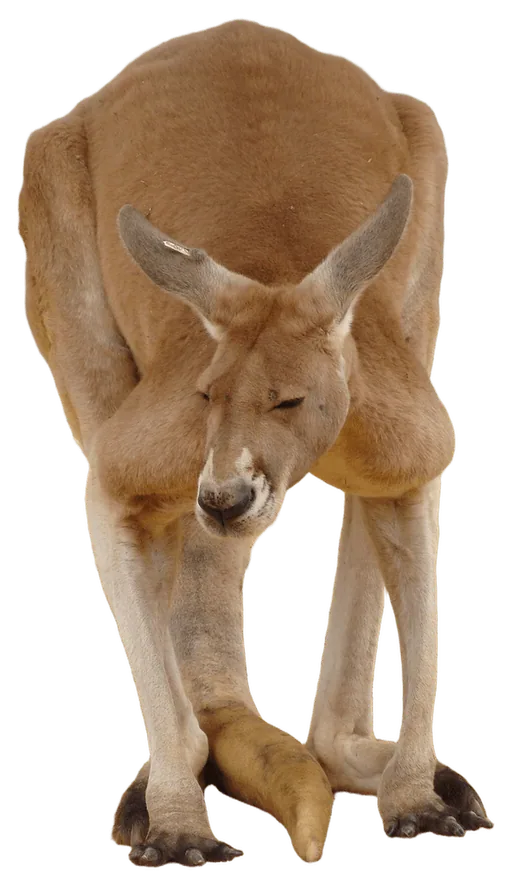
vs Bighorn SheepWins · 50% · Toss-up 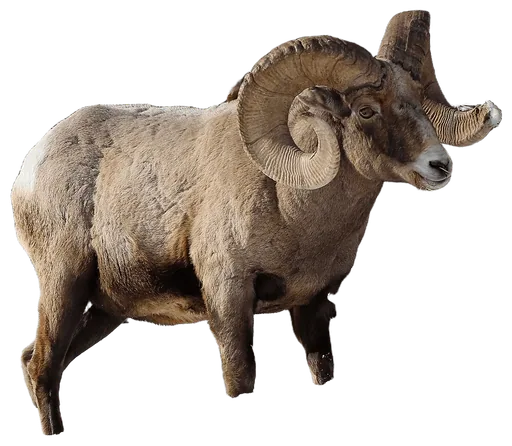 W vs KangarooWins · 50% · Toss-up
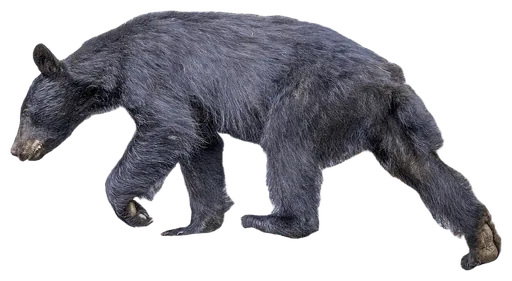
  W vs Black BearWins · 50% · Toss-up
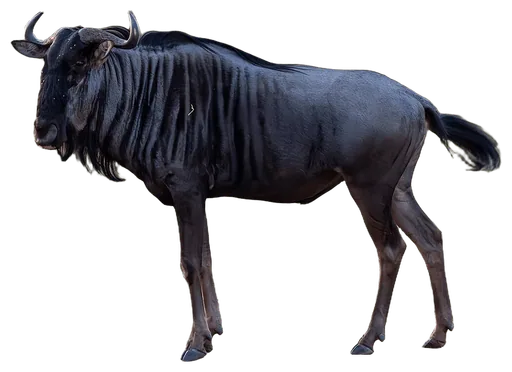
  W vs WildebeestWins · 50% · Toss-up
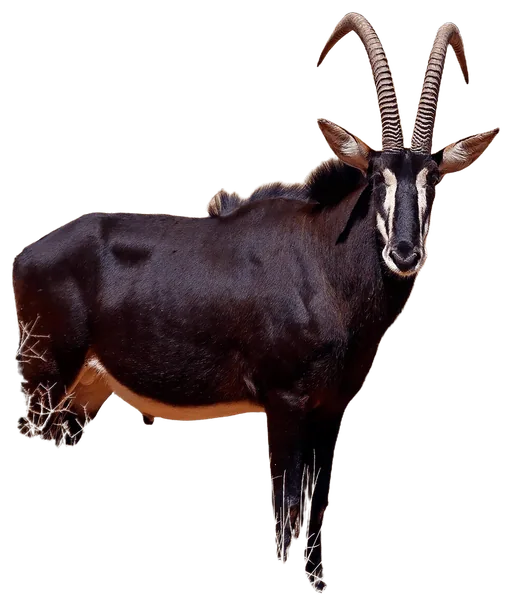
  W vs Sable AntelopeLoses · 50% · Toss-up
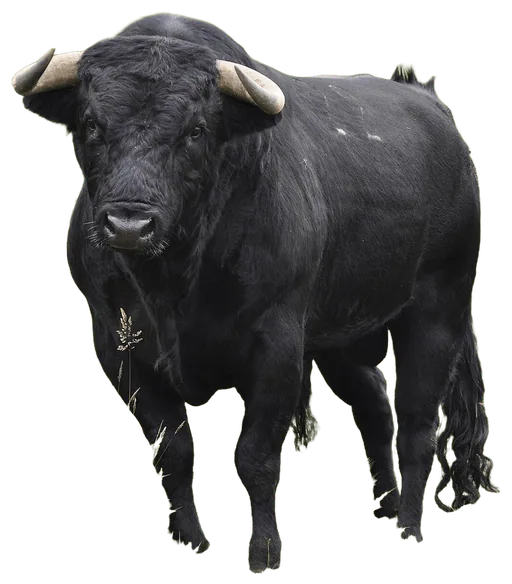
  L vs Fighting BullLoses · 51% · Toss-up
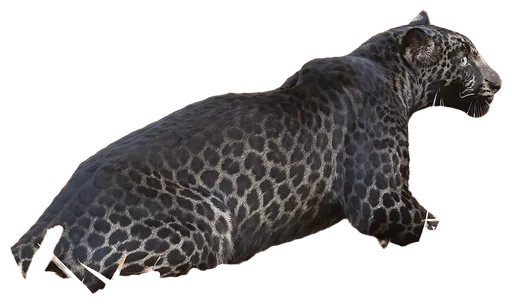
  L vs Black PantherLoses · 51% · Toss-up
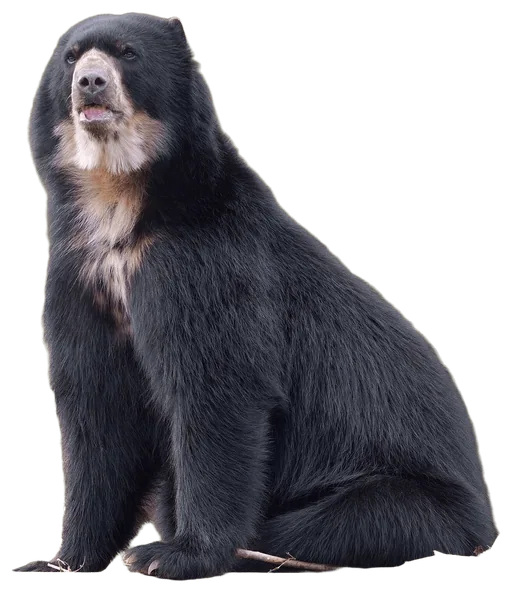
  L vs Spectacled BearLoses · 51% · Toss-up
  L
L  Pick any opponent
 Takin battle analysis
The takin looks assembled from parts: the horns of a wildebeest, the nose of a moose, the bulk of a small bison and the climbing habits of a goat. A mature bull weighs around 320 kg and stands up to 1.4 m tall, with a heavy head, a deep chest, short strong legs and big spurred hooves that grip rocky slopes. Its long coat, thick and shaggy in winter, is slicked with an oily secretion that sheds the rain and fog of its mountain forests.
Takins spend the warm months high on the slopes in large herds, climbing to the tree line above 4,300 m, and move down into forested valleys for winter. They feed at dawn and dusk, gather for days at salt licks, and when danger appears one animal coughs loudly and the herd crashes into thick undergrowth and lies down out of sight. Bears, wolves, leopards and dholes are their only natural enemies.
On the ABS scale the takin sits beside the musk-ox as a mid-weight mountain and cold-climate bovid. It is slightly less heavily armed than the musk-ox, which has a fused horn boss and a practiced defensive ring, but it is more agile on steep ground. It remains far below heavy bovids such as the gaur or water buffalo in size and power, and far below the mountain goat in climbing agility.
Habitat & range
Forested valleys, bamboo thickets and rocky, grass-covered alpine zones from about 1,000 to 4,500 m in Bhutan, northeastern India (Arunachal Pradesh), Myanmar and central and southwestern China, including the Qinling Mountains of Shaanxi where the golden takin lives.
Diet & hunting
Browses and grazes leaves, grasses, bamboo shoots and flowers, feeding mostly in the early morning and late afternoon. Salt is an important part of the diet, and groups may stay at a mineral deposit for several days.
Social life
Family groups of about 20, gathering into summer herds of up to 300; bulls are mostly solitary outside the rut. Herds are made up of cows, kids, subadults and young males.
Conservation
Vulnerable on the IUCN Red List and considered Endangered in China. Threats are overhunting and habitat destruction; takin horns have been sold openly in markets in Myanmar, with 89 sets seen during surveys from 1999 to 2006. A 2010 study of Mishmi takins suggested the species is especially vulnerable to climate change.
Quick answers
How strong is a Takin?
On the Animal Battle Stats scale, the Takin has an attack rating of 60 and a power index of 59.4 out of 100, which ranks it #77 of 341 animals and puts it in B tier (Strong). Its strongest stat is stamina (68).
How much does a Takin weigh?
A typical adult Takin weighs about 320 kg (705 lb). Rated specimen: healthy mature bull of about 320 kg, 120 cm at the shoulder and 210 cm head-body length, with full horns.
How fast is a Takin?
There is no reliable measured top speed for the Takin, so we do not publish one. Its agility rating, which covers acceleration, reflexes and evasion, is 58 out of 100.
What does a Takin eat?
Browses and grazes leaves, grasses, bamboo shoots and flowers, feeding mostly in the early morning and late afternoon. Salt is an important part of the diet, and groups may stay at a mineral deposit for several days.
Is the Takin endangered?
The Takin's conservation status is Vulnerable. Vulnerable on the IUCN Red List and considered Endangered in China. Threats are overhunting and habitat destruction; takin horns have been sold openly in markets in Myanmar, with 89 sets seen during surveys from 1999 to 2006. A 2010 study of Mishmi takins suggested the species is especially vulnerable to climate change.
What animals can beat a Takin?
Among its closest rivals, the Sable Antelope (50%), the Fighting Bull (51%), the Black Panther (51%), the Spectacled Bear (51%) would be favored against the Takin. It would be favored against the Bighorn Sheep, the Kangaroo, the Black Bear, the Wildebeest.
Researched 2026-09-28. Ratings are editorial judgments built from these sources; measurements describe a healthy adult male.
- Wikipedia, Takinsize, horns, coat, habitat, behavior, conservation
- Animal Diversity Web, Budorcas taxicolordimensions, horns, mass range, alarm, predators
- San Diego Zoo Wildlife Alliance, Takinweights, lifespan, predators, oily skin, jump, migration
- Locomotor activity of takin, PLoS One 2020endurance, dimorphism
- Golden takin camera trapping, PeerJ 2020seasonal movement
- Maternal infanticide in golden takins, Zoological Research 2020horn damage
- Climbing in Sichuan takins, Zoo Biology 2025climbing
- Golden takin coat hair, Animal Science Journal 2025coat insulation
- Takin subspecies identification, Animals 2024population variation, data gaps
Photo: “Budorcas taxicolor 2.jpg” by Tiia Monto, CC BY 4.0, background removed and cropped. Original
Suggest a correction