

Syrian Hamster
Mesocricetus auratus
 #334 of 344
  Desert Territorial Endangered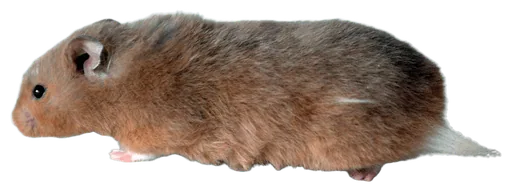
 Fight
FightPhoto: Adamjennison111 at English Wikipedia · CC BY 2.5
The Syrian hamster is a 140 g solitary burrower with enormous cheek pouches, ever-growing incisors that can bite through glass and a fierce temper toward its own kind. Endangered in its small Syrian-Turkish homeland but found worldwide as a pet, it is a determined fighter at its own scale and a negligible one against anything larger.
 Attack9.5
  Defense8
  Agility52
  Stamina48
  Intelligence42
  Special44
 Detailed ratings
Research-backed ratings on one 0–100 scale for all 344 animals (updated 2026-09-28). How ratings work
Special abilities
Ability 1Primed AggressionAfter one attack on an intruder, a resident hamster attacks a second intruder faster and more often for about 30 minutes, a measured effect linked to the amygdala. Combined with the female's larger size and readiness to fight, it makes the hamster a relentless close-range biter against animals its own size.
 Ability 2Glass-Biting Incisors
Ever-growing chisel incisors powerful enough that veterinarians warn hamsters readily bite through glass water tubes. This is its only damaging weapon and it requires body contact.
Unique traits
 TraitMister Saddlebags
Its cheek pouches run from the lips back past the shoulders and, when filled, more than double the width of the head and shoulders; the local Arabic name translates roughly as "mister saddlebags".
TraitEndangered in the Wild, Everywhere as a PetThe wild species is listed as Endangered and survives in a small area of northern Syria and southern Turkey, while every pet and laboratory Syrian hamster traces to siblings captured near Aleppo in 1930.
How it fights
Weapons
- The hamster's only real weapon is a bite from sharp, ever-growing incisors, driven by jaw muscles strong enough to chew through glass. It uses this bite freely against other hamsters: the species is solitary and highly territorial, and attacks between adults are commonplace. In a laboratory "resident-intruder" test, a single attack primes a resident hamster to attack a second intruder faster and more often for about half an hour. At 140 g, however, the bite can only seriously injure animals of similar or smaller size.
 Struggles vs
- Tiny absolute mass and reach.
- No armor or thick hide.
- Poor sustained speed in the open.
- Cannot deter any medium-sized predator.
- Weight
- 140 g4.9 oz
- Height
- No reliable measurement
- Length
- 17 cm6.7 in
- Top speed
- No reliable measurement
- Bite force
- No reliable measurement
- Lifespan
- 2.5 years
- Home biome
- Desert
- Lifestyle
- Mostly solitary, nocturnal
Rated specimen: Healthy adult female of about 140 g (0.14 kg) in pet or laboratory condition, not an obese pet and not one of the heavier breeder-show animals.
Fun facts
- Wild female hamsters in Turkey were almost entirely active by day, the opposite of laboratory hamsters, spending only about 87 minutes a day above ground.
- All pet and laboratory Syrian hamsters trace to a mother and litter dug up near Aleppo in 1930.
- Full cheek pouches can more than double the width of a hamster's head and shoulders.
- Veterinarians warn that Syrian hamsters readily bite through glass water tubes.
- In the species the female is the larger and more aggressive sex.
- Two expeditions in 1997 and 1999 found 30 wild burrows, and none of the inhabited ones held more than one adult.
Closest rivals by power. Tap one for the full breakdown, or pick any opponent.
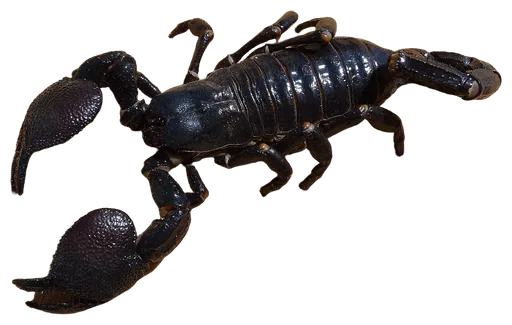
vs Guinea PigWins · 53% · Toss-up 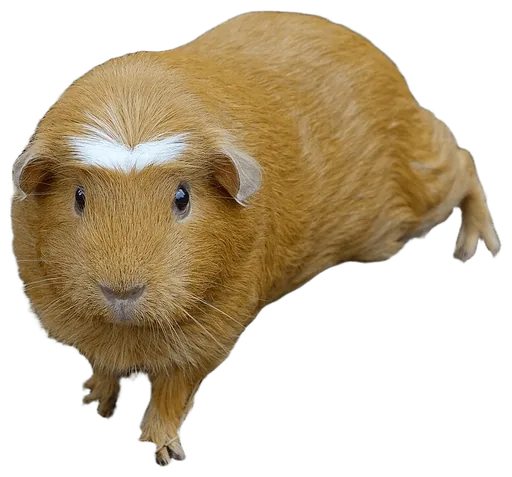 W vs Emperor ScorpionWins · 51% · Toss-up
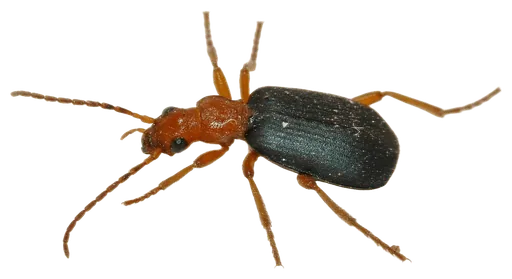
  W vs Bombardier BeetleWins · 51% · Toss-up
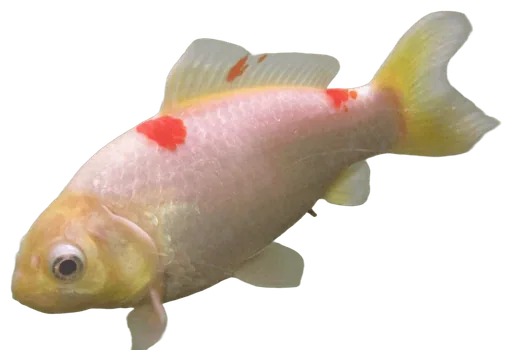
  W vs GoldfishLoses · 51% · Toss-up
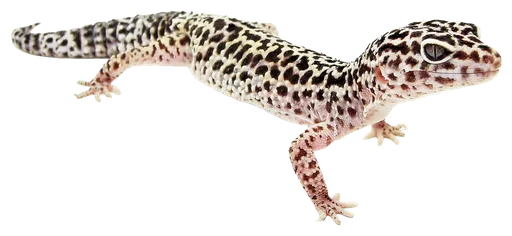
  L vs Leopard GeckoLoses · 51% · Toss-up
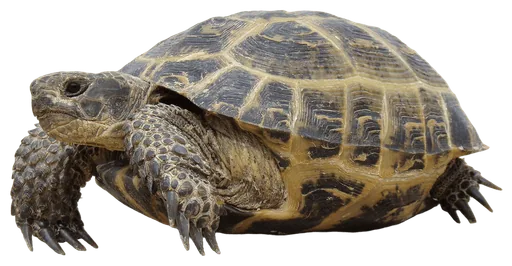
  L vs Russian TortoiseLoses · 52% · Toss-up
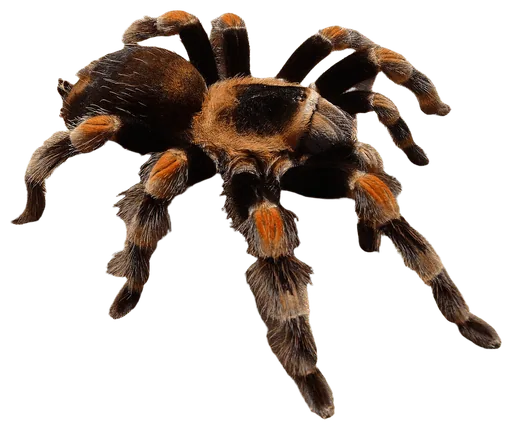
  L vs Mexican Red-knee TarantulaLoses · 52% · Toss-up
  L vs Betta FishWins · 53% · Toss-up
  W
W  Pick any opponent
 Syrian Hamster battle analysis
The Syrian hamster is a small steppe rodent with an outsized reputation. In the wild it lives alone in a deep burrow in the farmland around Aleppo, slipping out in daylight for short foraging trips and stuffing seeds into cheek pouches that stretch back past its shoulders. Burrows are spaced far apart because adult hamsters do not tolerate each other, and the female, the larger sex, is the more dangerous of the two.
Its combat profile follows from that temperament. A hamster fights with its incisors, which are sharp and strong enough to chew through glass, and one fight primes it to attack again quickly. Against another hamster, a mouse or an insect this makes it formidable. Against a cat, fox, weasel, owl or snake it has nothing but speed to its burrow, and on the absolute ABS scale its 140 g body gives it almost no attack or defense.
The species also has a remarkable history. Every pet and laboratory Syrian hamster traces to a few siblings captured in 1930, while the wild population has shrunk to the point of being listed as Endangered. The pet on a child's desk is one of the world's most familiar rodents; its wild counterpart is one of the least studied.
Habitat & range
The wild range is a small arid region of northern Syria and southern Turkey around the Aleppo plateau, originally open steppe and now mostly farmland. Burrows are often in legume fields or near irrigation wells, at about 280–300 m elevation, in a climate of hot summer days, cold nights and about 336 mm of rain a year. As a pet and laboratory animal it lives worldwide.
Diet & hunting
Omnivorous: seeds, grain, nuts, green plants and insects, including ants and flies. Hamsters are larder hoarders, carrying food in their cheek pouches to underground stores. They disperse seeds and their abandoned burrows are used by other animals. Their rapid breeding lets wild populations withstand heavy predation.
Social life
Solitary and territorial. Adults meet only to mate, mark territories with flank-gland secretions and keep burrows far apart. In captivity adults must usually be housed alone.
Conservation
The wild species is Endangered on the IUCN Red List (2022 assessment), threatened by habitat loss to agriculture and deliberate persecution as a crop pest. The domestic form is abundant.
Quick answers
How strong is a Syrian Hamster?
On the Animal Battle Stats scale, the Syrian Hamster has an attack rating of 9.5 and a power index of 27 out of 100, which ranks it #334 of 344 animals and puts it in F tier (Snack). Its strongest stat is agility (52).
How much does a Syrian Hamster weigh?
A typical adult Syrian Hamster weighs about 140 g (4.9 oz). Rated specimen: healthy adult female of about 140 g (0.14 kg) in pet or laboratory condition, not an obese pet and not one of the heavier breeder-show animals.
How fast is a Syrian Hamster?
There is no reliable measured top speed for the Syrian Hamster, so we do not publish one. Its agility rating, which covers acceleration, reflexes and evasion, is 52 out of 100.
What does a Syrian Hamster eat?
Omnivorous: seeds, grain, nuts, green plants and insects, including ants and flies. Hamsters are larder hoarders, carrying food in their cheek pouches to underground stores. They disperse seeds and their abandoned burrows are used by other animals. Their rapid breeding lets wild populations withstand heavy predation.
Is the Syrian Hamster endangered?
The Syrian Hamster's conservation status is Endangered. The wild species is Endangered on the IUCN Red List (2022 assessment), threatened by habitat loss to agriculture and deliberate persecution as a crop pest. The domestic form is abundant.
What animals can beat a Syrian Hamster?
Among its closest rivals, the Goldfish (51%), the Leopard Gecko (51%), the Russian Tortoise (52%), the Mexican Red-knee Tarantula (52%) would be favored against the Syrian Hamster. It would be favored against the Guinea Pig, the Emperor Scorpion, the Bombardier Beetle, the Betta Fish.
Researched 2026-09-28. Ratings are editorial judgments built from these sources; measurements describe a healthy adult female.
- Wikipedia, Golden hamsterstatus, size, cheek pouches, sociality, wild surveys
- Animal Diversity Web, Mesocricetus auratusmass, length, lifespan, behavior, predators, habitat
- Merck Veterinary Manual, Hamsters (professional)length, mass, dimorphism, aggression, lifespan, glass biting, pouches, torpor
- MSD Veterinary Manual, hamster description (pet owner)mass, lifespan
- Gattermann et al. 2008, Biology Letterswild activity, predators
- Krause and Schüler 2010, J. Anim. Breed. Genet.domestic vs wild size
- Potegal et al. 1996, Neuroscienceaggression
- Wikipedia, Domestication of the Syrian hamsterdomestic history
Photo: “Golden hamster side 1.jpg” by Adamjennison111 at English Wikipedia, CC BY 2.5, background removed and cropped. Original
Suggest a correction