
Swordfish
Xiphias gladiusA tier · Elite19th of 51 sea creatures
Size & speed

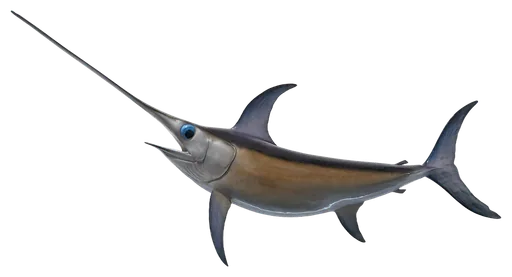
- Weight
- 200 kg441 lb
- Length
- 3 m9.8 ft
As heavy as 2.9 people
Heavier than 79% of animals1.7× a person's height
Bigger than 85% of animalsThe swordfish is a 200-kilogram ocean hunter armed with a long, flat sword that has killed blue sharks and makos. It heats its eyes and brain to see fast prey in cold water hundreds of metres down and migrates thousands of kilometres, but it has no scales or armor and loses to orcas and the biggest sharks.
Detailed ratings
Research-backed ratings on one 0–100 scale for all 344 animals (updated 2026-09-28). How ratings work


Card No. 54 of 344. Every animal on Animal Battle Stats has one: its power, tier and archetype on the front; its six battle stats, abilities and signature move on the back.
Special abilities
A long, flat rostrum used to slash and wound prey and to stab large sharks; stranded blue sharks have been found with sword fragments lodged in their brains and eyes.
A heater tissue warms the eyes and brain 10–15 °C above the water, giving more than ten times better tracking of fast movement while hunting hundreds of metres down.
Unique traits
A gland at the base of the sword pumps oil to pores on the head, which with tiny denticles probably forms a water-repellent layer that cuts drag.
The only living member of its family, with no teeth or scales as an adult and a flat sword instead of a marlin's rounded spear.
How it fights
Weapons
- The sword is the weapon. Swordfish slash large prey with it and swallow small prey whole (Wikipedia), and FishBase states that they use the sword to kill prey. The popular image of skewering prey is based on little evidence; slashing to injure is more likely. The sword is also used against sharks. Campos-Sosa et al. (2025) examined ten blue sharks stranded in the western Mediterranean after fatal encounters with swordfish: every shark carried rostral fragments, the brain was the most damaged organ, and some fragments were already surrounded by fibrous tissue, showing earlier non-fatal clashes. Dead or dying shortfin makos have also been found with broken-off swords in their heads (Wikipedia). This is one of the best-documented lethal weapon uses of any fish on the roster.
Struggles vs
- No armor or scales in adults.
- The sword is a single frontal weapon and can snap off inside a target.
- No bite weapon; nothing to fight with at close quarters once the sword is used.
- Loses to large toothed predators such as orcas and big sharks that can close in.
- Weight
- 200 kg441 lb
- Height
- No reliable measurement
- Length
- 3 m9.8 ft
- Top speed
- No reliable measurement
- Bite force
- No reliable measurement
- Lifespan
- 9 years
- Home biome
- Ocean
- Lifestyle
- Mostly solitary
Rated specimen: Healthy large adult female, 200.0 kg, about 300 cm total length including the sword.
Fun facts
- Swordfish heat their eyes and brain up to 15 °C above the surrounding water.
- They have been recorded as deep as 2,878 m.
- A gland at the base of the sword oils the front of the head.
- Adults have no teeth and no scales.
- One tagged swordfish swam 3,275 km from Tasmania toward the Coral Sea.
- Stranded blue sharks in the Mediterranean have been found with pieces of swordfish sword in their brains.
Closest rivals by power. Tap one for the full breakdown, or pick any opponent.
vs SealWins · 54% · Toss-up  W vs Manta RayLoses · 61% · Slight edge
 L vs MarlinLoses · 52% · Toss-up
 L vs OctopusWins · 62% · Slight edge
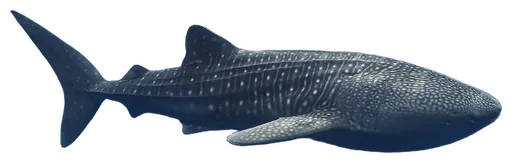
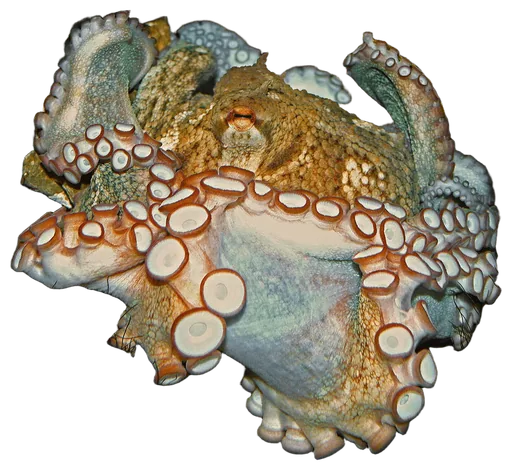 W vs Whale SharkLoses · 72% · Clear edge
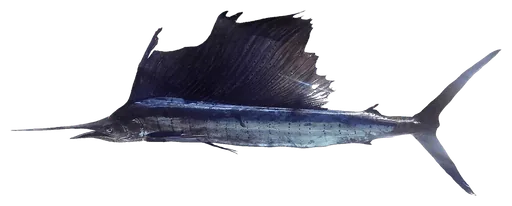
 L vs SailfishWins · 58% · Slight edge
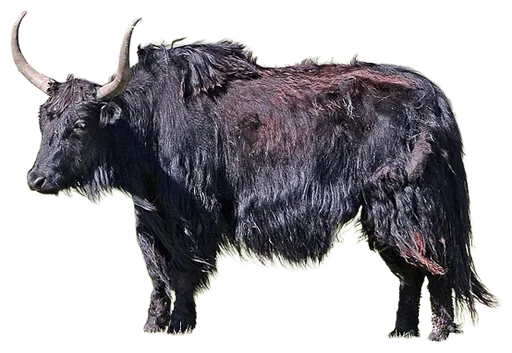
 W vs YakLoses · 55% · Toss-up
 L vs PronghornWins · 57% · Toss-up
 W
Swordfish battle analysis
The swordfish is a deep-diving, heat-assisted hunter built around a single weapon. Its flat, broad sword makes up a large share of its three-metre length, and it uses it to slash through squid and fish before swallowing them. The sword is not only for feeding: blue sharks stranded in the Mediterranean have been found with sword fragments in their brains and eyes, some of them healed over from earlier encounters, and dead shortfin makos have turned up with broken swords in their heads.
What sets the swordfish apart is its physiology. A heater tissue keeps its eyes and brain 10 to 15 °C warmer than the surrounding water, which makes its vision many times better at following fast movement in the cold, dark depths where it spends the day. It commonly hunts at around 500 m and has been recorded below 2,800 m, then rises toward the surface at night. A gland at the base of the sword oils the skin of the head, probably helping it slip through the water.
In a battle, the swordfish is dangerous head-on and very hard to follow into the deep, and it has the stamina to migrate thousands of kilometres. Its limits are just as clear: adults have no scales or armor, the sword can snap off, and it has no bite to fall back on. Killer whales and big toothed sharks that manage to close the distance can overpower it, and outside open water it has nothing to offer.
Habitat & range
Worldwide in tropical and temperate parts of the Atlantic, Pacific and Indian Oceans and the Mediterranean, from roughly 45°N to 45°S. Usually from the surface to 550 m, exceptionally to 2,878 m. Preferred temperatures are 18–22 °C, but it tolerates 5–27 °C and moves toward colder regions to feed in summer.
Diet & hunting
An opportunistic predator feeding from the surface to the bottom. In the north-western Atlantic, 82% of 168 stomachs held squid and 53% held fish such as gadids, mackerels, butterfish, bluefish and sand lance (Wikipedia). Other prey include barracudinas, hake, rockfish, herring, lanternfish and crustaceans. It feeds mostly at night near the surface. Almost 50 parasite species are recorded, including remoras, lampreys and cookiecutter sharks.
Social life
Solitary or in very loose aggregations, with individuals up to 10 m apart. Males and females pair only to spawn.
Conservation
FishBase lists the global IUCN status as Near Threatened (assessed 2021). The North Atlantic stock is not overfished and not subject to overfishing under the 2022 ICCAT assessment (NOAA). Longline fisheries target it across all oceans.
Quick answers
How strong is a Swordfish?
On the Animal Battle Stats scale, the Swordfish has an attack rating of 61 and a power index of 62.4 out of 100, which ranks it #54 of 344 animals and puts it in A tier (Elite). Its strongest stat is stamina (85).
How much does a Swordfish weigh?
A typical adult Swordfish weighs about 200 kg (441 lb). Rated specimen: healthy large adult female, 200.0 kg, about 300 cm total length including the sword.
How fast is a Swordfish?
There is no reliable measured top speed for the Swordfish, so we do not publish one. Its agility rating, which covers acceleration, reflexes and evasion, is 74 out of 100.
What does a Swordfish eat?
An opportunistic predator feeding from the surface to the bottom. In the north-western Atlantic, 82% of 168 stomachs held squid and 53% held fish such as gadids, mackerels, butterfish, bluefish and sand lance (Wikipedia). Other prey include barracudinas, hake, rockfish, herring, lanternfish and crustaceans. It feeds mostly at night near the surface. Almost 50 parasite species are recorded, including remoras, lampreys and cookiecutter sharks.
Is the Swordfish endangered?
The Swordfish's conservation status is Near Threatened. FishBase lists the global IUCN status as Near Threatened (assessed 2021). The North Atlantic stock is not overfished and not subject to overfishing under the 2022 ICCAT assessment (NOAA). Longline fisheries target it across all oceans.
What animals can beat a Swordfish?
Among its closest rivals, the Manta Ray (61%), the Marlin (52%), the Whale Shark (72%), the Yak (55%) would be favored against the Swordfish. It would be favored against the Seal, the Octopus, the Sailfish, the Pronghorn.
Researched 2026-09-28. Ratings are editorial judgments built from these sources; measurements describe a healthy adult female.
- Wikipedia, Swordfishsize, age, speed claim, diet, predators, heater organ
- FishBase, Xiphias gladiuslength, weight, depth, sword use, IUCN status
- NOAA Fisheries, North Atlantic Swordfishtypical size, lifespan, maturity, migration, stock status
- Campos-Sosa et al. 2025, Scientific Reportssword as lethal weapon
- Fritsches et al. 2005, Current Biologyheated eyes and vision
- Videler et al. 2016, Journal of Experimental Biologyoil gland and drag
- Tracey et al. 2023, Scientific Reportsmigration, depth, size of tagged adults
- de Alencar Goyanna et al. 2025, Science of the Total Environmentmercury and human consumption
- Wikimedia Commons, Swordfish - Biblical Museum of Natural Historyimage provenance
Photo: “Swordfish - Biblical Museum of Natural History 2023-08-28 IZE-152.jpg” by MathKnight and Dr. Zachi Evenor, CC BY-SA 4.0, background removed and cropped. Original
Suggest a correction