
Swan
Cygnus olorC tier · Capable36th of 55 birds
Size & speed

- Weight
- 11 kg24 lb
- Length
- 1.5 m4.9 ft
- Top speed
- 89 km/h55 mph
As heavy as 2.4 house cats
Heavier than 47% of animalsAbout as long as a person is tall
Bigger than 61% of animals2× Usain Bolt's top speed
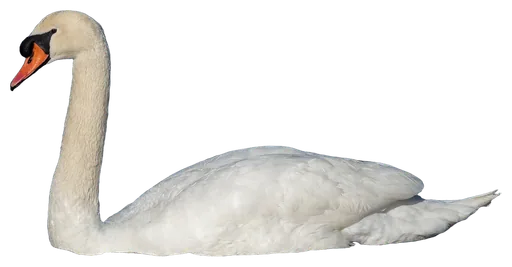
Faster than 95% of animalsThe mute swan is an 11-kilogram waterbird with a big temper. It defends its nest by hissing, raising its wings, then charging with wing blows and bites, and it can drown intruding birds and even attacking dogs in the water. On the full roster its small body and lack of claws or teeth keep its damage low, and it is clumsy on land.
Detailed ratings
Research-backed ratings on one 0–100 scale for all 344 animals (updated 2026-09-28). How ratings work


Card No. 243 of 344. Every animal on Animal Battle Stats has one: its power, tier and archetype on the front; its six battle stats, abilities and signature move on the back.
Special abilities
Climbs onto an intruding bird's back and pecks at its head to force it underwater until it drowns; the same approach has overwhelmed attacking dogs in water.
Hisses, raises its wings in the busking threat pose and then charges, striking with the bony wrist joints of its wings while biting with its bill.
Unique traits
One of the heaviest flying birds, with cobs averaging about 11 kg; it needs a long running take-off across the water but then reaches about 88 km/h in flight.
Despite the "mute" name, its wingbeats make a loud throbbing sound audible 1–2 km away, used as a contact signal in flight.
How it fights
Weapons
- A mute swan attacks with its wings and bill. Defense usually starts with a loud hiss and the "busking" threat pose, neck curved back and wings half raised. If that fails, the swan charges, strikes with the bony wrist area of its wings and bites. Against other waterbirds it has a specific killing technique: it climbs onto the intruder's back and pecks at the head until it forces the bird underwater and drowns it (Wikipedia). Swans can kill red foxes and have overwhelmed and drowned dogs attacking them or their cygnets. Absolute damage is still limited by an 11 kg body with no claws, talons or teeth.
Struggles vs
- Low absolute mass and power on the full roster.
- No claws, talons or teeth; bill and wing blows only.
- Long, exposed neck and legs.
- Poor land mobility and slow take-off.
- Weight
- 11 kg24 lb
- Height
- No reliable measurement
- Length
- 1.5 m4.9 ft
- Top speed
- 89 km/h55 mph
- Bite force
- No reliable measurement
- Lifespan
- 10 years
- Home biome
- Wetlands
- Lifestyle
- Social
Rated specimen: Healthy adult male (cob), 11.0 kg, about 150 cm long with a wingspan of about 220 cm.
Fun facts
- One Polish cob weighed almost 23 kg, the heaviest verified weight for a flying bird.
- The oldest ringed mute swan in Britain lived over 29 years.
- Mute swans are not silent: their wingbeats throb loudly enough to be heard 1–2 km away.
- They run across the water at about 48 km/h to get airborne.
- Swans can kill intruding waterbirds by climbing on them and holding them underwater.
- The story that a swan's wing can break a man's leg is a misconception, although the blows are powerful.
Closest rivals by power. Tap one for the full breakdown, or pick any opponent.
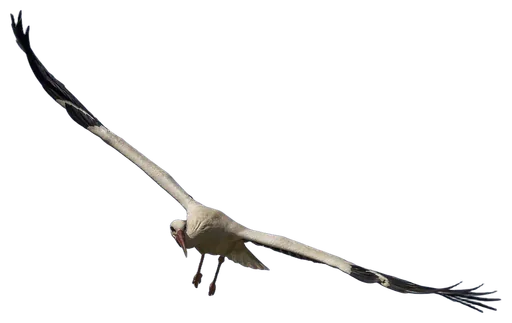
vs African Grey ParrotWins · 69% · Slight edge 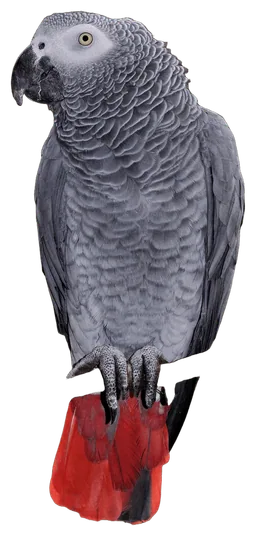 W vs StorkWins · 57% · Toss-up
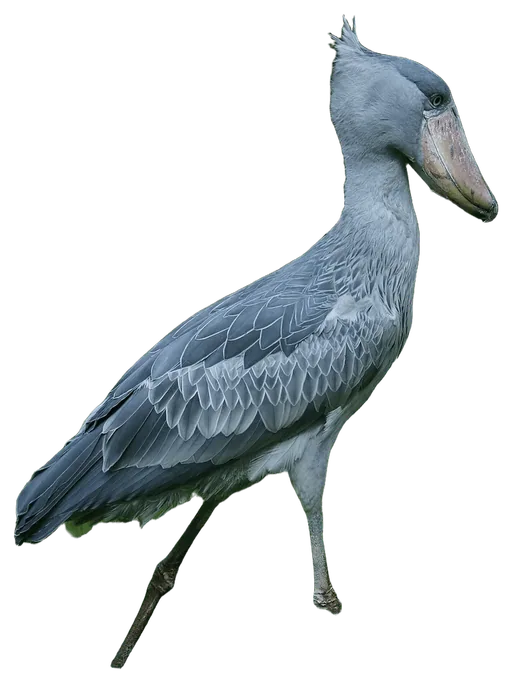
 W vs ShoebillWins · 55% · Toss-up
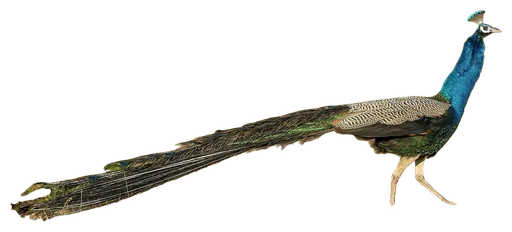
 W vs PeacockWins · 56% · Toss-up
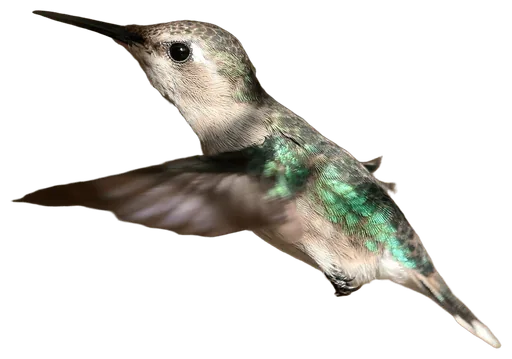
 W vs HummingbirdWins · 87% · Decisive
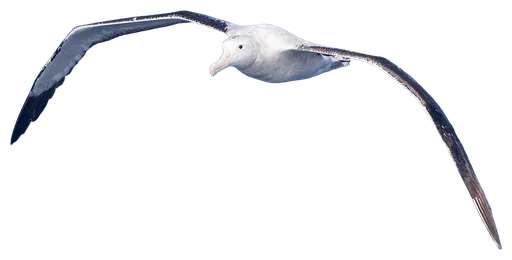
 W vs AlbatrossLoses · 52% · Toss-up
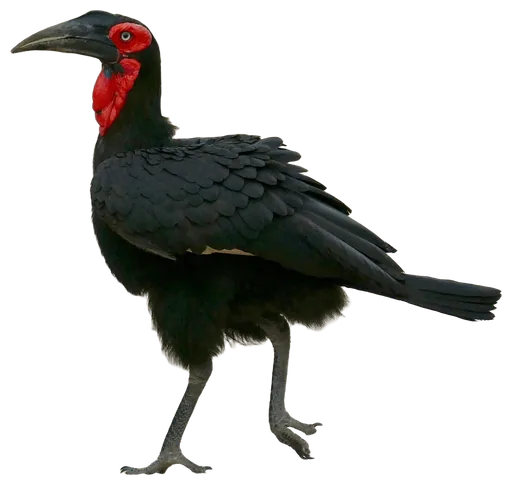
 L vs Southern Ground HornbillWins · 53% · Toss-up
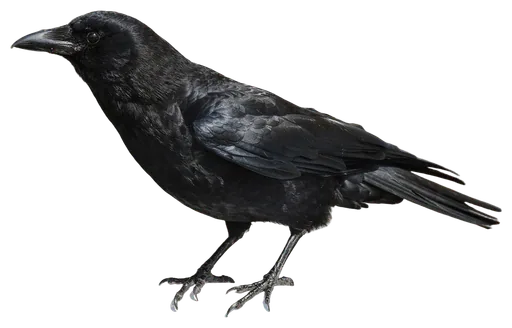
 W vs CrowWins · 69% · Slight edge
 W
Swan battle analysis
The mute swan is one of the heaviest birds that can still fly. A typical cob weighs about 11 kg with a wingspan of more than two metres, and it needs a long, splashing run across the water to get airborne before cruising at up to about 88 km/h. That size makes it the heavyweight of most lakes and rivers it lives on, and it behaves accordingly.
Swans are famous for defending their nests and cygnets. A threatened cob hisses, arches its neck and raises its wings in the busking display. If that does not work it charges, beating with the bony joints of its wings and biting with its bill. Against other waterbirds it has a deadly move: it climbs onto the intruder's back and holds its head underwater. Swans have killed foxes and drowned dogs, and they will chase canoes away from their young.
On the absolute battle scale, though, a swan is still an 11 kg bird. It has no talons, no teeth and no armor, its long neck and legs are exposed, and on land it is slow and awkward. Its best fights happen on open water against animals that cannot swim well. Against real predators of medium size or larger, its courage outruns its weapons.
Habitat & range
Lakes, lagoons and slow-flowing rivers, preferring medium to large bodies of fresh water. Native across much of Europe and temperate Asia; introduced populations are established in North America, where numbers in the lower Great Lakes grew at over 10% a year between 1971 and 2000, doubling every seven to eight years.
Diet & hunting
Mainly aquatic plants, reached by plunging the head and neck underwater or up-ending, since mute swans do not dive; small invertebrates are taken too. Grazing can deplete river vegetation, and managers have modelled "sacrificial" feeding areas to protect valuable plant beds (Wood et al. 2014). Ducks and gulls often feed alongside swans on weed the swans bring to the surface.
Social life
Breeding pairs hold territories, often a single pair on a small lake, of about 4–10 acres (ADW). Non-breeding birds up to three or four years old gather in flocks that can number several hundred at traditional sites. In a few rich areas pairs nest colonially.
Conservation
Least Concern on the IUCN Red List. UK numbers fell from about 1960 to the early 1980s through lead poisoning from swallowed fishing weights and shot, then recovered quickly after lead was replaced. The UK wintering population is internationally important, and the species is on the UK amber list (BTO). Whooper swans spreading into central Europe now compete with mute swans for nest sites.
Quick answers
How strong is a Swan?
On the Animal Battle Stats scale, the Swan has an attack rating of 30 and a power index of 43.6 out of 100, which ranks it #243 of 344 animals and puts it in C tier (Capable). Its strongest stat is stamina (68).
How much does a Swan weigh?
A typical adult Swan weighs about 11 kg (24 lb). Rated specimen: healthy adult male (cob), 11.0 kg, about 150 cm long with a wingspan of about 220 cm.
How fast is a Swan?
The Swan's top speed is about 89 km/h (55 mph). Its agility rating is 62 out of 100.
What does a Swan eat?
Mainly aquatic plants, reached by plunging the head and neck underwater or up-ending, since mute swans do not dive; small invertebrates are taken too. Grazing can deplete river vegetation, and managers have modelled "sacrificial" feeding areas to protect valuable plant beds (Wood et al. 2014). Ducks and gulls often feed alongside swans on weed the swans bring to the surface.
Is the Swan endangered?
No. The Swan is listed as Least Concern. Least Concern on the IUCN Red List. UK numbers fell from about 1960 to the early 1980s through lead poisoning from swallowed fishing weights and shot, then recovered quickly after lead was replaced. The UK wintering population is internationally important, and the species is on the UK amber list (BTO). Whooper swans spreading into central Europe now compete with mute swans for nest sites.
What animals can beat a Swan?
Among its closest rivals, the Albatross (52%) would be favored against the Swan. It would be favored against the African Grey Parrot, the Stork, the Shoebill, the Peacock, the Hummingbird, the Southern Ground Hornbill, the Crow.
Researched 2026-09-28. Ratings are editorial judgments built from these sources; measurements describe a healthy adult male.
- Wikipedia, Mute swanmass, length, wingspan, speed, aggression, predators, population history
- BTO BirdFacts, Mute Swanmass, lifespan, survival, breeding age
- Animal Diversity Web, Cygnus olorlength, wingspan, speed, territory, lifespan, aggression
- RSPB, Mute swanflight, lead poisoning, courtship
- Włodarczyk & Minias 2016, PeerJparental care, territory
- Szewczuk et al. 2026, Animalsinterspecific competition
- Maréchal et al. 2025, Scientific Reportshuman interaction
- Wood et al. 2014, PLoS Onediet and grazing impact
- Wikimedia Commons, Mute swan (16116).jpgimage provenance
Photo: “Mute swan (16116).jpg” by Rhododendrites, CC BY-SA 4.0, background removed and cropped. Original
Suggest a correction