
Sun Bear
Helarctos malayanusB tier · Strong81st of 163 mammals
Size & speed

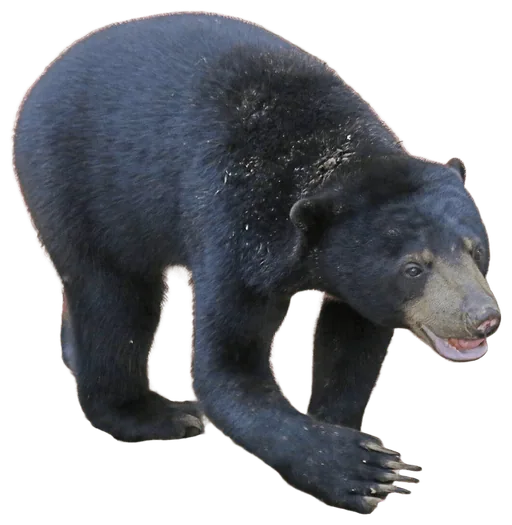
- Weight
- 50 kg110 lb
- Length
- 1.3 m4.3 ft
About as heavy as a person
Heavier than 63% of animalsAbout 4.3 rulers long
Bigger than 56% of animalsThe smallest bear, but one of the fiercest for its size: the sun bear carries 10 cm sickle claws, a bite of about 2,000 N at the molars and loose skin that lets it twist round and bite anything that grabs it. It climbs better than any other bear, though at around 50 kg it is badly outmatched by tigers and big bears.
Detailed ratings
Research-backed ratings on one 0–100 scale for all 344 animals (updated 2026-09-28). How ratings work


Card No. 129 of 344. Every animal on Animal Battle Stats has one: its power, tier and archetype on the front; its six battle stats, abilities and signature move on the back.
Special abilities
The skin is loose enough that a bear gripped by a predator can twist around inside it and bite back, turning a hold into a close-range counterattack.
10 cm sickle claws and a bite of about 2,000 N at the molars let it tear open living tree trunks and termite mounds, the same tools it swings in a fight.
Unique traits
The lightest living bear species at around 25–65 kg in most accounts, and the most arboreal, often resting and sunbathing in trees 2–7 m up.
The longest tongue of any bear, used to lick insects, larvae and honey out of narrow cavities.
How it fights
Weapons
- The sun bear packs a strong weapon set into a small bear. Its bite is unusually strong for its size, with about 2,000 N measured at the molars in a 50 kg animal, and its canines are large. Its forepaws carry heavy, sickle-shaped claws around 10 cm long that it uses to rip open hardwood trunks and termite mounds. In a fight, it combines bites with claw swipes and grappling. It is not a specialised large-prey killer: vertebrates such as birds, rodents, lizards and the occasional deer are a minor part of the diet.
Struggles vs
- Small mass for a bear; outweighed by most large predators.
- No evidence of speed on the ground.
- No armor; defense depends on skin, coat and fighting back.
- Primarily an insect and fruit eater, not a trained large-prey killer.
- Weight
- 50 kg110 lb
- Height
- 70 cm27.6 in
- Length
- 1.3 m4.3 ft
- Top speed
- No reliable measurement
- Bite force
- No reliable measurement
- Lifespan
- 20 years
- Home biome
- Jungle
- Lifestyle
- Social
Rated specimen: Healthy prime adult male, 50.0 kg, about 70 cm at the shoulder and 130 cm head-body, representing a mainland or Sumatran animal rather than the lighter Bornean form.
Fun facts
- It is the smallest bear species, yet its claws are comparable in size to a brown bear's.
- A 50 kg sun bear was measured biting with about 2,000 N at the molars using a reward-driven bite plate.
- Sun bears copy the exact facial expressions of their playmates, a precision previously reported mainly in humans and gorillas.
- A captive sun bear watched sugar being locked away and later opened the lock with a claw.
- One recorded fight between a tiger and a sun bear ended with both animals dead.
- The Malay and Indonesian name beruang madu means "honey bear".
Closest rivals by power. Tap one for the full breakdown, or pick any opponent.
vs Striped HyenaWins · 52% · Toss-up 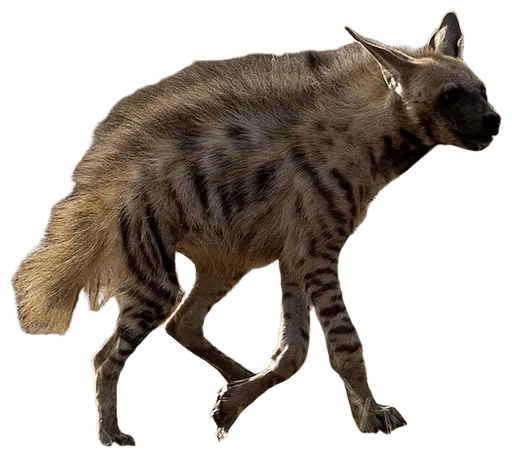 W vs Belgian MalinoisWins · 53% · Toss-up
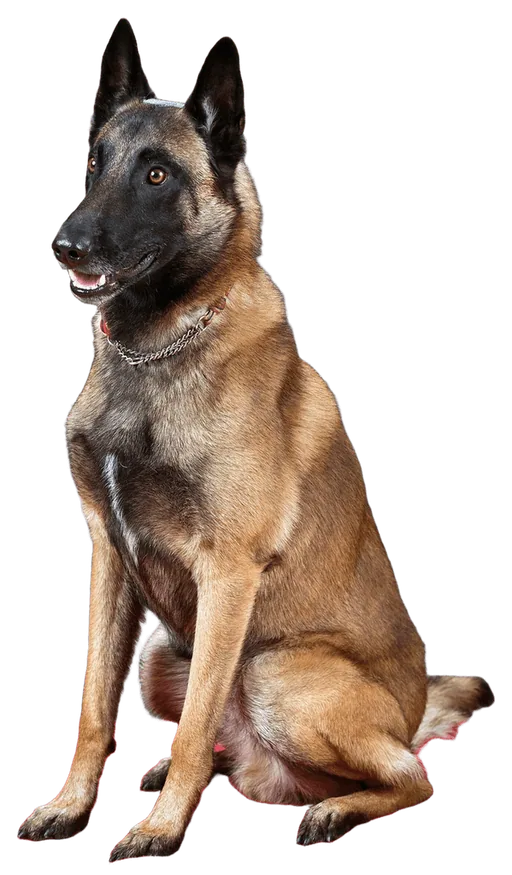 W vs KangalDraw · 50-50 · Dead even
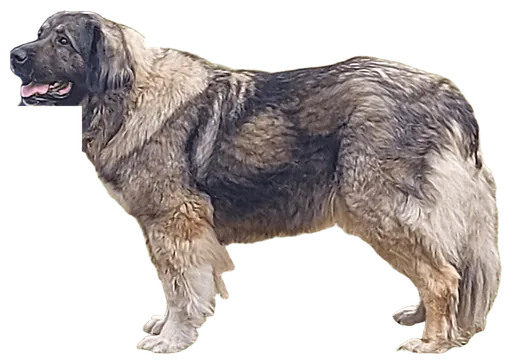
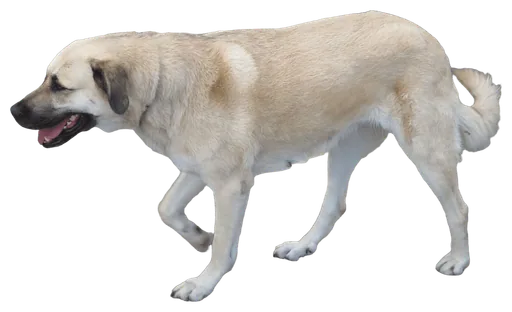 D vs Caucasian Shepherd DogLoses · 52% · Toss-up
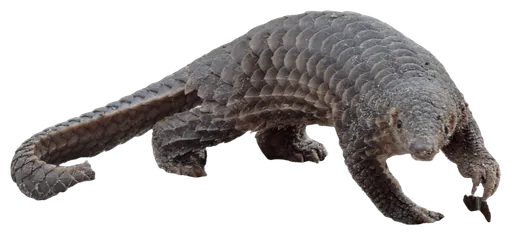
 L vs PangolinWins · 62% · Slight edge
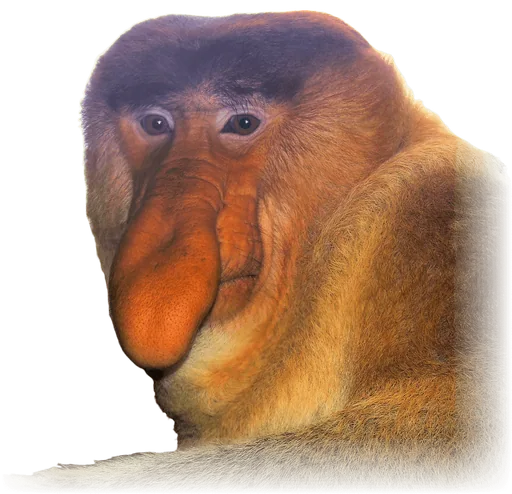
 W vs Proboscis MonkeyWins · 54% · Toss-up
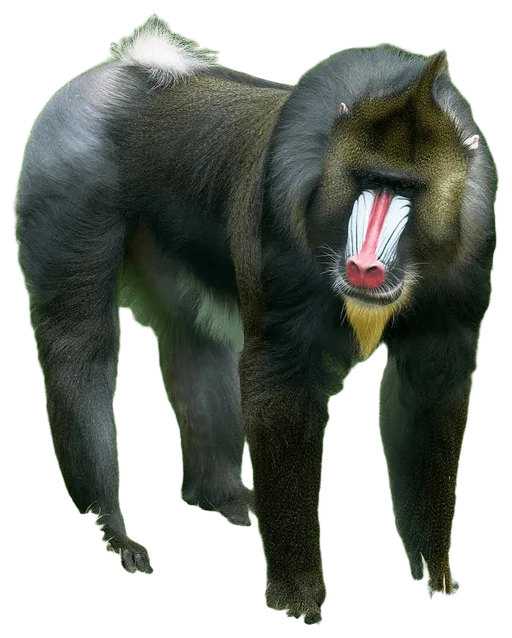
 W vs MandrillWins · 52% · Toss-up
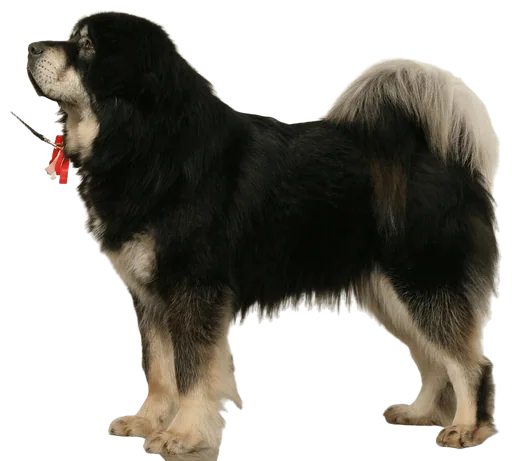
 W vs Tibetan MastiffLoses · 51% · Toss-up
 L
Sun Bear battle analysis
The sun bear looks like a compact, short-coated black bear with an oversized set of tools. Most adults weigh 25 to 65 kg, less than half the size of the black, sloth and spectacled bears on the roster, yet its claws are about 10 cm long and its bite is strong enough for its size that researchers have linked it to ripping open living hardwood trunks for bees and larvae. In a close fight those tools make it a costly opponent for any medium-sized predator.
Its defense is built around getting up a tree first and fighting back second. It is the most arboreal bear, climbing with inward-turned forefeet and bare soles and resting in branches several metres above the ground. When something does get hold of it, the loose skin gives it room to twist and bite, and zoo staff describe exactly that response. Tigers are its main natural enemy, and one recorded tiger–sun bear clash killed both animals, a sign of how expensive it can be to finish one off.
The sun bear is also smarter than its size suggests. Rescued bears housed together mimic one another's facial expressions with remarkable precision, and a captive bear once opened a locked cupboard with a claw. Its limits are real, though: it is slow and short-legged on open ground, it has no armor, and at around 50 kg it is simply outweighed by the big cats and larger bears that can overpower it.
Habitat & range
Tropical evergreen and lowland forests of South and Southeast Asia, from north-eastern India and Bangladesh through mainland Southeast Asia to Sumatra and Borneo. Mangroves are used near preferred forest. The species avoids heavily logged forest and areas near settlements.
Diet & hunting
An omnivore with a broad diet: ants, bees and bee larvae, beetles, termites, honey, fruit and seeds, plus occasional birds, rodents, lizards, deer and scavenged tiger kills. It tears open hollow trees for bees' nests and breaks termite mounds, licking and sucking out the contents while holding pieces with its forepaws. Several bears may gather at large fruiting trees.
Social life
Solitary in the wild apart from mothers with cubs, though group-housed rescued bears form complex play relationships and mimic one another's facial expressions.
Conservation
Listed as Vulnerable on the IUCN Red List and on CITES Appendix I. IBA reports a range-wide decline of more than 30% in 30 years, with populations in Bangladesh and China close to local extinction. Deforestation, forest fires and hunting for the pet and bear-part trade are the main threats; human–bear conflict is a smaller one.
Quick answers
How strong is a Sun Bear?
On the Animal Battle Stats scale, the Sun Bear has an attack rating of 50 and a power index of 53.7 out of 100, which ranks it #129 of 344 animals and puts it in B tier (Strong). Its strongest stat is intelligence (63).
How much does a Sun Bear weigh?
A typical adult Sun Bear weighs about 50 kg (110 lb). Rated specimen: healthy prime adult male, 50.0 kg, about 70 cm at the shoulder and 130 cm head-body, representing a mainland or Sumatran animal rather than the lighter Bornean form.
How fast is a Sun Bear?
There is no reliable measured top speed for the Sun Bear, so we do not publish one. Its agility rating, which covers acceleration, reflexes and evasion, is 60 out of 100.
What does a Sun Bear eat?
An omnivore with a broad diet: ants, bees and bee larvae, beetles, termites, honey, fruit and seeds, plus occasional birds, rodents, lizards, deer and scavenged tiger kills. It tears open hollow trees for bees' nests and breaks termite mounds, licking and sucking out the contents while holding pieces with its forepaws. Several bears may gather at large fruiting trees.
Is the Sun Bear endangered?
The Sun Bear's conservation status is Vulnerable. Listed as Vulnerable on the IUCN Red List and on CITES Appendix I. IBA reports a range-wide decline of more than 30% in 30 years, with populations in Bangladesh and China close to local extinction. Deforestation, forest fires and hunting for the pet and bear-part trade are the main threats; human–bear conflict is a smaller one.
What animals can beat a Sun Bear?
Among its closest rivals, the Caucasian Shepherd Dog (52%), the Tibetan Mastiff (51%) would be favored against the Sun Bear. It would be favored against the Striped Hyena, the Belgian Malinois, the Pangolin, the Proboscis Monkey, the Mandrill. It is dead even with the Kangal: a draw.
Researched 2026-09-28. Ratings are editorial judgments built from these sources; measurements describe a healthy adult male.
- Wikipedia, Sun bearmass, length, bite force, claws, predators, intelligence, diet, conservation
- Animal Diversity Web, Helarctos malayanusmass, height, length, lifespan, diet
- San Diego Zoo Wildlife Alliance, Sun bearclaws, loose skin, weight, length, lifespan
- IBA (International Association for Bear Research and Management), Sun bearmass range, dimorphism, claws, tongue, decline
- van der Meijden et al. 2023, Journal of Experimental Biologybite force
- Taylor et al. 2019, Scientific Reportssocial cognition
- Naing et al. 2020, Ursuspredators
- Fredriksson 2005, Ursushuman conflict
- Wikimedia Commons, Sun bear (Helarctos malayanus euryspilus) Sepilok.jpgimage provenance
Photo: “Sun bear (Helarctos malayanus euryspilus) Sepilok.jpg” by Charles J. Sharp, CC BY-SA 4.0, background removed and cropped. Original
Suggest a correction