

Striped Hyena
Hyaena hyaena
 #127 of 341
  Desert Opportunist Near Threatened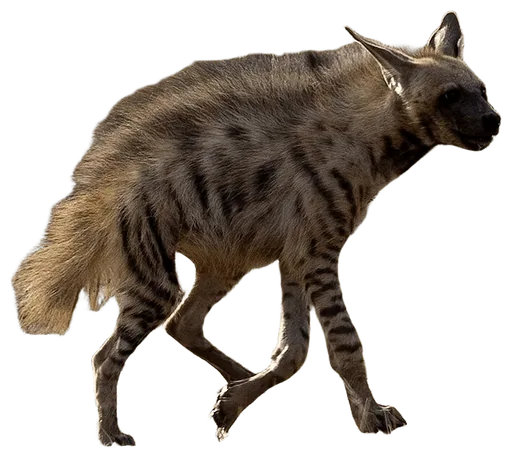
 Fight
FightPhoto: Mashru ashok · CC BY-SA 4.0
The striped hyena is a shaggy, 38 kg night scavenger of Africa and Asia whose bone-cracking jaws let it feed where others cannot. It walks long distances, bluffs with a raised mane and can play dead when overpowered. It will face down a lone leopard over a carcass, but it is slow and lacks the power of big cats or spotted hyenas.
 Attack50
  Defense42
  Agility50
  Stamina72
  Intelligence64
  Special66
 Detailed ratings
Research-backed ratings on one 0–100 scale for all 341 animals (updated 2026-09-28). How ratings work
Special abilities
Ability 1Bone-Splitter JawsA high sagittal crest, massive premolars and strong jaw muscles let it crack bones and tortoise shells. In a fight this makes a sustained bite on a limb unusually damaging for an animal of its size.
 Ability 2Dead-Hyena Bluff
When overpowered by dogs or dug out by people it can sham death for long periods, even when repeatedly bitten, then recover and slip away. It can also evert its anal pouch and release a pungent secretion.
Unique traits
 TraitMane of Warning
A long dorsal mane and black mid-back patch are raised in aggressive encounters; ADW notes the raised mane makes it appear about 38% larger. Rivals bite the throat and legs rather than the mane.
TraitWolf FollowerAcross the Middle East and Central Asia much of its food comes from wolf kills, and on rare occasions striped hyenas have been recorded travelling with wolf packs.
How it fights
Weapons
- The striped hyena's weapon is its bite. A high sagittal crest anchors large jaw muscles, and massive premolars crack bones, carapaces and dried carcass parts that other carnivores leave behind. It is mainly a scavenger of kills made by wolves, big cats and people, plus livestock carrion, but it also kills smaller animals. Observed hunts were a simple chase and grab, and larger individuals kill prey by seizing the flank or groin. Livestock kills are mostly goats, sheep, dogs and poultry. In a Balochistan survey of 876 livestock killed by carnivores in a year, striped hyenas accounted for only 0.6%, against 66.3% for gray wolves, which illustrates how much less of an active killer it is than a wolf.
 Struggles vs
- Only about 38 kg; outmatched by lions, tigers, spotted hyenas and wolf packs.
- Slow, with no sprinting or fast turning ability.
- No armor; bite is the only serious weapon.
- Tends to feign death or retreat rather than press a fight it is losing.
- Weight
- 38 kg84 lb
- Height
- 72 cm28.3 in
- Length
- 1.1 m3.6 ft
- Top speed
- No reliable measurement
- Bite force
- No reliable measurement
- Lifespan
- 11 years
- Home biome
- Desert
- Lifestyle
- Mostly solitary, nocturnal
Rated specimen: Healthy mature adult male of about 38.0 kg, head-body about 110 cm, shoulder height about 72 cm.
Fun facts
- Its raised mane can make it look about 38% bigger.
- When cornered by dogs it may play dead, even while being bitten.
- One striped hyena was seen digging out three hibernating tortoises in two and a half hours.
- A Kenyan camera trap caught one carrying a honeycomb, the first record of a hyena eating honey.
- Serengeti animals walked 7–27 km a night looking for food.
- In India it usually beats a lone leopard in a dispute over a carcass.
Closest rivals by power. Tap one for the full breakdown, or pick any opponent.
vs Sun BearLoses · 50% · Toss-up 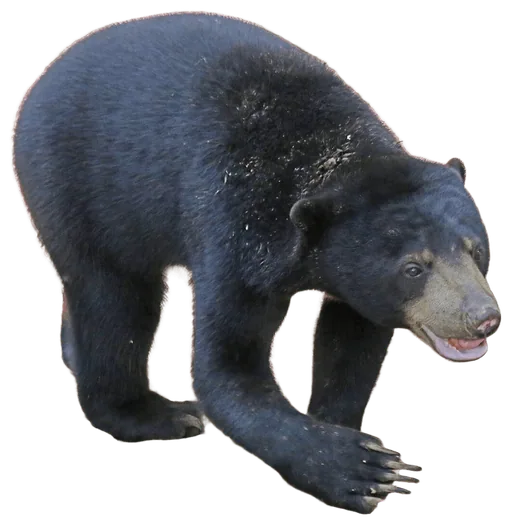 L vs Belgian MalinoisLoses · 50% · Toss-up
 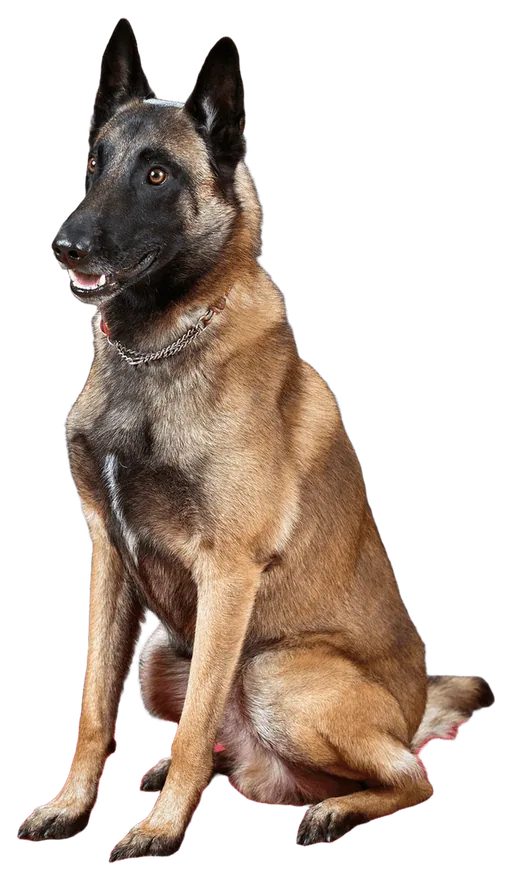 L vs KangalLoses · 50% · Toss-up
 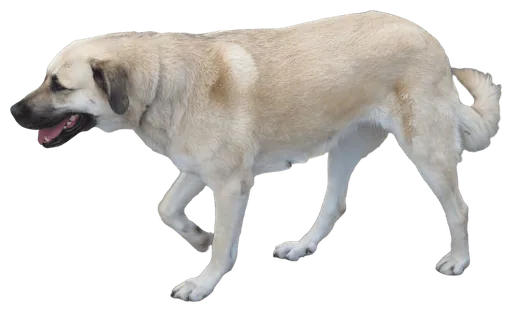 L vs Caucasian Shepherd DogLoses · 51% · Toss-up
 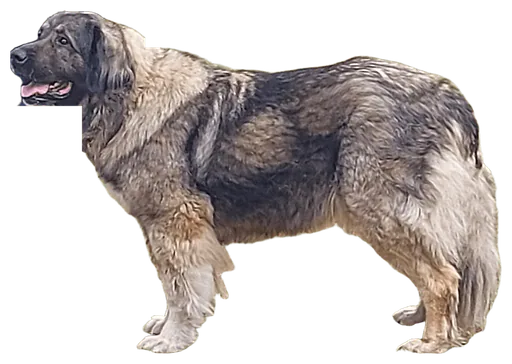 L vs PangolinWins · 50% · Toss-up
 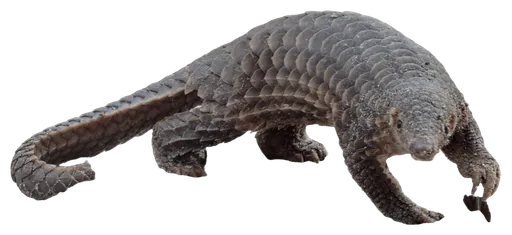 W vs Proboscis MonkeyLoses · 51% · Toss-up
 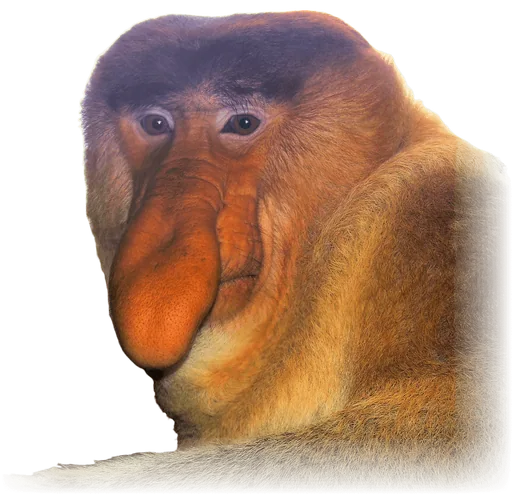 L vs MandrillLoses · 51% · Toss-up
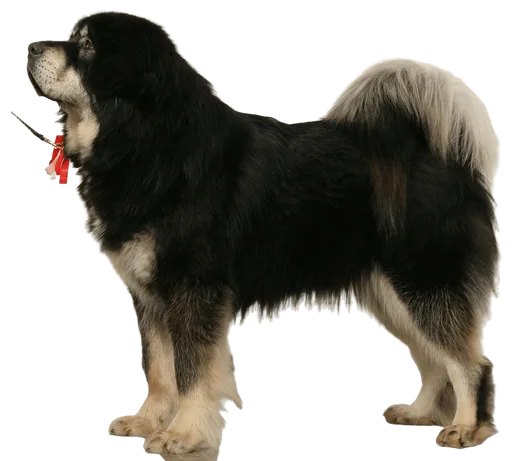
 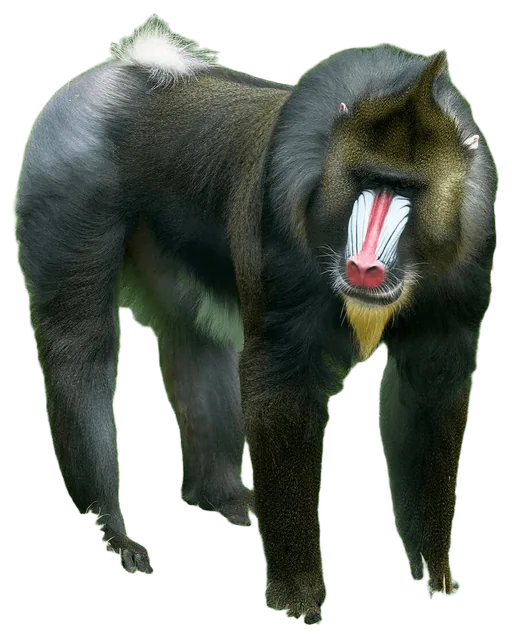 L vs Tibetan MastiffLoses · 51% · Toss-up
  L
L  Pick any opponent
 Striped Hyena battle analysis
The striped hyena is the most widespread and least understood of the bone-cracking hyenas. A mature male weighs around 38 kg, stands about 72 cm at the shoulder and has the family's sloping back, big pointed ears and a coat of grey or beige barred with black stripes. Along its spine runs a long mane that it raises when threatened, suddenly looking far larger than it is.
It spends the night walking. Serengeti animals covered up to 27 km in a night at a steady 2–4 km/h, checking bushes, holes and tree bases, remembering where fruit trees and rubbish dumps are and caching what they cannot eat. It follows wolves and big cats to their kills, and its massive premolars and powerful jaw muscles let it finish bones, hooves and tortoise shells that the killers leave behind.
In a fight it relies on that bite and on its nerve. It can kill a dog with a single bite and usually wins a one-on-one dispute over a carcass with a leopard, yet it is slow, lacks claws built for fighting, and will often choose to sham death rather than keep fighting a losing battle. On the absolute roster scale it sits below the heavier spotted hyena and the gray wolf in Attack, but its toughness, endurance and odd defensive tricks make it a stubborn opponent for medium-sized animals.
Habitat & range
Found from North and East Africa through the Middle East, Turkey and the Caucasus to Central Asia and the Indian subcontinent. It prefers open habitat, thorn scrub, semi-desert, rocky hills and ravines with caves, and avoids dense forest, true sand desert centres and high cold mountains; it has been recorded to about 3,300 m in Pakistan. It tolerates people well and has been recorded close to dense human settlements in Israel.
Diet & hunting
Mainly a scavenger of carrion, bones and the kills of wolves, big cats and other predators. It also eats insects, fruit such as dates, melons and Balanites fruit, human refuse and small vertebrates, and in Turkmenistan it digs out tortoises. In 2024 a camera trap in Kenya photographed an adult carrying a large honeycomb, the first documented case of honey eating by a hyena. It can drink fresh, soda or salt water, or meet its water needs from melons.
Social life
Generally described as solitary, but with more social structure than that label suggests. Pairs and small groups occur, especially in the larger populations, and several animals may meet at a carcass. Scent marking with anal-gland paste ("hyena butter") on grass stalks, stones and tree trunks communicates presence.
Conservation
Near Threatened on the IUCN Red List. The global population is estimated at under 10,000 mature individuals. Threats include deliberate and incidental persecution (in Arabia and North Africa it is baited, tracked and trapped as a supposed grave robber), poisoning (it readily takes strychnine bait laid for wolves or jackals, and was wiped out along Israel's Mediterranean coast by a 1918–1948 rabies poisoning campaign), a shrinking prey base, and a falling supply of carcasses as the large carnivores it scavenges from decline. Camera-trap work in southern Tanzania found it at low density (about 1.4 per 100 km²).
Quick answers
How strong is a Striped Hyena?
On the Animal Battle Stats scale, the Striped Hyena has an attack rating of 50 and a power index of 53.7 out of 100, which ranks it #127 of 341 animals and puts it in B tier (Strong). Its strongest stat is stamina (72).
How much does a Striped Hyena weigh?
A typical adult Striped Hyena weighs about 38 kg (84 lb). Rated specimen: healthy mature adult male of about 38.0 kg, head-body about 110 cm, shoulder height about 72 cm.
How fast is a Striped Hyena?
There is no reliable measured top speed for the Striped Hyena, so we do not publish one. Its agility rating, which covers acceleration, reflexes and evasion, is 50 out of 100.
What does a Striped Hyena eat?
Mainly a scavenger of carrion, bones and the kills of wolves, big cats and other predators. It also eats insects, fruit such as dates, melons and Balanites fruit, human refuse and small vertebrates, and in Turkmenistan it digs out tortoises. In 2024 a camera trap in Kenya photographed an adult carrying a large honeycomb, the first documented case of honey eating by a hyena. It can drink fresh, soda or salt water, or meet its water needs from melons.
Is the Striped Hyena endangered?
The Striped Hyena's conservation status is Near Threatened. Near Threatened on the IUCN Red List. The global population is estimated at under 10,000 mature individuals. Threats include deliberate and incidental persecution (in Arabia and North Africa it is baited, tracked and trapped as a supposed grave robber), poisoning (it readily takes strychnine bait laid for wolves or jackals, and was wiped out along Israel's Mediterranean coast by a 1918–1948 rabies
What animals can beat a Striped Hyena?
Among its closest rivals, the Sun Bear (50%), the Belgian Malinois (50%), the Kangal (50%), the Caucasian Shepherd Dog (51%), the Proboscis Monkey (51%), the Mandrill (51%), the Tibetan Mastiff (51%) would be favored against the Striped Hyena. It would be favored against the Pangolin.
Researched 2026-09-28. Ratings are editorial judgments built from these sources; measurements describe a healthy adult male.
- IUCN/SSC Hyaena Specialist Group, Mills & Hofer (1998), Hyaenas: Status Survey and Conservation Action Planmass, length, height, diet, foraging distance, fighting, interspecific dominance
- San Diego Zoo Wildlife Alliance, Striped Hyenamass, length, height, tail, lifespan, senses
- Animal Diversity Web, Hyaena hyaenamass range, height, speed, mane display
- Wikipedia, Striped hyenastatus, skull, interactions with wolves and big cats, human attacks
- Pérez-Claros & Coca-Ortega (2020), PeerJdentition
- Hadad, Balaban & Yosef (2023), Animalssocial behavior
- Virtuoso et al. (2025), Ecology and Evolutiondiet flexibility
- Ullah et al. (2024), Animalslivestock predation share
- Mahajan et al. (2024), National Journal of Maxillofacial Surgeryhuman injury
- Hardouin et al. (2021), PLoS Onedensity
- Commons, Striped Hyena Adultimage candidate
Photo: “Hayena returning after quenching thirst.jpg” by Mashru ashok, CC BY-SA 4.0, background removed and cropped. Original
Suggest a correction