
Stork
Ciconia ciconiaC tier · Capable38th of 55 birds
Size & speed

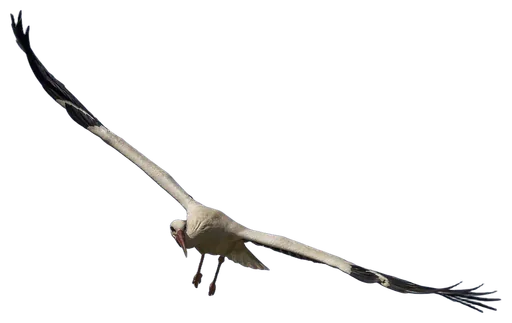
- Weight
- 3.5 kg8 lb
- Height
- 1.15 m3.8 ft
- Top speed
- 54 km/h34 mph
About as heavy as a house cat
Heavier than 32% of animalsAbout 3.8 rulers tall
Bigger than 52% of animalsFaster than Usain Bolt (44.7 km/h)
Faster than 63% of animalsA tall black-and-white wader with long red legs and a dagger-like red bill, the white stork stalks meadows for frogs, rodents and insects and soars thousands of kilometres between Europe and Africa each year. It is a superb long-distance traveller, but at about 3.5 kg it is a light and fragile fighter.
Detailed ratings
Research-backed ratings on one 0–100 scale for all 344 animals (updated 2026-09-28). How ratings work


Card No. 246 of 344. Every animal on Animal Battle Stats has one: its power, tier and archetype on the front; its six battle stats, abilities and signature move on the back.
Special abilities
It spirals up in rising warm air to 1,200–1,500 m and glides onward, using a fraction of the energy of flapping, which lets it cover thousands of kilometres and outlast most opponents in a long pursuit.
A long, straight, pointed bill on a long neck lets it strike at a distance, stab small animals and break larger prey apart before swallowing.
Unique traits
Almost voiceless as an adult, it communicates by rapidly clattering its bill, amplified by its throat pouch into a sound likened to distant machine-gun fire.
Pairs build stick nests 1–2 m deep and up to 250 kg on roofs, church towers, poles and trees, often reusing them for years.
How it fights
Weapons
- The white stork's weapon is its long, straight, pointed bill, driven by a long neck. It swallows small prey whole but kills and breaks apart larger prey first (Wikipedia). Prey includes insects, earthworms, frogs, snakes and lizards, voles, moles and shrews, and sometimes eggs, young birds and fish. The bill can deliver sharp jabs, but a 3.5 kg bird has little force behind it and no talons or hooked tip for holding struggling animals.
Struggles vs
- Low absolute mass and a fragile, light skeleton.
- No talons, armor or hooked bill.
- Slow on the ground and not built for tight aerial manoeuvres.
- Needs thermals for efficient long flights; long sea crossings are costly.
- Weight
- 3.5 kg8 lb
- Height
- 1.15 m3.8 ft
- Length
- 1.1 m3.6 ft
- Top speed
- 54 km/h34 mph
- Bite force
- No reliable measurement
- Lifespan
- 20 years
- Home biome
- Wetlands
- Lifestyle
- Social
Rated specimen: Healthy adult male, 3.5 kg, about 110 cm from bill tip to tail and 115 cm tall when standing, with a wingspan near the middle of the 155–215 cm range.
Fun facts
- A stork found in Germany in 1822 with an African arrow embedded in its body helped prove that birds migrate to Africa.
- Flapping flight burns about 23 times more fat per distance than soaring.
- Storks returning to Latvia find frogs by listening to their mating calls.
- A single stork nest can weigh up to 250 kg.
- Storks cool off by directing their droppings onto their legs.
- Older storks invent new shortcuts on their spring migration.
Closest rivals by power. Tap one for the full breakdown, or pick any opponent.
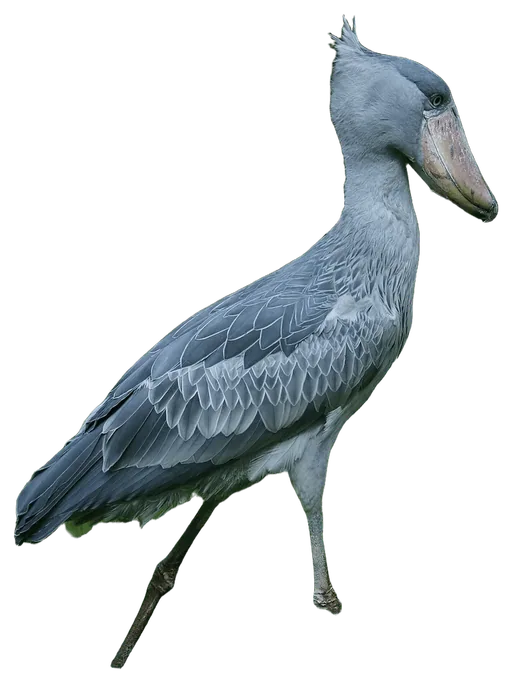
vs African Grey ParrotWins · 62% · Slight edge 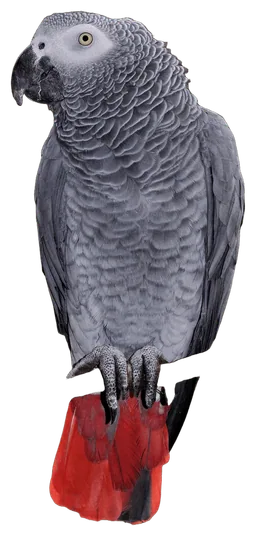 W vs ShoebillLoses · 52% · Toss-up
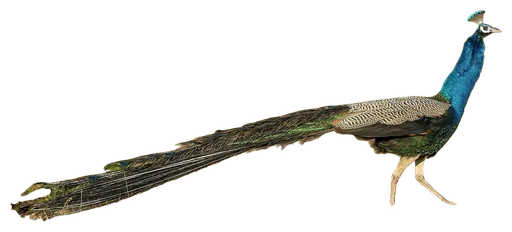
 L vs PeacockLoses · 52% · Toss-up
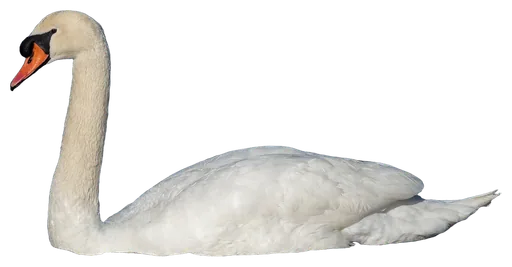
 L vs SwanLoses · 57% · Toss-up
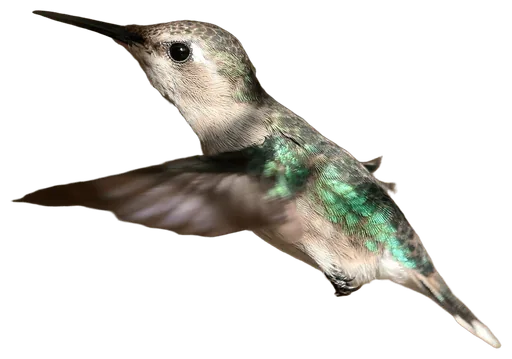
 L vs HummingbirdWins · 83% · Clear edge
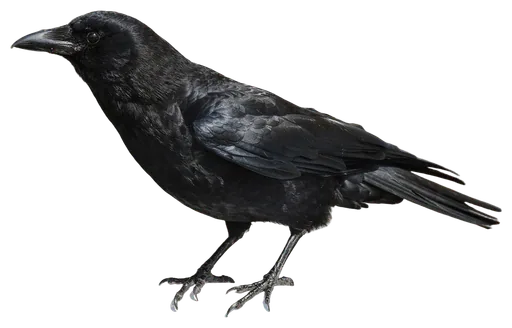
 W vs CrowWins · 63% · Slight edge
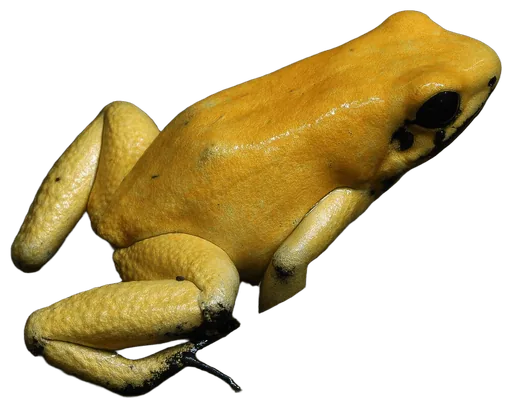
 W vs Poison Dart FrogWins · 81% · Clear edge
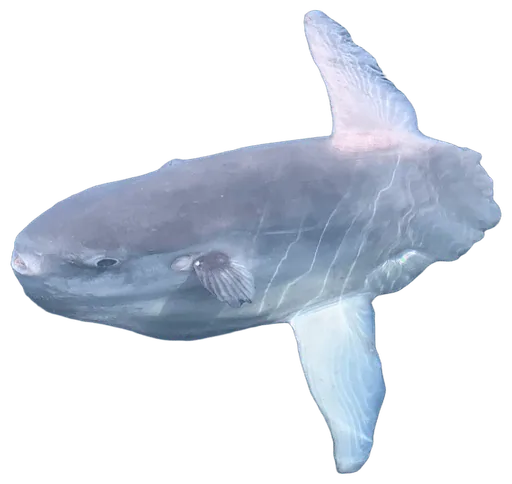
 W vs Ocean SunfishLoses · 75% · Clear edge
 L
Stork battle analysis
The white stork is one of Europe's best-loved birds, a metre-tall wader with white plumage, black flight feathers and brilliant red legs and bill. Pairs return each spring to huge stick nests on rooftops, church towers and poles, greeting each other by throwing their heads back and clattering their bills in a rattle like distant gunfire.
Its real talent is travel. Rather than flapping across the Mediterranean, storks ride rising columns of warm air, circling up over a kilometre and gliding on towards the next thermal, funnelling through Gibraltar or the Bosphorus by the hundreds of thousands. GPS tags show that young birds explore and waste energy, while experienced adults fly faster, straighter and even invent shortcuts.
On the ground it hunts by walking slowly and stabbing, taking insects, frogs, snakes and small mammals. In an Animal Battle Stats matchup, the stork has reach and a sharp bill that can hurt small opponents, and remarkable stamina, but its light bones, lack of talons and modest weight make it vulnerable to any serious predator.
Habitat & range
Breeds across much of Europe (about a quarter of the world population in Poland), north-west Africa and western Asia, and winters mainly in sub-Saharan Africa, with some birds in India. It prefers open farmland, wet meadows, grassland and shallow wetlands and avoids areas overgrown with tall grass and shrubs.
Diet & hunting
A carnivore eating insects (especially beetles, grasshoppers, locusts and crickets), earthworms, frogs, snakes, lizards and small mammals such as voles, moles and shrews, with occasional eggs, young birds, fish, molluscs, crustaceans and scorpions. Its nests host many other species, from house sparrows and starlings to kestrels and little owls.
Social life
Gregarious: flocks of thousands gather on migration and in winter, and non-breeders form groups of 40–50. Breeding pairs are monogamous for the season and territorial around the nest, nesting in loose colonies.
Conservation
Listed as Least Concern by the IUCN. It declined and disappeared from parts of western Europe in the 19th and 20th centuries because of wetland drainage and farming changes, then recovered through reintroduction and protection; a reintroduction project in Sussex, England, produced the first wild nests there in 2020, the first documented British breeding since 1416. Power-line collisions and changing migration habits linked to landfills are current concerns.
Quick answers
How strong is a Stork?
On the Animal Battle Stats scale, the Stork has an attack rating of 24 and a power index of 43.2 out of 100, which ranks it #246 of 344 animals and puts it in C tier (Capable). Its strongest stat is stamina (80).
How much does a Stork weigh?
A typical adult Stork weighs about 3.5 kg (8 lb). Rated specimen: healthy adult male, 3.5 kg, about 110 cm from bill tip to tail and 115 cm tall when standing, with a wingspan near the middle of the 155–215 cm range.
How fast is a Stork?
The Stork's top speed is about 54 km/h (34 mph). Its agility rating is 68 out of 100.
What does a Stork eat?
A carnivore eating insects (especially beetles, grasshoppers, locusts and crickets), earthworms, frogs, snakes, lizards and small mammals such as voles, moles and shrews, with occasional eggs, young birds, fish, molluscs, crustaceans and scorpions. Its nests host many other species, from house sparrows and starlings to kestrels and little owls.
Is the Stork endangered?
No. The Stork is listed as Least Concern. Listed as Least Concern by the IUCN. It declined and disappeared from parts of western Europe in the 19th and 20th centuries because of wetland drainage and farming changes, then recovered through reintroduction and protection; a reintroduction project in Sussex, England, produced the first wild nests there in 2020, the first documented British breeding since 1416. Power-line collisions and changi
What animals can beat a Stork?
Among its closest rivals, the Shoebill (52%), the Peacock (52%), the Swan (57%), the Ocean Sunfish (75%) would be favored against the Stork. It would be favored against the African Grey Parrot, the Hummingbird, the Crow, the Poison Dart Frog.
Researched 2026-09-28. Ratings are editorial judgments built from these sources; measurements describe a healthy adult male.
- Wikipedia, White storksize, mass, flight, migration, diet, bill-clattering, nests, breeding, lifespan record, urohidrosis, IUCN status
- Animal Diversity Web, Ciconia ciconialength, dimorphism, lifespan, mortality, nest defense
- BTO BirdFacts, White Storktypical weight, British status
- Mata et al. 2010, Comparative Biochemistry and Physiology Asex difference in mass
- Blas et al. 2020, Scientific Reportsflight speed, sea crossing
- Rotics et al. 2016, Journal of Animal Ecologyflight costs by age
- Aikens et al. 2024, PNASlearning, intelligence
- Gilbert et al. 2016, Movement Ecologyresident birds, landfill use, daily travel
- Bill sexual dimorphism in white storks, Animals 2025measured body weight, bill shape by sex
Photo: “White stork (Ciconia ciconia) in flight.jpg” by Charles J. Sharp, CC BY-SA 4.0, background removed and cropped. Original
Suggest a correction