

Stonefish
Synanceia verrucosa
 #214 of 273
  Ocean Ambush Predator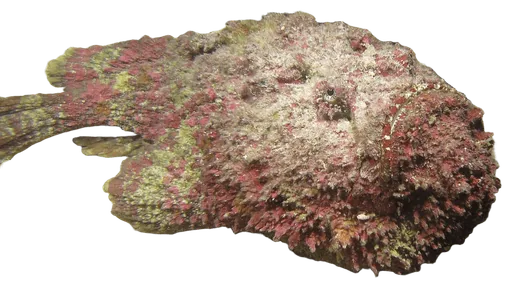
 Fight
FightPhoto: Jerome Paillet (IFREMER, Laboratoire d'Océanographie Physique et Spatiale, Centre Bretagne - ZI de la Pointe du Diable - CS 10070 - 29280 Plouzané) · CC BY 4.0
The reef stonefish is a squat, rock-like Indo-Pacific fish that lies motionless on the seabed and gulps passing prey in a split second. Its 12–14 dorsal spines carry what is often called the most potent venom of any fish, turning any bite or careless step into a painful, sometimes deadly mistake. It is a near-perfect defender but has almost no way to attack anything larger than its mouth.
 Attack27
  Defense50
  Agility30
  Stamina35
  Intelligence34
  Special95
 Detailed ratings
Research-backed ratings on one 0–100 scale for all 273 animals (updated 2026-09-28). How ratings work
Special abilities
Ability 1Spine-Syringe Venom12–14 grooved dorsal spines, each with a venom gland at its base, inject venom when pressed. Stonustoxin punches holes in cell membranes and verrucotoxin drops blood pressure, making a bite or grab very costly for any attacker.
 Ability 2Lightning Suction Gulp
From total stillness, the stonefish opens its large mouth in a split second, sucking in small fish and shrimp before they can react.
Unique traits
 TraitMost Venomous Fish
The Australian Museum and the Aquarium of the Pacific describe the reef stonefish as the most venomous fish in the world; stings are excruciating and can occasionally be fatal to people.
TraitLiving Rock DisguiseIts lumpy, rock-coloured body and habit of lying still, often half-buried, make it look like part of the reef floor.
How it fights
Weapons
- The stonefish has two separate weapon systems. For feeding, it uses a sudden suction gulp that engulfs small fish and shrimp that swim within reach. For defense, it relies on 12–14 venom-loaded dorsal spines that inject venom when an attacker presses on them. The venom is not used to catch prey.
 Struggles vs
- Almost no mobility or pursuit ability.
- No active way to deliver its venom.
- Small body with limited toughness if the spines are avoided.
- Useless out of water.
- Weight
- 1.5 kg3 lb
- Height
- No reliable measurement
- Length
- 35 cm13.8 in
- Top speed
- No reliable measurement
- Bite force
- No reliable measurement
- Lifespan
- No reliable measurement
- Home biome
- Ocean
- Lifestyle
- Mostly solitary
Rated specimen: Healthy representative adult, 35 cm and 1.5 kg, sex unspecified.
Fun facts
- It is widely described as the most venomous fish in the world.
- Its main toxin, stonustoxin, is built like perforin, a protein the human immune system uses to punch holes in infected cells.
- Each dorsal spine has grooves that channel venom like a syringe.
- Verrucotoxin, found in the reef stonefish, lowered blood pressure and was lethal in mice.
- The heaviest published reef stonefish weighed 2.4 kg.
- Its range stretches from the Red Sea to French Polynesia.
Closest rivals by power. Tap one for the full breakdown, or pick any opponent.
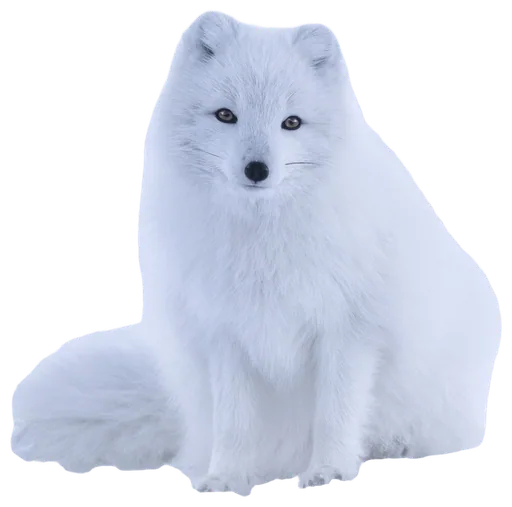
vs TunaLoses · 52% · Toss-up 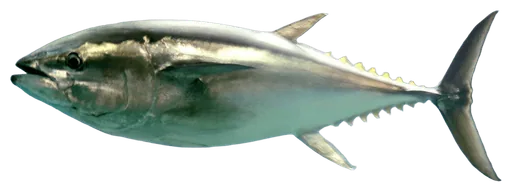 L vs Arctic FoxWins · 50% · Toss-up
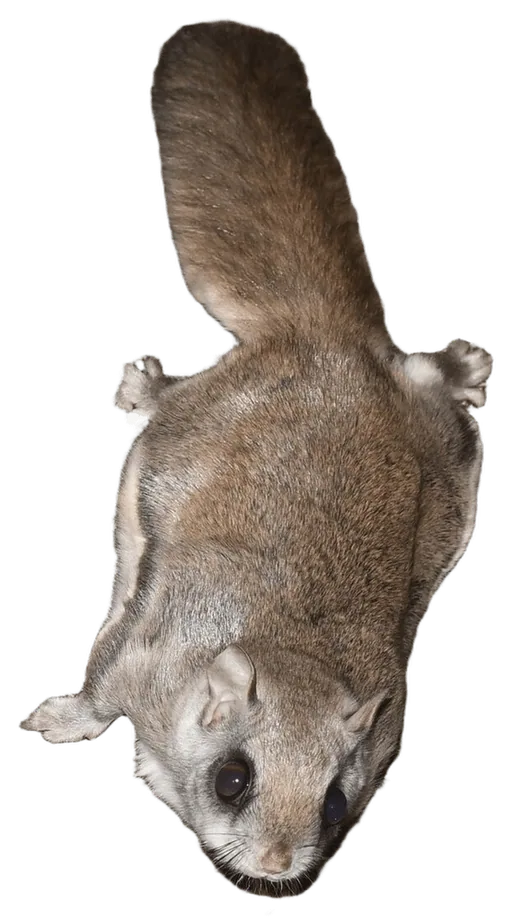
  W vs Flying SquirrelLoses · 50% · Toss-up
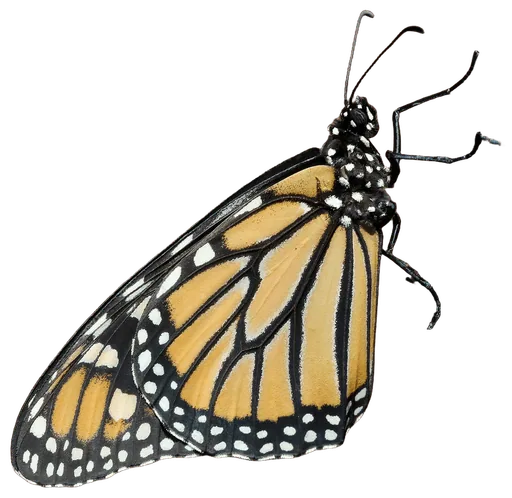
  L vs Monarch ButterflyLoses · 50% · Toss-up
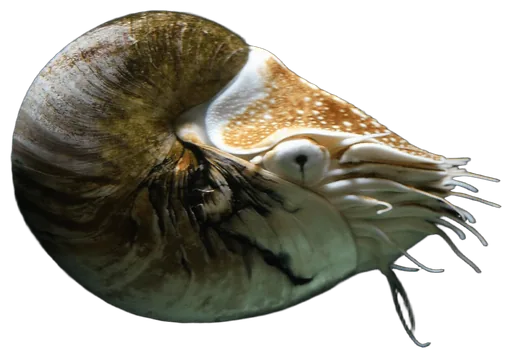
  L vs NautilusWins · 50% · Toss-up
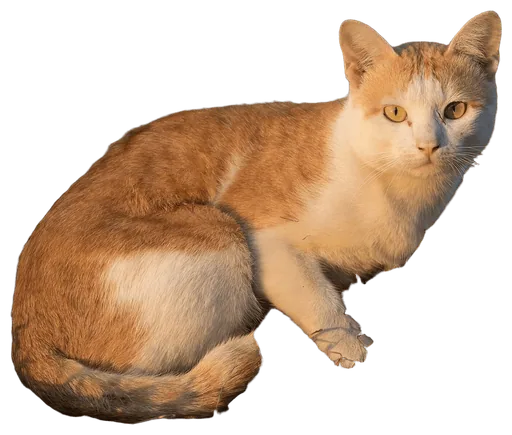
  W vs House CatLoses · 50% · Toss-up
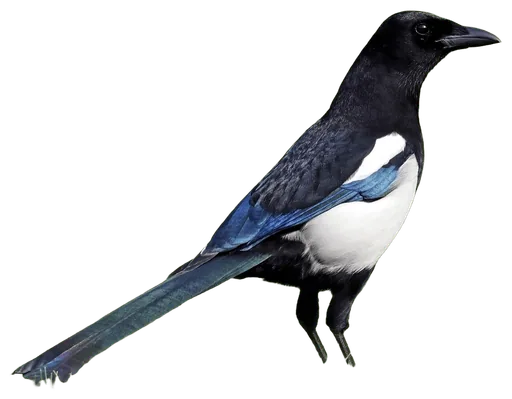
  L vs MagpieWins · 50% · Toss-up
  W vs IguanaLoses · 51% · Toss-up
  L
L  Pick any opponent
 Stonefish battle analysis
The stonefish is built around doing nothing, very well. It lies still on the reef floor, often partly buried, with a lumpy body that looks like a rock. Small fish and shrimp that drift too close are sucked into its large mouth in a split second. That is its whole offense, and it only works on prey small enough to swallow.
Its defense is another matter. Along its back sit 12 to 14 stout spines, each grooved and backed by a venom gland. When a predator bites down or a foot presses on the fish, the spines drive in and venom follows. The main toxin, stonustoxin, belongs to the same family as perforin, the protein immune cells use to punch holes in infected cells, and it does something similar to the victim's cells. Verrucotoxin adds a sharp drop in blood pressure.
On the absolute battle scale, the stonefish is an extreme specialist. It scores very high in Special and respectable in Defense, because any opponent that attacks it head-on is likely to be stung. But it cannot chase, it cannot deliver venom on purpose, and it is small and slow. An opponent that simply avoids touching the spines, or attacks from below or at range, faces little danger. It wins by being attacked, not by attacking.
Habitat & range
The reef stonefish lives across the Indo-Pacific: from the Red Sea and East Africa east to French Polynesia, north to the Ryukyu and Ogasawara islands, and south to Queensland, Australia. It rests on shallow reef, rubble and sandy bottoms, often partly buried.
Diet & hunting
It eats small fish and crustaceans such as shrimp, taken by ambush. As a well-hidden predator it has few natural enemies because the spines deter most fish predators.
Social life
Solitary.
Conservation
The IUCN Red List category was not confirmed in this pass. The species has a very wide Indo-Pacific range and appears in fisheries and the aquarium trade, according to FishBase.
Quick answers
How strong is a Stonefish?
On the Animal Battle Stats scale, the Stonefish has an attack rating of 27 and a power index of 41.6 out of 100, which ranks it #214 of 273 animals and puts it in D tier (Underdog). Its strongest stat is special (95).
How much does a Stonefish weigh?
A typical adult Stonefish weighs about 1.5 kg (3 lb). Rated specimen: healthy representative adult, 35 cm and 1.5 kg, sex unspecified.
How fast is a Stonefish?
There is no reliable measured top speed for the Stonefish, so we do not publish one. Its agility rating, which covers acceleration, reflexes and evasion, is 30 out of 100.
What does a Stonefish eat?
It eats small fish and crustaceans such as shrimp, taken by ambush. As a well-hidden predator it has few natural enemies because the spines deter most fish predators.
What animals can beat a Stonefish?
Among its closest rivals, the Tuna (52%), the Flying Squirrel (50%), the Monarch Butterfly (50%), the House Cat (50%), the Iguana (51%) would be favored against the Stonefish. It would be favored against the Arctic Fox, the Nautilus, the Magpie.
Researched 2026-09-28. Ratings are editorial judgments built from these sources; measurements describe a healthy adult.
- FishBase, Synanceia verrucosalength, weight, spine count, range, uses
- Aquarium of the Pacific, Reef Stonefishlength, spines, venom reputation
- Australian Museum, Reef Stonefishvenom reputation, spine mechanism
- PNAS 2015, stonefish toxin and the perforin-like superfamilystonustoxin structure
- Same study, PMCstonustoxin activity
- RCSB Protein Data Bank 4WVMtoxin structure
- Haemolytic activity of stonustoxin (S. horrida)pore formation
- Getting stoned (2021), reef stonefish venomvenom effects
- Stonefish venom effects in rats (Toxicon)venom effects
- Small molecules in Synanceia envenomation (PMC)venom chemistry
- Chromosome-level genome of the reef stonefish (PMC)toxin genes
- Wikipedia, Verrucotoxinverrucotoxin
- Wikipedia, Synanceia verrucosageneral cross-check
- AquaInfo, Reef Stonefishspine anatomy
- A-Z Animals, Stonefishfeeding strike
- iNaturalist, Reef Stonefishimage lead
Photo: “Poisson-pierre (Synanceia verrucosa) photographié de nuit (Ifremer 00619-73124 - 29091).jpg” by Jerome Paillet (IFREMER, Laboratoire d'Océanographie Physique et Spatiale, Centre Bretagne - ZI de la Pointe du Diable - CS 10070 - 29280 Plouzané), CC BY 4.0, background removed and cropped. Original
Suggest a correction