
Stoat
Mustela ermineaD tier · Underdog147th of 163 mammals
Size & speed
- Weight
- 260 g9.2 oz
- Length
- 27 cm10.6 in
As heavy as 1.3 smartphones
Heavier than 12% of animalsAbout 3.2 credit cards long
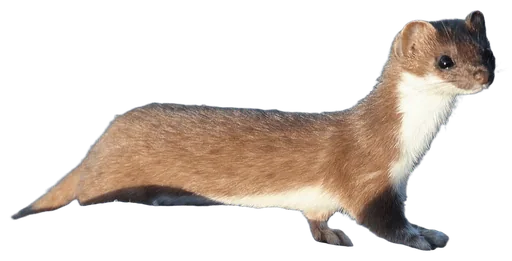
Bigger than 14% of animalsA slender, fearless mustelid of the northern world, the stoat kills rabbits and birds many times its size with a bite to the back of the neck, and swims, climbs and squeezes through burrows with ease. At about 0.26 kg, though, its absolute fighting power is tiny.
Detailed ratings
Research-backed ratings on one 0–100 scale for all 344 animals (updated 2026-09-28). How ratings work


Card No. 279 of 344. Every animal on Animal Battle Stats has one: its power, tier and archetype on the front; its six battle stats, abilities and signature move on the back.
Special abilities
It seizes the back of the head and neck, wraps its whole body and feet around the victim and bites repeatedly at the base of the skull, letting it kill rabbits and birds several times its weight.
In snowy regions it moults into a pure white winter coat with a black tail tip, then back to brown in spring, hiding it from prey and predators in both seasons.
Unique traits
Stoats have swum across water gaps of up to 1.5 km to reach islands, and young stoats have travelled more than 70 km in two weeks.
Like some shrews, stoats show Dehnel's phenomenon: the braincase shrinks in the first winter and grows back the next summer.
How it fights
Weapons
- The stoat is a specialist killer of animals its own size and much larger. It approaches as close as possible, then with great speed grabs the back of the victim's head and neck in its teeth, wraps its body and feet around it and bites repeatedly at the base of the skull (ADW). Small prey die at once; rabbits, five or more times its weight, usually die of shock. New Zealand's Department of Conservation (DOC) notes that even a 3 kg takahē or a 2 kg kākāpō can be killed by a stoat. Its absolute power is still tiny: a 0.26 kg animal cannot hurt a healthy medium-sized predator.
Struggles vs
- Minute absolute size and strength.
- No armor; one solid bite or grab from a larger predator ends the fight.
- Very high food needs and a short life.
- Prey for foxes, sables, many raptors and even grey herons.
- Weight
- 260 g9.2 oz
- Height
- No reliable measurement
- Length
- 27 cm10.6 in
- Top speed
- No reliable measurement
- Bite force
- No reliable measurement
- Lifespan
- 1.5 years
- Home biome
- Arctic
- Lifestyle
- Social
Rated specimen: Healthy adult male, 0.26 kg and 27 cm head-body length, matching the 258 g average male weight given by Wikipedia.
Fun facts
- The mascots of the 2026 Winter Games in Milan and Cortina, Tina and Milo, are stoats.
- A stoat eats about a quarter of its own body weight every day.
- Female stoats can be mated before they are weaned, while still blind and deaf.
- Stoats have swum 1.5 km across open water to reach islands.
- Its braincase shrinks in its first winter and grows back the following summer.
- Even a 3 kg takahē can be killed by a stoat.
Closest rivals by power. Tap one for the full breakdown, or pick any opponent.
vs Black-footed CatLoses · 62% · Slight edge 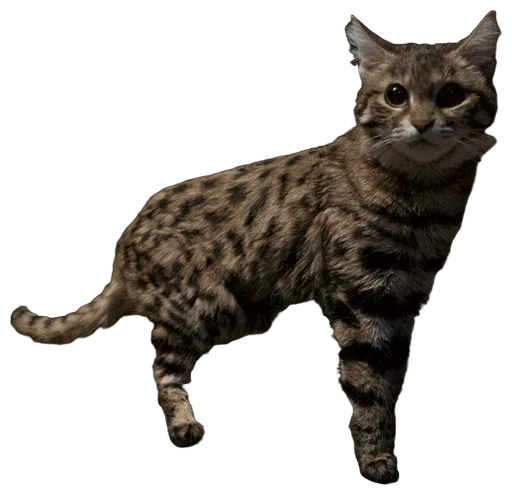 L vs Sugar GliderWins · 53% · Toss-up
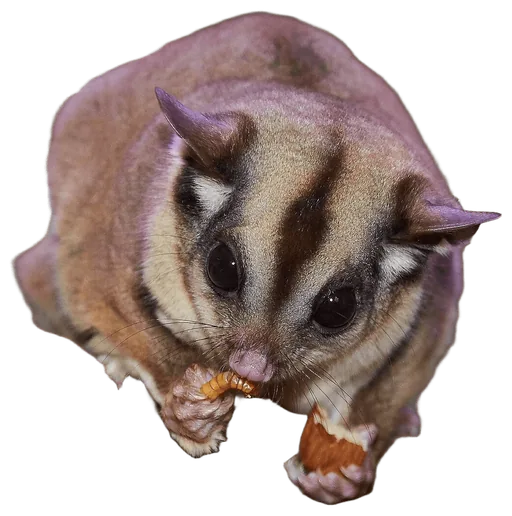 W vs FerretLoses · 58% · Slight edge
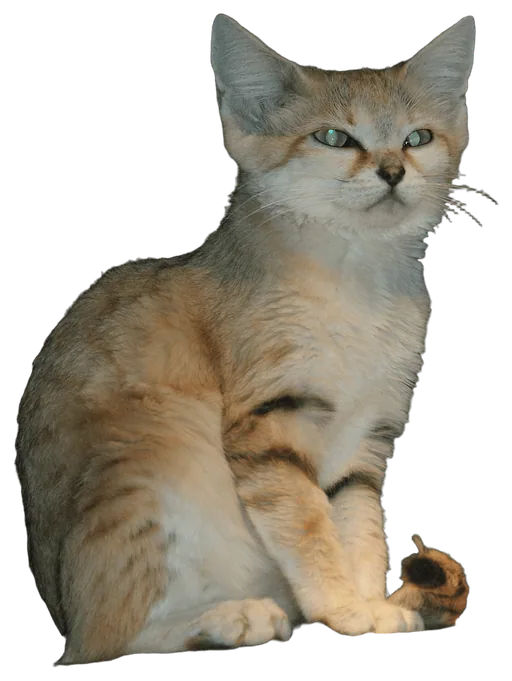
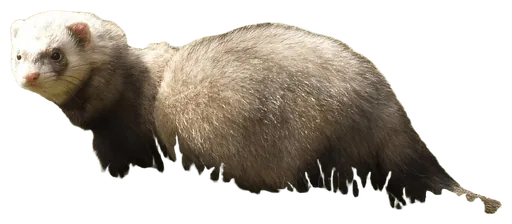 L vs Sand CatLoses · 66% · Slight edge
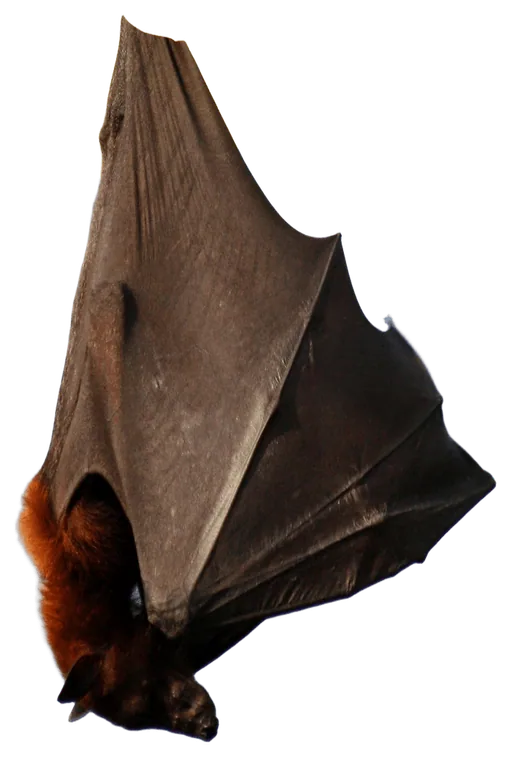
 L vs Flying FoxLoses · 55% · Toss-up
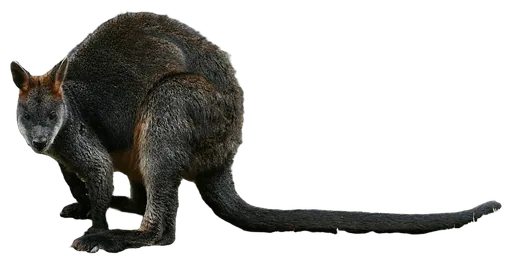
 L vs WallabyLoses · 75% · Clear edge
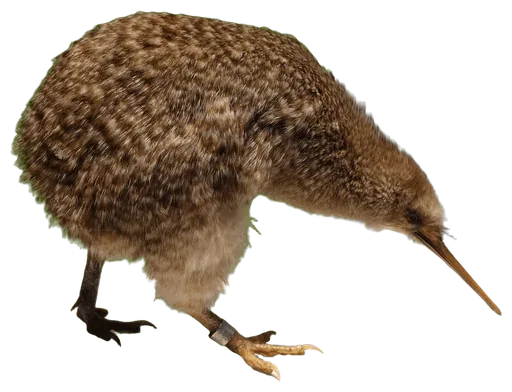
 L vs KiwiLoses · 64% · Slight edge
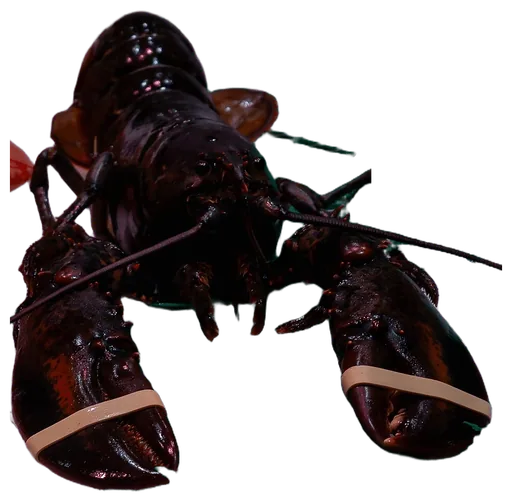
 L vs LobsterLoses · 58% · Slight edge
 L
Stoat battle analysis
The stoat is a long, thin hunter built to follow rodents underground. It bounds across open ground in short leaps, stops to stand upright and look around, and pokes into every hole and crevice it passes. In snowy regions it turns pure white each winter, keeping only the black tip of its tail, a coat that humans have prized for centuries as ermine.
It lives fast. It eats a quarter of its weight every day, travels up to 15 km in a night, and most stoats live only a year or two. Females are mated in the nest before they can even see, and the embryos then wait nine or ten months before developing. When it finds prey, the stoat grabs the back of the neck, wraps its whole body around the animal and keeps biting, which lets a quarter-kilogram predator kill a rabbit many times its weight.
In an Animal Battle Stats matchup, the stoat is a ferocious, fast and very agile predator of small animals, but it is one of the smallest vertebrates on the roster. Foxes, cats, dogs and birds of prey eat stoats, and against anything larger than a few kilograms its bite and musk are not enough.
Habitat & range
Europe (south to Portugal) and northern and central Asia, including the mountains of Japan, and Alaska; in the broad older sense also most of northern North America. It was introduced to New Zealand in the 1880s. It lives almost anywhere with cover and small prey: woodland edges, moorland, farmland, marshes, tundra, alpine meadows, beaches and scrub. It does not dig its own burrows but takes over those of the rodents it kills.
Diet & hunting
Mainly small mammals, especially voles, mice, water voles and, in Britain, rabbits, with birds, eggs, fish, frogs, lizards and insects taken when mammals are scarce. In New Zealand national parks, 1,250 stoat guts held birds in 43% and insects in 41%, mice in 19% and rabbits or hares in 18% (King and Moody 1982). It eats about a quarter of its body weight each day.
Social life
Solitary and territorial, with males holding larger territories that overlap those of females. Each stoat has several dens, often lined with the fur of its prey.
Conservation
Listed as Least Concern by the IUCN because of its huge range. Some national populations are declining: Denmark listed it as Near Threatened in 2019, and an 18-month camera-trapping effort there recorded very few stoats (Konradsen et al. 2024). In New Zealand, where it is introduced, it is a major threat to native birds and is targeted by the Predator Free 2050 programme.
Quick answers
How strong is a Stoat?
On the Animal Battle Stats scale, the Stoat has an attack rating of 14 and a power index of 39.9 out of 100, which ranks it #279 of 344 animals and puts it in D tier (Underdog). Its strongest stat is agility (90).
How much does a Stoat weigh?
A typical adult Stoat weighs about 260 g (9.2 oz). Rated specimen: healthy adult male, 0.26 kg and 27 cm head-body length, matching the 258 g average male weight given by Wikipedia.
How fast is a Stoat?
There is no reliable measured top speed for the Stoat, so we do not publish one. Its agility rating, which covers acceleration, reflexes and evasion, is 90 out of 100.
What does a Stoat eat?
Mainly small mammals, especially voles, mice, water voles and, in Britain, rabbits, with birds, eggs, fish, frogs, lizards and insects taken when mammals are scarce. In New Zealand national parks, 1,250 stoat guts held birds in 43% and insects in 41%, mice in 19% and rabbits or hares in 18% (King and Moody 1982). It eats about a quarter of its body weight each day.
Is the Stoat endangered?
No. The Stoat is listed as Least Concern. Listed as Least Concern by the IUCN because of its huge range. Some national populations are declining: Denmark listed it as Near Threatened in 2019, and an 18-month camera-trapping effort there recorded very few stoats (Konradsen et al. 2024). In New Zealand, where it is introduced, it is a major threat to native birds and is targeted by the Predator Free 2050 programme.
What animals can beat a Stoat?
Among its closest rivals, the Black-footed Cat (62%), the Ferret (58%), the Sand Cat (66%), the Flying Fox (55%), the Wallaby (75%), the Kiwi (64%), the Lobster (58%) would be favored against the Stoat. It would be favored against the Sugar Glider.
Researched 2026-09-28. Ratings are editorial judgments built from these sources; measurements describe a healthy adult male.
- Wikipedia, Stoattaxonomy split, dimensions, dimorphism, musk glands, diet, killing method, reproduction, predators, culture
- Animal Diversity Web, Mustela erminealength, mass, lifespan, leaps, nightly travel, senses, kill method, home range
- New Zealand Department of Conservation, Stoatsswimming, dispersal, climbing, prey size, impact
- LaPoint et al. 2017, Royal Society Open Scienceskull size, seasonal shrinking
- Konradsen et al. 2024, Ecology and Evolutionnational status
- Murphy et al. 2022, Animalsolfaction
- Purdey, King and Lawrence 2004, New Zealand Journal of Zoologyranging, diet
- King and Moody 1982, New Zealand Journal of Zoologydiet
- King and Moody 1982, reproduction, New Zealand Journal of Zoologylitter size, delayed implantation
Photo: “Mustela erminea nippon on backpack.jpg” by Alpsdake, CC BY-SA 4.0, background removed and cropped. Original
Suggest a correction