
Stingray
Hypanus americanusC tier · Capable36th of 51 sea creatures
Size & speed

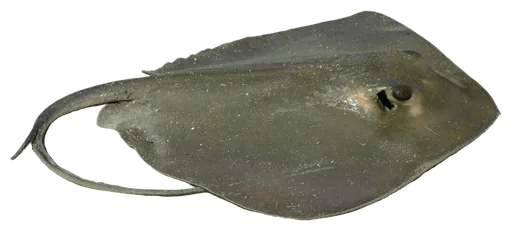
- Weight
- 35 kg77 lb
- Length
- 1 m3.3 ft
As heavy as 7.8 house cats
Heavier than 59% of animalsAbout 3.3 rulers long
Bigger than 44% of animalsA broad, diamond-shaped western Atlantic ray, the southern stingray hunts buried prey with an electrical sense and protects itself with a serrated, venom-coated tail spine. Docile unless stepped on or attacked, it relies on hiding in sand and on its sting rather than speed or strength.
Detailed ratings
Research-backed ratings on one 0–100 scale for all 344 animals (updated 2026-09-28). How ratings work


Card No. 196 of 344. Every animal on Animal Battle Stats has one: its power, tier and archetype on the front; its six battle stats, abilities and signature move on the back.
Special abilities
A long tail spine with 52–80 teeth on each side and a venomous mucus coat, driven into anything that steps on or grabs the ray and leaving a painful, jagged laceration.
Ampullae of Lorenzini around the head sense the electric fields of animals hidden in sand, and the ray blows water jets or flaps its fins to dig them out.
Unique traits
It buries itself in the bottom with only its eyes and spiracles showing, breathing through the spiracles on top of its head instead of through its mouth.
At Grand Cayman, more than 160 wild southern stingrays have learned to be hand-fed by tourists, reversing their normal night-time activity.
How it fights
Weapons
- The weapon is the tail spine, used in defense. When the ray is stepped on or grabbed, it uses its tail to drive the serrated, venom-coated spine into the attacker. FishBase describes the result as a painful laceration, and Wikipedia notes that stings are not fatal to people but are extremely painful. The spine protects the ray mainly from above and behind, the direction from which a foot or a predator's mouth arrives. The mouth, underneath the head, crushes buried crabs, clams, worms and small fish but is not used as a weapon against large animals.
Struggles vs
- Large sharks are its main predators; great hammerheads are among the predators it uses its spine against.
- The spine covers only part of the body; the flat disc edges are exposed.
- No speed advantage in open water.
- Relies on hiding rather than escape.
- Weight
- 35 kg77 lb
- Height
- No reliable measurement
- Length
- 1 m3.3 ft
- Top speed
- No reliable measurement
- Bite force
- No reliable measurement
- Lifespan
- 28 years
- Home biome
- Ocean
- Lifestyle
- Social
Rated specimen: Healthy mature adult female, 35.0 kg and 100 cm disc width, matching wild mature females tagged at Grand Cayman (mean 102.2 cm disc width).
Fun facts
- Its tail spine carries 52–80 small teeth along each edge.
- The spine is roughly as long as the distance between the ray's eye sockets.
- Females grow more than twice as wide as males.
- Rays at Stingray City, Grand Cayman, switched from night-time to daytime activity because of tourist feeding.
- Cormorants follow foraging stingrays to catch fish flushed out of the sand.
- Female southern stingrays reacted to underwater sound at lower levels than males.
Closest rivals by power. Tap one for the full breakdown, or pick any opponent.
vs Goliath GrouperLoses · 58% · Slight edge  L vs BarracudaWins · 54% · Toss-up
 W vs Greenland SharkLoses · 62% · Slight edge
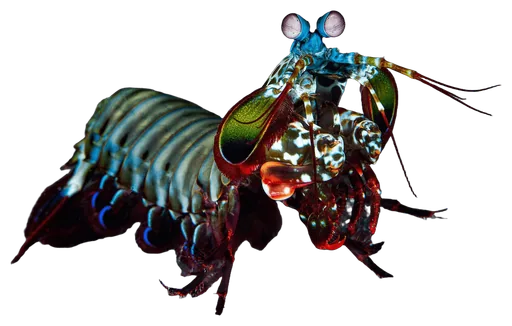
 L vs Mantis ShrimpWins · 79% · Clear edge
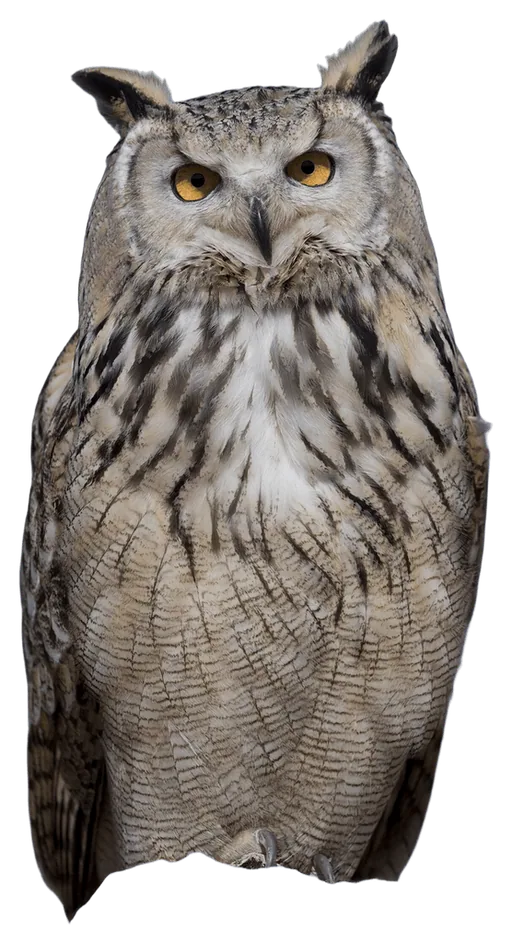
 W vs Great Horned OwlWins · 67% · Slight edge
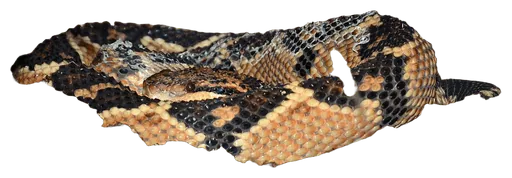
 W vs BushmasterWins · 62% · Slight edge
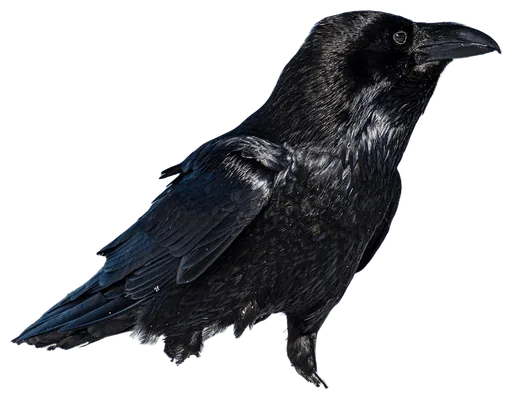
 W vs RavenWins · 68% · Slight edge
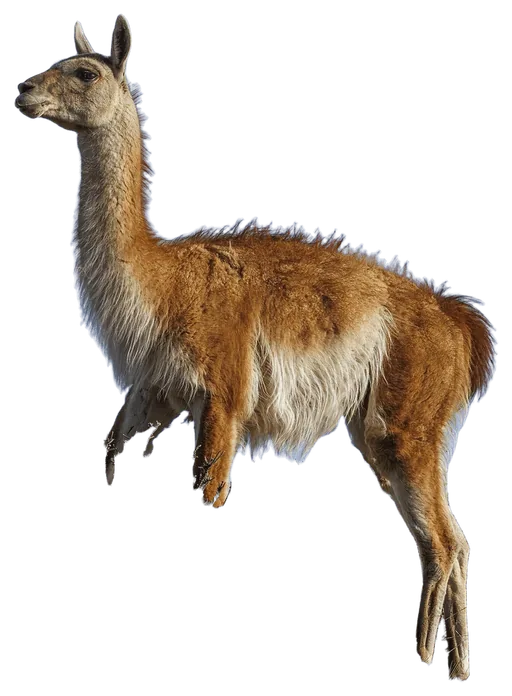
 W vs GuanacoLoses · 57% · Toss-up
 L
Stingray battle analysis
The southern stingray spends much of its life lying flat on the sea floor under a thin layer of sand, with only its eyes and the breathing holes behind them showing. Adult females grow a disc around a metre wide, more than twice the width of males, and trail a long, whip-like tail armed near its base with a serrated spine.
At night it goes hunting. Sensors around its head pick up the faint electric fields of crabs, clams and fish hidden in the sand, and the ray blows jets of water or flaps its fins to dig them out, then crushes them with flat tooth plates. It is also a quick learner: on Grand Cayman, more than 160 wild rays have learned that boats mean food and now swarm around snorkellers by day.
In an Animal Battle Stats matchup, the stingray is a defender rather than an attacker. Anything that steps on it or seizes it from above risks a deep, venomous, tearing wound. But the spine covers only part of its body, it cannot outswim large predators, and large sharks, its main predators, still catch and eat stingrays despite their stings.
Habitat & range
Tropical and subtropical western Atlantic from New Jersey to southern Brazil, including the Gulf of Mexico and the Caribbean. It lives on sandy and muddy bottoms, seagrass beds, lagoons and reef-edge sand from the shallows down to about 53 m, and enters brackish water.
Diet & hunting
An opportunistic, almost continuous bottom forager on crabs and other crustaceans, bony fishes, worms, clams and other molluscs. One Florida ray's stomach was filled almost entirely with lancelets. Its digging stirs the sea floor and exposes prey for other animals.
Social life
Mostly solitary or in pairs. Groups form for mating, resting and predator protection, and dense aggregations gather at tourist feeding sites and in nursery areas. Females tend to stay in small home ranges.
Conservation
Listed as Near Threatened by the IUCN (2020 assessment). FishBase rates its vulnerability to fishing as very high (77 of 100), and population growth is slow (minimum doubling time 4.5–14 years). Tourism feeding at sites such as Stingray City changes its behaviour and crowds animals together, which managers are asked to limit.
Quick answers
How strong is a Stingray?
On the Animal Battle Stats scale, the Stingray has an attack rating of 35 and a power index of 49.1 out of 100, which ranks it #196 of 344 animals and puts it in C tier (Capable). Its strongest stat is special (86).
How much does a Stingray weigh?
A typical adult Stingray weighs about 35 kg (77 lb). Rated specimen: healthy mature adult female, 35.0 kg and 100 cm disc width, matching wild mature females tagged at Grand Cayman (mean 102.2 cm disc width).
How fast is a Stingray?
There is no reliable measured top speed for the Stingray, so we do not publish one. Its agility rating, which covers acceleration, reflexes and evasion, is 60 out of 100.
What does a Stingray eat?
An opportunistic, almost continuous bottom forager on crabs and other crustaceans, bony fishes, worms, clams and other molluscs. One Florida ray's stomach was filled almost entirely with lancelets. Its digging stirs the sea floor and exposes prey for other animals.
Is the Stingray endangered?
The Stingray's conservation status is Near Threatened. Listed as Near Threatened by the IUCN (2020 assessment). FishBase rates its vulnerability to fishing as very high (77 of 100), and population growth is slow (minimum doubling time 4.5–14 years). Tourism feeding at sites such as Stingray City changes its behaviour and crowds animals together, which managers are asked to limit.
What animals can beat a Stingray?
Among its closest rivals, the Goliath Grouper (58%), the Greenland Shark (62%), the Guanaco (57%) would be favored against the Stingray. It would be favored against the Barracuda, the Mantis Shrimp, the Great Horned Owl, the Bushmaster, the Raven.
Researched 2026-09-28. Ratings are editorial judgments built from these sources; measurements describe a healthy adult female.
- Wikipedia, Southern stingraysize by sex, spine, behaviour, predators, reproduction, senses, tourism, IUCN status
- FishBase, Hypanus americanusmaximum size and weight, age, depth, dorsal spines, fishing vulnerability
- Florida Museum of Natural History, Southern stingrayspine structure, maximum size, diet, maturity, litters, predators
- Henningsen and Leaf 2010, Transactions of the American Fisheries Societygrowth, maturity, longevity
- Ovariectomy outcomes in southern stingrays, Frontiers in Veterinary Science 2024measured female weight at disc width
- Male southern stingray reproductive parameters, Animals 2021adult male mass
- Corcoran et al. 2013, PLoS Onewild female size, activity, tourism effects
- Mickle, Pieniazek and Higgs 2020, Royal Society Open Sciencehearing
- Bond et al. 2019, Oecologiapredators, risk-sensitive behaviour
- Coelho et al. 2019, Fish and Shellfish Immunologyvenom and mucus
- Schwanck et al. 2020, Journal of Fish Biologyhome range, site residency
- Ramírez-Mosqueda et al. 2012, Latin American Journal of Aquatic Researchmaturity, reproductive cycle
Photo: “Hypanus americanus 510411080.jpg” by David Garza, CC BY 4.0, background removed and cropped. Original
Suggest a correction