

Southern Ground Hornbill
Bucorvus leadbeateri
 #230 of 341
  Savanna Striker Vulnerable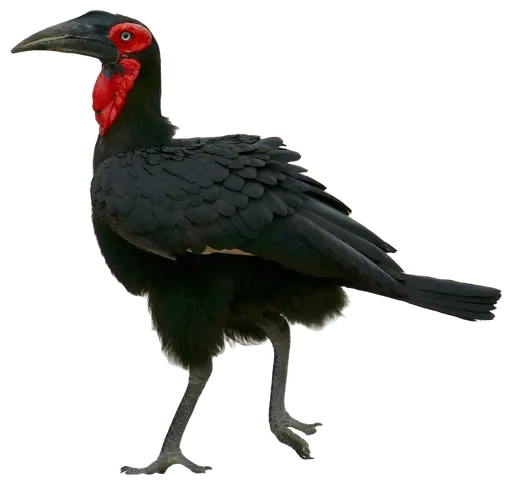
 Fight
FightPhoto: Bernard DUPONT from FRANCE · CC BY-SA 2.0
The Southern Ground Hornbill is the world's largest hornbill, a 4 kg ground-walking predator that hunts snakes, tortoises, small mammals and insects in family groups across African savanna. Its heavy bill is its only weapon, so it lacks the talons, kicks and speed of true raptors, but group foraging and long daily walks make it a persistent hunter.
 Attack31
  Defense24
  Agility62
  Stamina72
  Intelligence64
  Special58
 Detailed ratings
Research-backed ratings on one 0–100 scale for all 341 animals (updated 2026-09-28). How ratings work
Special abilities
Ability 1Walking Hunt PartyGroups of hornbills comb the ground together, and a bird that finds prey can call the others with a low bark. Several heavy bills can then work on snakes, tortoises and small mammals.
 Ability 2Hammer-Bill Strike
A 17–22 cm bill is used to seize and dig out prey, letting a 4 kg bird handle snakes, tortoises, mongooses and young hares.
Unique traits
 TraitWorld's Largest Hornbill
At about 4 kg and 1 m long, it is the heaviest member of the hornbill order, and one of the few birds with prominent eyelashes.
TraitHelper-Run FamilyEvery breeding pair needs at least two helpers, and birds without years of helper experience fail to breed successfully. Young stay dependent for one to two years, longer than any other bird.
How it fights
Weapons
- The long, heavy bill is its only real weapon. It seizes prey, digs it out of the ground and dung heaps, and handles large, awkward animals. Recorded vertebrate prey includes snakes, lizards, chameleons, tortoises, frogs, mongooses, squirrels, young hares and nestling birds; invertebrates such as grasshoppers and beetles make up much of the daily food. Mammals up to the size of hares are taken. It may also snatch food from birds of prey. No quantified description of how it kills large prey was located, so weapon scoring is based on bill size and the prey list.
 Struggles vs
- Only about 4.2 kg in absolute mass.
- No talons or claws for gripping; the bill is the single weapon.
- Slow on the ground compared with runners and pouncers.
- No armor; bill strikes require close contact.
- Slow breeding makes populations fragile.
- Weight
- 4.2 kg9 lb
- Height
- No reliable measurement
- Length
- 1.02 m3.3 ft
- Top speed
- No reliable measurement
- Bite force
- No reliable measurement
- Lifespan
- 30 years
- Home biome
- Savanna
- Lifestyle
- Social
Rated specimen: Healthy mature adult male, 4.2 kg, 102.0 cm total length, about 1.5 m wingspan.
Fun facts
- It is the largest hornbill in the world.
- It is one of the few birds with long eyelashes.
- Its group chorus can be heard up to 3 km away.
- Young birds depend on their family for one to two years, longer than any other bird.
- A group usually raises only one chick about every three years.
- Hornbills that watched a trained group member open a puzzle box all learned to open it, while untrained birds all failed.
Closest rivals by power. Tap one for the full breakdown, or pick any opponent.
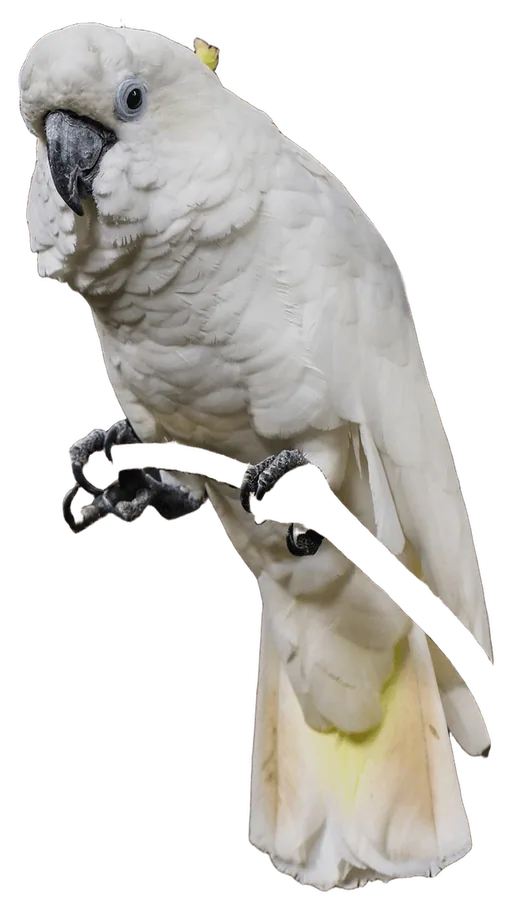
vs AlbatrossLoses · 50% · Toss-up 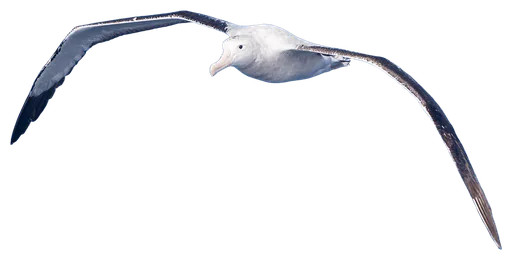 L vs CockatooLoses · 51% · Toss-up
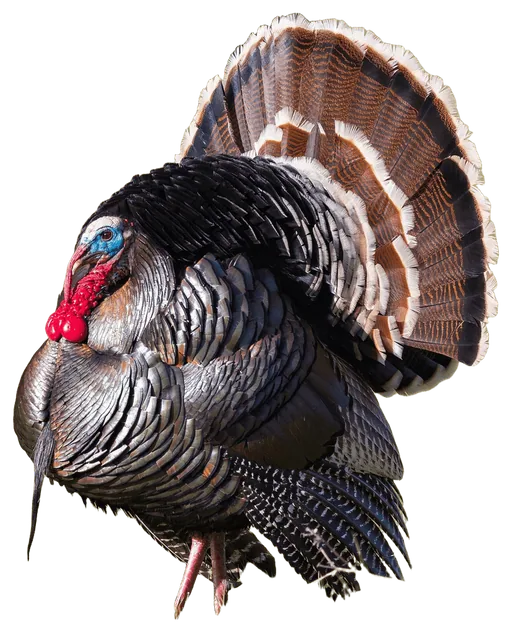
  L vs Wild TurkeyLoses · 51% · Toss-up
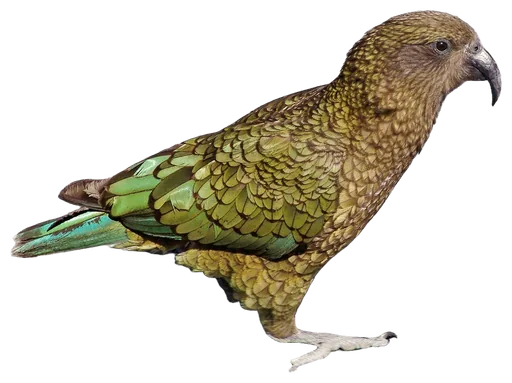
  L vs KeaLoses · 52% · Toss-up
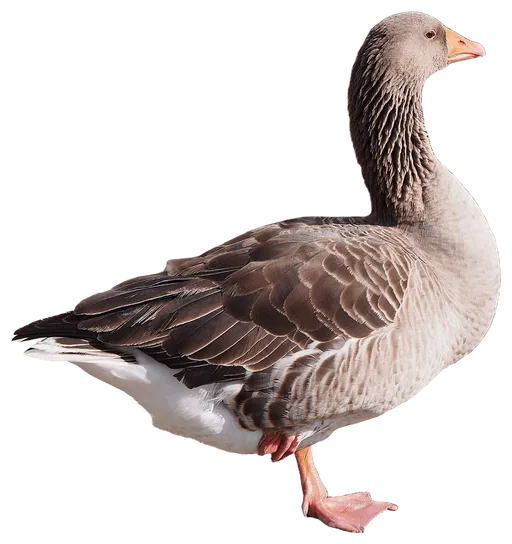
  L vs GooseLoses · 52% · Toss-up
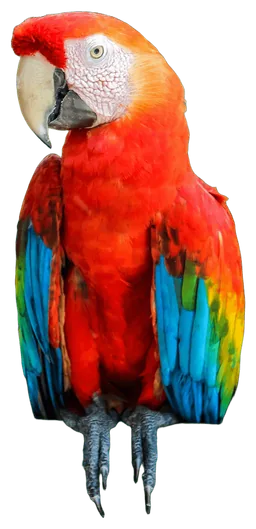
  L vs MacawLoses · 52% · Toss-up
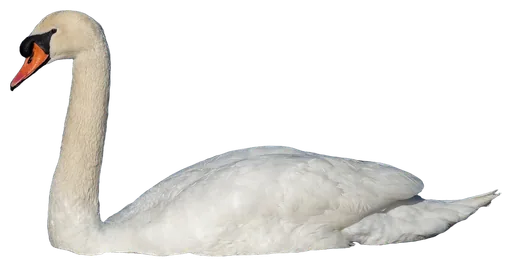
  L vs SwanWins · 52% · Toss-up
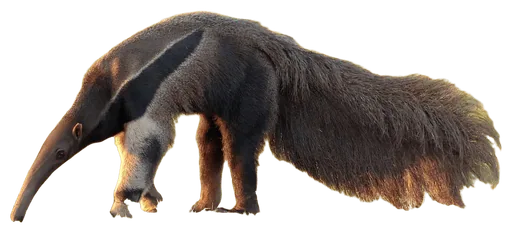
  W vs AnteaterLoses · 50% · Toss-up
  L
L  Pick any opponent
 Southern Ground Hornbill battle analysis
The southern ground hornbill hunts on foot. A family group of up to about a dozen birds walks slowly across the grass, spending most of the day on the move and sometimes covering more than 10 km. When one bird finds something, a snake, a tortoise, a nest of chicks or a hiding mongoose, it can call the others with a low bark, and the group's heavy bills do the rest.
Its life is built around the group. Every breeding pair depends on helpers, and birds without years of experience as helpers fail to raise young. Chicks stay dependent for up to two years, and a group raises only about one chick every three years. In experiments, ground hornbills learned new foraging tricks by watching group members and adjusted to changing reward rules, evidence of solid, socially based learning.
In an absolute matchup, the hornbill is a 4 kg bird whose weapon is its bill. It has no talons, no kicking attack like the secretary bird, and no burst speed. It does well against snakes, reptiles and small mammals on open ground, but faster predators and anything larger than a mongoose can simply stay out of bill range.
Habitat & range
The southern ground hornbill lives from Kenya, Burundi and the southern Democratic Republic of the Congo south through Angola, Zimbabwe, Botswana, Mozambique and northern Namibia to northern and eastern South Africa, where it is widespread but scarce. It prefers grassland and savanna woodland with a sparse understory, from montane grassland to mopane and teak woodland. In South Africa it is now largely confined to reserves and national parks such as Kruger, where GPS-tracked groups favored grassland, open woodland and dense thicket for foraging.
Diet & hunting
It is carnivorous, eating mainly insects such as grasshoppers and beetles plus frogs, snakes, lizards, chameleons, tortoises, mongooses, squirrels, young hares and nestling birds. It rarely drinks. As a large ground predator it is treated as an apex predator of the savanna ground layer, and its huge territories mean that protecting one group also protects many other species.
Social life
Groups of about 2–11 birds share a territory, with one dominant breeding pair and helpers that are usually adult males or young from earlier seasons. Groups keep contact with loud chorus calls heard up to 3 km away and defend territories of up to about 100 km².
Conservation
The species is listed as Vulnerable globally and Endangered in South Africa, Namibia, Lesotho and Eswatini. Threats include loss of big nest trees and habitat, poisoning, persecution (including for breaking windows), hunting and use in traditional medicine. Conservation programs rear the redundant second chick in captivity and reintroduce groups into former range. Hot, dry weather is linked with worse breeding results.
Quick answers
How strong is a Southern Ground Hornbill?
On the Animal Battle Stats scale, the Southern Ground Hornbill has an attack rating of 31 and a power index of 45 out of 100, which ranks it #230 of 341 animals and puts it in C tier (Capable). Its strongest stat is stamina (72).
How much does a Southern Ground Hornbill weigh?
A typical adult Southern Ground Hornbill weighs about 4.2 kg (9 lb). Rated specimen: healthy mature adult male, 4.2 kg, 102.0 cm total length, about 1.5 m wingspan.
How fast is a Southern Ground Hornbill?
There is no reliable measured top speed for the Southern Ground Hornbill, so we do not publish one. Its agility rating, which covers acceleration, reflexes and evasion, is 62 out of 100.
What does a Southern Ground Hornbill eat?
It is carnivorous, eating mainly insects such as grasshoppers and beetles plus frogs, snakes, lizards, chameleons, tortoises, mongooses, squirrels, young hares and nestling birds. It rarely drinks. As a large ground predator it is treated as an apex predator of the savanna ground layer, and its huge territories mean that protecting one group also protects many other species.
Is the Southern Ground Hornbill endangered?
The Southern Ground Hornbill's conservation status is Vulnerable. The species is listed as Vulnerable globally and Endangered in South Africa, Namibia, Lesotho and Eswatini. Threats include loss of big nest trees and habitat, poisoning, persecution (including for breaking windows), hunting and use in traditional medicine. Conservation programs rear the redundant second chick in captivity and reintroduce groups into former range. Hot, dry weather is linked with w
What animals can beat a Southern Ground Hornbill?
Among its closest rivals, the Albatross (50%), the Cockatoo (51%), the Wild Turkey (51%), the Kea (52%), the Goose (52%), the Macaw (52%), the Anteater (50%) would be favored against the Southern Ground Hornbill. It would be favored against the Swan.
Researched 2026-09-28. Ratings are editorial judgments built from these sources; measurements describe a healthy adult male.
- Wikipedia, Southern ground hornbillmass by sex, length, wingspan, bill, tarsus, lifespan, eyelashes, group size, chorus, territory, breeding, status
- Animal Diversity Web, Bucorvus leadbeaterimass, length, social groups, territory, lifespan
- Biodiversity Explorer (Iziko Museums of South Africa)diet, group foraging, breeding
- Kruger habitat and movement study 2020, Scientific Reportsmovement, habitat, daily distance
- Exclusion-performance study 2022, Animal Cognitionsenses, cognition
- Social diffusion of foraging techniques 2023, Learning & Behaviorsocial learning
- Behavioural flexibility study 2023, Animal Cognitioncognition
- Captive conspecific aggression study 2025, Zoo Biologyaggression, status
- Hot-dry weather and breeding study 2026, The American Naturalistconservation
- Mabula Ground Hornbill Projectconservation actions
- Commons, Southern Ground Hornbill maleimage candidate
Photo: “Day 71 Southern Ground-Hornbill (Bucorvus leadbeateri) female crossing the road ... (53363390221).jpg” by Bernard DUPONT from FRANCE, CC BY-SA 2.0, background removed and cropped. Original
Suggest a correction