

South American Coati
Nasua nasua
 #217 of 341
  Jungle Rogue Least Concern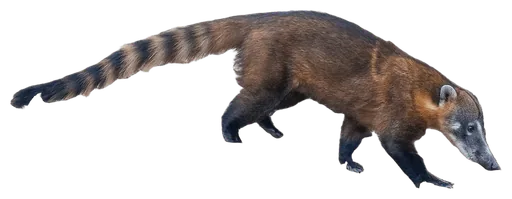
 Fight
FightPhoto: Giles Laurent · CC BY-SA 4.0
The South American coati is a 5.5 kg ring-tailed forager of South American forests that climbs down trees head-first and noses out prey with a long, mobile snout. It lives in bands that raise the alarm and scatter at danger, and it bites and claws hard when cornered, but it is far too small to stand up to real predators.
 Attack28
  Defense24
  Agility80
  Stamina62
  Intelligence70
  Special60
 Detailed ratings
Research-backed ratings on one 0–100 scale for all 341 animals (updated 2026-09-28). How ratings work
Special abilities
Ability 1Reverse-Ankle ScrambleDouble-jointed ankles rotate about 180 degrees so it can run down trunks head-first, and it crosses the canopy by jumping from branch ends, using its tail for balance.
 Ability 2Band Alarm Scatter
When a band member gives an alarm call, the group climbs trees, then drops to the ground and scatters in many directions, making it hard for a predator to single one out.
Unique traits
 TraitSnorkel Snout
A long, flexible, pig-like snout noses through leaf litter and crevices while strong front claws rip open logs and dig out hidden prey.
TraitResident Band MaleIt is the only coati species whose bands include an adult male all year; genetic tests showed resident males fathered 67–91% of their group's young.
How it fights
Weapons
- The coati's weapons are long, sharp canines and strong front claws. It is an omnivore that mostly eats fruit and invertebrates, plus small vertebrates and bird eggs, digging prey out of leaf litter, soil and rotten logs with its claws and long snout. Adult males fight each other during the mating season, and a coati that attacked two children in a Brazilian home caused deep scratches and bites, showing that its claws and teeth can wound people when it is cornered or provoked.
 Struggles vs
- Only about 5.5 kg with no armor.
- Canines and claws are effective only at close range and against small opponents.
- Preyed on by jaguars, ocelots, jaguarundis, foxes, boas and large birds of prey.
- Much less effective alone in open ground.
- Weight
- 5.5 kg12 lb
- Height
- No reliable measurement
- Length
- 55 cm21.7 in
- Top speed
- No reliable measurement
- Bite force
- No reliable measurement
- Lifespan
- 7 years
- Home biome
- Jungle
- Lifestyle
- Social
Rated specimen: Healthy mature adult male of about 5.5 kg, head-body about 55 cm, with a ringed tail of similar length.
Fun facts
- Its ankles can turn around so it can climb down trees head-first.
- Solitary males were once thought to be a separate species and were called "coatimundis".
- It is the only coati species whose bands keep an adult male all year.
- All the females in a band come into heat within the same week or two.
- Mothers give birth alone in a tree nest, then bring their young back to the band.
- Coatis have been introduced to the Mediterranean island of Mallorca.
Closest rivals by power. Tap one for the full breakdown, or pick any opponent.
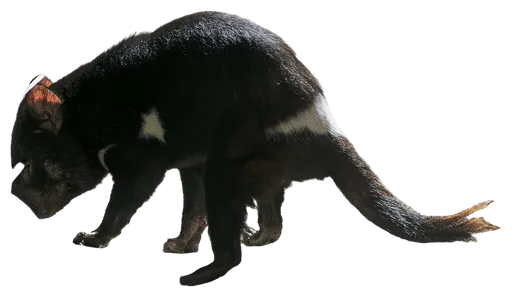
vs OpossumLoses · 50% · Toss-up 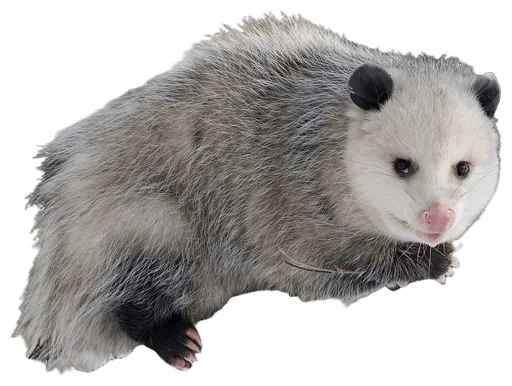 L vs Tasmanian DevilLoses · 50% · Toss-up
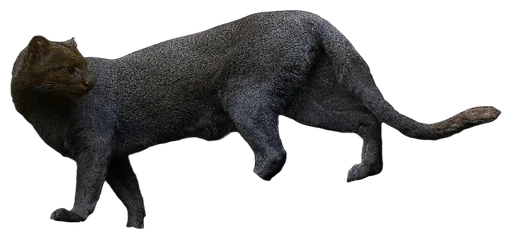
  L vs JaguarundiWins · 51% · Toss-up
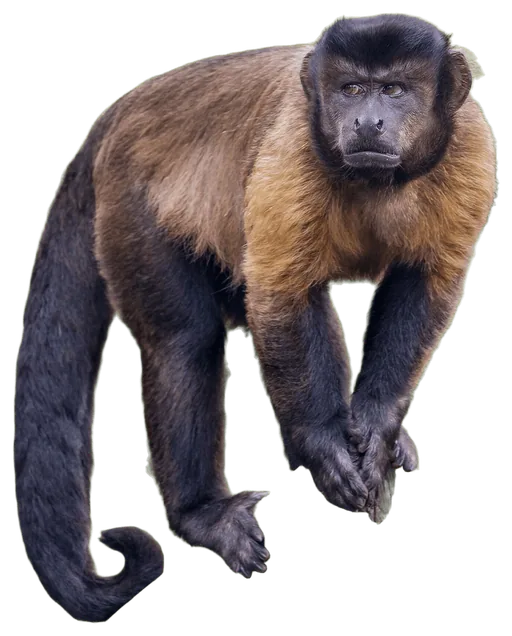
  W vs Capuchin MonkeyWins · 51% · Toss-up
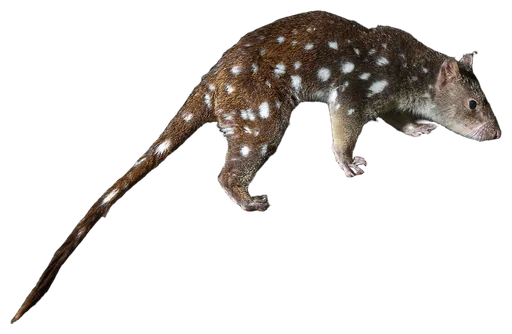
  W vs QuollWins · 51% · Toss-up
  W vs MeerkatWins · 51% · Toss-up
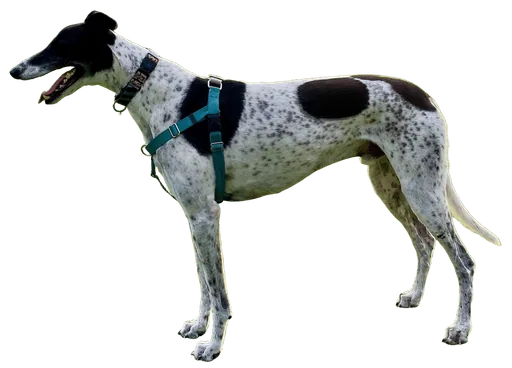
  W vs GreyhoundLoses · 52% · Toss-up
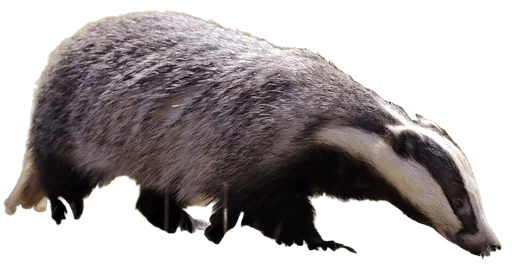
  L vs BadgerWins · 52% · Toss-up
  W
W  Pick any opponent
 South American Coati battle analysis
The South American coati is a slim, long-snouted relative of the raccoon, with a banded tail that it often carries straight up. A mature male weighs around 5.5 kg. Its coat varies from dark brown to orange-red, and its most noticeable feature is a long, flexible, pig-like nose that it pushes into leaf litter, soil and crevices in search of beetles, grubs and other small prey.
Coatis are built to use both the ground and the trees. Their ankles rotate so they can climb down trunks head-first, their strong front claws rip open rotten logs, and their tails help them balance as they jump from branch to branch. Females and young travel in noisy bands of up to about 30, sleeping in trees and foraging by day; at an alarm call the whole band shoots up the trees and then drops and scatters.
In battle terms the coati is a quick, well-armed small mammal rather than a fighter. Long canines and claws let males fight rivals and let any cornered coati inflict painful wounds, but it weighs little more than a large house cat and is regular prey for jaguars, ocelots and big birds of prey. It sits just below the raccoon in Attack, above it in Agility, and in the upper band for Intelligence thanks to its complex band life.
Habitat & range
Tropical and subtropical South America east of the Andes, from Colombia and the Guianas south to Uruguay and northern Argentina, mainly in lowland forest but up to about 2,500 m. It lives mainly in forest, including deciduous, evergreen and cloud forest, and its occupancy is higher where forest cover is high and lower at higher elevations. It has been introduced to Mallorca, where it is considered invasive.
Diet & hunting
An omnivore that eats mainly fruit and invertebrates such as beetles, grubs, ants, termites, spiders, scorpions and centipedes, plus frogs, lizards, small rodents and bird eggs. It is likely an important seed disperser and is prey for jaguars, ocelots, jaguarundis, foxes, boas and birds of prey.
Social life
Females and young form bands of about 15–30 individuals. Most adult males live alone and join bands during the breeding season, but in this species a resident adult male often stays with a group all year. Bands do not defend exclusive territories, and home ranges overlap.
Conservation
Least Concern on the IUCN Red List. It is widespread, but it depends on forest cover and is hunted by people in parts of its range. Because coatis often live close to people in parks and cities, they share parasites and pathogens with domestic animals, and many veterinary surveys focus on them.
Quick answers
How strong is a South American Coati?
On the Animal Battle Stats scale, the South American Coati has an attack rating of 28 and a power index of 46.2 out of 100, which ranks it #217 of 341 animals and puts it in C tier (Capable). Its strongest stat is agility (80).
How much does a South American Coati weigh?
A typical adult South American Coati weighs about 5.5 kg (12 lb). Rated specimen: healthy mature adult male of about 5.5 kg, head-body about 55 cm, with a ringed tail of similar length.
How fast is a South American Coati?
There is no reliable measured top speed for the South American Coati, so we do not publish one. Its agility rating, which covers acceleration, reflexes and evasion, is 80 out of 100.
What does a South American Coati eat?
An omnivore that eats mainly fruit and invertebrates such as beetles, grubs, ants, termites, spiders, scorpions and centipedes, plus frogs, lizards, small rodents and bird eggs. It is likely an important seed disperser and is prey for jaguars, ocelots, jaguarundis, foxes, boas and birds of prey.
Is the South American Coati endangered?
No. The South American Coati is listed as Least Concern. Least Concern on the IUCN Red List. It is widespread, but it depends on forest cover and is hunted by people in parts of its range. Because coatis often live close to people in parks and cities, they share parasites and pathogens with domestic animals, and many veterinary surveys focus on them.
What animals can beat a South American Coati?
Among its closest rivals, the Opossum (50%), the Tasmanian Devil (50%), the Greyhound (52%) would be favored against the South American Coati. It would be favored against the Jaguarundi, the Capuchin Monkey, the Quoll, the Meerkat, the Badger.
Researched 2026-09-28. Ratings are editorial judgments built from these sources; measurements describe a healthy adult male.
- Animal Diversity Web, Nasua nasuamass, length, lifespan, ankles, reproduction, predators
- Wikipedia, South American coatimass, range, diet, social structure, alarm behavior, lifespan
- San Diego Zoo Wildlife Alliance, Coatiankles, snout, claws, predators, tail
- Hirsch & Maldonado (2011), Molecular Ecologyresident male, fighting
- Hirsch, Stanton & Maldonado (2012), PLoS Onesocial networks, aggression
- Bittner et al. (2010), Wilderness & Environmental Medicineattack on humans
- Tarquini, Mosto & Ercoli (2023), Journal of Morphologyclimbing and digging anatomy
- Journal of Zoo and Wildlife Medicine (2026), dental wear in free-ranging coatisdentition
- Commons, Nasua nasua (Dick Culbert)image candidate
Photo: “068 South American coati in Encontro das Águas State Park Photo by Giles Laurent.jpg” by Giles Laurent, CC BY-SA 4.0, background removed and cropped. Original
Suggest a correction