
Snowy Owl
Bubo scandiacusB tier · Strong5th of 55 birds
Size & speed

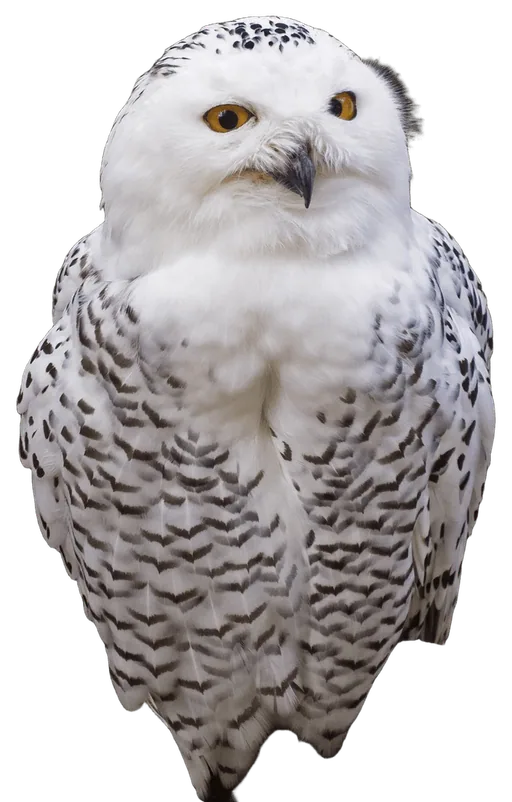
- Weight
- 2.2 kg5 lb
- Length
- 65 cm25.6 in
As heavy as 11 smartphones
Heavier than 29% of animalsAbout 2.2 rulers long
Bigger than 31% of animalsThe Snowy Owl is a roughly 2.15 kg Arctic raptor whose real strengths are precision, senses and mobility rather than brute force. A larger adult female combines sharp talons, low controlled flight, snow camouflage, exceptional insulation and hearing that helps locate concealed prey. It can defend nests aggressively and travel thousands of kilometres while tracking shifting food pulses, but its light unarmored body keeps absolute Attack and Defense far below large predators.
Detailed ratings
Research-backed ratings on one 0–100 scale for all 344 animals (updated 2026-09-27). How ratings work


Card No. 124 of 344. Every animal on Animal Battle Stats has one: its power, tier and archetype on the front; its six battle stats, abilities and signature move on the back.
Special abilities
Pale plumage, low controlled flight and acute prey localization combine to reduce detection and enable a rapid foot-first strike across open snowy terrain.
Strong hearing and vision allow the owl to locate and attack small prey concealed by vegetation or snow, reducing the protection normally provided by visual cover.
Unique traits
Exceptionally dense feathering extends over the legs and feet, preserving function in severe cold; it is thermal protection, not impact armor.
Breeding females can prospect over thousands of kilometres and settle where pulsed lemming abundance is favorable, an unusually mobile response to fluctuating prey.
How it fights
Weapons
- Snowy Owls are foot-first predators. They use powerful feathered feet and hooked talons to seize prey after a low approach, pounce or aerial pursuit. The bill assists after capture but should not be treated as the primary damage system. Their normal prey is far smaller than the owl, so prey success does not justify scaling the owl as though it routinely subdues similarly sized fighters.
Struggles vs
- Light avian body with no armor.
- Talons are lethal to small prey but have limited absolute reach and force against much larger mammals.
- Dense cover reduces open-country flight geometry.
- Grounded or wing-injured individuals lose most defensive mobility.
- Large movement range and cold tolerance should not be confused with resistance to traumatic injury.
- Weight
- 2.2 kg5 lb
- Height
- No reliable measurement
- Length
- 65 cm25.6 in
- Top speed
- No reliable measurement
- Bite force
- No reliable measurement
- Lifespan
- 10 years
- Home biome
- Arctic
- Lifestyle
- Mostly solitary
Rated specimen: Healthy prime adult female, 2.15 kg, approximately 65 cm total length, with an approximately 140 cm wingspan.
Fun facts
- Females are substantially heavier than males; a long Saskatchewan dataset averaged 2.149 kg for females versus 1.611 kg for males.
- A tracked female Snowy Owl traveled up to 4,093 km during one spring search period.
- The oldest known banded Snowy Owl reported by Cornell was a female at least 23 years and 10 months old.
- Snowy Owls are unusually diurnal for owls and can hunt through the continuous daylight of Arctic summer.
- A 30-year Alaska study recovered 43,689 prey items from pellets, 99% of them lemmings.
- Some GPS-tagged owls use frozen Great Lakes or Arctic marine openings to hunt waterfowl.
Closest rivals by power. Tap one for the full breakdown, or pick any opponent.
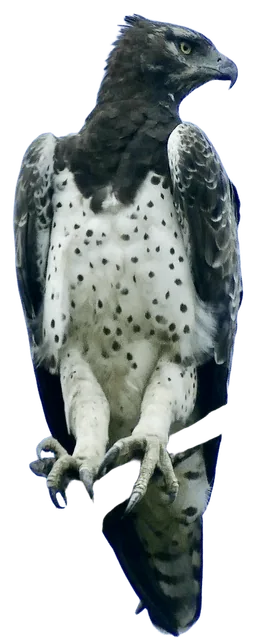
vs GyrfalconWins · 52% · Toss-up 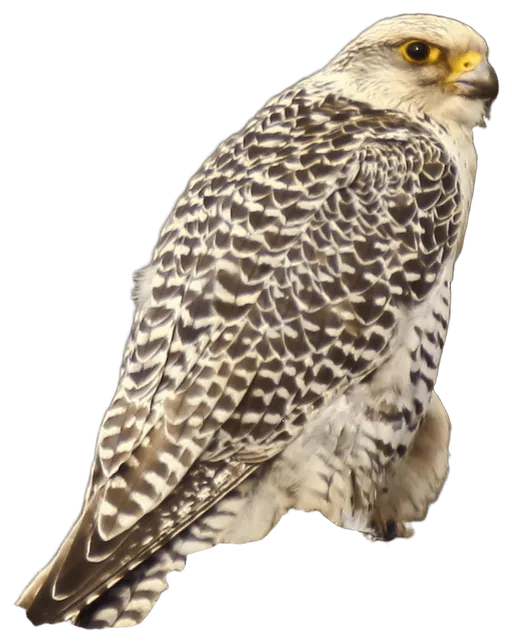 W vs Martial EagleLoses · 54% · Toss-up
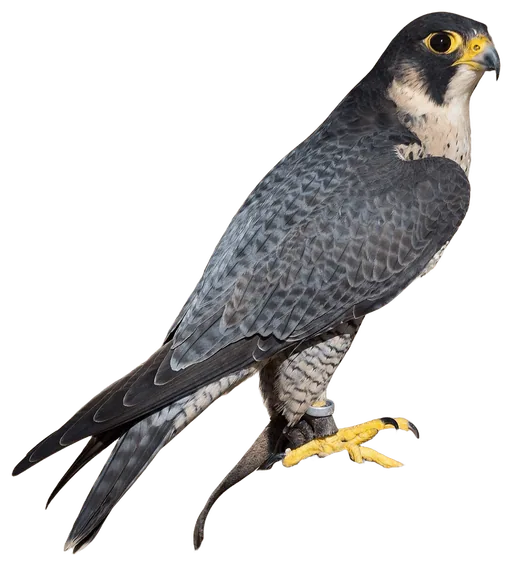
 L vs Peregrine FalconWins · 54% · Toss-up
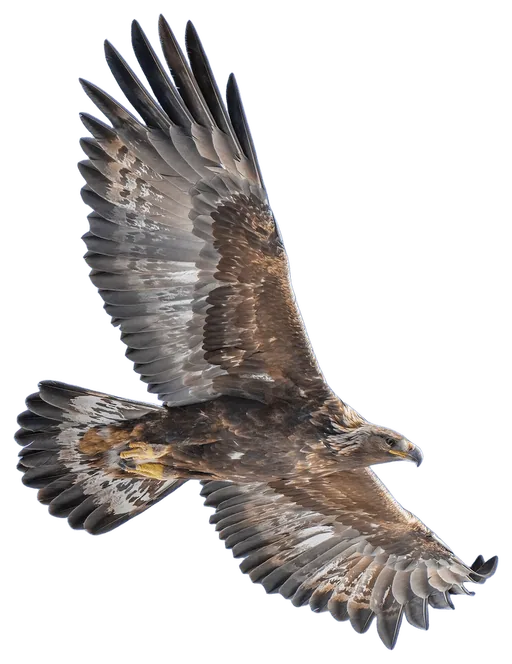
 W vs Golden EagleLoses · 54% · Toss-up
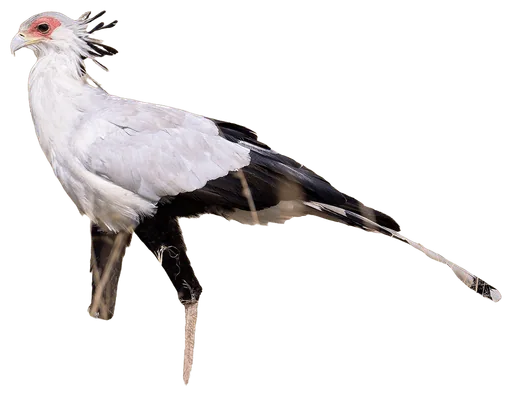
 L vs Secretary BirdLoses · 55% · Toss-up
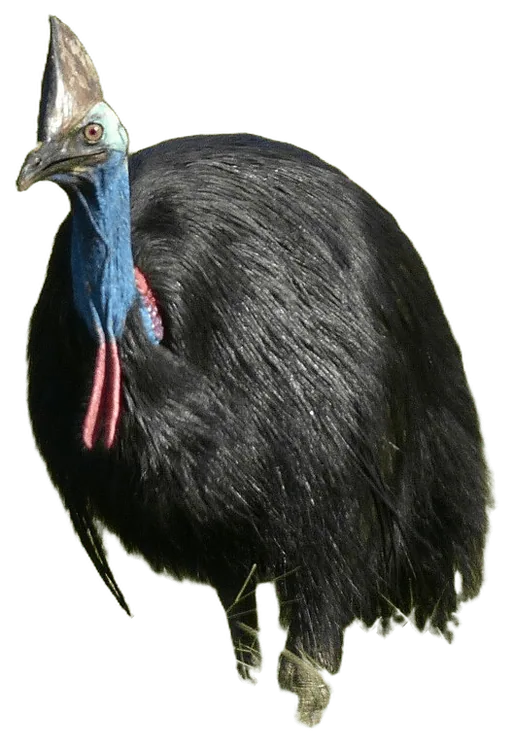
 L vs CassowaryLoses · 70% · Clear edge
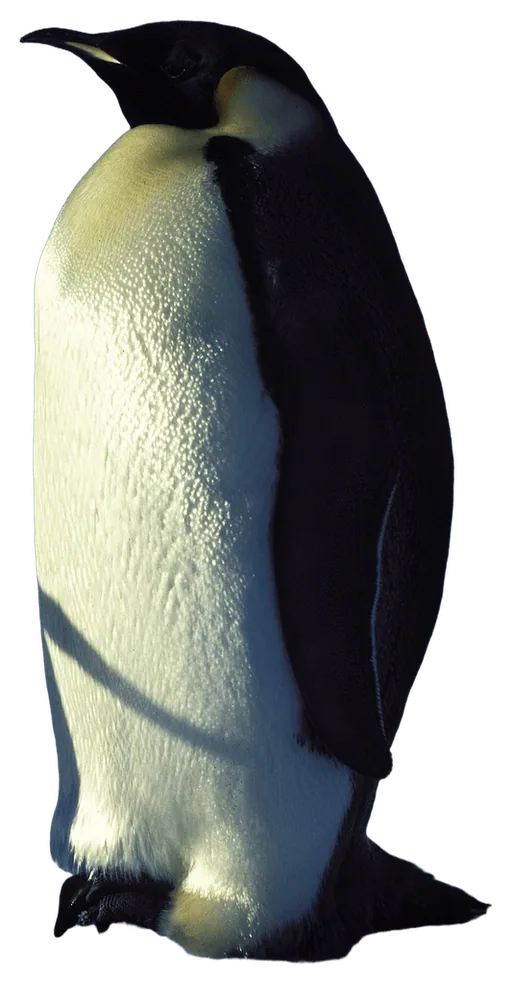
 L vs Emperor PenguinLoses · 64% · Slight edge
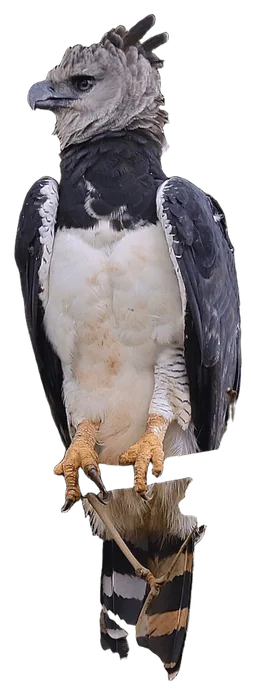
 L vs Harpy EagleLoses · 55% · Toss-up
 L
Snowy Owl battle analysis
A Snowy Owl is easy to overrate if its Arctic toughness is mistaken for combat durability. The bird survives cold through extraordinary feather insulation, not thick hide or armor. Its fighting system is instead built around avoiding a fair exchange: detect a small target, approach low and quietly, arrive with the feet first, lock on with curved talons and use flight to control the geometry.
The larger female is the correct ABS fighter. Field data show a substantial sex difference in mass and body condition, while observational hunting data show adult females outperforming juvenile females. In ordinary ecology the owl's victims are mostly tiny rodents, especially lemmings, so its impressive predatory efficiency must remain on an absolute scale. Against a medium mammal the owl loses the mass, skeletal robustness and weapon depth needed for prolonged close combat.
What makes the species exceptional is the combination of sensory hunting and movement ecology. Snow can hide a rodent visually without making it safe, while GPS and satellite work show a predator capable of prospecting over enormous Arctic distances when prey pulses move. ABS should therefore place Snowy Owl very high in Agility, Senses and Special, high in Stamina, but much lower in Raw Power, Protection and Defense.
Habitat & range
Circumpolar Arctic breeder of treeless tundra across North America and Eurasia. In winter many move south into open coasts, fields, marshes, airports, prairies and large-lake environments, while others remain in northern or marine habitats.
Diet & hunting
Breeding ecology is exceptionally tied to lemmings. The 1992–2021 Utqiaġvik dataset found lemmings at 99% of pellet prey. Away from that setting the species broadens its diet to voles, rabbits, birds, waterfowl, fish and other prey. It often hunts from a low perch by waiting, then flying or pouncing onto prey.
Social life
Usually solitary outside breeding pairs/family groups. Breeding density and reproductive output track prey availability. Females incubate while males provision during nesting, and both parents defend the nesting area. Satellite work on 12 adult nesting females found estimated annual survival of about 85.2–92.3% during the tracking study.
Conservation
Globally assessed as Vulnerable by IUCN according to Canada's 2025 COSEWIC assessment. Canada designated Snowy Owl Threatened in May 2025 after evidence including a 42.6% Christmas Bird Count decline over 24 years. Threats include collisions, electrocution, disease, rodenticides and climate-driven changes to Arctic systems.
Quick answers
How strong is a Snowy Owl?
On the Animal Battle Stats scale, the Snowy Owl has an attack rating of 39 and a power index of 53.9 out of 100, which ranks it #124 of 344 animals and puts it in B tier (Strong). Its strongest stat is agility (88).
How much does a Snowy Owl weigh?
A typical adult Snowy Owl weighs about 2.2 kg (5 lb). Rated specimen: healthy prime adult female, 2.15 kg, approximately 65 cm total length, with an approximately 140 cm wingspan.
How fast is a Snowy Owl?
There is no reliable measured top speed for the Snowy Owl, so we do not publish one. Its agility rating, which covers acceleration, reflexes and evasion, is 88 out of 100.
What does a Snowy Owl eat?
Breeding ecology is exceptionally tied to lemmings. The 1992–2021 Utqiaġvik dataset found lemmings at 99% of pellet prey. Away from that setting the species broadens its diet to voles, rabbits, birds, waterfowl, fish and other prey. It often hunts from a low perch by waiting, then flying or pouncing onto prey.
Is the Snowy Owl endangered?
The Snowy Owl's conservation status is Vulnerable. Globally assessed as Vulnerable by IUCN according to Canada's 2025 COSEWIC assessment. Canada designated Snowy Owl Threatened in May 2025 after evidence including a 42.6% Christmas Bird Count decline over 24 years. Threats include collisions, electrocution, disease, rodenticides and climate-driven changes to Arctic systems.
What animals can beat a Snowy Owl?
Among its closest rivals, the Martial Eagle (54%), the Golden Eagle (54%), the Secretary Bird (55%), the Cassowary (70%), the Emperor Penguin (64%), the Harpy Eagle (55%) would be favored against the Snowy Owl. It would be favored against the Gyrfalcon, the Peregrine Falcon.