
Snow Leopard
Panthera unciaA tier · Elite26th of 163 mammals
Size & speed

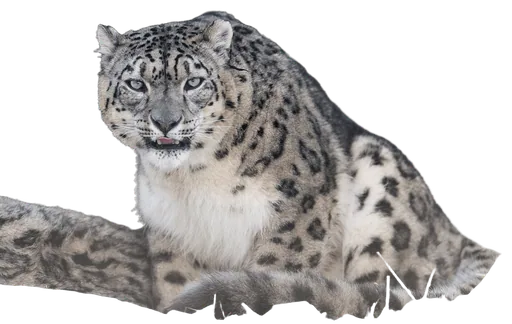
- Weight
- 50 kg110 lb
- Length
- 2.05 m6.7 ft
About as heavy as a person
Heavier than 63% of animalsAbout as long as a person is tall
Bigger than 73% of animalsA 50 kg adult male snow leopard is a specialized mountain ambush cat built around claws, a throat bite, camouflage and extraordinary terrain control. Its broad paws, long hind limbs and counterbalancing tail make it exceptionally agile on cliffs and snow, but it lacks armor and gives up substantial absolute power to tigers, lions and bears.
Detailed ratings
Research-backed ratings on one 0–100 scale for all 344 animals (updated 2026-09-27). How ratings work


Card No. 46 of 344. Every animal on Animal Battle Stats has one: its power, tier and archetype on the front; its six battle stats, abilities and signature move on the back.
Special abilities
Cryptic rosetted coat, stalking behavior and use of cliffs/ridges allow close approach and favorable first contact in broken mountain terrain.
Long hind limbs, broad paws and tail-assisted balance enable unusually controlled leaps and rapid repositioning across steep, unstable surfaces.
Unique traits
The exceptionally long, thick tail approaches body length and stabilizes the cat while also serving as a cold-weather wrap at rest.
Unusually broad, furred paws spread load over snow and improve traction while reducing heat loss.
How it fights
Weapons
- Snow leopards are solitary ambush predators. They stalk from cover or elevation, accelerate into a short pursuit on steep slopes, grapple with the forelimbs and kill with a neck/throat bite. Snow Leopard Trust identifies blue sheep/bharal, Asiatic ibex and argali as key prey. Institutional sources report that snow leopards can kill prey around three times their own mass. The Trust reports a large kill roughly every 8–10 days, with cats often remaining near a carcass for 3–4 days.
Struggles vs
- Only ~50 kg canonically, so large cats, bears and megafauna have major absolute mass/power advantages.
- No armor, venom, horns or long-range weapon.
- Ambush and terrain advantage matter more than frontal attrition.
- Excellent against similarly sized or smaller animals vulnerable to a grapple-and-throat-bite sequence, especially in broken terrain.
- Poor against much larger armored, thick-skinned or crushing opponents that can survive the initial grapple and overpower it.
- Weight
- 50 kg110 lb
- Height
- 60 cm23.6 in
- Length
- 2.05 m6.7 ft
- Top speed
- No reliable measurement
- Bite force
- No reliable measurement
- Lifespan
- 12 years
- Home biome
- Mountains
- Lifestyle
- Mostly solitary
Rated specimen: Healthy prime adult male, 50.0 kg, 60.0 cm shoulder height, 115.0 cm head-body length, plus an approximately 90.0 cm tail.
Fun facts
- The tail can be nearly as long as the head-body length.
- Large paws function like natural snowshoes.
- Snow leopards cannot produce the classic full roar of lions and tigers, but communicate with growls, chuffs, moans and other calls.
- Institutional references report leaps around 10–15 m horizontally.
- A large prey animal may be consumed over several days, and large kills average roughly one every 8–10 days according to Snow Leopard Trust.
- Recent GPS work has documented individual home ranges extending across international borders.
Closest rivals by power. Tap one for the full breakdown, or pick any opponent.
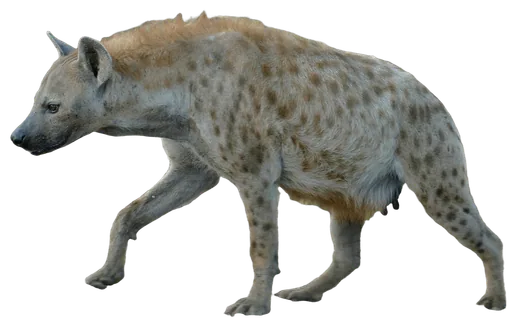
vs CamelLoses · 63% · Slight edge 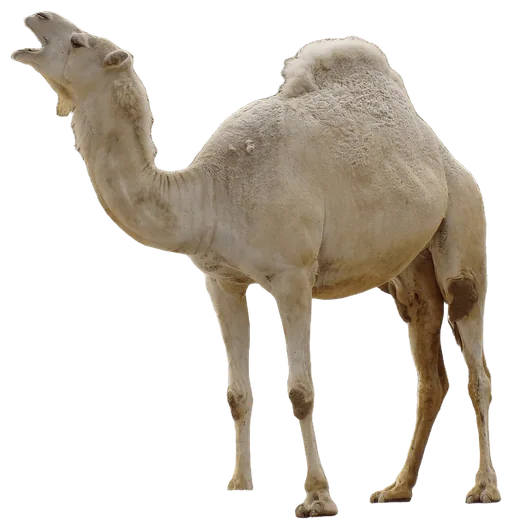 L vs HyenaLoses · 53% · Toss-up
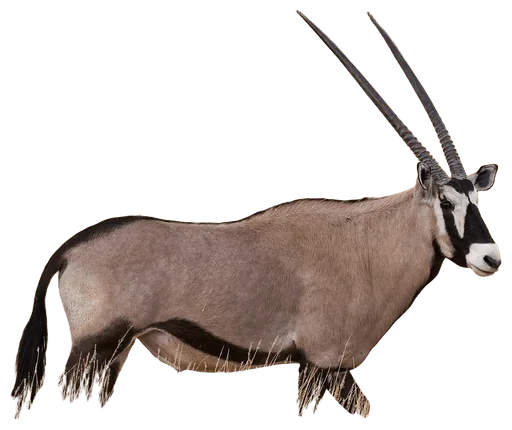
 L vs OryxLoses · 58% · Slight edge
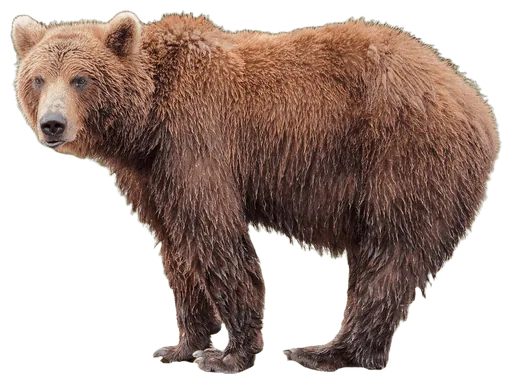
 L vs Grizzly BearLoses · 59% · Slight edge
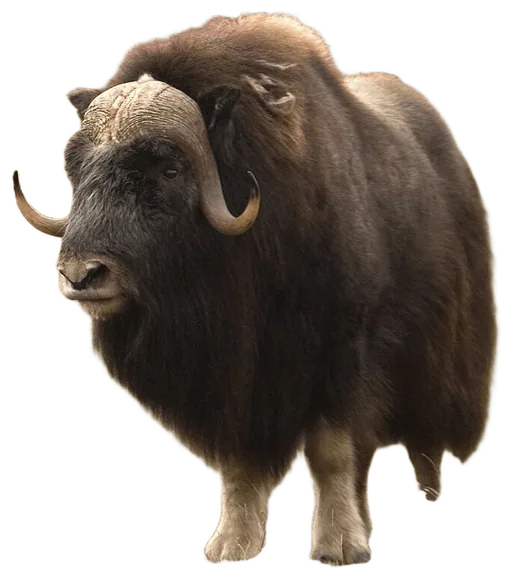
 L vs Musk OxLoses · 58% · Slight edge
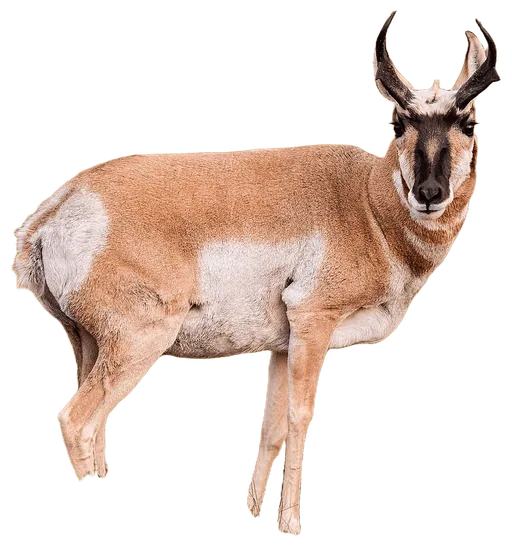
 L vs PronghornWins · 52% · Toss-up
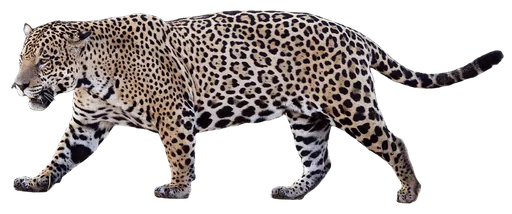
 W vs JaguarLoses · 56% · Toss-up
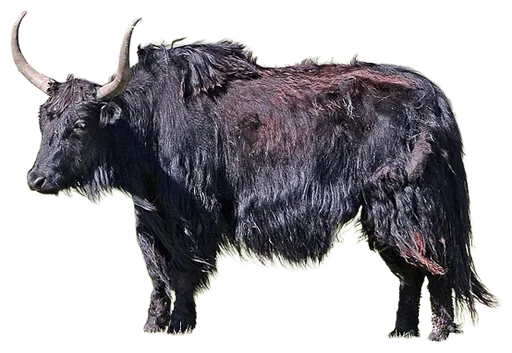
 L vs YakLoses · 60% · Slight edge
 L
Snow Leopard battle analysis
The snow leopard's combat identity is positioning rather than brute-force supremacy. It is large enough to kill mountain ungulates substantially heavier than itself, but its real edge comes before contact. Broken rock, ledges and snow create routes that its broad paws, long hind limbs and tail can exploit with precision. Its coat suppresses visual detection, allowing the cat to turn terrain into an ambush weapon.
Once contact occurs, the mechanics are recognizably felid: forelimbs and claws establish control, the body rides or destabilizes prey, and the jaws seek the neck or throat. This is formidable at 50 kg, but ABS must preserve the large absolute gap to a 190 kg Amur tiger or much larger bear. The snow leopard should therefore score elite in Agility and high in terrain-dependent Special, while Attack, Defense and Raw Power remain constrained by body scale.
Habitat & range
Snow leopards occupy Central and South Asian mountain systems from the Himalayas and Tibetan Plateau through parts of Central Asia, Mongolia and southern Siberia. ADW places the broad elevational range around 900–5,500 m, commonly 3,000–4,500 m, with lower winter movement in parts of the range. Preferred terrain includes cliffs, ridges, gullies, rocky outcrops, alpine meadow, shrubland and open conifer habitat rather than dense forest.
Diet & hunting
Principal wild prey are mountain ungulates, especially bharal, ibex and argali, supplemented by marmots, hares, pikas, rodents and birds. Livestock may also be taken. Adults are predominantly solitary outside mating and mother-young associations. Scent marking and scrapes mediate spacing and communication.
Conservation
The snow leopard is listed Vulnerable on the IUCN Red List. Major threats include prey depletion, retaliatory killing after livestock losses, poaching/illegal trade, habitat fragmentation and climate-related landscape change. Community livestock protection and prey conservation are therefore central to coexistence.
Quick answers
How strong is a Snow Leopard?
On the Animal Battle Stats scale, the Snow Leopard has an attack rating of 61 and a power index of 64.1 out of 100, which ranks it #46 of 344 animals and puts it in A tier (Elite). Its strongest stat is agility (94).
How much does a Snow Leopard weigh?
A typical adult Snow Leopard weighs about 50 kg (110 lb). Rated specimen: healthy prime adult male, 50.0 kg, 60.0 cm shoulder height, 115.0 cm head-body length, plus an approximately 90.0 cm tail.
How fast is a Snow Leopard?
There is no reliable measured top speed for the Snow Leopard, so we do not publish one. Its agility rating, which covers acceleration, reflexes and evasion, is 94 out of 100.
What does a Snow Leopard eat?
Principal wild prey are mountain ungulates, especially bharal, ibex and argali, supplemented by marmots, hares, pikas, rodents and birds. Livestock may also be taken. Adults are predominantly solitary outside mating and mother-young associations. Scent marking and scrapes mediate spacing and communication.
Is the Snow Leopard endangered?
The Snow Leopard's conservation status is Vulnerable. The snow leopard is listed Vulnerable on the IUCN Red List. Major threats include prey depletion, retaliatory killing after livestock losses, poaching/illegal trade, habitat fragmentation and climate-related landscape change. Community livestock protection and prey conservation are therefore central to coexistence.
What animals can beat a Snow Leopard?
Among its closest rivals, the Camel (63%), the Hyena (53%), the Oryx (58%), the Grizzly Bear (59%), the Musk Ox (58%), the Jaguar (56%), the Yak (60%) would be favored against the Snow Leopard. It would be favored against the Pronghorn.
Researched 2026-09-27. Ratings are editorial judgments built from these sources; measurements describe a healthy adult male.
- Animal Diversity Web, snow leopardadult mass 25–75 kg; typical 35–45 kg; body 100–130 cm; tail 80–100 cm; large paws; male somewhat larger
- PBS Nature fact sheetmale 99–121 lb, female 77–88 lb, ~24 in shoulder, body/tail dimensions
- Marwell Zoo86–125 cm body, 80–105 cm tail, 22–52 kg, 10–20 y, 10–15 m leap claim
- Snow Leopard Trust ecologykey prey: ibex, markhor, blue sheep, argali
- Snow Leopard Trust preylarge kill every 8–10 days; 3–4 days at carcass; prey variation
- Shrestha et al. 2025, Ecology and Evolutionsatellite telemetry, adult-male movement states, transboundary movement
- Subba et al. 2025, Integrative Conservationadult male/female GPS home ranges; male LoCoH ~312 km², MCP 1,032 km²
- ADW habitat account900–5,500 m broad elevation and alpine/subalpine habitat
- WWFrange, population context, Vulnerable status
- Commons full-body-named male sourceexact species, male category, CC BY 2.5, direct visual rejection because tail is not visible
- Commons walking source7360×4912 CC BY-SA 2.0 exact-species photo; visual rejection due tail/frame and feet/snow
Photo: “Snow Leopard Looking Hungry (12785272055).jpg” by Eric Kilby from Somerville, MA, USA, CC BY-SA 2.0, background removed and cropped. Original
Suggest a correction