
Sloth Bear
Melursus ursinusB tier · Strong39th of 163 mammals
Size & speed

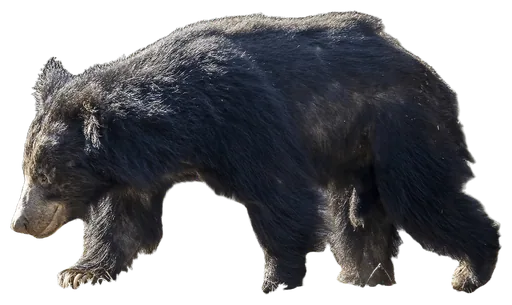
- Weight
- 120 kg265 lb
- Length
- 1.75 m5.7 ft
As heavy as 1.7 people
Heavier than 74% of animalsAbout as long as a person is tall
Bigger than 68% of animalsA shaggy South Asian bear specialized for termites but armed for a violent close-range defense. A prime male around 120 kg combines long excavation claws, large canines, powerful forequarters and an unusually aggressive countercharge strategy that can deter even tigers. It is not a large-prey hunting specialist, and its digging morphology limits pursuit and tree escape, but opponents entering grappling range face a dangerous ursid built to stand its ground.
Detailed ratings
Research-backed ratings on one 0–100 scale for all 344 animals (updated 2026-09-27). How ratings work


Card No. 67 of 344. Every animal on Animal Battle Stats has one: its power, tier and archetype on the front; its six battle stats, abilities and signature move on the back.
Special abilities
When a major threat appears at very close range, the bear can rear and launch an explosive claw-and-bite countercharge; the 2024 interaction dataset shows this frequently deters tigers before physical contact.
Protrusible lips, missing upper central incisors, extended palate and closable nostrils create powerful insect suction after the foreclaws breach a nest. Primarily ecological, but it reflects unusually specialized craniofacial control.
Unique traits
Long, thick foreclaws built to break hard termite structures double as formidable close-range striking tools, though their blunt digging form compromises rapid climbing.
Uniquely among living bears, mothers routinely carry cubs on their backs; the long coat also helps protect against insects and may reduce the effectiveness of some predator bites around the neck/body.
How it fights
Weapons
- The principal weapons are long, heavy foreclaws and large canines. The claws are built for breaking hard termite structures, so they are blunt compared with felid claws but long, powerful and attached to strongly built digging forelimbs. In close defense the bear rises, swipes, grapples and bites. Human attack records demonstrate that this combination can produce deep lacerations and fractures, especially to the face and arms, without requiring an invented bite-pressure number.
Struggles vs
- Open terrain exposes it to faster large predators.
- Long blunt claws are excellent excavation tools but less effective for rapid tree escape.
- Head-down noisy foraging can reduce predator vigilance.
- It is not built for long pursuit of fast prey.
- Against substantially larger bears or big cats, its courage does not erase mass, weapon-speed and predatory-skill disadvantages.
- Weight
- 120 kg265 lb
- Height
- 80 cm31.5 in
- Length
- 1.75 m5.7 ft
- Top speed
- No reliable measurement
- Bite force
- No reliable measurement
- Lifespan
- 26 years
- Home biome
- Forest
- Lifestyle
- Mostly solitary, nocturnal
Rated specimen: Healthy prime fully mature mainland adult male, 120.0 kg, 175.0 cm head-body length, 80.0 cm shoulder height.
Fun facts
- Sloth bears are the only living bears that routinely transport cubs on the mother's back.
- Their front claws can reach about 8 cm and are primarily termite-excavation tools.
- Adults lack the two central upper incisors, leaving a suction gap for insects.
- Their nostrils can close voluntarily while they blow soil and suck insects from nests.
- San Diego Zoo reports that feeding suction sounds can be audible from about 100 m away.
- A 2024 study found that 86% of documented tiger interactions ended without physical contact, showing how effective the bear's defensive display can be while still acknowledging tiger lethality.
Closest rivals by power. Tap one for the full breakdown, or pick any opponent.
vs LeopardWins · 54% · Toss-up 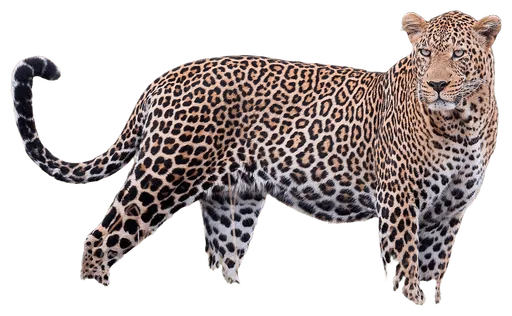 W vs Mountain GoatDraw · 50-50 · Dead even
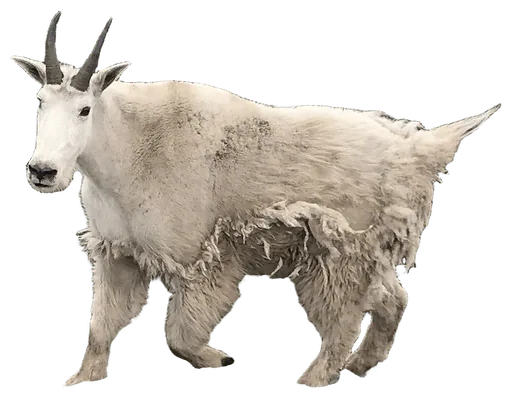 D vs MooseLoses · 59% · Slight edge
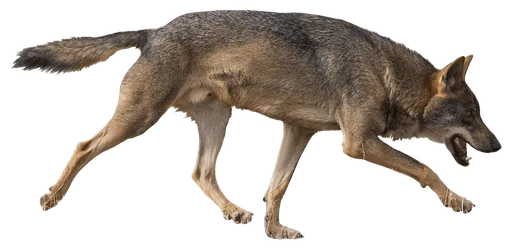
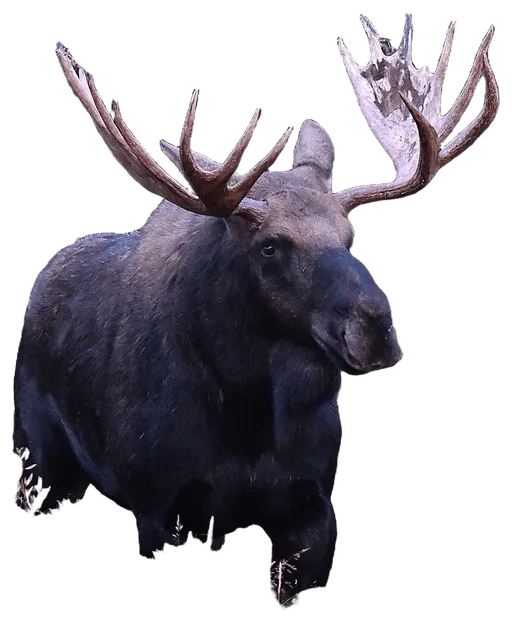 L vs Gray WolfWins · 55% · Toss-up
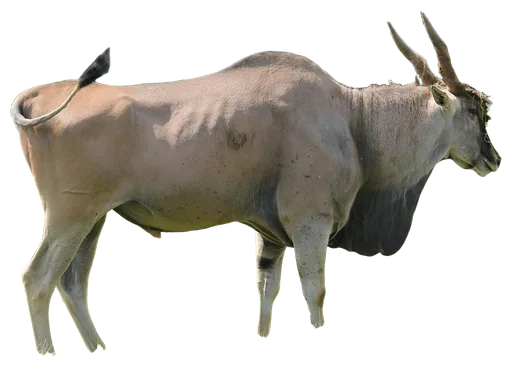
 W vs Common ElandLoses · 61% · Slight edge
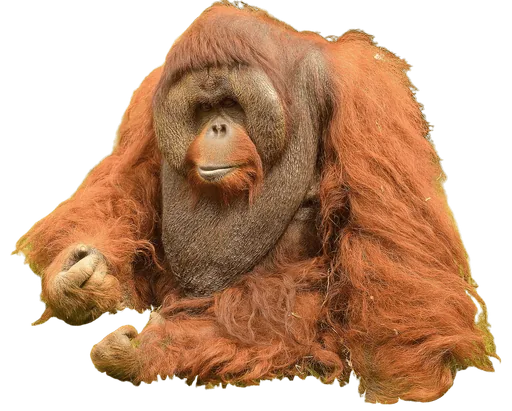
 L vs OrangutanWins · 51% · Toss-up
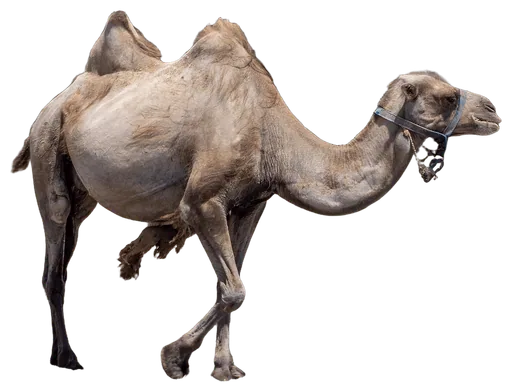
 W vs Bactrian CamelLoses · 58% · Slight edge
 L vs African LionLoses · 52% · Toss-up
 L
Sloth Bear battle analysis
The sloth bear is a useful warning against equating diet with combat capability. Its skull and limbs are specialized for eating insects, yet the animal still has the mass, canines and forelimb power of a medium-sized bear. The same claws that rip open termite architecture become damaging striking tools when the bear is cornered. Its shaggy coat is not armor, but field observations suggest that it can complicate a predator's bite, especially around the neck.
Its most remarkable combat trait is behavioral. Sloth bears coexist with tigers without possessing the climbing escape system of Asiatic black or sun bears. The 2024 tiger-interaction analysis supports a different solution: when surprised at close range, the bear often rears and countercharges. Most documented encounters ended before contact. That does not make a sloth bear stronger than a tiger; four bears in the dataset were killed. It does mean that Ferocity and close-range deterrence deserve far more weight than the species' insect diet would imply.
ABS normalization therefore places the sloth bear in a strong but not elite offensive tier. A 120 kg male is vastly above small carnivores in absolute force, yet clearly below a Siberian tiger's specialized predatory offense and below megafaunal durability. Its Special score comes from genuinely unusual feeding and defensive biology without double-counting claws across every category.
Habitat & range
Sloth bears are endemic to the Indian subcontinent. Current range centers on India, Sri Lanka and Nepal, with possible/rare status in Bhutan and historical loss from Bangladesh. They occupy dry and moist deciduous forest, scrub, savanna, grassland and some evergreen forest. Habitat use is highly variable with food, cover and human pressure.
Diet & hunting
They are omnivores with unusually strong specialization on ants and termites. Fruit can become a major seasonal food, alongside honey, flowers, crops, eggs, carrion and other opportunistic foods. Mammal predation is rare. Their excavation and fruit consumption influence soil disturbance and seed dispersal.
Social life
Generally solitary except for mating and mothers with cubs. Activity can shift with human disturbance: animals may become more nocturnal around people while using daylight more readily in less disturbed areas. Home ranges vary dramatically among ecosystems and sexes.
Conservation
IBA identifies the species as Vulnerable with a decreasing overall trend and lists it in CITES Appendix I. Major threats include habitat loss/fragmentation, human-bear conflict, retaliatory killing and historical exploitation in the dancing-bear trade. A 2024 Nepal report cited a global estimate below 17,000 individuals, while IBA emphasizes that exact population estimates remain uncertain.
Quick answers
How strong is a Sloth Bear?
On the Animal Battle Stats scale, the Sloth Bear has an attack rating of 65 and a power index of 60.7 out of 100, which ranks it #67 of 344 animals and puts it in B tier (Strong). Its strongest stat is attack (65).
How much does a Sloth Bear weigh?
A typical adult Sloth Bear weighs about 120 kg (265 lb). Rated specimen: healthy prime fully mature mainland adult male, 120.0 kg, 175.0 cm head-body length, 80.0 cm shoulder height.
How fast is a Sloth Bear?
There is no reliable measured top speed for the Sloth Bear, so we do not publish one. Its agility rating, which covers acceleration, reflexes and evasion, is 55 out of 100.
What does a Sloth Bear eat?
They are omnivores with unusually strong specialization on ants and termites. Fruit can become a major seasonal food, alongside honey, flowers, crops, eggs, carrion and other opportunistic foods. Mammal predation is rare. Their excavation and fruit consumption influence soil disturbance and seed dispersal.
Is the Sloth Bear endangered?
The Sloth Bear's conservation status is Vulnerable. IBA identifies the species as Vulnerable with a decreasing overall trend and lists it in CITES Appendix I. Major threats include habitat loss/fragmentation, human-bear conflict, retaliatory killing and historical exploitation in the dancing-bear trade. A 2024 Nepal report cited a global estimate below 17,000 individuals, while IBA emphasizes that exact population estimates remain uncertain.
What animals can beat a Sloth Bear?
Among its closest rivals, the Moose (59%), the Common Eland (61%), the Bactrian Camel (58%), the African Lion (52%) would be favored against the Sloth Bear. It would be favored against the Leopard, the Gray Wolf, the Orangutan. It is dead even with the Mountain Goat: a draw.
Researched 2026-09-27. Ratings are editorial judgments built from these sources; measurements describe a healthy adult male.
- San Diego Zoo, Sloth Bearmale/female mass, length/height, ~8 cm claws, diet, nostril closure, life history, behavior, 15.8 y median life expectancy
- Smithsonian National Zoo, Sloth Beardimensions, range, keen smell, dental gap, canines, nostrils, coat
- Animal Diversity Web, Melursus ursinus55–140 kg, 80–140 kg males, 55–95 kg females, 60–90 cm shoulder, 1.5–1.9 m length, dimorphism
- International Association for Bear Research and Management140–190 cm, male/female mass, 25–28 y wild lifespan, range, diet, habitat, conservation, home-range synthesis
- Sharp, Garshelis & Larson 2024, Ecology and Evolution43 tiger interactions, <3 m trigger, 86% no-contact, 9% fatal, claws/climbing tradeoff, shag coat/ruff, tiger-defense hypothesis
- Sharp et al. full textdetailed tiger-defense mechanics and morphology
- Dhamorikar et al. 2017, PLOS One/PubMed166 human-attack victims, encounter context and seasonality
- Thalgaspitiya et al. 2022Sri Lankan attack injuries including deep lacerations/fractures
- Ratnayeke, van Manen & Padmalal 2007, USGS/Wildlife Biologytelemetry of 10 adult Sri Lankan bears; 2.2 km² female and 3.8 km² male mean home ranges
- Paudel et al. 20229–14 km² Chitwan vs 12–85 km² Central India context; habitat occupancy
- Amici et al. 2019controlled novel-problem task; bears did not solve bucket task despite cues/experience
- IBA 2024 Nepal reportVulnerable status and cited global estimate <17,000
- Commons Charles J. Sharp imageexact Sri Lankan subspecies, male, 3802×2535, wild Yala provenance, CC BY-SA 4.0
- ADW Frank Laubach imageexact species, live adult/sexually mature, CC BY 3.0
Photo: “Sri Lankan sloth bear (Melursus ursinus inornatus) male 3.jpg” by Charles J. Sharp, CC BY-SA 4.0, background removed and cropped. Original
Suggest a correction