
Sloth
Bradypus tridactylusF tier · Snack161st of 163 mammals
Size & speed

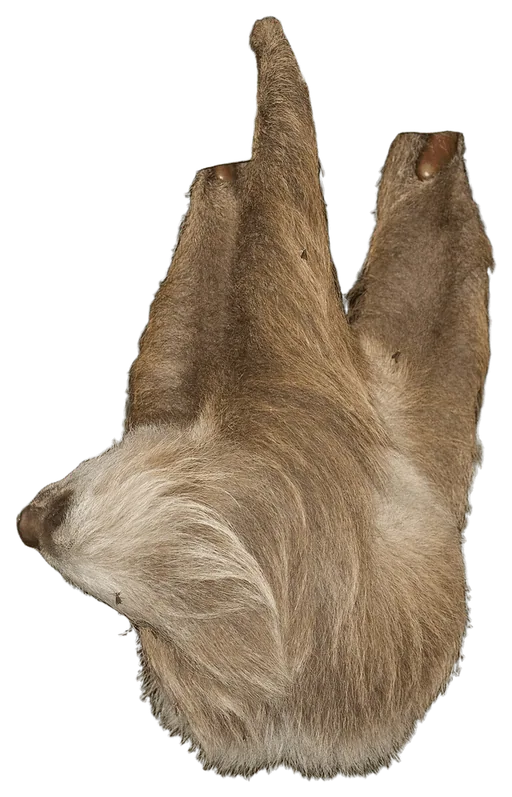
- Weight
- 4.5 kg10 lb
- Length
- 60 cm23.6 in
About as heavy as a house cat
Heavier than 36% of animalsAbout 2 rulers long
Bigger than 29% of animalsThe pale-throated three-toed sloth is a small, highly specialized rainforest canopy mammal built for secure suspension, camouflage and extreme energy conservation. Its hooked claws can be used in real intraspecific fights, but its low mass and exceptionally slow movement keep direct attack power modest. In trees it is difficult to dislodge and surprisingly versatile, while on open ground most of its advantages disappear.
Detailed ratings
Research-backed ratings on one 0–100 scale for all 344 animals (updated 2026-09-27). How ratings work


Card No. 325 of 344. Every animal on Animal Battle Stats has one: its power, tier and archetype on the front; its six battle stats, abilities and signature move on the back.
Special abilities
Long hook-like claws and suspensory anatomy let the sloth maintain exceptionally secure branch attachment, complicating attempts to dislodge it and allowing anchored defensive clawing.
Specialized coarse pelage supports algae and other commensals, adding greenish cryptic coloration that complements near-motionless canopy behavior and reduces visual detection.
Unique traits
The species has eight or nine cervical vertebrae rather than the typical mammalian seven, permitting unusually broad head and neck mobility while the torso remains anchored.
Adult males carry a conspicuous orange-yellow dorsal patch with dark markings, a sex-specific external feature useful for identifying the canonical fighting sex.
How it fights
Weapons
- The pale-throated sloth is not a pursuit predator and has very low absolute offensive output. Its meaningful weapon is the hooked claw array. Hayssen's species account records same-sex aggression as predominantly claw striking, showing that the claws are not merely locomotor hooks. From a branch, the animal can maintain several points of suspension while swinging or striking with another limb. The bite is secondary and rarely reported in aggression.
- Weight
- 4.5 kg10 lb
- Height
- No reliable measurement
- Length
- 60 cm23.6 in
- Top speed
- No reliable measurement
- Bite force
- No reliable measurement
- Lifespan
- 20 years
- Home biome
- Jungle
- Lifestyle
- Mostly solitary
Rated specimen: Healthy prime adult male, approximately 4.5 kg and 60.0 cm head-body length.
Fun facts
- Bradypus tridactylus has three claws on both forefeet and hind feet.
- Adult males have a sex-specific bright dorsal speculum.
- The species can swim despite its extreme specialization for hanging beneath branches.
- Hayssen's review notes a documented individual sleeping about 18.5 hours per day.
- Its fur hosts algae and invertebrates, creating a miniature commensal community.
- Historical confusion between B. tridactylus and B. variegatus is substantial enough that species identity must be checked before reusing older sloth data.
Closest rivals by power. Tap one for the full breakdown, or pick any opponent.
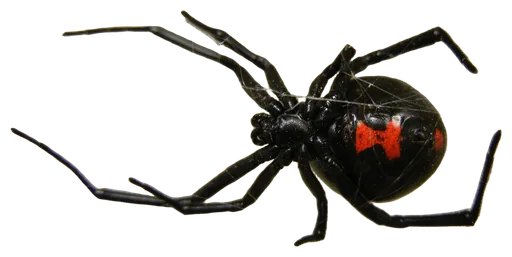
vs Africanized Honey BeeWins · 93% · Decisive 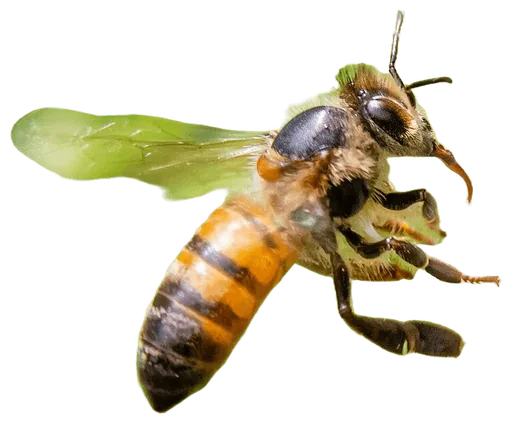 W vs Black WidowWins · 87% · Decisive
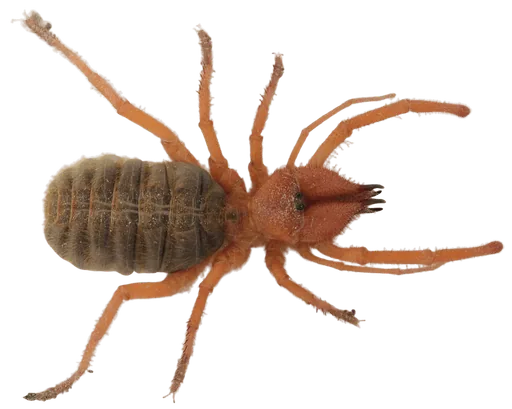
 W vs Camel SpiderWins · 73% · Clear edge
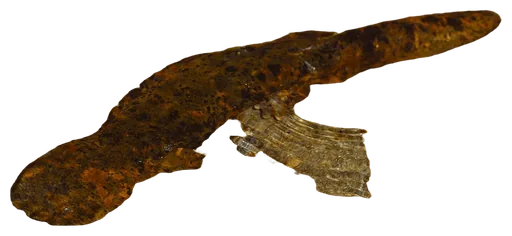
 W vs HellbenderWins · 58% · Slight edge
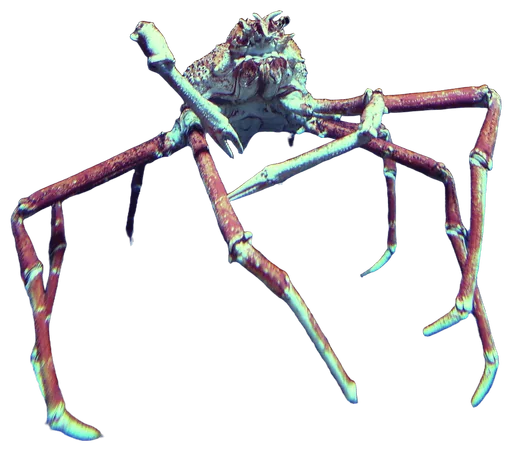
 W vs Japanese Spider CrabLoses · 56% · Toss-up
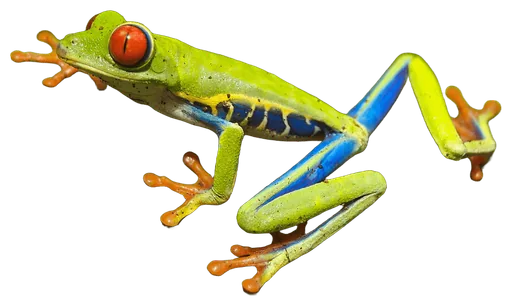
 L vs Red-Eyed Tree FrogWins · 79% · Clear edge
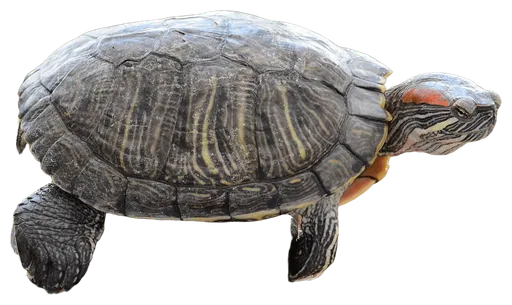
 W vs Red-eared SliderWins · 55% · Toss-up
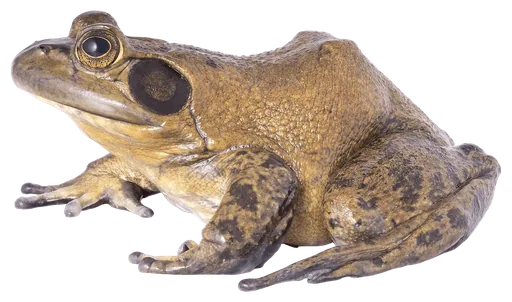
 W vs BullfrogWins · 63% · Slight edge
 W
Sloth battle analysis
The sloth's battle profile is a useful warning against confusing specialization with generalized power. Bradypus tridactylus survives not by outrunning or overpowering predators, but by making itself difficult to notice and awkward to remove. Its long claws lock onto branches, its fur blends into the canopy, and its slow movements reduce visual cues. A predator that never detects the animal has already lost the ecological contest.
If a fight becomes unavoidable, however, the scale changes. The sloth has only a few kilograms of body mass and cannot rapidly reposition across open terrain. Its claws are legitimate weapons, documented in same-sex striking, but they are delivered from a body designed for deliberate suspension rather than explosive pursuit. Its strongest combat geometry is therefore an anchored defense in a dense crown: several limbs locked around supports while one limb threatens the approach path.
This makes the sloth unusually arena-dependent. In a tree it can be secure, flexible and frustrating. On the ground, its low translational speed and weak terrestrial mechanics expose it to almost every mobile predator. ABS ratings should preserve that distinction without turning impressive grip strength into pound-for-pound score inflation.
Habitat & range
Bradypus tridactylus is a high-canopy folivore of tropical rainforest in northeastern South America. Hayssen places it in Venezuela, Guyana, Suriname, French Guiana and northeastern Brazil, from the Orinoco delta toward the Amazon region. This narrower range is important because older references sometimes incorrectly assign the broader B. variegatus distribution to it.
Diet & hunting
The species is primarily folivorous and spends most of its life in the canopy. Slow movement, low energetic throughput and prolonged resting are linked to a low-quality leafy diet. Its pelage forms a small ecosystem occupied by algae and invertebrates. It is therefore both a consumer and a moving microhabitat.
Social life
It is predominantly solitary. Encounters increase around reproduction and territorial/social overlap. Same-sex aggression has been observed and consists mainly of claw strikes, with biting rare. This direct observation is the main reason Attack is not reduced to near-zero despite the species' extremely slow lifestyle.
Conservation
Hayssen reported the species as Least Concern because substantial range remained in relatively intact Amazonian habitat. The current report does not infer that all local populations are secure, and future production migration should refresh IUCN status directly at that time.
Quick answers
How strong is a Sloth?
On the Animal Battle Stats scale, the Sloth has an attack rating of 22 and a power index of 30.8 out of 100, which ranks it #325 of 344 animals and puts it in F tier (Snack). Its strongest stat is special (55).
How much does a Sloth weigh?
A typical adult Sloth weighs about 4.5 kg (10 lb). Rated specimen: healthy prime adult male, approximately 4.5 kg and 60.0 cm head-body length.
How fast is a Sloth?
There is no reliable measured top speed for the Sloth, so we do not publish one. Its agility rating, which covers acceleration, reflexes and evasion, is 34 out of 100.
What does a Sloth eat?
The species is primarily folivorous and spends most of its life in the canopy. Slow movement, low energetic throughput and prolonged resting are linked to a low-quality leafy diet. Its pelage forms a small ecosystem occupied by algae and invertebrates. It is therefore both a consumer and a moving microhabitat.
Is the Sloth endangered?
No. The Sloth is listed as Least Concern. Hayssen reported the species as Least Concern because substantial range remained in relatively intact Amazonian habitat. The current report does not infer that all local populations are secure, and future production migration should refresh IUCN status directly at that time.
What animals can beat a Sloth?
Among its closest rivals, the Japanese Spider Crab (56%) would be favored against the Sloth. It would be favored against the Africanized Honey Bee, the Black Widow, the Camel Spider, the Hellbender, the Red-Eyed Tree Frog, the Red-eared Slider, the Bullfrog.
Researched 2026-09-27. Ratings are editorial judgments built from these sources; measurements describe a healthy adult male.
- Hayssen 2009, Mammalian Species, "Bradypus tridactylus"Taxonomy, narrow range, historical B. variegatus confusion, male speculum, high-canopy folivory, solitary behavior, claw-strike aggression, rare biting, swimming, suspension, tough skin/broad ribs, sleeping observation, camouflage/pelage
- U.S. Fish & Wildlife Service species profileExact accepted species/common-name identity
- Animal Diversity Web, Bradypus tridactylus2.25-5.5 kg mass, roughly 1.5-2.5 ft length, claw morphology, fur/algae, nine cervical vertebrae
- Animal Diversity Web, genus BradypusCaptive longevity context around 20-30 years, wild longevity uncertainty
- Marais de Kaw natural-history profileApproximately 4.5 m/min arboreal movement, French Guiana natural-history context
- Wikimedia Commons / Bernard DupontExact-species male image, 3231×2122 original, French Guiana provenance, CC BY-SA 2.0 reuse status
Photo: “Hoffmann's two-toed sloth (Choloepus hoffmanni) male 1.jpg” by Charles J. Sharp, CC BY-SA 4.0, background removed and cropped. Original
Suggest a correction