
Skunk
Mephitis mephitisC tier · Capable129th of 163 mammals
Size & speed

- Weight
- 4.5 kg10 lb
- Length
- 70 cm27.6 in
About as heavy as a house cat
Heavier than 36% of animalsAbout 2.3 rulers long
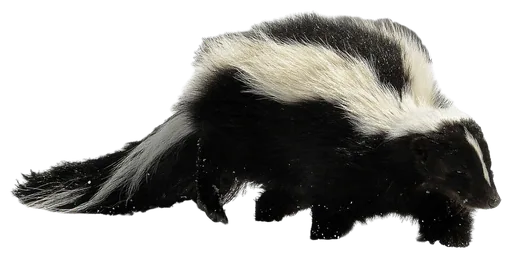
Bigger than 32% of animalsThe striped skunk is a small North American omnivore whose modest physical combat power is transformed by one of the roster's strongest deterrent systems. A healthy adult male weighs only a few kilograms, but directional anal-gland musk can reach roughly 3-4 m and cause severe eye irritation and temporary blindness. Its battle strategy is warning, orientation and sensory denial, not brute-force brawling.
Detailed ratings
Research-backed ratings on one 0–100 scale for all 344 animals (updated 2026-09-27). How ratings work


Card No. 236 of 344. Every animal on Animal Battle Stats has one: its power, tier and archetype on the front; its six battle stats, abilities and signature move on the back.
Special abilities
Directional anal-gland spray effective at roughly 3-4 m can cause intense ocular pain and temporary blindness, disrupting a close attack without physical contact.
The skunk can pivot its hindquarters toward a threat after warning displays, turning retreat-oriented body positioning into an aimed defensive firing solution.
Unique traits
Conspicuous coloration advertises the chemical defense and can make experienced predators hesitate before contact.
Elongated front claws support excavation of prey and dens, giving the otherwise short-legged animal strong substrate-working ability.
How it fights
Weapons
- Against ordinary prey, the striped skunk is an opportunistic omnivore that uses jaws and forefeet on insects, grubs, eggs and small vertebrates. In a hypothetical battle, however, its defining mechanism is rear-directed chemical projection. The skunk can orient its rump while keeping visual track of a threat, making a frontal approach costly even though the weapon originates behind the body.
- The spray should not be treated as instant lethal poison. Its battle value is sensory disruption and deterrence. A hit to the eyes can cause intense irritation and temporary blindness, creating an escape window and severely degrading an opponent's targeting.
Struggles vs
- Strong wind can disperse or redirect aerosolized secretion and also reduces activity in field studies.
- Deep water and vertical terrain do not suit its ordinary terrestrial locomotion.
- Against an opponent already in physical contact, low mass and limited armor become serious liabilities.
- Raptors attacking from above can partially bypass the orientation problem that deters many terrestrial predators.
- Weight
- 4.5 kg10 lb
- Height
- No reliable measurement
- Length
- 70 cm27.6 in
- Top speed
- No reliable measurement
- Bite force
- No reliable measurement
- Lifespan
- 3 years
- Home biome
- Forest
- Lifestyle
- Mostly solitary, nocturnal
Rated specimen: Healthy prime adult male, 4.5 kg, 70.0 cm total length.
Fun facts
- Smithsonian reports that kits can spray at about 8 days old, before their eyes open.
- Adult body mass can drop by roughly half during winter in some populations.
- A North Dakota telemetry study found males traveling about 3.3 km per night on average.
- The famous black-and-white pattern varies substantially among individuals.
- Skunks usually warn before spraying, including foot stamping and tail elevation.
- Their spray is oily, persistent and can temporarily blind an attacker when it reaches the eyes.
Closest rivals by power. Tap one for the full breakdown, or pick any opponent.
vs AnteaterLoses · 63% · Slight edge 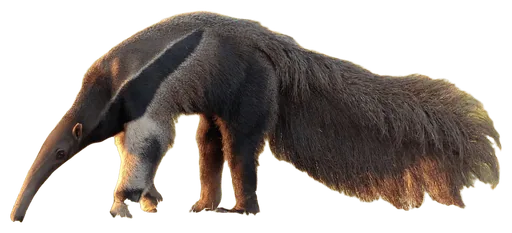 L vs WombatLoses · 60% · Slight edge
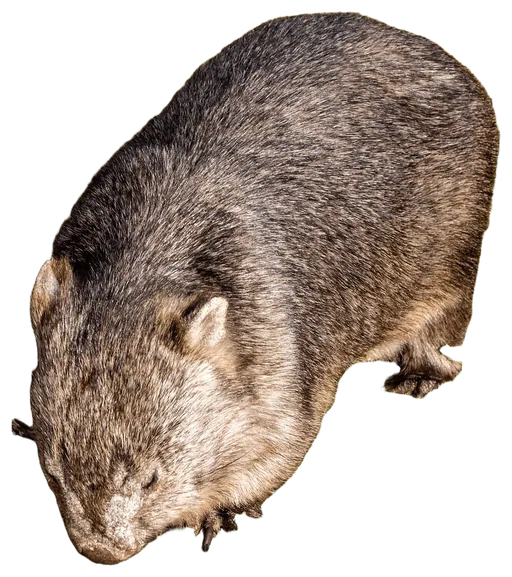 L vs BadgerLoses · 57% · Toss-up
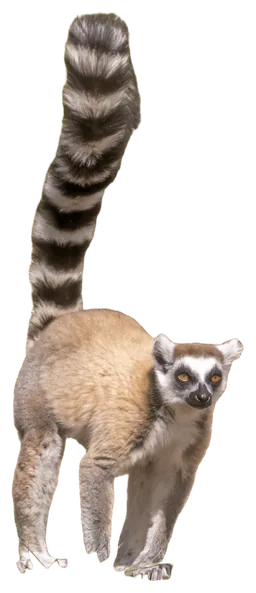
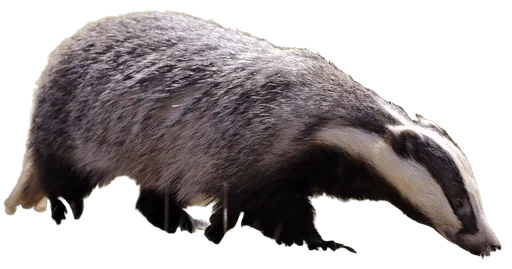 L vs Ring-tailed LemurWins · 55% · Toss-up
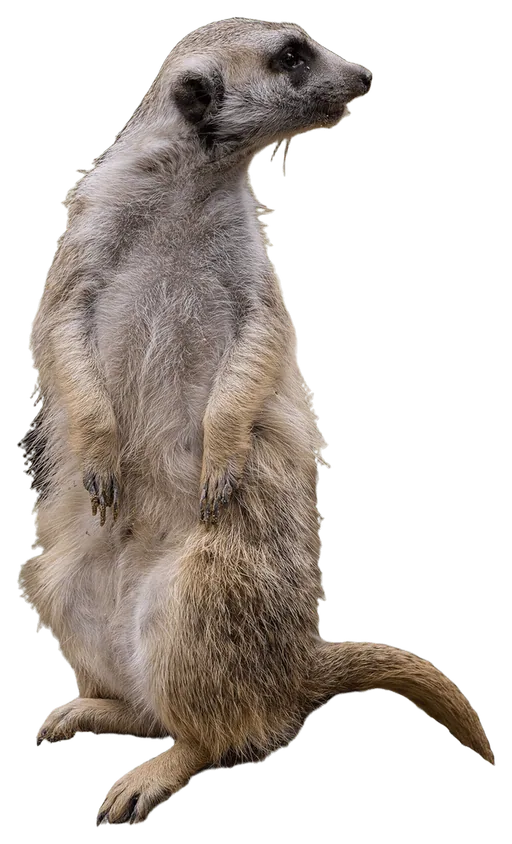
 W vs MeerkatWins · 59% · Slight edge
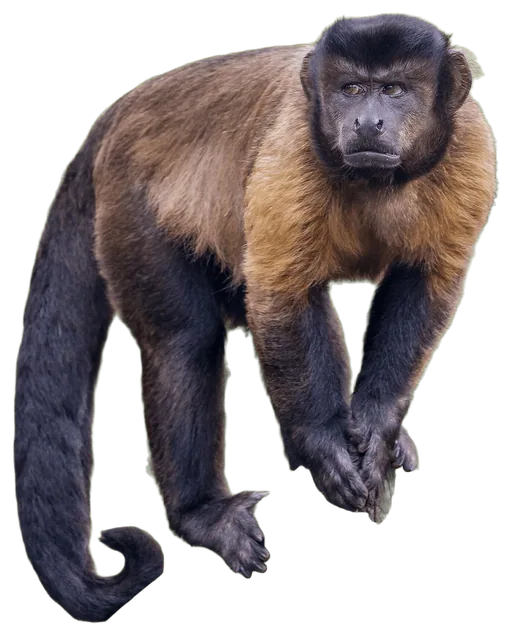
 W vs Capuchin MonkeyLoses · 51% · Toss-up
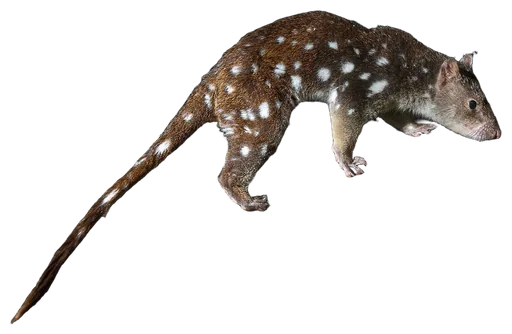
 L vs QuollDraw · 50-50 · Dead even
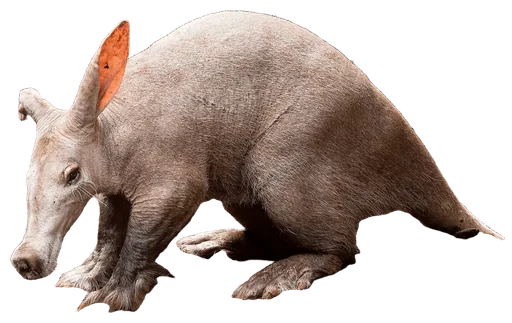
 D vs AardvarkLoses · 64% · Slight edge
 L
Skunk battle analysis
A striped skunk is easy to underestimate if judged only by mass. At roughly house-cat scale, it lacks the jaws of a similarly sized specialist predator, the speed of a canid or the armor of a pangolin. Its success instead comes from making contact itself undesirable. The black-and-white coat advertises danger before the animal spends any chemical ammunition. If a threat persists, the skunk escalates through posture and foot stamping, rotates its hindquarters into line and can project an oily irritant toward the face.
That mechanism changes matchup geometry. A predator normally benefits by closing distance on a smaller animal, but closing inside several meters can put its eyes and nose inside the skunk's best defensive envelope. A clean facial hit does not need to kill to win an encounter. Pain, watering eyes and temporary blindness can break pursuit long enough for escape. This is why Special is elite while Attack and physical Defense remain low. ABS should not turn chemical deterrence into imaginary muscular strength.
The species is also a capable generalist. It digs, scavenges, hunts small prey and traverses kilometers during nocturnal foraging. Its tolerance of fragmented and urban habitats reflects behavioral flexibility. Yet those strengths have limits: it remains vulnerable to vehicles, large predators and especially attack vectors that reduce the value of rear-directed spray, such as some aerial predation.
Habitat & range
Striped skunks occupy much of North America from southern Canada through the United States into northern Mexico. They use grasslands, brush, agricultural edges, drainage corridors, open woodland and urban/suburban mosaics. Research in Tennessee found preference for edge habitat over forest or field interiors.
Diet & hunting
They are opportunistic omnivores. Diet includes insects and larvae, other invertebrates, amphibians, reptiles, fish, birds and eggs, small mammals, berries, grasses, crops, carrion and refuse. Their digging can remove pest grubs, while carrion consumption and predation on insects make them ecologically useful scavengers and mesopredators.
Social life
Adults are primarily solitary outside breeding and seasonal den-sharing contexts. Home ranges overlap substantially in some studies, so spatial overlap does not imply coordinated pack behavior.
Conservation
The species is widespread and versatile. Its major human conflicts involve odor, denning around structures, road mortality and rabies management. USGS work has studied movement specifically because striped skunks are important rabies-vector hosts in North America.
Quick answers
How strong is a Skunk?
On the Animal Battle Stats scale, the Skunk has an attack rating of 23 and a power index of 44.8 out of 100, which ranks it #236 of 344 animals and puts it in C tier (Capable). Its strongest stat is special (93).
How much does a Skunk weigh?
A typical adult Skunk weighs about 4.5 kg (10 lb). Rated specimen: healthy prime adult male, 4.5 kg, 70.0 cm total length.
How fast is a Skunk?
There is no reliable measured top speed for the Skunk, so we do not publish one. Its agility rating, which covers acceleration, reflexes and evasion, is 53 out of 100.
What does a Skunk eat?
They are opportunistic omnivores. Diet includes insects and larvae, other invertebrates, amphibians, reptiles, fish, birds and eggs, small mammals, berries, grasses, crops, carrion and refuse. Their digging can remove pest grubs, while carrion consumption and predation on insects make them ecologically useful scavengers and mesopredators.
What animals can beat a Skunk?
Among its closest rivals, the Anteater (63%), the Wombat (60%), the Badger (57%), the Capuchin Monkey (51%), the Aardvark (64%) would be favored against the Skunk. It would be favored against the Ring-tailed Lemur, the Meerkat. It is dead even with the Quoll: a draw.
Researched 2026-09-27. Ratings are editorial judgments built from these sources; measurements describe a healthy adult male.
- Animal Diversity Web, Mephitis mephitis0.7-6.3 kg mass, 465-815 mm length, tail/hindfoot ranges, male-larger dimorphism, dentition, long digging foreclaws, reproduction
- Smithsonian National Zoo, Striped Skunksize variation, males slightly larger, spray effects including pain/temporary blindness, early juvenile spraying
- NPS Jewel Cave, Striped Skunkadult size, habitat, omnivorous diet, musk defense, predator context
- USGS, Greenwood et al. 1985nocturnality, male 3.3 km vs female 2.6 km nightly travel, home-range context
- Bixler & Gittleman 2000, Journal of Zoologyedge-habitat preference, seasonal/body-mass effects on home range
- Pennsylvania Game Commission~12 ft spray, warning sequence, temporary blindness, diet
- National Geographic~10 ft spray, ~3 y wild lifespan, broad diet and defense summary
- Commons / Dzurisin photographexact species, 4288×2848 source, provenance and CC BY 2.0 license
Photo: “Striped Skunk (Mephitis mephitis) DSC 0030.jpg” by Dan & Lin Dzurisin, CC BY 2.0, background removed and cropped. Original
Suggest a correction