
Shoebill
Balaeniceps rexC tier · Capable39th of 55 birds
Size & speed

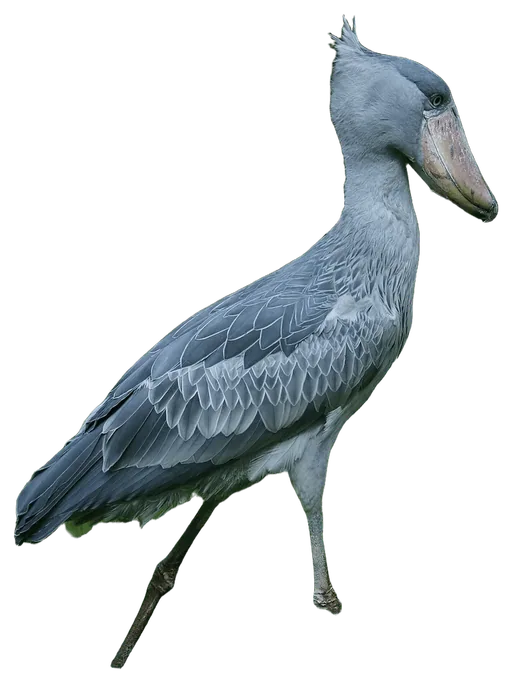
- Weight
- 5.4 kg12 lb
- Height
- 1.3 m4.3 ft
About as heavy as a house cat
Heavier than 39% of animalsAbout 4.3 rulers tall
Bigger than 56% of animalsA towering African marsh predator built around patience rather than pursuit. The Shoebill stands nearly motionless over shallow water, then commits to a sudden collapse strike with a foot-long hooked bill capable of controlling large slippery fish. Its weapon is formidable for a bird, but its light 5 kg body, lack of armor and deliberate movement keep its absolute battle power well below large terrestrial predators.
Detailed ratings
Research-backed ratings on one 0–100 scale for all 344 animals (updated 2026-09-27). How ratings work


Card No. 250 of 344. Every animal on Animal Battle Stats has one: its power, tier and archetype on the front; its six battle stats, abilities and signature move on the back.
Special abilities
A specialized shallow-water capture sequence in which the shoebill launches its head and huge bill at detected prey and follows through with the body, giving a patient stationary hunter a sudden close-range capture burst.
The approximately 30 cm long, 12.7 cm wide sharp-edged bill and hooked tip provide unusual reach and control over large slippery fish without inventing an unsupported PSI value.
Unique traits
Long legs and broad toes let the bird hunt from floating vegetation and flooded grassland where heavy terrestrial predators cannot move as effectively.
Balaeniceps rex is the sole living species of its genus and family, representing a highly distinctive pelecaniform bird specialized for central-east African wetlands.
How it fights
Weapons
- The primary weapon is the enormous hooked, sharp-edged bill. It provides reach, a broad gripping surface and a cutting/piercing tip for controlling fish. The long neck delivers the bill rapidly during the characteristic downward capture sequence. Feet and long toes are mainly locomotor/support structures, not raptor-like talons, so they are not treated as major weapons.
- Weight
- 5.4 kg12 lb
- Height
- 1.3 m4.3 ft
- Length
- No reliable measurement
- Top speed
- No reliable measurement
- Bite force
- No reliable measurement
- Lifespan
- 35 years
- Home biome
- Wetlands
- Lifestyle
- Mostly solitary
Rated specimen: ABS therefore uses a healthy prime adult male at 5.
Fun facts
- The shoebill is the only living species in Balaenicipitidae.
- Its bill is about 30 cm long and 12.7 cm wide, enormous for a roughly 5 kg bird.
- A Bangweulu study found 71% of observed prey were catfish.
- The same study found the birds spent about 85% of observed time in low-energy activities.
- Average prey capture in that field sample was only about one prey every 8.3 hours, illustrating extreme patience.
- Shoebills use bill-clattering in social/nesting contexts and gular fluttering for heat dissipation.
Closest rivals by power. Tap one for the full breakdown, or pick any opponent.
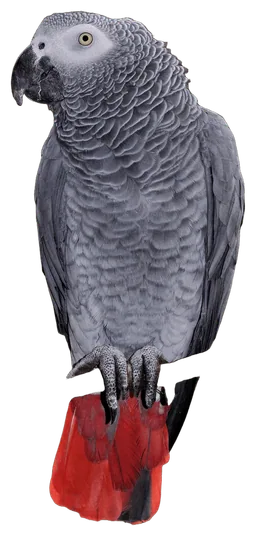
vs StorkWins · 52% · Toss-up 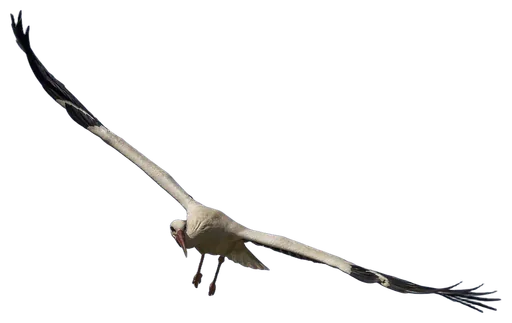 W vs African Grey ParrotWins · 64% · Slight edge
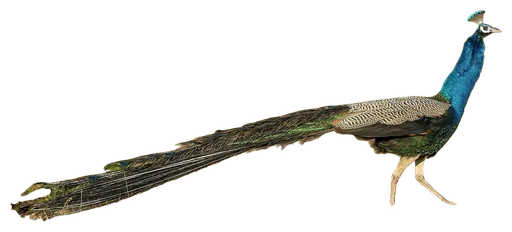
 W vs PeacockWins · 51% · Toss-up
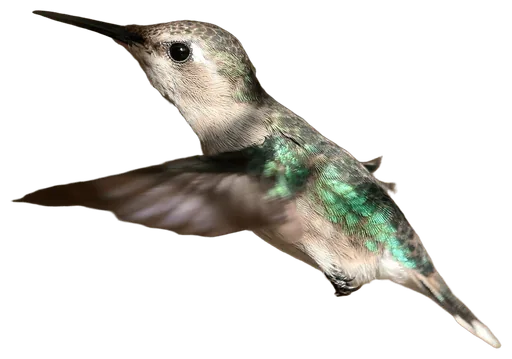
 W vs HummingbirdWins · 85% · Decisive
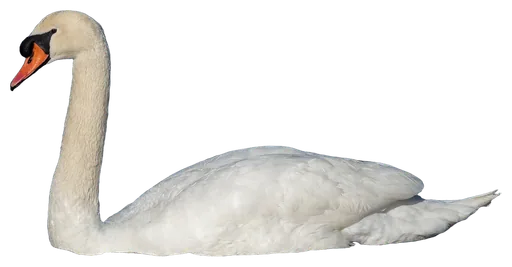
 W vs SwanLoses · 55% · Toss-up
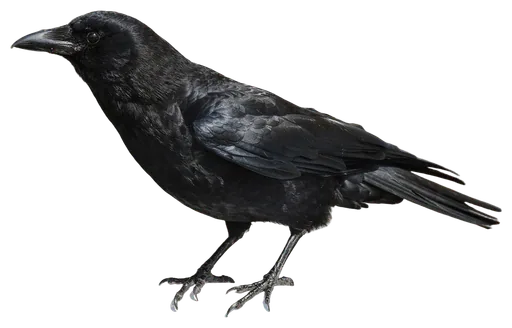
 L vs CrowWins · 65% · Slight edge
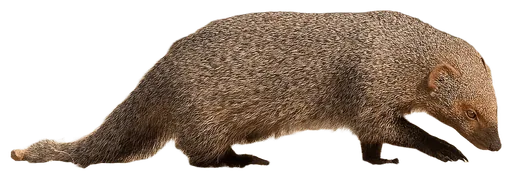
 W vs MongooseWins · 61% · Slight edge
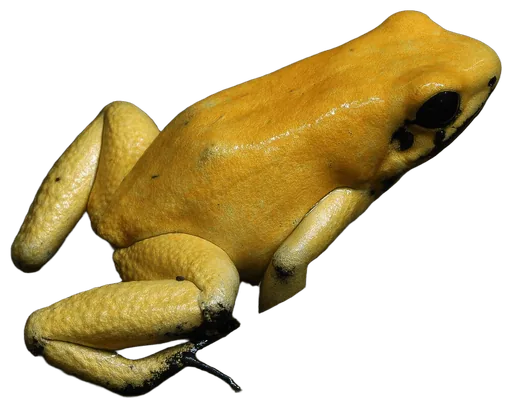
 W vs Poison Dart FrogWins · 83% · Clear edge
 W
Shoebill battle analysis
The Shoebill's appearance exaggerates its apparent mass. At roughly 130 cm tall it can look comparable in scale to a much heavier mammal, yet a representative adult male weighs only about 5.4 kg. Its battle biology therefore depends on reach, precision and habitat specialization rather than brute force. The enormous bill sits at the end of a long neck and can be driven suddenly into shallow water after minutes of near-total stillness. In its native papyrus and flooded-grassland habitat, broad feet support the bird on unstable vegetation while its elevated viewpoint helps locate fish.
That specialization comes with clear limits. Shoebills are not raptors with grasping talons, not cursorial birds built for repeated high-speed kicks, and not armored reptiles. Field research shows an energy-conserving life dominated by standing and waiting. Their impressive bill should therefore raise Weaponry and Special more than Raw Power or Defense. Against fish and small vertebrates in shallow water, the integrated ambush system is dangerous. Against a large mammal or an attacking raptor, the same bird is comparatively fragile.
Habitat & range
Shoebills inhabit extensive freshwater swamps, seasonally flooded marshes, papyrus/reed wetlands and flooded grasslands in central-eastern tropical Africa. BirdLife describes a range from South Sudan toward Zambia, with important populations in South Sudan, Uganda, eastern Democratic Republic of the Congo, western Tanzania and northern Zambia, plus records elsewhere in the region.
Diet & hunting
They are carnivorous wetland predators. Catfish are strongly supported as core prey in Bangweulu, with lungfish and other aquatic vertebrates also important across the range. Their patient hunting style links them closely to wetland hydrology, vegetation structure and prey surfacing/accessibility.
Social life
Shoebills are primarily solitary, especially while feeding. Breeding birds form monogamous pairs but may forage separately within a territory. This ecology argues against giving them social-coordination bonuses in combat.
Conservation
BirdLife currently treats the Shoebill as Vulnerable, with a declining population and an estimate of roughly 3,300-5,300 mature individuals. Major threats include wetland habitat loss and degradation, disturbance around nests, hunting, drought/climate effects and illegal live-bird trade.
Quick answers
How strong is a Shoebill?
On the Animal Battle Stats scale, the Shoebill has an attack rating of 34 and a power index of 43.1 out of 100, which ranks it #250 of 344 animals and puts it in C tier (Capable). Its strongest stat is special (67).
How much does a Shoebill weigh?
A typical adult Shoebill weighs about 5.4 kg (12 lb). Rated specimen: ABS therefore uses a healthy prime adult male at 5.
How fast is a Shoebill?
There is no reliable measured top speed for the Shoebill, so we do not publish one. Its agility rating, which covers acceleration, reflexes and evasion, is 62 out of 100.
What does a Shoebill eat?
They are carnivorous wetland predators. Catfish are strongly supported as core prey in Bangweulu, with lungfish and other aquatic vertebrates also important across the range. Their patient hunting style links them closely to wetland hydrology, vegetation structure and prey surfacing/accessibility.
Is the Shoebill endangered?
The Shoebill's conservation status is Vulnerable. BirdLife currently treats the Shoebill as Vulnerable, with a declining population and an estimate of roughly 3,300-5,300 mature individuals. Major threats include wetland habitat loss and degradation, disturbance around nests, hunting, drought/climate effects and illegal live-bird trade.
What animals can beat a Shoebill?
Among its closest rivals, the Swan (55%) would be favored against the Shoebill. It would be favored against the Stork, the African Grey Parrot, the Peacock, the Hummingbird, the Crow, the Mongoose, the Poison Dart Frog.
Researched 2026-09-27. Ratings are editorial judgments built from these sources; measurements describe a healthy adult male.
- BirdLife International, ShoebillTaxon context, wetland range, Vulnerable status, 3,300-5,300 mature individuals, declining trend, up to 152 cm, lifespan up to 35 years
- National Geographic, ShoebillMale/female mass, 3.5-5 ft height, 35 y wild lifespan, ~1 ft × 5 in bill, breeding and behavior
- EDGE of Existence, Shoebill100-140 cm, 4-7 kg, monotypic family/genus, habitat/range
- Mullers & Amar, Shoebill foraging behaviour, Ostrich170.1 h observation, 85% low-energy behavior, 1 prey/8.3 h, 71% catfish, habitat-specific capture rates
- Guillet, Aspects of the foraging behaviour of the ShoebillShallow-water hunting, floating vegetation platforms, specialized collapsing capture technique
- John & Lee, Tanzania Journal of ScienceFish-eagle kleptoparasitism, 138 successful attempts, long shoebill prey handling, non-retaliation
- Mayr 2003, Journal für OrnithologieClassification and anatomical evidence placing shoebill away from traditional stork grouping
- Wikimedia Commons / Michael GäblerExact-species reusable real-photo candidate, 1438×2126, CC BY 3.0
Photo: “Balaeniceps rex.jpg” by Hans Hillewaert, CC BY-SA 3.0, background removed and cropped. Original
Suggest a correction