
Serval
Leptailurus servalC tier · Capable100th of 163 mammals
Size & speed

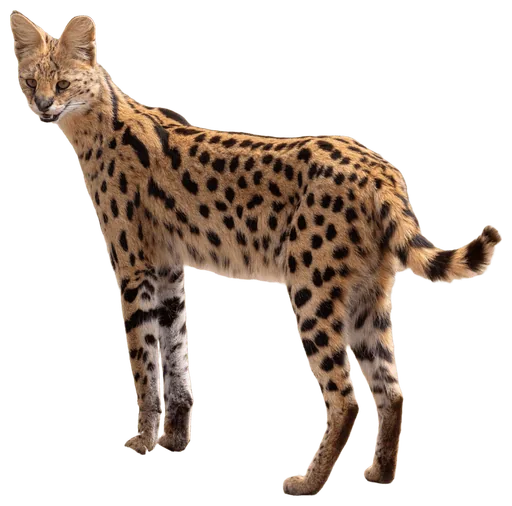
- Weight
- 14 kg31 lb
- Length
- 90 cm35.4 in
As heavy as 3.1 house cats
Heavier than 50% of animalsAbout 3 rulers long
Bigger than 41% of animalsThe serval is a 14 kg African grassland cat built around acoustic precision and explosive vertical pouncing. Its oversized ears locate rodents hidden in vegetation, while extraordinarily long legs launch controlled strikes up to roughly three meters vertically. It is elite in agility and sensory targeting but remains lightly protected and far below larger predators in absolute power.
Detailed ratings
Research-backed ratings on one 0–100 scale for all 344 animals (updated 2026-09-27). How ratings work


Card No. 174 of 344. Every animal on Animal Battle Stats has one: its power, tier and archetype on the front; its six battle stats, abilities and signature move on the back.
Special abilities
Oversized mobile ears localize small prey hidden in grass or reeds, allowing attacks before visual contact; wind/noise can reduce the advantage.
Long hind limbs can launch an adult roughly 3 m vertically from standstill, enabling downward pounces and mid-air paw strikes against birds or evasive prey.
Unique traits
Relative to body size, the serval's exceptionally long limbs elevate its sensory platform and create unusually steep pounce geometry.
Field accounts report about 50% overall hunting success and up to 81% on rodents in Ngorongoro, reflecting a highly specialized small-prey capture system.
How it fights
Weapons
- The serval is a precision ambush cat. Its primary attack sequence is acoustic localization, short approach, explosive vertical/forward pounce, forepaw impact and claw control, followed by a bite. Long forelimbs can also reach into holes and crevices. Against flying birds or insects, the cat can leap vertically and strike or clap with both forepaws.
Struggles vs
- Strong wind degrades its hearing-led prey localization.
- Confined spaces reduce pounce geometry.
- Deep water removes much of its terrestrial launch advantage.
- Large open-arena opponents expose its low mass and lack of armor.
- Weight
- 14 kg31 lb
- Height
- 60 cm23.6 in
- Length
- 90 cm35.4 in
- Top speed
- No reliable measurement
- Bite force
- No reliable measurement
- Lifespan
- 10 years
- Home biome
- Savanna
- Lifestyle
- Social
Rated specimen: Healthy prime adult male, 14.0 kg, approximately 90.0 cm head-body length, 60.0 cm shoulder height, with a roughly 25-40 cm tail.
Fun facts
- Servals have the longest legs relative to body size of any cat.
- Adults can jump roughly 3 m vertically from standstill.
- A single pounce may span 1-4 m.
- Ngorongoro hunting success averaged about 50%, rising to about 81% for rodents.
- They can catch birds or insects in the air by striking or clapping their forepaws together.
- Large ears are not cosmetic: prey in dense vegetation is located primarily by hearing.
Closest rivals by power. Tap one for the full breakdown, or pick any opponent.
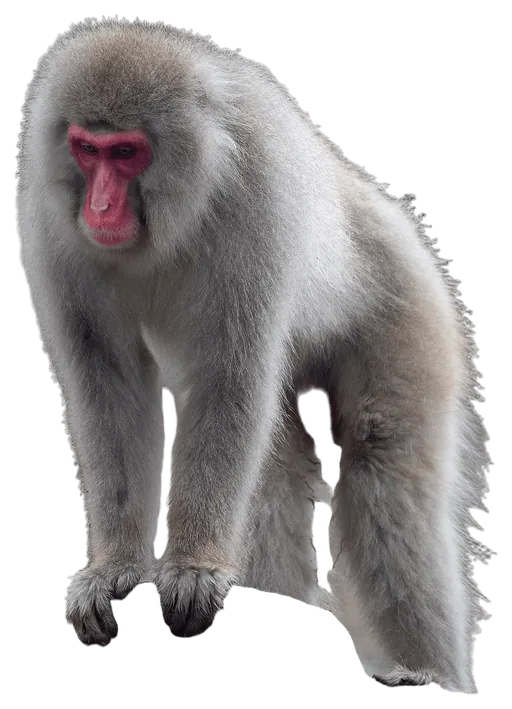
vs CaracalLoses · 51% · Toss-up 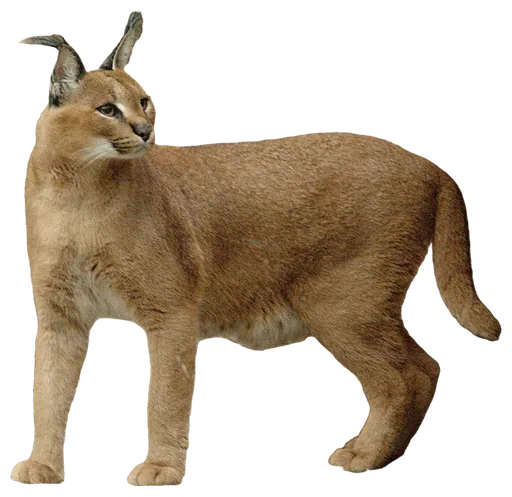 L vs Japanese MacaqueWins · 51% · Toss-up
 W vs Giant PandaLoses · 62% · Slight edge
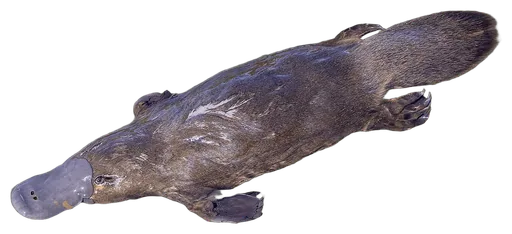
 L vs PlatypusWins · 62% · Slight edge
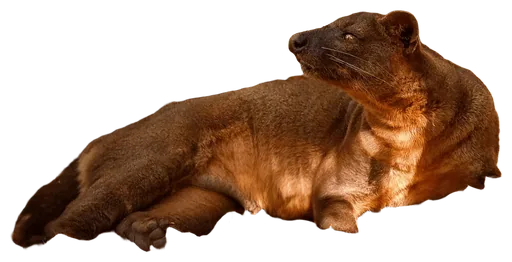
 W vs FossaWins · 53% · Toss-up
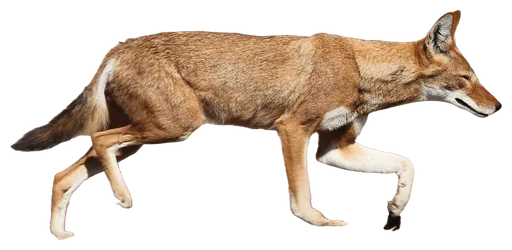
 W vs Ethiopian WolfLoses · 51% · Toss-up
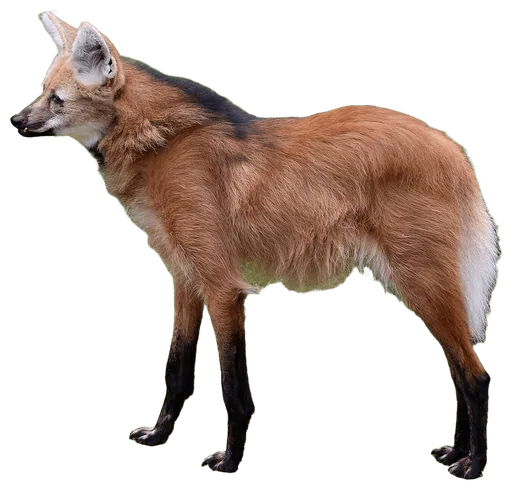
 L vs Maned WolfLoses · 52% · Toss-up
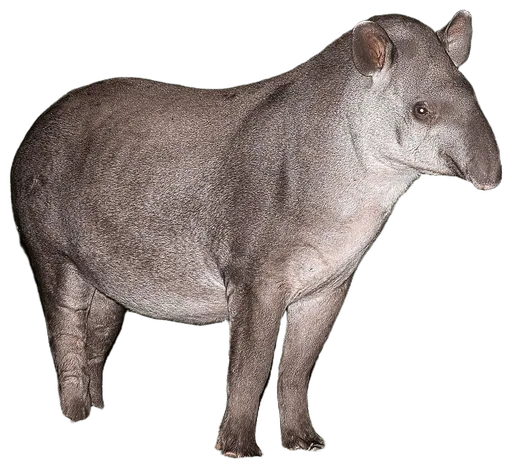
 L vs TapirLoses · 65% · Slight edge
 L
Serval battle analysis
The serval is not a miniature cheetah and should not be scored as one. Its defining advantage is not verified top speed but the integration of hearing, leg length and pounce control. In tall grass it can pause, triangulate faint prey sounds, launch above the vegetation and drive its forepaws down onto a target that may never have been clearly visible. Field synthesis from the IUCN Cat Specialist Group reports unusually high hunting success, especially on rodents.
That specialization produces a sharp ABS profile. Agility and Senses are elite because the serval can change attack plane dramatically and localize concealed prey. Attack is much lower because a 14 kg cat cannot translate proportional athleticism into the absolute tissue damage of a leopard, wolf, big cat or large ungulate. The anatomical bite-force model is useful context but remains force, not PSI, and does not justify a fabricated pressure number.
The same asymmetry appears defensively. Long legs and acute hearing can prevent contact, but once a heavier carnivore secures a grapple the serval has no shell, thick hide or large mass reserve. Its best matchups are small, evasive or concealed prey. Its worst are robust opponents that survive the opening pounce and force sustained close combat.
Habitat & range
Servals favor well-watered savannas, long grass, reed beds, marsh edges and riparian habitats. They can also occur in montane grasslands and other habitats where cover, water and prey remain available. They generally avoid true rainforest interiors and extremely arid habitat without water.
Widespread but patchy across much of sub-Saharan Africa, with a small, threatened North African remnant. IUCN CatSG documents substantial regional variation in density and home-range size.
Diet & hunting
Primarily small mammals, especially rodents, with birds, frogs, reptiles, insects and other small prey. Servals may also fish or probe burrows. Their niche is precision capture of numerous relatively small animals rather than occasional giant kills.
Social life
Mostly solitary except during mating and when females raise kittens. Male ranges can overlap female ranges. Aggressive interactions are uncommon relative to many imagined “battle cat” portrayals.
Conservation
The species is globally Least Concern, but local populations face wetland/grassland conversion, persecution for poultry predation, road mortality and trade in skins. North African populations are much more precarious than the species as a whole.
Quick answers
How strong is a Serval?
On the Animal Battle Stats scale, the Serval has an attack rating of 41 and a power index of 50.6 out of 100, which ranks it #174 of 344 animals and puts it in C tier (Capable). Its strongest stat is agility (92).
How much does a Serval weigh?
A typical adult Serval weighs about 14 kg (31 lb). Rated specimen: healthy prime adult male, 14.0 kg, approximately 90.0 cm head-body length, 60.0 cm shoulder height, with a roughly 25-40 cm tail.
How fast is a Serval?
There is no reliable measured top speed for the Serval, so we do not publish one. Its agility rating, which covers acceleration, reflexes and evasion, is 92 out of 100.
What does a Serval eat?
Primarily small mammals, especially rodents, with birds, frogs, reptiles, insects and other small prey. Servals may also fish or probe burrows. Their niche is precision capture of numerous relatively small animals rather than occasional giant kills.
Is the Serval endangered?
No. The Serval is listed as Least Concern. The species is globally Least Concern, but local populations face wetland/grassland conversion, persecution for poultry predation, road mortality and trade in skins. North African populations are much more precarious than the species as a whole.
What animals can beat a Serval?
Among its closest rivals, the Caracal (51%), the Giant Panda (62%), the Ethiopian Wolf (51%), the Maned Wolf (52%), the Tapir (65%) would be favored against the Serval. It would be favored against the Japanese Macaque, the Platypus, the Fossa.
Researched 2026-09-27. Ratings are editorial judgments built from these sources; measurements describe a healthy adult male.
- IUCN Cat Specialist Group, Servaltaxonomy, habitat, home range, hunting, jumping, reproduction
- Animal Diversity Webmass, lifespan, behavior, ecology
- San Diego Zoo Wildlife Alliancedimensions, dimorphism, lifespan, life history
- Marwell Zoodimensions, locomotion, behavior
- African Wildlife Foundationmass, habitat, diet, predators
- Hartstone-Rose et al. 2012, Anatomical Recordmodeled bite force
- Wikimedia Commons, South Luangwa servalimage provenance
- Wikimedia Commons, Serengeti servalrejected image candidate
Photo: “Servalcropped.png” by Diego Delso, CC BY-SA 4.0, background removed and cropped. Original
Suggest a correction