
Secretary Bird
Sagittarius serpentariusB tier · Strong2nd of 55 birds
Size & speed

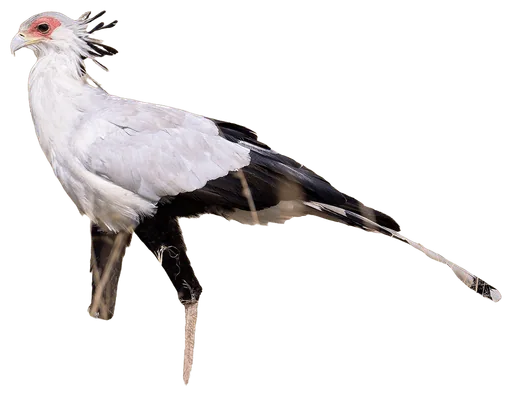
- Weight
- 4 kg9 lb
- Length
- 1.3 m4.3 ft
About as heavy as a house cat
Heavier than 34% of animalsAbout 4.3 rulers long
Bigger than 56% of animalsThe Secretary Bird is a long-legged African ground raptor built around precision impact rather than grappling. Its experimentally measured foot strikes hit at about 195 N in roughly 15 milliseconds, while long legs, scaled shanks and wing distraction help it manage dangerous snakes. At only about 4 kg it is not a heavyweight fighter, but its unusual stomp system, footwork and all-day walking endurance make it a formidable specialist against small ground prey.
Detailed ratings
Research-backed ratings on one 0–100 scale for all 344 animals (updated 2026-09-27). How ratings work


Card No. 113 of 344. Every animal on Animal Battle Stats has one: its power, tier and archetype on the front; its six battle stats, abilities and signature move on the back.
Special abilities
A visually targeted foot strike measured around 195 N with approximately 15 ms contact, allowing the bird to stun or kill small prey before prolonged contact develops.
Wing spreading can present expendable feathers as distracting targets while the long legs keep the torso farther from a snake's strike zone.
Unique traits
Exceptionally long legs and a ground-hunting lifestyle combine raptorial predation with sustained cursorial foraging rather than classic aerial capture.
The feet are specialized for walking and impact more than carrying prey, creating a distinctive strike-first combat style among large birds of prey.
How it fights
Weapons
- The Secretary Bird is a terrestrial striking specialist. It walks prey down, positions above or beside the target, and delivers rapid downward foot strikes, especially to the head or body of reptiles and other small vertebrates. The Portugal et al. force-plate study is the critical evidence: approximately 195 N peak force delivered over roughly 15 ms demonstrates that the famous stomp is a measurable mechanical weapon rather than folklore.
- The hooked bill is secondary. Unlike eagles, the feet are not optimized for carrying prey away. This matters for ABS because the bird's offensive system is best at repeated precision impacts against relatively small ground targets, not grappling a much heavier opponent.
Struggles vs
- Dense vegetation restricts long-legged movement and visual targeting.
- Confined spaces reduce both flight escape and standoff range.
- Mud, deep water or unstable footing undermine its principal weapon-delivery system.
- Against large opponents, the bird's low body mass and unarmored torso become decisive liabilities.
- Weight
- 4 kg9 lb
- Height
- 1.3 m4.3 ft
- Length
- 1.3 m4.3 ft
- Top speed
- No reliable measurement
- Bite force
- No reliable measurement
- Lifespan
- 15 years
- Home biome
- Savanna
- Lifestyle
- Mostly solitary
Rated specimen: Healthy prime adult male, 4.0 kg, approximately 130.0 cm total length, about 130 cm standing height, and roughly 210 cm wingspan.
Fun facts
- It is the only living species in the family Sagittariidae.
- A directly measured hunting strike reached about 195 N, around five times the studied bird's body weight.
- Strike contact lasted only about 15 milliseconds in the instrumented study.
- Secretary Birds can cover more than 32 km in a day while hunting.
- Their wingspan is roughly 2.1 m, enormous relative to a body mass of only a few kilograms.
- Their feet are less suited to grasping/carrying than those of many familiar raptors.
Closest rivals by power. Tap one for the full breakdown, or pick any opponent.
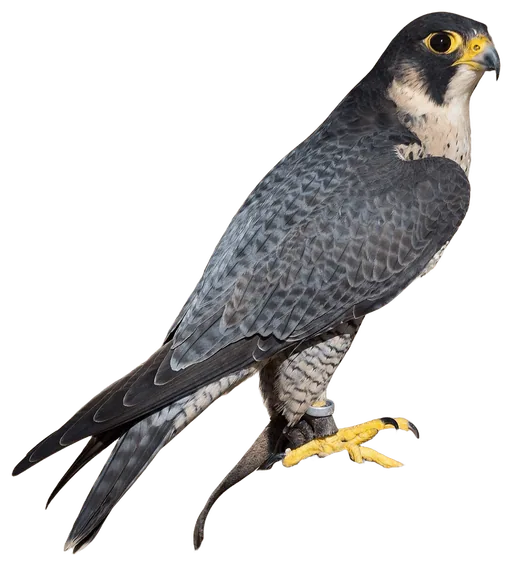
vs CassowaryLoses · 66% · Slight edge 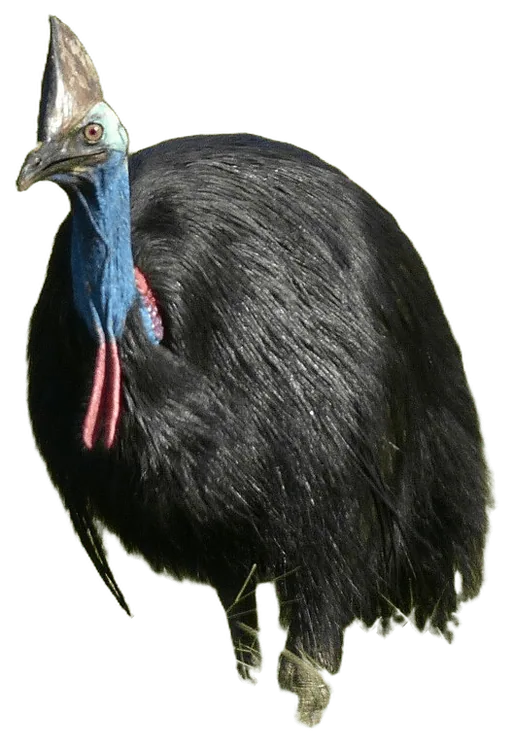 L vs Peregrine FalconWins · 59% · Slight edge
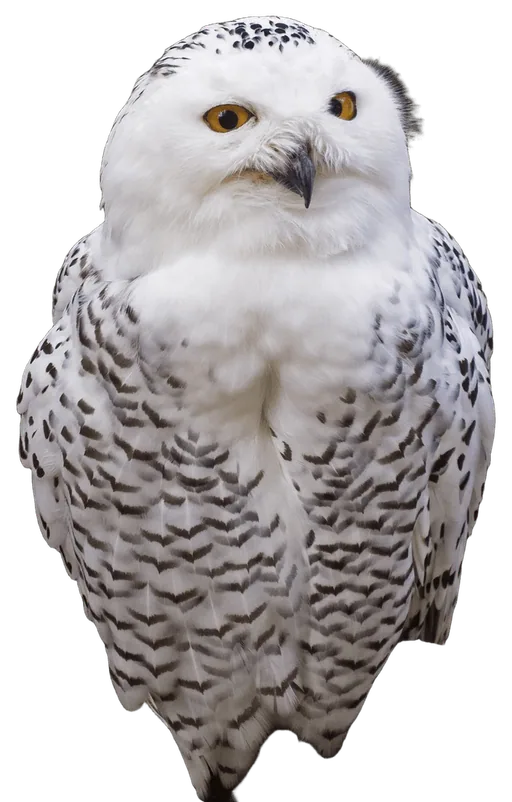
 W vs Snowy OwlWins · 55% · Toss-up
 W vs GyrfalconWins · 57% · Toss-up
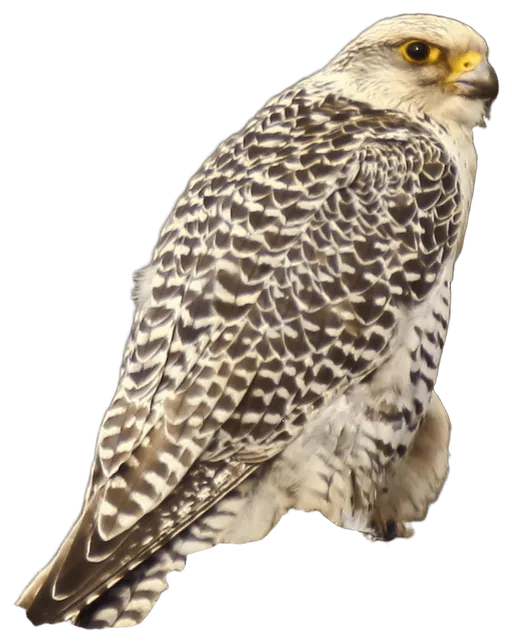 W vs Martial EagleWins · 52% · Toss-up
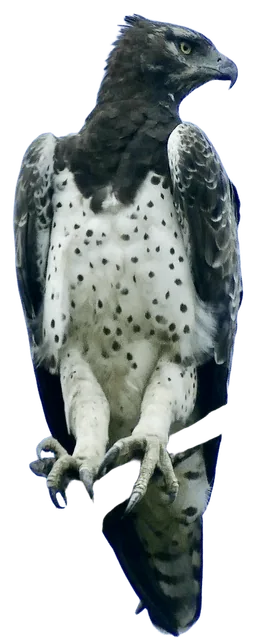 W vs Black MambaWins · 56% · Toss-up
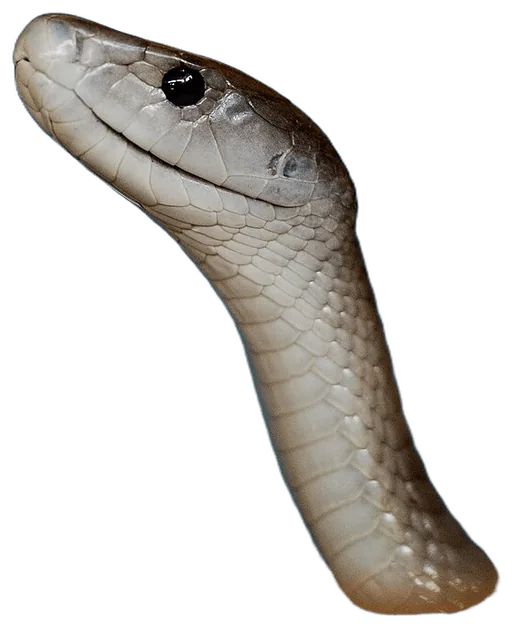 W vs Golden EagleWins · 52% · Toss-up
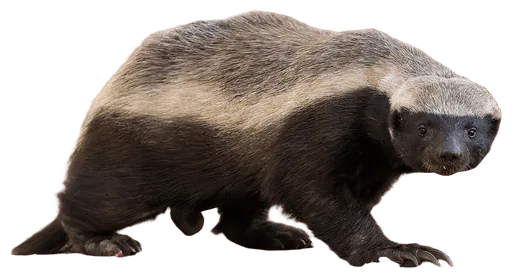
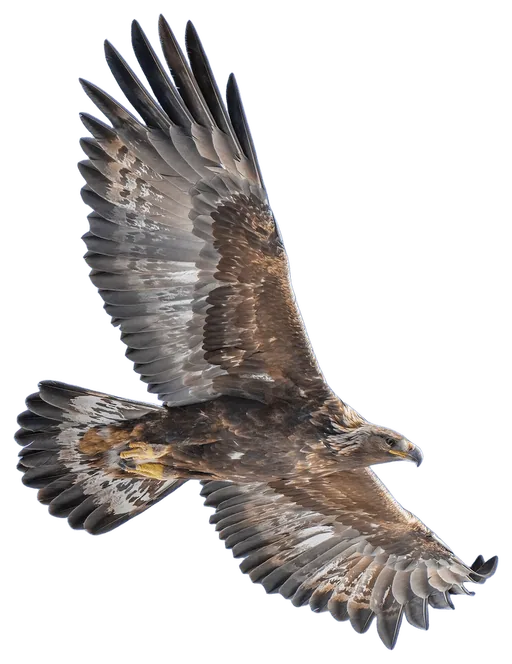 W vs Honey BadgerLoses · 57% · Toss-up
 L
Secretary Bird battle analysis
The Secretary Bird is a good example of why ABS must separate absolute power from specialization. A four-kilogram bird cannot be assigned mammal-predator levels of Raw Power merely because its hunting style looks violent. Against a wolf, big cat or megafaunal opponent, its low mass and exposed avian structure are overwhelming disadvantages. Against the prey it is built to fight, however, the mechanics are unusually effective.
Its defining weapon is not an internet anecdote. Portugal and colleagues measured a trained male striking a rubber snake over a force plate and recorded roughly 195 N peak force with contact around 15 ms. That very short impact interval makes the strike a rapid ballistic event requiring accurate pre-strike visual targeting. Long legs provide reach, letting the bird attack small dangerous prey while keeping its torso farther away. If a snake retaliates, spread wings can redirect attention toward feathers, and the scaled lower legs provide another modest layer of protection.
The rest of the animal supports that weapon system. Secretary Birds spend much of the day walking open country and may exceed 32 km of travel in a day's hunt. They can fly well enough to roost and nest in trees and to perform aerial displays, so they are not trapped on the ground, but terrestrial hunting remains their defining mode. Their feet differ from the classic grasping talons of an eagle: they are built around walking and striking, not hauling prey through the air.
The resulting ABS profile is deliberately polarized. Attack is only moderate on the full roster because body mass is small. Defense is low because feathers and scales are not heavy armor. Agility, Stamina and Special are much higher because precise footwork, sustained ground travel and the experimentally verified strike mechanism are genuinely exceptional. This preserves the difference between being an extraordinary specialist and being a heavyweight combatant.
Habitat & range
Open grasslands, savannas, shrublands and lightly wooded country with sufficient visibility and scattered trees for nesting/roosting. World Land Trust notes use from sea level to about 3,000 m and preference for relatively open vegetation.
Sub-Saharan Africa, broadly from the western Sahel east toward Somalia and south through eastern and southern Africa. It is absent from heavily forested Congo Basin habitat and many densely wooded areas.
Diet & hunting
Carnivorous and insectivorous. Prey includes large insects, rodents and other small mammals, reptiles including snakes and lizards, amphibians, birds and other small vertebrates. Snakes are iconic prey, not an exclusive diet.
Social life
Adults are commonly solitary or paired; breeding pairs are monogamous and can forage in loose association. Family groups may travel together while young learn to hunt. ABS should not multiply an individual's combat score because pair foraging occurs.
Conservation
Current conservation references including World Land Trust and BirdLife South Africa describe the Secretary Bird as Endangered globally. Major threats include habitat loss and degradation, woody encroachment, overgrazing, altered fire regimes, disturbance, hunting/trade, poisoning, and collisions or entanglement with power infrastructure and fences.
Quick answers
How strong is a Secretary Bird?
On the Animal Battle Stats scale, the Secretary Bird has an attack rating of 36 and a power index of 54.9 out of 100, which ranks it #113 of 344 animals and puts it in B tier (Strong). Its strongest stat is special (88).
How much does a Secretary Bird weigh?
A typical adult Secretary Bird weighs about 4 kg (9 lb). Rated specimen: Healthy prime adult male, 4.0 kg, approximately 130.0 cm total length, about 130 cm standing height, and roughly 210 cm wingspan.
How fast is a Secretary Bird?
There is no reliable measured top speed for the Secretary Bird, so we do not publish one. Its agility rating, which covers acceleration, reflexes and evasion, is 83 out of 100.
What does a Secretary Bird eat?
Carnivorous and insectivorous. Prey includes large insects, rodents and other small mammals, reptiles including snakes and lizards, amphibians, birds and other small vertebrates. Snakes are iconic prey, not an exclusive diet.
Is the Secretary Bird endangered?
The Secretary Bird's conservation status is Endangered. Current conservation references including World Land Trust and BirdLife South Africa describe the Secretary Bird as Endangered globally. Major threats include habitat loss and degradation, woody encroachment, overgrazing, altered fire regimes, disturbance, hunting/trade, poisoning, and collisions or entanglement with power infrastructure and fences.
What animals can beat a Secretary Bird?
Among its closest rivals, the Cassowary (66%), the Honey Badger (57%) would be favored against the Secretary Bird. It would be favored against the Peregrine Falcon, the Snowy Owl, the Gyrfalcon, the Martial Eagle, the Black Mamba, the Golden Eagle.
Researched 2026-09-27. Ratings are editorial judgments built from these sources; measurements describe a healthy adult male.
- Portugal et al. 2016, Current Biology, “The fast and forceful kicking strike of the secretary bird”Species hunting mechanics; ~195 N peak strike; ~15 ms contact; visual/neuromuscular precision
- Oxford Biology publication record / Europe PMC metadataDOI, authorship, journal, predatory behavior context
- San Diego Zoo Wildlife Alliance2.3-4.3 kg, 1.2-1.5 m height, ~2.1 m wingspan, 10-15 y lifespan / up to 19 y zoo, >32 km daily hunting, diet, feet poorly suited to grasping, nesting/social behavior
- National Geographic5-9.4 lb mass, 10-15 y lifespan, habitat, diet, snake-defense behavior
- World Land Trust Secretarybird profile125-150 cm length, >2 m wingspan, ~1.2 m height, habitat/range, Endangered status and threats
- BirdLife South Africa infrastructure guidanceGlobal Endangered classification and infrastructure/habitat threats
- Wikimedia Commons, Bernard Dupont photographExact-species real-photo candidate; 4320×2592; CC BY-SA 2.0; Kruger NP provenance
Photo: “Secretary bird Mara for WC.jpg” by Sumeet Moghe, CC BY-SA 4.0, background removed and cropped. Original
Suggest a correction