
Seal
Phoca vitulinaA tier · Elite18th of 51 sea creatures
Size & speed

- Weight
- 105 kg231 lb
- Length
- 1.75 m5.7 ft
As heavy as 1.5 people
Heavier than 73% of animalsAbout as long as a person is tall
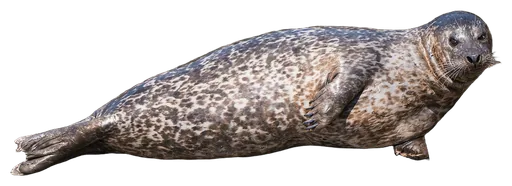
Bigger than 68% of animalsThe harbor seal is a compact true seal built around underwater control, repeated diving and extraordinary whisker-based tracking. A strong adult male weighs about 105 kg and can bite effectively, but its real battle advantages are maneuverability, oxygen management and the ability to read hydrodynamic wakes in dark or murky water. It is formidable in coastal water and dramatically less capable on land.
Detailed ratings
Research-backed ratings on one 0–100 scale for all 344 animals (updated 2026-09-27). How ratings work


Card No. 53 of 344. Every animal on Animal Battle Stats has one: its power, tier and archetype on the front; its six battle stats, abilities and signature move on the back.
Special abilities
Specialized vibrissae detect minute water movements and can identify the direction of an artificial fin trail tens of seconds after it was produced, helping track moving prey or opponents in poor visibility.
Pinniped oxygen management supports repeated multi-minute dives and occasional very long/deep excursions, extending underwater operating time far beyond terrestrial mammals of similar size.
Unique traits
Harbor seals can alternate between biting, suction feeding and hydraulic jetting, demonstrating unusually flexible close-range prey handling.
Breeding males combine underwater calls, display dives, spatial territories and multi-year site fidelity around female travel routes.
How it fights
Weapons
- The primary weapon is a close-range carnivoran bite. Harbor seals can seize slippery fish, open the mouth rapidly and switch between biting and suction. Their foreflippers carry claws and can scratch, but they are not grappling limbs comparable to terrestrial carnivoran forelegs. Against a similar-sized opponent, practical offense is bite, release, reposition and re-engage in water.
Struggles vs
- Very poor terrestrial locomotion compared with sea lions and terrestrial carnivores.
- Short-range weaponry with no tusks, horns or major claws.
- No hard armor against large predators.
- Reliance on surfacing for air.
- Moderate body size leaves it badly outmatched by large sharks, orcas, crocodilians and megafauna.
- Weight
- 105 kg231 lb
- Height
- No reliable measurement
- Length
- 1.75 m5.7 ft
- Top speed
- No reliable measurement
- Bite force
- No reliable measurement
- Lifespan
- 27 years
- Home biome
- Arctic
- Lifestyle
- Social
Rated specimen: Healthy prime adult male, 105.0 kg, 175.0 cm total length.
Fun facts
- A blindfolded harbor seal detected the direction of an artificial fin's wake when the trail was 35 seconds old.
- A Svalbard telemetry project recorded 189,104 dives from 30 tagged harbor seals.
- Individual maximum dive durations in that study reached 2,220 seconds, about 37 minutes.
- Harbor seals can switch among biting, suction and even hydraulic jetting during feeding.
- Male breeding displays occur underwater and can involve repeatedly defended aquatic display areas.
- Their land movement is awkward because true seals cannot rotate their hind flippers underneath the body like sea lions.
Closest rivals by power. Tap one for the full breakdown, or pick any opponent.
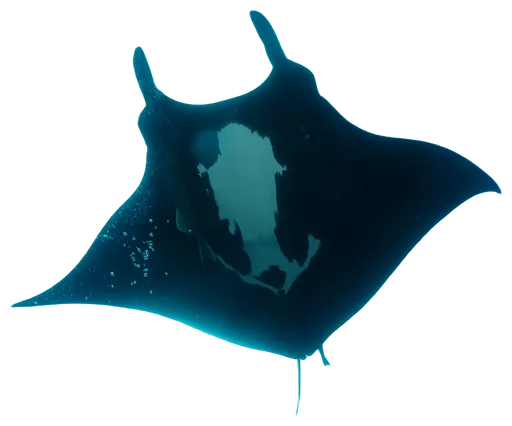
vs SwordfishLoses · 54% · Toss-up 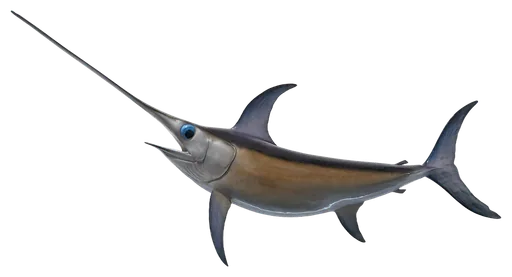 L vs Manta RayLoses · 64% · Slight edge
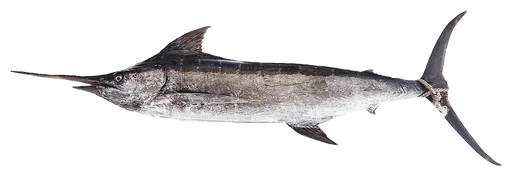
 L vs MarlinLoses · 56% · Toss-up
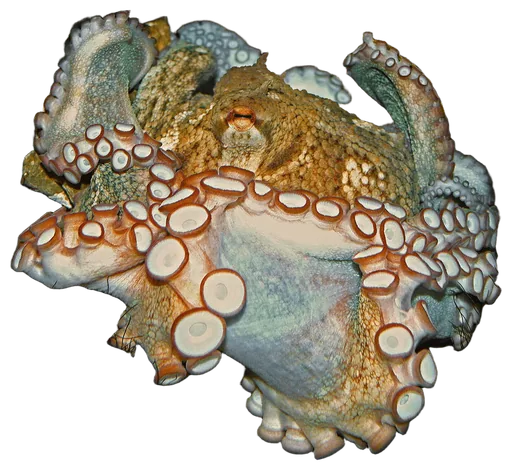
 L vs OctopusWins · 59% · Slight edge
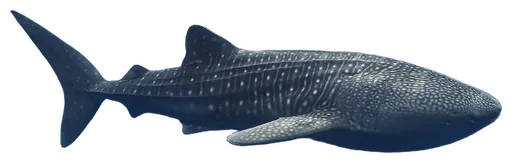
 W vs Whale SharkLoses · 75% · Clear edge
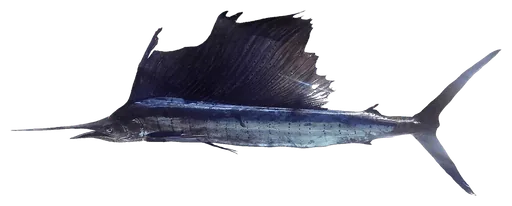
 L vs SailfishWins · 54% · Toss-up
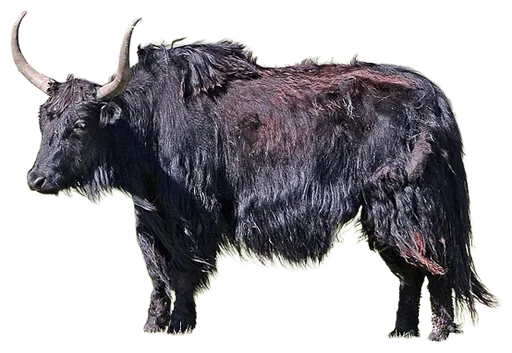
 W vs YakLoses · 58% · Slight edge
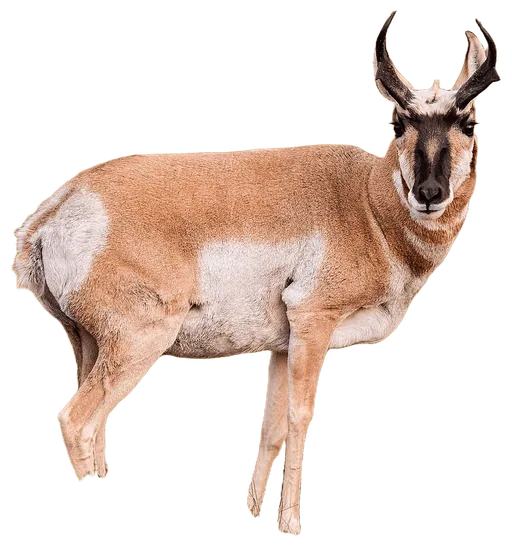
 L vs PronghornWins · 54% · Toss-up
 W
Seal battle analysis
The harbor seal's strength is not one oversized weapon. It is an integrated aquatic system. A streamlined trunk and hind-flipper propulsion make the animal efficient underwater, while blubber buffers cold and specialized physiology supports repeated dives. Most unusually, the whiskers function as a remote-motion detector: experiments show a seal can extract direction from the decaying wake of a moving object long after the object itself has passed.
That sensory advantage changes how a matchup should be modeled. In dark, turbid or visually cluttered water, an opponent cannot assume that leaving the seal's sight means escaping detection. Yet the harbor seal remains a moderate-sized predator whose jaws are built mainly for fish and other aquatic prey. It has no tusk, shell or extreme bite-force evidence. Its ratings therefore emphasize aquatic information, maneuvering and endurance rather than inflated Attack.
The environment is decisive. In water the seal can turn, roll, dive and reposition in three dimensions. On shore, the same true-seal anatomy becomes a liability because the hind limbs cannot support a normal quadrupedal gait. That sharp water-versus-land contrast is one of the clearest matchup dependencies in the roster.
Habitat & range
Harbor seals occupy temperate, subarctic and some Arctic coastal waters across the North Pacific and North Atlantic. Haul-outs include beaches, reefs, rocks, sandbars, mudflats and floating/glacial ice. They usually remain coastal rather than functioning as truly oceanic long-distance pinnipeds.
Diet & hunting
They are opportunistic carnivores feeding mostly on fish, with squid, octopus and crustaceans also important. ADW lists cod, hake, mackerel and herring among common prey examples and reports dives to 427 m. Diet varies substantially by region and season.
Social life
Harbor seals are often solitary while foraging but aggregate at haul-outs. Mating is aquatic. Males may establish display stations or territories and use underwater vocalizations. They are less structurally social than California sea lions, so haul-out aggregation alone should not inflate Intelligence.
Conservation
NOAA lists harbor seals as protected under the U.S. Marine Mammal Protection Act. The species is broadly assessed as Least Concern globally, but regional populations face entanglement, disturbance, contaminants, disease, oil spills, habitat change and vessel noise.
Quick answers
How strong is a Seal?
On the Animal Battle Stats scale, the Seal has an attack rating of 44 and a power index of 62.5 out of 100, which ranks it #53 of 344 animals and puts it in A tier (Elite). Its strongest stat is special (84).
How much does a Seal weigh?
A typical adult Seal weighs about 105 kg (231 lb). Rated specimen: healthy prime adult male, 105.0 kg, 175.0 cm total length.
How fast is a Seal?
There is no reliable measured top speed for the Seal, so we do not publish one. Its agility rating, which covers acceleration, reflexes and evasion, is 82 out of 100.
What does a Seal eat?
They are opportunistic carnivores feeding mostly on fish, with squid, octopus and crustaceans also important. ADW lists cod, hake, mackerel and herring among common prey examples and reports dives to 427 m. Diet varies substantially by region and season.
Is the Seal endangered?
No. The Seal is listed as Least Concern. NOAA lists harbor seals as protected under the U.S. Marine Mammal Protection Act. The species is broadly assessed as Least Concern globally, but regional populations face entanglement, disturbance, contaminants, disease, oil spills, habitat change and vessel noise.
What animals can beat a Seal?
Among its closest rivals, the Swordfish (54%), the Manta Ray (64%), the Marlin (56%), the Whale Shark (75%), the Yak (58%) would be favored against the Seal. It would be favored against the Octopus, the Sailfish, the Pronghorn.
Researched 2026-09-27. Ratings are editorial judgments built from these sources; measurements describe a healthy adult male.
- NOAA Fisheries, Harbor SealTaxon, adult size, lifespan, threats
- Animal Diversity WebSize, male-larger dimorphism, diet, dives, senses
- NatureServe ExplorerEcology, maturity, movements, longevity
- Blanchet et al. 2015, PLOS ONEDiving/endurance
- Williams & Kooyman 1985Hydrodynamics
- Wieskotten et al. 2010, JEBVibrissal sensing
- Dehnhardt et al. 1998, NatureVibrissal sensing
- Kienle et al., feeding biomechanicsFeeding mechanics
- Niesterok et al. 2022, Animal CognitionCognition
- Erdsack et al. 2022, Animal CognitionCognition/conflict
- Mauck & Dehnhardt 2005Cognition
- Hayes et al. 2004, Marine Mammal ScienceMale mating tactics
- Commons / USFWS imageImage provenance
- ADW Roger Myers adult imageAdult image alternative
Photo: “Harbor seal hauled out on the rocks, Children's Pool Beach, San Diego, California.jpg” by Christian David, CC BY-SA 4.0, background removed and cropped. Original
Suggest a correction