
Sea Otter
Enhydra lutrisB tier · Strong24th of 51 sea creatures
Size & speed

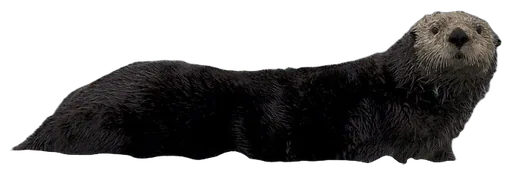
- Weight
- 36 kg79 lb
- Length
- 1.3 m4.3 ft
- Top speed
- 9 km/h6 mph
As heavy as 8 house cats
Heavier than 60% of animalsAbout 4.3 rulers long
Bigger than 56% of animalsAbout jogging speed
Faster than 8% of animalsThe sea otter is a highly intelligent marine mustelid built for cold coastal water. A strong adult male combines crushing jaws, dexterous paws, exceptional underwater control and one of the animal kingdom's best-known tool-use systems. Its dense air-trapping fur replaces blubber, while a huge metabolic demand forces hours of daily foraging. It is dangerous at close range but wins more through maneuverability, problem solving and specialized marine features than raw attack power.
Detailed ratings
Research-backed ratings on one 0–100 scale for all 344 animals (updated 2026-09-27). How ratings work


Card No. 69 of 344. Every animal on Animal Battle Stats has one: its power, tier and archetype on the front; its six battle stats, abilities and signature move on the back.
Special abilities
Sea otters use rocks and other hard objects to hammer or support hard-shelled prey; longitudinal research shows tool use expands access to harder/larger prey and reduces tooth damage.
Extraordinarily dense two-layer fur traps insulating air because sea otters lack thick blubber, sustaining life in cold North Pacific water while also increasing buoyancy.
Unique traits
Loose skin pockets beneath the forearms let an otter temporarily store prey and favored objects while continuing to dive and forage.
Enlarged webbed hind feet, flexible body and muscular tail create excellent aquatic control but impose a clear terrestrial-mobility tradeoff.
How it fights
Weapons
- The sea otter's primary natural weapon is a strong mustelid bite backed by crushing dentition designed for hard prey. Its forepaws add close-range gripping and manipulation, with retractile claws and tough palm pads. It is not a dedicated macropredator: normal prey are urchins, crabs, mollusks and other benthic animals, with fish more important in some northern populations. Against an opponent, useful damage comes from biting, holding, clawing and repeated repositioning rather than a single specialized killing strike.
Struggles vs
- Poorer terrestrial mobility than river otters.
- No passive armor against large teeth/claws.
- High daily food requirement and costly thermoregulation.
- Fur insulation is catastrophically vulnerable to oil contamination.
- Strong jaws remain short-range weapons against larger predators.
- Weight
- 36 kg79 lb
- Height
- No reliable measurement
- Length
- 1.3 m4.3 ft
- Top speed
- 9 km/h6 mph
- Bite force
- No reliable measurement
- Lifespan
- 18 years
- Home biome
- Ocean
- Lifestyle
- Social
Rated specimen: Healthy prime fully mature adult male, 36.0 kg, 130.0 cm total length.
Fun facts
- Sea otter fur can exceed one million fibers per square inch in dense regions.
- Unlike seals and whales, sea otters rely on fur rather than a thick blubber layer for insulation.
- USGS time-depth data found sampled otters averaged almost nine hours of foraging per day.
- Males have been recorded diving to roughly 100 m, though typical dives are much shallower and shorter.
- Sea otters can store food or rocks in loose skin pockets under their forearms.
- A 2024 Science study showed tool use is not merely anecdotal: it measurably reduces dental damage and expands prey access.
Closest rivals by power. Tap one for the full breakdown, or pick any opponent.
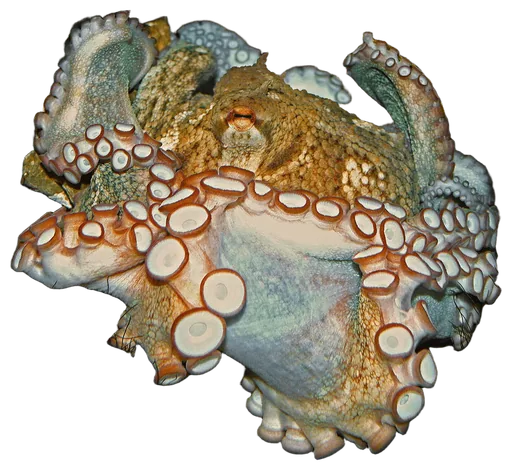
vs SailfishLoses · 56% · Toss-up 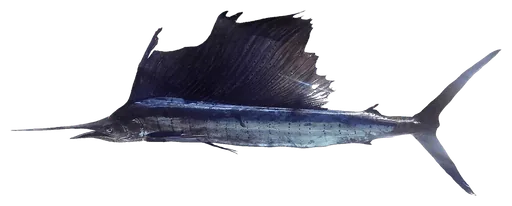 L vs OctopusLoses · 51% · Toss-up
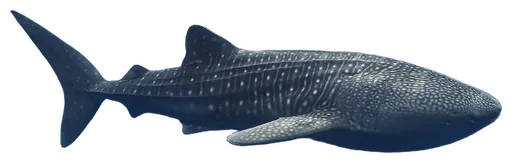
 L vs Whale SharkLoses · 82% · Clear edge
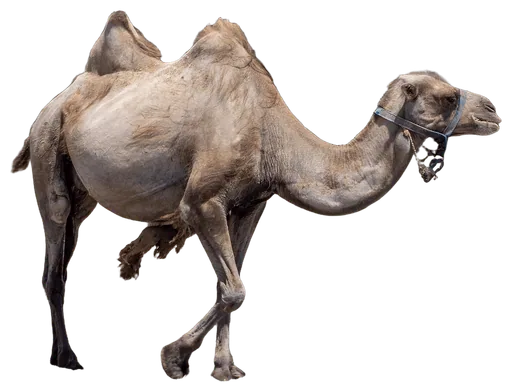
 L vs Bactrian CamelLoses · 66% · Slight edge
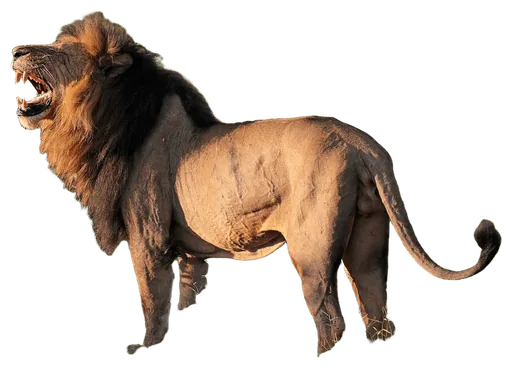
 L vs African LionLoses · 60% · Slight edge
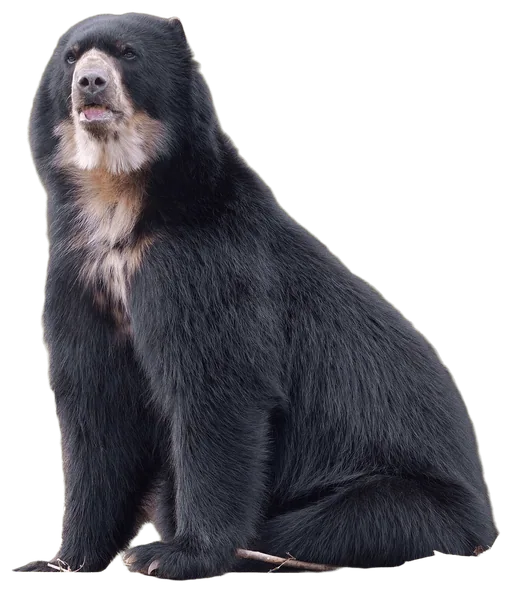
 L vs Spectacled BearLoses · 56% · Toss-up
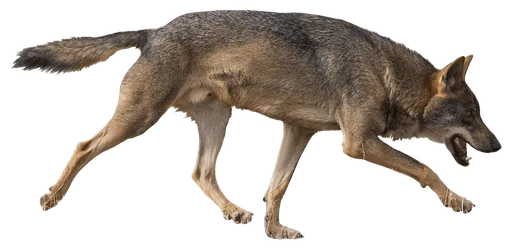
 L vs Gray WolfLoses · 52% · Toss-up
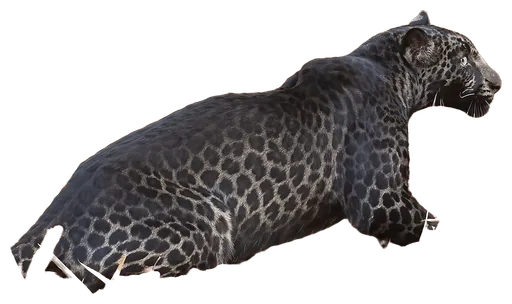
 L vs Black PantherLoses · 53% · Toss-up
 L
Sea Otter battle analysis
Sea otters are a striking example of specialization without gigantism. They surrendered the thick blubber used by most marine mammals and instead maintain a meticulously groomed, extraordinarily dense coat that traps air next to the skin. That solution works only when paired with a high metabolic furnace and near-constant food acquisition, creating an animal that is both cold-water resilient and energetically expensive to operate.
Their combat profile follows the same pattern. A sea otter is not a miniature seal or a scaled-down apex predator. Its jaws can crush hard prey and deliver serious bites, but its greatest advantages are control and flexibility. Underwater it can roll, dive, steer, grip and manipulate with precision. It can locate benthic prey with vision and tactile whiskers, carry objects in skin pockets and use stones or other hard surfaces to solve mechanical problems that its teeth alone cannot solve safely.
That tool behavior deserves unusual weight because it has direct experimental support. Longitudinal work on 196 radio-tagged southern sea otters showed that tool users can exploit mechanically harder resources while reducing tooth damage. In ABS terms, that is a genuine matchup-changing capability rather than a decorative intelligence claim. At the same time, absolute scaling matters: a 36 kg otter remains physically outclassed by large cats, sharks, crocodilians, pinnipeds and megafauna. High Agility, Intelligence and Special should coexist with only moderate-low Attack and Defense.
Habitat & range
Sea otters inhabit shallow coastal waters of the North Pacific from Russia and Japan through the Aleutians and Alaska to western North America. They favor kelp forests, rocky coasts, bays and estuaries where benthic prey are accessible. Southern sea otters now occupy only a fraction of their historical California-to-Baja range.
Diet & hunting
They consume sea urchins, crabs, clams, mussels, abalone, snails and other benthic invertebrates; northern populations also take fish. Sea otters are keystone predators because suppressing sea urchins can protect kelp forests, while work in California also links their presence to healthier estuarine systems.
Social life
Sea otters often rest in sex-segregated groups called rafts, while foraging is commonly individual. They show substantial individual dietary specialization. Kelp may be used to reduce drifting while resting. Mothers provide intensive care, carry pups at the surface and provision them until independence.
Conservation
The species was driven close to extinction by the maritime fur trade. Southern sea otters remain federally Threatened under the U.S. Endangered Species Act; USFWS reaffirmed that status in 2023. Important threats include shark-bite mortality, disease/pathogens, harmful algal blooms, oil spills, limited range and climate-linked ecosystem change. Global status should be recorded separately from U.S. subspecies legal status when production migration occurs.
Quick answers
How strong is a Sea Otter?
On the Animal Battle Stats scale, the Sea Otter has an attack rating of 40 and a power index of 60.3 out of 100, which ranks it #69 of 344 animals and puts it in B tier (Strong). Its strongest stat is special (89).
How much does a Sea Otter weigh?
A typical adult Sea Otter weighs about 36 kg (79 lb). Rated specimen: healthy prime fully mature adult male, 36.0 kg, 130.0 cm total length.
How fast is a Sea Otter?
The Sea Otter's top speed is about 9 km/h (6 mph). Its agility rating is 86 out of 100.
What does a Sea Otter eat?
They consume sea urchins, crabs, clams, mussels, abalone, snails and other benthic invertebrates; northern populations also take fish. Sea otters are keystone predators because suppressing sea urchins can protect kelp forests, while work in California also links their presence to healthier estuarine systems.
Is the Sea Otter endangered?
The Sea Otter's conservation status is Endangered. The species was driven close to extinction by the maritime fur trade. Southern sea otters remain federally Threatened under the U.S. Endangered Species Act; USFWS reaffirmed that status in 2023. Important threats include shark-bite mortality, disease/pathogens, harmful algal blooms, oil spills, limited range and climate-linked ecosystem change. Global status should be recorded separately from U.S.
What animals can beat a Sea Otter?
Among its closest rivals, the Sailfish (56%), the Octopus (51%), the Whale Shark (82%), the Bactrian Camel (66%), the African Lion (60%), the Spectacled Bear (56%), the Gray Wolf (52%), the Black Panther (53%) would be favored against the Sea Otter. It would be favored against none of them.
Researched 2026-09-27. Ratings are editorial judgments built from these sources; measurements describe a healthy adult male.
- USFWS, Southern Sea Otter species pagemass, dimorphism, fur, food demand
- USGS, Nicholson et al. 2020length, growth, longevity
- Monterey Bay Aquariumsubspecies size, range, diet
- NOAA Ocean Today, Sea Otter Anatomyfur, paws, senses, lung capacity, dive duration
- USGS, Bodkin et al. 2007stamina/activity
- NOAA Alaska Sea Otter Research Workshopdiving
- Animal Diversity Webspeed, reproduction, longevity, mating behavior
- Law et al. 2024, Science via USGStool use/intelligence
- USFWS 2023 status reviewconservation/threats
- Wikimedia Commons / USFWS imageimage provenance
Photo: “Northern Sea Otter (Enhydra lutris kenyoni) - Flickr - Gregory "Slobirdr" Smith.jpg” by Gregory "Slobirdr" Smith, CC BY-SA 2.0, background removed and cropped. Original
Suggest a correction