
Sea Lion
Zalophus californianusA tier · Elite15th of 51 sea creatures
Size & speed

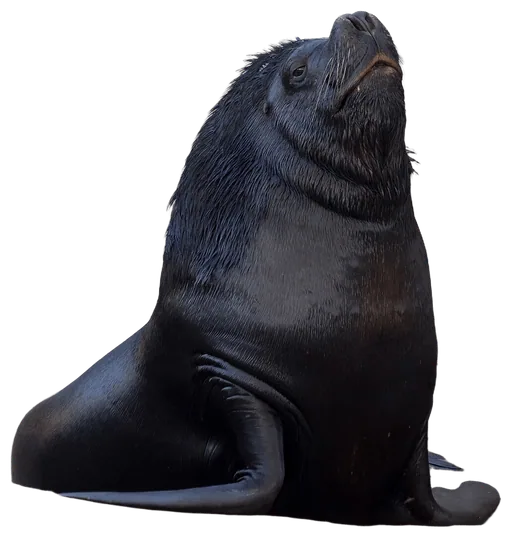
- Weight
- 300 kg661 lb
- Length
- 2.4 m7.9 ft
- Top speed
- 40 km/h25 mph
As heavy as 4.3 people
Heavier than 85% of animalsAbout as long as a person is tall
Bigger than 78% of animalsFaster than most people can sprint
Faster than 49% of animalsThe California Sea Lion is a highly mobile coastal pinniped whose strongest combat assets are a 300 kg bull's muscular forequarters, canine bite, aquatic agility and exceptional dive physiology. It is far more dangerous in water than on land, where its locomotion is functional but comparatively awkward. Intelligence, vibrissal sensing and long-distance endurance make it a flexible opponent rather than a simple brute-force fighter.
Detailed ratings
Research-backed ratings on one 0–100 scale for all 344 animals (updated 2026-09-27). How ratings work


Card No. 41 of 344. Every animal on Animal Battle Stats has one: its power, tier and archetype on the front; its six battle stats, abilities and signature move on the back.
Special abilities
Mobile whiskers detect water movement and hydrodynamic cues, improving close aquatic tracking when vision is limited.
Blood and muscle oxygen stores plus cardiovascular regulation sustain repeated submergence and permit occasional deep, long dives.
Unique traits
Unusually large foreflippers provide the principal propulsive strokes and fine aquatic control characteristic of otariids.
Mature males develop a sagittal crest and massively reinforced neck/chest profile associated with strong sexual dimorphism and territorial competition.
How it fights
Weapons
- The primary weapon is a canine-led bite delivered by a powerful neck and mobile head. California sea lions commonly capture prey with the anterior teeth rather than chewing extensively. Adult bulls add ~300 kg of body mass, a very robust neck and shoulders, and the ability to lunge, grapple and shove during territorial conflict. The bite is meaningful, but there is no credible basis for assigning a crocodilian-style PSI figure.
- Weight
- 300 kg661 lb
- Height
- No reliable measurement
- Length
- 2.4 m7.9 ft
- Top speed
- 40 km/h25 mph
- Bite force
- No reliable measurement
- Lifespan
- 25 years
- Home biome
- Ocean
- Lifestyle
- Social
Rated specimen: Healthy prime adult male, 300.0 kg and 240.0 cm nose-to-tail.
Fun facts
- A mature bull can be roughly three times the mass of an adult female.
- Smithsonian reports breeding-condition males can approach 1,000 lb even though normal adult male averages are much lower.
- NOAA-tracked adult males completed migrations approaching 2,000 km while continuing to feed.
- Recorded male dives in NOAA telemetry exceeded 13 minutes and reached 475 m.
- Sea lions can rotate the hind flippers forward and walk on all fours, unlike true seals.
- U.S. Navy sea lions have learned to interact with computerized enrichment interfaces.
Closest rivals by power. Tap one for the full breakdown, or pick any opponent.
vs Thresher SharkWins · 52% · Toss-up 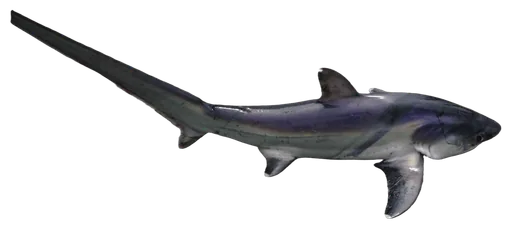 W vs Bull SharkWins · 54% · Toss-up
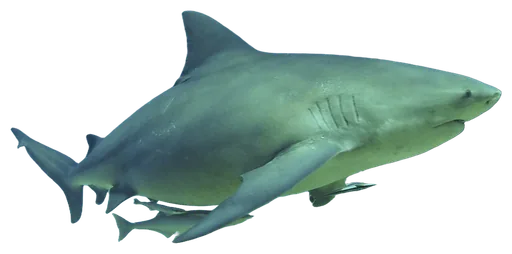 W vs JaguarWins · 56% · Toss-up
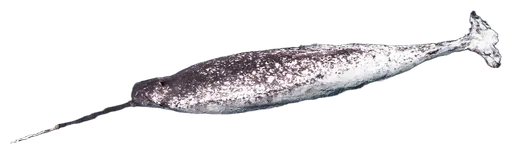
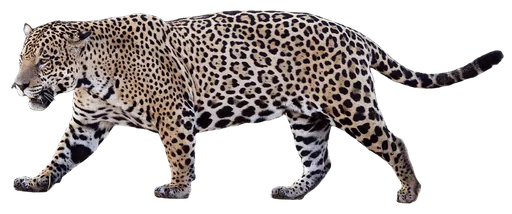 W vs NarwhalLoses · 60% · Slight edge
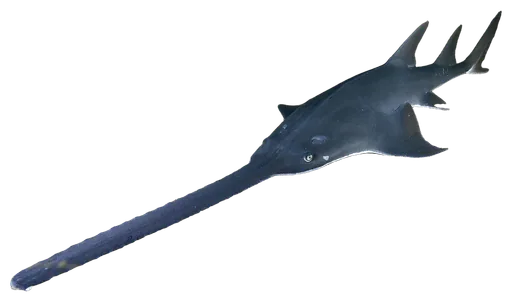
 L vs SawfishLoses · 53% · Toss-up
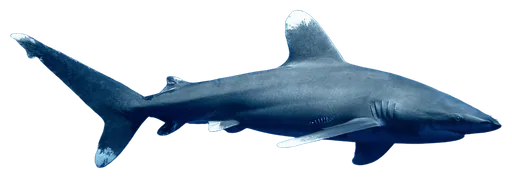
 L vs Oceanic Whitetip SharkWins · 51% · Toss-up
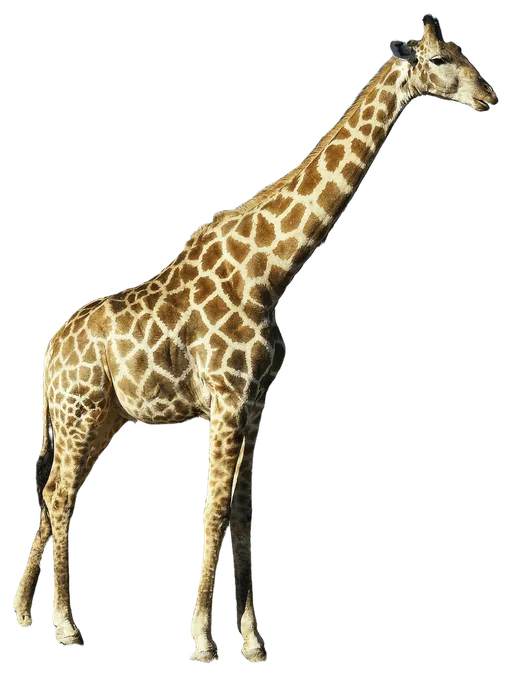
 W vs GiraffeLoses · 59% · Slight edge
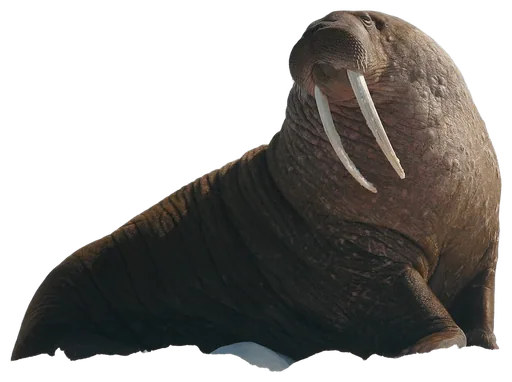
 L vs WalrusLoses · 61% · Slight edge
 L
Sea Lion battle analysis
A prime male California sea lion is built around control of the water. Broad foreflippers accelerate and redirect a streamlined 300 kg body, while a powerful neck places the canine-bearing jaws onto prey or rivals. Territorial bulls spend weeks advertising, patrolling and sometimes physically contesting breeding space, so the canonical specimen has real intraspecific combat experience rather than merely a predatory feeding bite.
The animal's more unusual advantages appear beneath the surface. Vibrissae detect water disturbance, oxygen stores support repeated dives, and cardiovascular regulation extends useful submergence. Long-distance telemetry shows that adult males can migrate for nearly two thousand kilometers while feeding. These are real stamina and sensory advantages, but they do not make the sea lion armored or give it the damage output of a crocodile. A large shark or orca remains an overwhelming threat.
Behaviorally, California sea lions are unusually flexible. Captive adults learn complex trained tasks and computerized interfaces, while wild males alter movement and diving effort when ocean conditions change. In ABS terms, that justifies strong Intelligence and Tactics. The final profile is therefore an agile, durable, intelligent aquatic grappler with moderate absolute weaponry and a pronounced terrain dependency.
Habitat & range
California sea lions occupy the eastern North Pacific from western North America into Mexico, using coastal waters, islands, beaches, rocky shores, docks, buoys and jetties. They can travel far offshore during poor prey conditions and may also enter rivers and other inland waterways.
Diet & hunting
They are opportunistic marine carnivores taking fish and cephalopods, with prey changing by place and season. Their trophic plasticity is supported by jaw-functional research and movement studies. They are themselves important prey for great white sharks and mammal-eating killer whales.
Social life
Sea lions are highly social at haul-outs. Breeding is strongly polygynous and territorial. Bulls defend space during the breeding season, while females alternate nursing visits with multi-day foraging trips. Females recognize pups through individualized vocal and olfactory cues. Adult males provide no routine parental care.
Conservation
NOAA lists California sea lions as protected under the MMPA. The U.S. population recovered strongly after historical exploitation. Modern threats include harmful algal toxins, disease, fishing-gear entanglement and human-caused injuries. Their learning ability has made the species important in zoos, research and the U.S. Navy Marine Mammal Program.
Quick answers
How strong is a Sea Lion?
On the Animal Battle Stats scale, the Sea Lion has an attack rating of 55 and a power index of 65.5 out of 100, which ranks it #41 of 344 animals and puts it in A tier (Elite). Its strongest stat is agility (84).
How much does a Sea Lion weigh?
A typical adult Sea Lion weighs about 300 kg (661 lb). Rated specimen: healthy prime adult male, 300.0 kg and 240.0 cm nose-to-tail.
How fast is a Sea Lion?
The Sea Lion's top speed is about 40 km/h (25 mph). Its agility rating is 84 out of 100.
What does a Sea Lion eat?
They are opportunistic marine carnivores taking fish and cephalopods, with prey changing by place and season. Their trophic plasticity is supported by jaw-functional research and movement studies. They are themselves important prey for great white sharks and mammal-eating killer whales.
What animals can beat a Sea Lion?
Among its closest rivals, the Narwhal (60%), the Sawfish (53%), the Giraffe (59%), the Walrus (61%) would be favored against the Sea Lion. It would be favored against the Thresher Shark, the Bull Shark, the Jaguar, the Oceanic Whitetip Shark.
Researched 2026-09-27. Ratings are editorial judgments built from these sources; measurements describe a healthy adult male.
- NOAA Fisheries, California Sea Lionexact taxon, MMPA status, 240-700 lb sex range, 6-7.5 ft length, 20-30 y lifespan, adult morphology
- Smithsonian National Zoomale ~2.4 m / 272 kg average, breeding weight to 454 kg; female ~1.8 m / 100 kg; territorial behavior, communication, lifespan
- Animal Diversity Webmale ~2.2 m / 275 kg average and up to 390 kg; dimorphism and morphology
- Smithsonian American Trail animal biosup to 25 mph swim speed; vibrissae; morphology
- Gearin et al., NOAA TM NMFS-AFSC-346adult-male migration: 1,940 km/30 d; 119-235 km max daily travel; 475 m and >13 min dive extremes
- McDonald et al., J Exp Biolvenous oxygen management; deep dives >300 m; physiological oxygen depletion/restoration
- Ponganis et al.measured ~2.3 min aerobic dive limit in trained 40 kg sea lions under test conditions
- Weise et al., Geophysical Research Lettersadult male movement/foraging plasticity; up to 450 km offshore under anomalous conditions
- Kuhn et al., Marine Mammal Scienceadult female foraging trips, dive duration/depth, environmental flexibility
- Nieto-Miranda et al., Anatomical Recordcanine prey capture, jaw mechanics and trophic plasticity; male muscle cross-sections
- Winship et al., Aquatic Mammalsthree adult males learned computerized interface
Photo: “Southern sea lion, L'Oceanogràfic (1).jpg” by Katie Chan, CC BY-SA 4.0, background removed and cropped. Original
Suggest a correction