

Saw-scaled Viper
Echis carinatus
 #237 of 341
  Desert Assassin Least Concern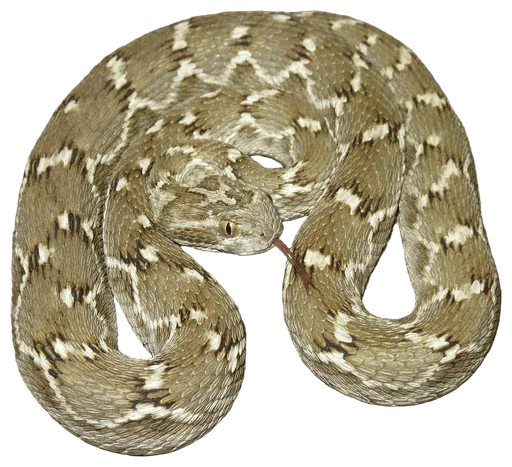
 Fight
FightPhoto: Alexander A. Fomichev · CC BY-SA 4.0
The saw-scaled viper is a tiny desert viper, usually under 60 cm and about 150 g, that warns by rubbing its saw-edged scales into a sizzling hiss and strikes from a spring-like coil. Its venom destroys the blood's ability to clot. It is one of India's big four medically important snakes, but its small size and small venom doses keep its absolute combat power low.
 Attack46
  Defense10
  Agility74
  Stamina40
  Intelligence34
  Special89
 Detailed ratings
Research-backed ratings on one 0–100 scale for all 341 animals (updated 2026-09-28). How ratings work
Special abilities
Ability 1Sizzling Scale AlarmThe snake loops into parallel C-shaped coils and rubs its angled, serrated flank scales together to make a hissing, sizzling sound that grows faster and louder as the threat continues. The sound comes from the scales, not from breath or a rattle.
 Ability 2Coil-Spring Hemorrhage Strike
From a figure-of-eight coil with the head in the center, it strikes like a released spring. Its metalloproteinase-rich venom causes consumption coagulopathy and bleeding, and in north-western India it is often poorly neutralized by the available antivenom.
Unique traits
 TraitSand-Swimming Sidewinder
It moves mainly by fast sidewinding across hot sand, touching the ground at only two points, and can bury itself with only the head showing.
TraitBig Four's Smallest MemberAt usually under 60 cm it is the smallest of India's "big four" medically important snakes, yet it is one of them because it is common, well hidden and quick to bite.
How it fights
Weapons
- The primary weapon is a fast strike through hinged front fangs, delivering a metalloproteinase-rich venom that breaks down clotting factors and blood-vessel walls. The secondary tool is the threat display: the snake forms parallel C-shaped coils and rubs its serrated flank scales together to make a loud "sizzling" sound, speeding up as it becomes more agitated.
 Struggles vs
- Tiny mass and no armor: any sizable predator can crush it.
- Small venom yield, especially in southern populations.
- Slow-acting venom: the damage comes from clotting failure over hours.
- Performance drops in cold; northern populations hibernate.
- Weight
- 150 g5.3 oz
- Height
- No reliable measurement
- Length
- 50 cm19.7 in
- Top speed
- No reliable measurement
- Bite force
- No reliable measurement
- Lifespan
- 23.8 years
- Home biome
- Desert
- Lifestyle
- Mostly solitary, nocturnal
Rated specimen: Healthy adult, 0.15 kg and 50 cm total length, sex unspecified.
Fun facts
- It warns intruders by rubbing its saw-edged scales together, making a sizzling sound like water on a hot plate.
- In rain, up to 80% of adults may climb into bushes; about 20 were once seen on one shrub.
- Southern Indian adults average under 3 mg of venom per extraction, yet the species is still one of India's big four.
- Its venom supplied ecarin, used in a hospital blood-clotting test.
- The anticlotting drug tirofiban (Aggrastat) is listed among the medicines derived from this snake's venom.
- In sand it can bury itself so that only its head shows.
Closest rivals by power. Tap one for the full breakdown, or pick any opponent.
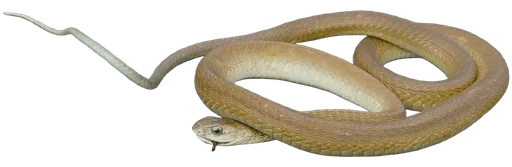
vs Common Death AdderWins · 50% · Toss-up 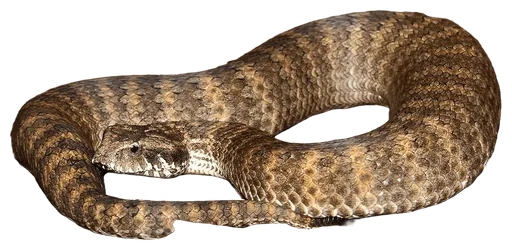 W vs BoomslangLoses · 52% · Toss-up
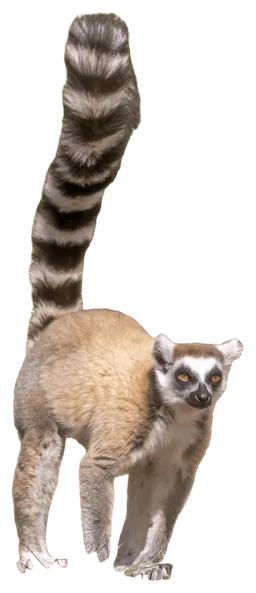
  L vs Ring-tailed LemurWins · 50% · Toss-up
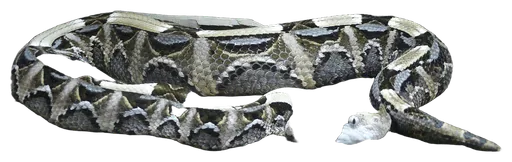
  W vs Gaboon ViperLoses · 53% · Toss-up
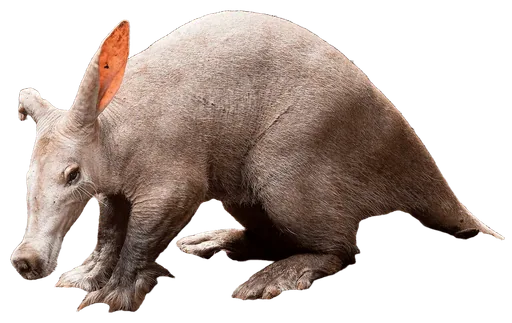
  L vs AardvarkWins · 50% · Toss-up
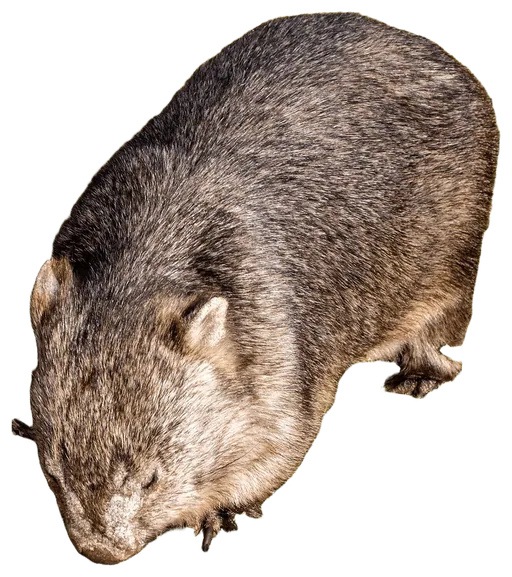
  W vs WombatLoses · 51% · Toss-up
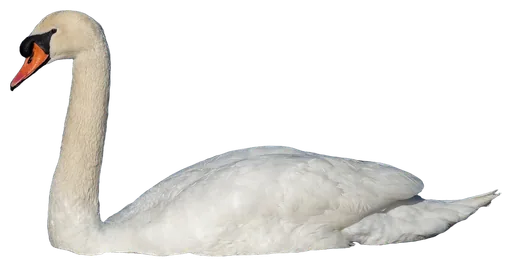
  L vs SwanWins · 51% · Toss-up
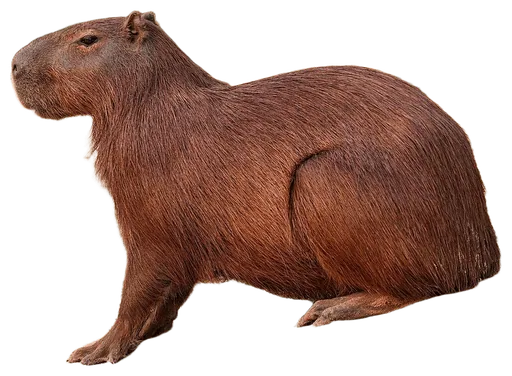
  W vs CapybaraWins · 51% · Toss-up
  W
W  Pick any opponent
 Saw-scaled Viper battle analysis
The saw-scaled viper is proof that a snake does not need size to matter. Most adults are under 60 cm and weigh roughly 150 g, and in southern India an adult may give only a few milligrams of venom. Yet the species ranks among India's four most medically important snakes because it is common, well camouflaged on sand and rock, active at night when people walk barefoot, and quick to defend itself.
Its warning is unusual. Instead of a rattle or a loud hiss, it arranges its body into parallel C-shaped loops and rubs the angled, saw-edged scales on its flanks together. The result is a sizzling sound that speeds up as the threat grows. If the warning fails, the viper strikes from a figure-of-eight coil with its head at the center. The venom, rich in metalloproteinases, uses up clotting factors and damages blood vessels, leading to bleeding and kidney injury over hours rather than minutes.
For battle ratings, the saw-scaled viper sits near the bottom in every physical category. It has almost no mass, no armor and very little strength, and even its venom delivery is limited by dose. Its strengths are a fast strike, quick sidewinding, readiness to fight and a warning display that is one of the most distinctive on the roster.
Habitat & range
The saw-scaled viper lives in India, Sri Lanka, Pakistan, Bangladesh, Afghanistan, Iran, southern Iraq, Oman, the United Arab Emirates and parts of Central Asia (Uzbekistan, Turkmenistan, Tajikistan). It uses sand, rock, soft soil and scrubland, often hiding under loose rocks, in rodent burrows, rock fissures or rotting logs, and has been recorded up to 1,982 m in Balochistan.
Diet & hunting
It eats rodents, lizards, frogs and many arthropods, including scorpions, centipedes and large insects. The broad diet allows high local densities. It is mostly crepuscular and nocturnal, most active after rain and on humid nights, and often climbs into shrubs.
Social life
Solitary, though many individuals can gather in the same shrub during rain.
Conservation
Listed as Least Concern on the IUCN Red List (2021 assessment, as reported by Wikipedia). It is common across much of its range and often lives close to farms and villages.
Quick answers
How strong is a Saw-scaled Viper?
On the Animal Battle Stats scale, the Saw-scaled Viper has an attack rating of 46 and a power index of 44.1 out of 100, which ranks it #237 of 341 animals and puts it in C tier (Capable). Its strongest stat is special (89).
How much does a Saw-scaled Viper weigh?
A typical adult Saw-scaled Viper weighs about 150 g (5.3 oz). Rated specimen: healthy adult, 0.15 kg and 50 cm total length, sex unspecified.
How fast is a Saw-scaled Viper?
There is no reliable measured top speed for the Saw-scaled Viper, so we do not publish one. Its agility rating, which covers acceleration, reflexes and evasion, is 74 out of 100.
What does a Saw-scaled Viper eat?
It eats rodents, lizards, frogs and many arthropods, including scorpions, centipedes and large insects. The broad diet allows high local densities. It is mostly crepuscular and nocturnal, most active after rain and on humid nights, and often climbs into shrubs.
Is the Saw-scaled Viper endangered?
No. The Saw-scaled Viper is listed as Least Concern. Listed as Least Concern on the IUCN Red List (2021 assessment, as reported by Wikipedia). It is common across much of its range and often lives close to farms and villages.
What animals can beat a Saw-scaled Viper?
Among its closest rivals, the Boomslang (52%), the Gaboon Viper (53%), the Wombat (51%) would be favored against the Saw-scaled Viper. It would be favored against the Common Death Adder, the Ring-tailed Lemur, the Aardvark, the Swan, the Capybara.
Researched 2026-09-28. Ratings are editorial judgments built from these sources; measurements describe a healthy adult.
- Wikipedia, Echis carinatuslength, scales, range, habitat, behavior, diet, reproduction, venom, drugs, IUCN status
- Wikipedia, Echis (genus)stridulation display
- Reptile Database, Echis carinatustaxonomy, distribution, reproduction, medical importance
- Gond et al. 2025, PLoS NTD, "Hiss and tell"venom yield, potency, sex effect
- Gond et al. 2025 full text (PMC)yield tables and envenomation strategy
- Javed et al. 2025, Toxins, "Explaining Echis"venom composition
- Kumar et al. 2026, Toxins, E. c. sochureki venom proteomevenom composition, antivenom recognition
- Gopalakrishnan et al. 2025, Trans R Soc Trop Med Hygclinical effects
- Mohapatra et al. 2011, PLoS NTD, Million Death Studyhuman impact
- Suraweera et al. 2020, eLifehuman impact
- AnAge, Echis carinatusmass, longevity
Photo: “Echis carinatus Tigrovaya Balka (1).jpg” by Alexander A. Fomichev, CC BY-SA 4.0, background removed and cropped. Original
Suggest a correction