

Sand Cat
Felis margarita
 #268 of 341
  Desert Hunter Least Concern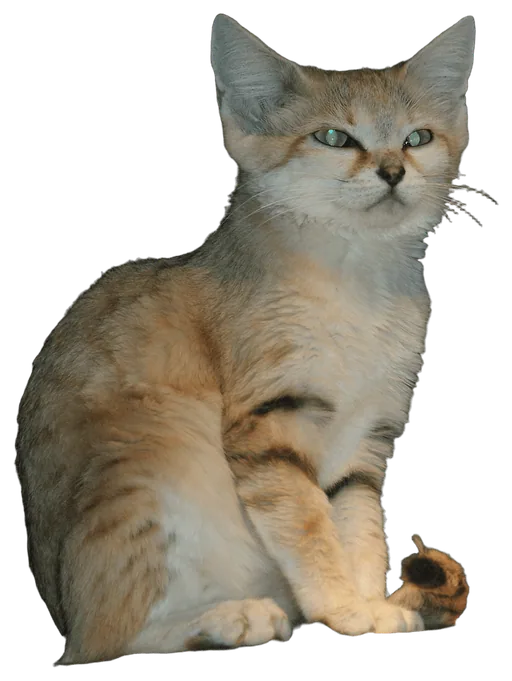
 Fight
FightPhoto: TimVickers · Public domain
A small, broad-headed desert cat with fur-soled feet and huge ear canals, the sand cat hears prey under the sand, kills venomous vipers and goes without drinking. Superbly specialized for deserts, it is still only a 3 kg animal with little absolute power or protection.
 Attack18
  Defense10
  Agility76
  Stamina70
  Intelligence62
  Special75
 Detailed ratings
Research-backed ratings on one 0–100 scale for all 341 animals (updated 2026-09-28). How ratings work
Special abilities
Ability 1Underground EarEar canals about twice as wide as a domestic cat's and a greatly enlarged middle ear let it hear prey moving below the sand and then dig it out. This detection edge matters most against burrowing or hidden opponents.
 Ability 2Viper Stun
It stuns horned and sand vipers with rapid blows of its paws to the head, then kills with a neck bite. The technique lets a 3 kg cat deal with venomous snakes that would injure a careless predator.
Unique traits
 TraitFur-Soled Feet
Dense fur 15–30 mm long covers the soles of its feet, insulating the pads against burning sand and spreading its weight on loose sand.
TraitWaterless Desert CatIt gets the moisture it needs from its prey and can live in desert far from any water source, drinking only when water happens to be available.
How it fights
Weapons
- The sand cat hunts gerbils, jirds, jerboas, spiny mice, larks, lizards and young hares. It hunts mainly by walking, listening and pausing to look around, rarely by sitting and waiting (Cole and Wilson). It locates prey moving underground with its enlarged ears and digs rapidly to reach it. Saharan nomads describe it as a skilled hunter of horned and sand vipers: it stuns a snake with rapid paw strikes to the head before killing it with a neck bite. When it catches more than it can eat, it buries the rest for later. These are precise, well-timed small-predator weapons carried on a 2.8 kg body.
 Struggles vs
- Tiny absolute mass and power.
- No armor.
- Weak climber and jumper by felid standards.
- Predated by golden eagles, caracals, wolves, golden jackals, dogs and possibly large snakes; juveniles by eagle-owls and red foxes.
- Weight
- 2.8 kg6 lb
- Height
- 30 cm11.8 in
- Length
- 48 cm18.9 in
- Top speed
- 35 km/h22 mph
- Bite force
- No reliable measurement
- Lifespan
- 13 years
- Home biome
- Desert
- Lifestyle
- Mostly solitary, nocturnal
Rated specimen: Healthy mature adult male, 2.8 kg, matching the mean of four Pakistani males (2.78 kg) and sitting inside the 2.1–3.4 kg range of Turkmen males (Cole and Wilson 2015).
Fun facts
- Its ear canals are about twice as wide as a domestic cat's.
- The soles of its feet are covered with fur up to 3 cm long.
- It can sprint at about 30–40 km/h over short distances.
- It kills venomous vipers by stunning them with rapid paw blows.
- Shine a light on it and it crouches and closes its eyes so no eyeshine gives it away.
- Sand cats in the Moroccan Sahara have been found sleeping in ravens' nests 3.5 m up in acacia trees.
Closest rivals by power. Tap one for the full breakdown, or pick any opponent.
vs WallabyLoses · 50% · Toss-up 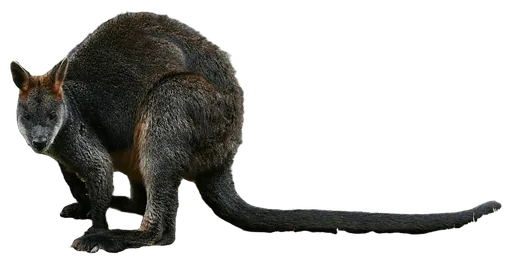 L vs Arctic FoxLoses · 50% · Toss-up
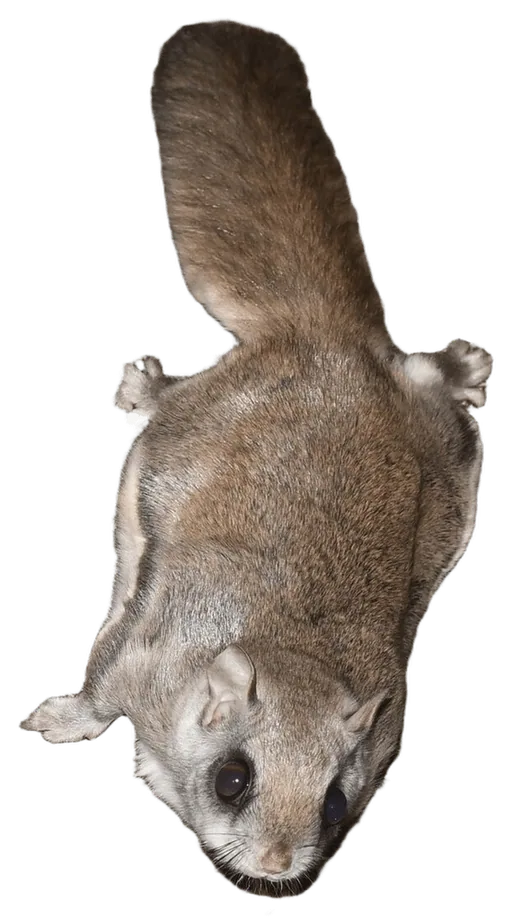
  L vs Flying SquirrelLoses · 51% · Toss-up
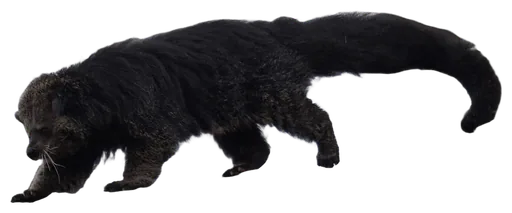
  L vs BinturongLoses · 51% · Toss-up
  L vs House CatLoses · 51% · Toss-up
 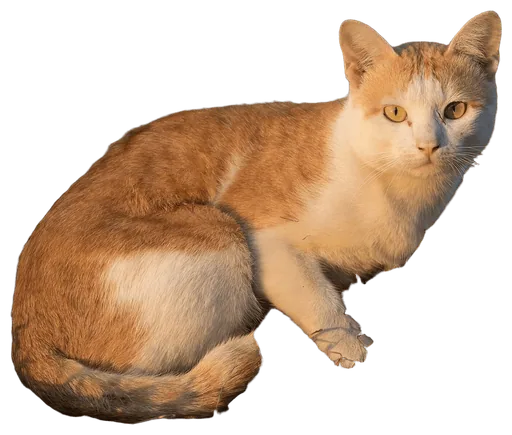 L vs Sugar GliderWins · 52% · Toss-up
 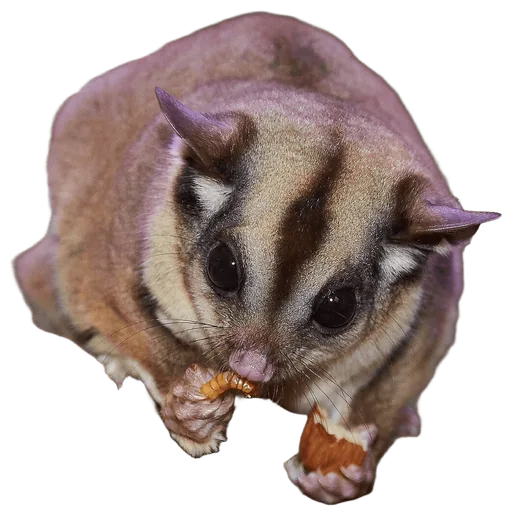 W vs Black-footed CatWins · 52% · Toss-up
 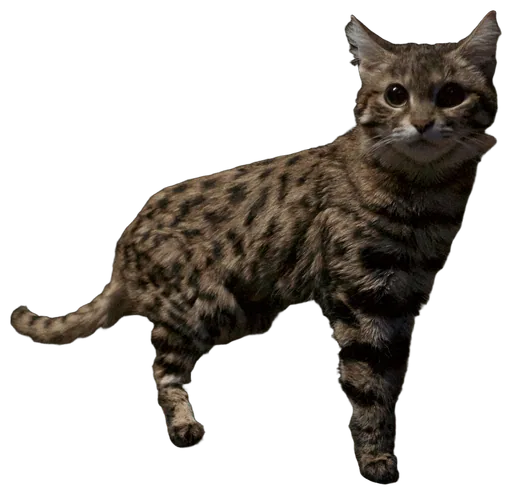 W vs Maine CoonLoses · 52% · Toss-up
 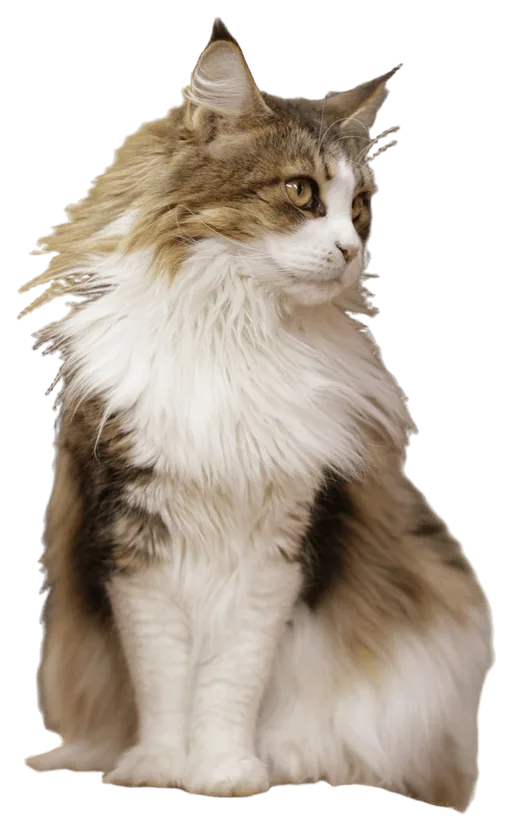 L
L  Pick any opponent
 Sand Cat battle analysis
The sand cat is built for places most predators avoid. It spends the hottest hours in a burrow and comes out at night to cover five to ten kilometres across sand and gravel, walking, listening and pausing. Its ear canals and middle ear are roughly twice the size of a domestic cat's, which lets it pick up faint sounds of rodents moving underground; it then digs them out at speed.
Its most striking hunting skill is snake killing. Saharan nomads describe it as a formidable hunter of horned vipers, and field accounts describe it stunning the snake with a flurry of paw blows before a fatal neck bite. It also has the stillness of a true desert specialist: when caught in a light beam it crouches, closes its eyes and waits, relying on its sandy coat to vanish.
In absolute combat terms, none of this changes its size. At about 2.8 kg it is lighter than a house cat and far lighter than the caracals, jackals and wolves that prey on it. It rates low in Attack and Defense, higher in Stamina for its long desert travel, and high in Special and Senses for its specialized hearing.
Habitat & range
Sandy and stony deserts with sparse grasses and shrubs across the Sahara, the Arabian Peninsula, and parts of Iran, Turkmenistan, Uzbekistan, Kazakhstan, Afghanistan and Pakistan. It prefers flat or undulating ground with some vegetation and avoids bare, shifting dunes where there is little prey. It shelters in burrows about 1.5 m deep, often ones dug by foxes, porcupines or gerbils. The rare Arabian subspecies has recently been recorded in Iraq (Al Sheikhly and Haba 2017) and in the central Syrian desert near Palmyra (Serra et al. 2007).
Diet & hunting
Small rodents (gerbils, jirds, jerboas, spiny mice), young hares, small birds such as larks, lizards such as sandfish and spiny-tailed lizards, insects and venomous snakes (Wikipedia; Cole and Wilson). It satisfies its moisture needs from prey.
Social life
Solitary; males and females come together only to breed. Home ranges overlap. In Morocco, tracked adults used very large ranges of about 275–320 km² on average.
Conservation
Listed as Least Concern on the IUCN Red List (2016 assessment) because of its wide range, although it is rarely seen and poorly studied. Threats include habitat degradation, loss of vegetated sand habitat, uncontrolled hunting, poisoned baits set for other predators, domestic and feral dogs, and prey declines during droughts.
Quick answers
How strong is a Sand Cat?
On the Animal Battle Stats scale, the Sand Cat has an attack rating of 18 and a power index of 41.3 out of 100, which ranks it #268 of 341 animals and puts it in D tier (Underdog). Its strongest stat is agility (76).
How much does a Sand Cat weigh?
A typical adult Sand Cat weighs about 2.8 kg (6 lb). Rated specimen: healthy mature adult male, 2.8 kg, matching the mean of four Pakistani males (2.78 kg) and sitting inside the 2.1–3.4 kg range of Turkmen males (Cole and Wilson 2015).
How fast is a Sand Cat?
The Sand Cat's top speed is about 35 km/h (22 mph). Its agility rating is 76 out of 100.
What does a Sand Cat eat?
Small rodents (gerbils, jirds, jerboas, spiny mice), young hares, small birds such as larks, lizards such as sandfish and spiny-tailed lizards, insects and venomous snakes (Wikipedia; Cole and Wilson). It satisfies its moisture needs from prey.
Is the Sand Cat endangered?
No. The Sand Cat is listed as Least Concern. Listed as Least Concern on the IUCN Red List (2016 assessment) because of its wide range, although it is rarely seen and poorly studied. Threats include habitat degradation, loss of vegetated sand habitat, uncontrolled hunting, poisoned baits set for other predators, domestic and feral dogs, and prey declines during droughts.
What animals can beat a Sand Cat?
Among its closest rivals, the Wallaby (50%), the Arctic Fox (50%), the Flying Squirrel (51%), the Binturong (51%), the House Cat (51%), the Maine Coon (52%) would be favored against the Sand Cat. It would be favored against the Sugar Glider, the Black-footed Cat.
Researched 2026-09-28. Ratings are editorial judgments built from these sources; measurements describe a healthy adult male.
- Wikipedia, Sand catmass, height, length, ears, speed, nightly travel, diet, predators, status
- Cole and Wilson 2015, "Felis margarita", Mammalian Species 47(924)male mass, speed, climbing, snake technique, predators, eyeshine behavior, captive mortality
- Animal Diversity Web, Felis margaritamass by sex, lifespan, snake hunting, home range
- Huang et al. 2002, Journal of Comparative Physiology Aear structure and hearing
- Bompar et al. 2019, CATnews 69climbing and resting behavior
- Home ranges of African sand cats, Journal of Arid Environments 2024 (Europe PMC record)home range
- Al Sheikhly and Haba 2017, Bonn zoological Bulletinrange, habits
- Serra et al. 2007, Zoology in the Middle Eastrange
Photo: “Felis margarita 6.jpg” by TimVickers, Public domain, background removed and cropped. Original
Suggest a correction