
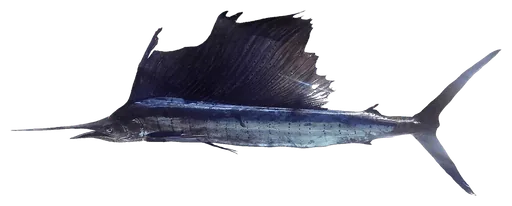
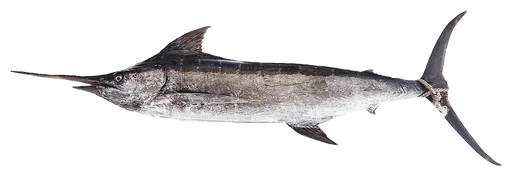
Photo: Fanchon Varenne (IFREMER, Délégation océan Indien (DOI), Département Ressources Biologiques et Environnement (RBE), F-97420 Le Port, France) · CC BY 4.0
Sailfish
Istiophorus platypterusB tier · Strong23rd of 51 sea creatures
Size & speed

- Weight
- 70 kg154 lb
- Length
- 2.7 m8.9 ft
- Top speed
- 30 km/h19 mph
About as heavy as a person
Heavier than 69% of animals1.5× a person's height
Bigger than 82% of animalsFaster than most people can sprint
Faster than 33% of animalsA fast, highly maneuverable pelagic predator, the sailfish uses a long hydrodynamically stealthy bill to enter prey schools and deliver lightning lateral slashes. Its giant dorsal sail aids control and can fold away for streamlined swimming. Modern biomechanics put its plausible maximum speed far below the famous 110 km/h misconception, but its acceleration, precision and specialized weapon still make it an elite aquatic skirmisher.
Detailed ratings
Research-backed ratings on one 0–100 scale for all 344 animals (updated 2026-09-27). How ratings work


Card No. 60 of 344. Every animal on Animal Battle Stats has one: its power, tier and archetype on the front; its six battle stats, abilities and signature move on the back.
Special abilities
The narrow rostrum can enter a prey school with little detectable disturbance, then accelerate laterally to tap or slash prey before they can evade effectively.
The enormous first dorsal fin can be erected during hunting/control behavior and depressed during streamlined swimming, changing stability and drag profile.
Unique traits
Modern biomechanical work overturns extreme folklore speed estimates and places realistic performance near an 8.3 m/s theoretical muscle-based maximum, illustrating how hydrodynamic limits constrain even elite swimmers.
Sailfish grow rapidly early in life, mature within only a few years, and females tend to attain larger sizes than males.
How it fights
Weapons
- The bill is the primary offensive tool. Sailfish approach schooling prey, insert the slender bill with surprisingly little hydrodynamic warning, then tap individual prey or whip the bill laterally through the school. The weapon works by speed, reach and rapid lateral acceleration rather than by behaving like a rigid stabbing sword. The jaws then seize disabled prey.
Struggles vs
- Performance collapses outside water.
- Confined terrain reduces the value of long approach lanes and lateral bill sweeps.
- No heavy armor or shell.
- Bill damage would disproportionately reduce its specialized offense.
- Cold or unsuitable water constrains a warm-water pelagic specialist.
- Weight
- 70 kg154 lb
- Height
- No reliable measurement
- Length
- 2.7 m8.9 ft
- Top speed
- 30 km/h19 mph
- Bite force
- No reliable measurement
- Lifespan
- 13 years
- Home biome
- Ocean
- Lifestyle
- Social
Rated specimen: Healthy prime adult female, 70.0 kg, approximately 270.0 cm total length.
Fun facts
- High-speed video showed that sardines near an inserted sailfish bill did not respond earlier than fish farther away, supporting the bill's hydrodynamic stealth.
- The bill can be used for both gentle individual taps and violent lateral slashes.
- The famous ~110 km/h figure is contradicted by modern biomechanics; 8.3 ± 1.4 m/s was the 2016 theoretical muscle-based estimate.
- The first dorsal fin contains dozens of rays and can be folded down to reduce drag.
- NOAA researchers examined more than one thousand sailfish fin spines in a major age-and-growth study.
Closest rivals by power. Tap one for the full breakdown, or pick any opponent.
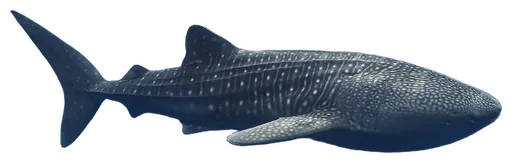
vs OctopusWins · 54% · Toss-up 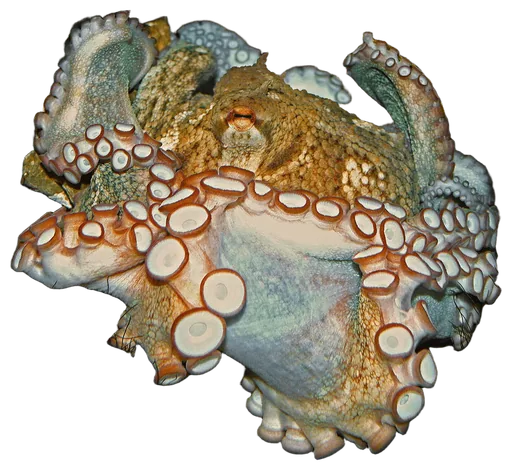 W vs Whale SharkLoses · 78% · Clear edge
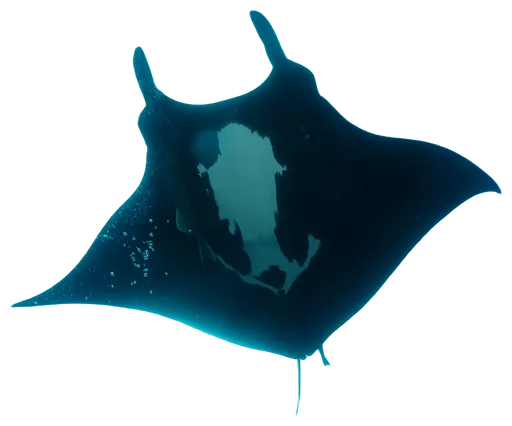
 L vs Manta RayLoses · 68% · Slight edge
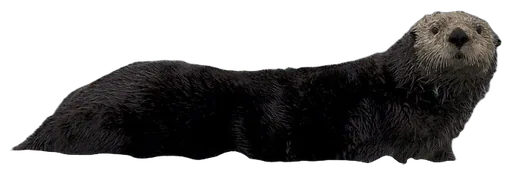
 L vs Sea OtterWins · 56% · Toss-up
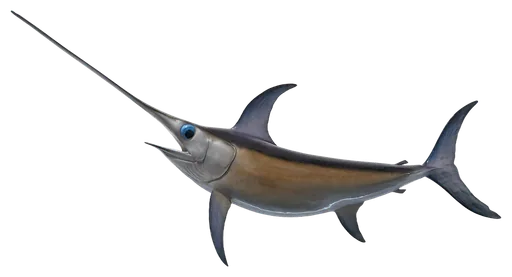
 W vs SwordfishLoses · 58% · Slight edge
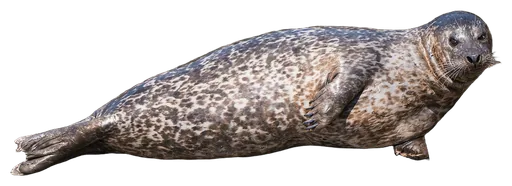
 L vs SealLoses · 54% · Toss-up
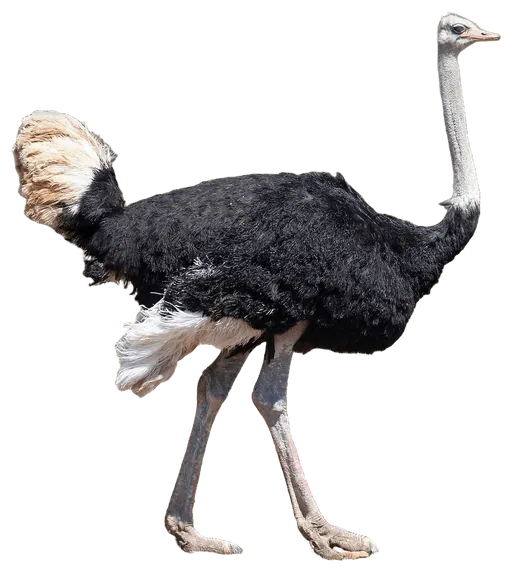
 L vs OstrichLoses · 54% · Toss-up
 L vs MarlinLoses · 60% · Slight edge
 L
Sailfish battle analysis
The sailfish is less a straight-line speed caricature than a precision weapons platform. Its body is shaped for sustained pelagic movement, but the decisive feature sits ahead of the eyes: a long, slender rostrum that can be threaded into a dense school of fish without producing enough disturbance to trigger an immediate escape. Once positioned, the head whips laterally. High-speed field work showed that these slashes combine extraordinary angular motion with surprise, damaging or disorienting prey that can then be seized by the jaws.
Its enormous dorsal fin is similarly functional rather than ornamental. The sail can be deployed when control and prey manipulation matter, then depressed when reducing drag matters. Together with a forked tail and paired fins, this gives the fish excellent three-dimensional control in open water. The result is high Agility and Special, but not exaggerated Attack or Defense: a sailfish is still a lightly protected ~70 kg fish whose weapon is used principally against much smaller prey.
The profile also corrects one of zoology's most persistent speed claims. Older rod-and-reel calculations helped popularize values around 110 km/h. Modern muscle-contraction and stride-length analysis estimated 8.3 ± 1.4 m/s and argued that extreme older values are biomechanically implausible. ABS therefore rewards verified maneuvering and strike mechanics rather than folklore velocity.
Habitat & range
Sailfish occupy tropical and subtropical epipelagic waters, often near coasts and islands but also in oceanic habitat. FishBase describes the species as highly migratory and generally above the thermocline.
Diet & hunting
They eat fishes and cephalopods, including schooling prey such as sardines, mackerels, jacks, halfbeaks and related pelagic fishes. Their hunting method makes them both pursuit predators and specialized school exploiters.
Social life
They are often solitary or in small groups, but temporary hunting aggregations can exploit dense prey schools. Spawning can involve pairs or several males pursuing a female. Group hunting is treated as behavioral context, not as a multiplier of an individual's physical stats.
Conservation
FishBase/Fishes of Texas reports the 2021 IUCN assessment as Vulnerable. Sailfish are also important gamefish and encounter commercial fisheries, including longline gear.
Quick answers
How strong is a Sailfish?
On the Animal Battle Stats scale, the Sailfish has an attack rating of 52 and a power index of 61.3 out of 100, which ranks it #60 of 344 animals and puts it in B tier (Strong). Its strongest stat is agility (89).
How much does a Sailfish weigh?
A typical adult Sailfish weighs about 70 kg (154 lb). Rated specimen: healthy prime adult female, 70.0 kg, approximately 270.0 cm total length.
How fast is a Sailfish?
The Sailfish's top speed is about 30 km/h (19 mph). Its agility rating is 89 out of 100.
What does a Sailfish eat?
They eat fishes and cephalopods, including schooling prey such as sardines, mackerels, jacks, halfbeaks and related pelagic fishes. Their hunting method makes them both pursuit predators and specialized school exploiters.
Is the Sailfish endangered?
The Sailfish's conservation status is Vulnerable. FishBase/Fishes of Texas reports the 2021 IUCN assessment as Vulnerable. Sailfish are also important gamefish and encounter commercial fisheries, including longline gear.
What animals can beat a Sailfish?
Among its closest rivals, the Whale Shark (78%), the Manta Ray (68%), the Swordfish (58%), the Seal (54%), the Ostrich (54%), the Marlin (60%) would be favored against the Sailfish. It would be favored against the Octopus, the Sea Otter.
Researched 2026-09-27. Ratings are editorial judgments built from these sources; measurements describe a healthy adult female.
- Svendsen et al., Biology Open (2016)maximum swimming speed
- Domenici et al., Proc. Royal Society B (2014)bill mechanics
- NOAA, Hedgepeth & Jolley, age/growthage, growth, dimorphism
- Florida Museum, Discover Fishessize, mass, diet, reproduction
- FishBasetaxonomy, distribution, common/max size, age
- Animal Diversity Webaverage mass, morphology
- IFREMER / Wikimedia Commonsimage provenance
Photo: “Voilier de l'Indo-Pacifique (Istiophorus platypterus) (Ifremer 00761-87277).jpg” by Fanchon Varenne (IFREMER, Délégation océan Indien (DOI), Département Ressources Biologiques et Environnement (RBE), F-97420 Le Port, France), CC BY 4.0, background removed and cropped. Original
Suggest a correction