

Russian Tortoise
Testudo horsfieldii
 #331 of 344
  Desert Tank Vulnerable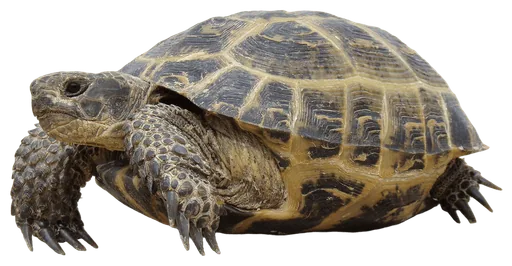
 Fight
FightPhoto: Yuriy75 · CC BY-SA 3.0
The Russian tortoise is a small, flat-shelled digger from the dry steppes of Central Asia. A 1 kg adult female has no real weapons, but it can seal itself inside a thick, closed shell or retreat into a burrow up to 2 m deep, and it survives by staying dormant for up to nine months a year. It is well protected for its size and hopeless as an attacker.
 Attack5
  Defense35
  Agility15
  Stamina55
  Intelligence35
  Special55
 Detailed ratings
Research-backed ratings on one 0–100 scale for all 344 animals (updated 2026-09-28). How ratings work
Special abilities
Ability 1Sealed Steppe ShellThe flattened, rounded shell closes with small openings, and the scaled forelimbs block the front when the head is pulled in. Small predators and pecking birds face a closed box rather than a meal.
 Ability 2Deep Burrow Retreat
Strong four-clawed forelimbs dig burrows up to 2 m deep, where the tortoise escapes midday heat, night cold, winter and many predators. In a matchup it can end contact by going underground.
Unique traits
 TraitNine-Month Sleeper
In parts of its range it is active for only about three months a year, spending the rest in summer and winter dormancy.
TraitFirst Animals Around the MoonTwo Russian tortoises flew around the Moon aboard the Soviet Zond 5 probe in September 1968 and returned to Earth alive.
How it fights
Weapons
- The Russian tortoise is a herbivore with almost no offensive equipment. Its beak crops leaves and flowers, and its fights are ritual contests between males, who ram each other with the front of the shell and try to overturn the rival. Bonnet et al. note that these fights often end with a male flipped onto its back, where it risks overheating or predation. The same beak bites a female's forelegs during courtship. None of this is dangerous to a predator.
 Struggles vs
- Tiny absolute mass and no weapons.
- Very slow on the surface.
- A 1 kg shell can be carried off, dropped or crushed by large predators.
- Can be flipped; overturned animals risk overheating.
- Weight
- 1 kg2 lb
- Height
- No reliable measurement
- Length
- 20 cm7.9 in
- Top speed
- No reliable measurement
- Bite force
- No reliable measurement
- Lifespan
- No reliable measurement
- Home biome
- Desert
- Lifestyle
- Mostly solitary
Rated specimen: Healthy mature adult female, 1.0 kg with a 20.0 cm straight carapace length, representing a well-grown wild female rather than a record animal.
Fun facts
- Two Russian tortoises were the first animals to fly around the Moon, on Zond 5 in 1968; each weighed only 0.34–0.4 kg before the flight.
- Unlike most tortoises, it has only four toes on each front foot.
- Field work found tortoises active only about three months a year, and resting 90% of the time even then.
- Its burrows can reach 2 m deep.
- Males often flip rivals onto their backs during fights, so males are built to right themselves faster than females.
- Between 2002 and 2008, 142,475 wild-caught Russian tortoises were imported into the United States.
Closest rivals by power. Tap one for the full breakdown, or pick any opponent.
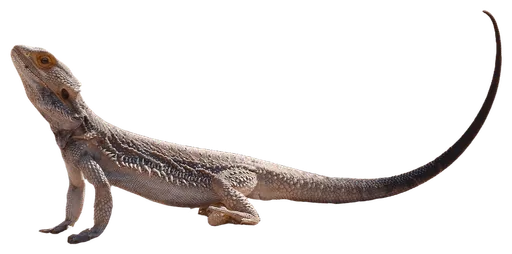
vs Leopard GeckoWins · 50% · Toss-up 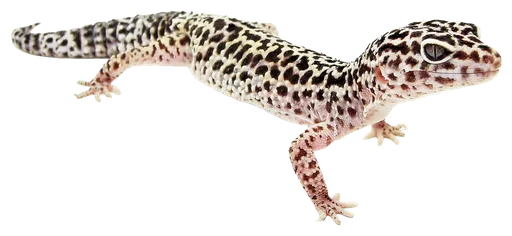 W vs Bearded DragonLoses · 53% · Toss-up
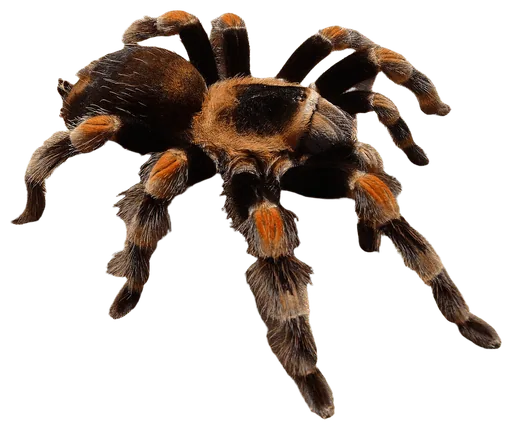
  L vs Mexican Red-knee TarantulaLoses · 50% · Toss-up
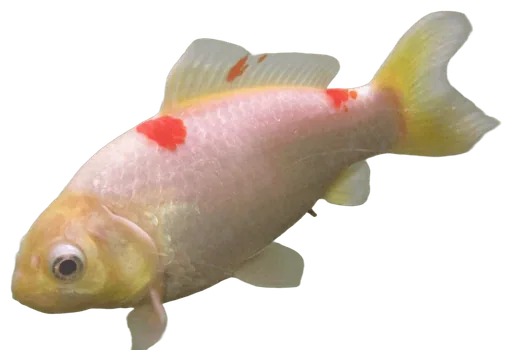
  L vs GoldfishWins · 51% · Toss-up
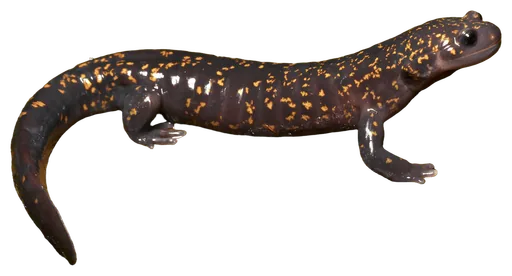
  W vs SalamanderLoses · 51% · Toss-up
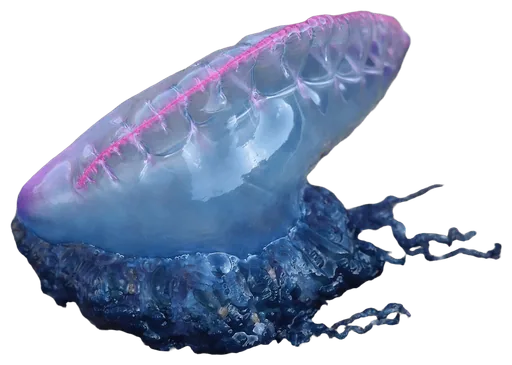
  L vs Portuguese Man o' WarLoses · 52% · Toss-up
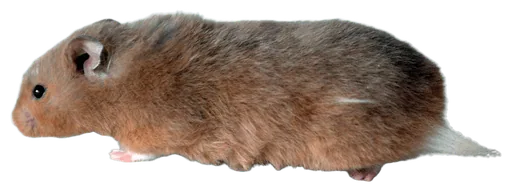
  L vs Syrian HamsterWins · 52% · Toss-up
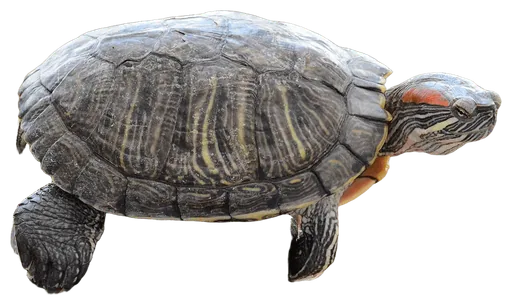
  W vs Red-eared SliderLoses · 55% · Toss-up
  L
L  Pick any opponent
 Russian Tortoise battle analysis
For most of the year the Russian tortoise is underground. On the Central Asian steppe, spring is short and summer is hot and dry, so the tortoise crams its feeding into a few weeks of green growth, then digs down and waits. Field studies have found tortoises active for only about three months a year, and even then they rest most of the time. Four stout claws on each front foot and a flat, rounded shell make it an efficient digger, and its burrows can reach 2 m deep.
As a fighter it has almost nothing to offer. The beak crops plants, and the only fights it takes part in are shoving matches between males, who ram each other and try to tip the rival over. A flipped male is in real danger from heat and predators, and males are built with longer legs and more freedom in the shell to right themselves quickly. Against a predator the tortoise simply closes up: the shell has small openings and the scaled forelimbs cover the front. That works against small attackers, but the whole package weighs about 1 kg, and a large predator can carry it off or crush it.
In ABS terms the Russian tortoise is a near-zero attacker with respectable Defense for its size, very low Agility, and solid Stamina built on patience rather than effort. Its Special score comes from its shell, its deep burrows and its long dormancy. It is also a space pioneer: two of its kind circled the Moon in 1968, before any human did.
Habitat & range
The Russian tortoise lives in dry, open steppe, semi-desert and foothill country from the Caspian Sea south through Iran, Afghanistan and Pakistan and east across Kazakhstan, Uzbekistan, Turkmenistan, Kyrgyzstan and Tajikistan to Xinjiang, China, up to about 2,400 m. It prefers sandy or loamy soils it can dig into, and it needs some rain to soften the ground for burrowing. The climate has large daily and seasonal temperature swings and very dry summers.
Diet & hunting
It eats herbaceous and succulent plants, flowers, twigs and some fruit, taking most of its water from food. Lee and Smith note that it avoids grasses and often eats plants that are toxic to grazing mammals, which reduces competition with livestock; other summaries list grasses in the diet, so the point is not settled. Almost all feeding is packed into a short spring season before summer heat drives the tortoises underground.
Social life
Tortoises visit neighbouring burrows and several may spend the night in one burrow. Males court females by head bobbing, circling and biting the female's forelegs, and males fight each other by ramming.
Conservation
The species is listed as Vulnerable on the IUCN Red List, based on a 1996 assessment by the Tortoise and Freshwater Turtle Specialist Group that is now old. It has been on CITES Appendix II since 1977. Collection for the international pet trade has been the main threat since the 1970s: U.S. Fish and Wildlife Service import data summarised by Lee and Smith show 142,475 wild-caught Russian tortoises imported into the United States between 2002 and 2008, almost all for commerce.
Quick answers
How strong is a Russian Tortoise?
On the Animal Battle Stats scale, the Russian Tortoise has an attack rating of 5 and a power index of 28.2 out of 100, which ranks it #331 of 344 animals and puts it in F tier (Snack). Its strongest stat is stamina (55).
How much does a Russian Tortoise weigh?
A typical adult Russian Tortoise weighs about 1 kg (2 lb). Rated specimen: healthy mature adult female, 1.0 kg with a 20.0 cm straight carapace length, representing a well-grown wild female rather than a record animal.
How fast is a Russian Tortoise?
There is no reliable measured top speed for the Russian Tortoise, so we do not publish one. Its agility rating, which covers acceleration, reflexes and evasion, is 15 out of 100.
What does a Russian Tortoise eat?
It eats herbaceous and succulent plants, flowers, twigs and some fruit, taking most of its water from food. Lee and Smith note that it avoids grasses and often eats plants that are toxic to grazing mammals, which reduces competition with livestock; other summaries list grasses in the diet, so the point is not settled. Almost all feeding is packed into a short spring season before summer heat drives the tortoises underground.
Is the Russian Tortoise endangered?
The Russian Tortoise's conservation status is Vulnerable. The species is listed as Vulnerable on the IUCN Red List, based on a 1996 assessment by the Tortoise and Freshwater Turtle Specialist Group that is now old. It has been on CITES Appendix II since 1977. Collection for the international pet trade has been the main threat since the 1970s: U.S. Fish and Wildlife Service import data summarised by Lee and Smith show 142,475 wild-caught Russian tortoises
What animals can beat a Russian Tortoise?
Among its closest rivals, the Bearded Dragon (53%), the Mexican Red-knee Tarantula (50%), the Salamander (51%), the Portuguese Man o' War (52%), the Red-eared Slider (55%) would be favored against the Russian Tortoise. It would be favored against the Leopard Gecko, the Goldfish, the Syrian Hamster.
Researched 2026-09-28. Ratings are editorial judgments built from these sources; measurements describe a healthy adult female.
- Wikipedia, Central Asian tortoisesize, dimorphism, four toes, burrows, dormancy, sociality, Zond 5
- Wikipedia (German), Steppenschildkrötemass, burrow length
- Bonnet et al., Biological Journal of the Linnean Society (2001), abstract via Europe PMCdimorphism, shell shape, mobility, male combat
- Lee and Smith, "Testudostan", Bulletin of the Chicago Herpetological Society (2010)activity season, maturity, maximum size, trade, CITES
- The Reptile Database, Testudo horsfieldiitaxonomy, distribution, elevation
- EFFACE report on Horsfieldii tortoise trade (2015)IUCN status, threats, inactivity
- Wikipedia, Zond 5spaceflight facts
- VetCompass study of UK pet chelonians, PLOS ONE (2025)pet popularity
- Bauer et al., Journal of Applied Animal Welfare Science (2019)captive diet and husbandry
Photo: “Testudo horsfieldii; Baikonur 001.jpg” by Yuriy75, CC BY-SA 3.0, background removed and cropped. Original
Suggest a correction