

Russell's Viper
Daboia russelii
 #183 of 341
  Savanna Assassin Least Concern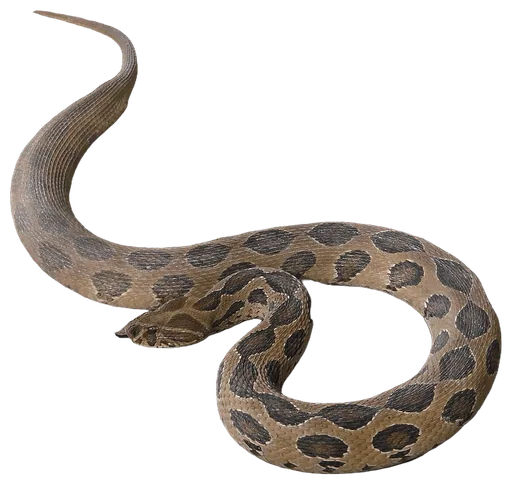
 Fight
FightPhoto: AChawla · CC BY-SA 3.0
Russell's viper is a stout, chain-patterned South Asian viper about 1.2 m long, with 16.5 mm fangs and a venom that sets off runaway clotting. It warns with a very loud hiss and strikes hard, and it is thought to cause most severe snakebites in India. Its body is still small and slow, so its danger lies almost entirely in the bite.
 Attack62
  Defense21
  Agility62
  Stamina40
  Intelligence38
  Special93
 Detailed ratings
Research-backed ratings on one 0–100 scale for all 341 animals (updated 2026-09-28). How ratings work
Special abilities
Ability 1Clotting-Factor HijackThe venom contains activators of clotting factors X and V, setting off runaway clotting that uses up the blood's clotting capacity and leads to bleeding and kidney failure. A typical adult carries around 100 mg, above the estimated 40–70 mg lethal dose for an adult human.
 Ability 2Pressure-Cooker Hiss
When threatened it forms S-loops, lifts the front third of its body and gives a hiss reputed to be the loudest of any snake, then strikes with enough force that large individuals can lift off the ground.
Unique traits
 TraitChain-Link Camouflage
Three rows of dark, black-ringed spots edged in white or yellow run down a tan or brown body, breaking up its outline in grass and leaf litter; the harmless rough-scaled sand boa has a similar pattern.
TraitMass Live BirthIt gives birth to live young, with litters of 20–40 common and up to 75 recorded, each 21–26 cm long at birth.
How it fights
Weapons
- The primary weapon is a powerful strike through hinged fangs about 16.5 mm long, injecting a large dose of venom that activates clotting factors X and V, uses up the blood's clotting capacity and damages kidneys and blood vessels. The secondary weapon is intimidation: the snake forms S-loops, raises the front third of its body and produces a hiss often described as louder than any other snake's.
 Struggles vs
- Slow-moving adults with limited escape ability.
- No armor; vulnerable to crushing and to snake-eating predators.
- Venom damage, though severe, builds over minutes to hours.
- Needs close contact to bite.
- Weight
- 1.3 kg3 lb
- Height
- No reliable measurement
- Length
- 1.2 m3.9 ft
- Top speed
- No reliable measurement
- Bite force
- No reliable measurement
- Lifespan
- 15 years
- Home biome
- Savanna
- Lifestyle
- Mostly solitary, nocturnal
Rated specimen: Healthy adult, 1.3 kg and 120 cm total length, sex unspecified.
Fun facts
- Its hiss is often said to be the loudest of any snake.
- Large individuals can lift off the ground with the force of a strike.
- A single litter of 75 young has been recorded.
- A typical adult carries around 100 mg of venom, more than the estimated lethal dose for an adult human.
- Hospitals use its venom in a blood test called the dilute Russell's viper venom time.
- In one study, about 29% of bite survivors had pituitary damage.
Closest rivals by power. Tap one for the full breakdown, or pick any opponent.
vs Boa ConstrictorLoses · 50% · Toss-up 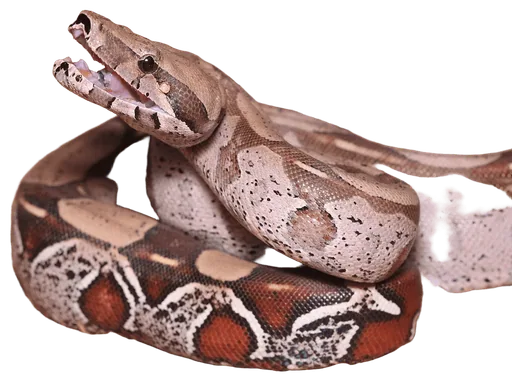 L vs Snapping TurtleWins · 52% · Toss-up
 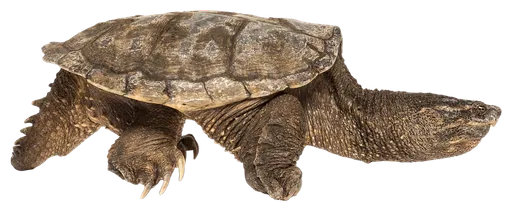 W vs Indian CobraLoses · 52% · Toss-up
 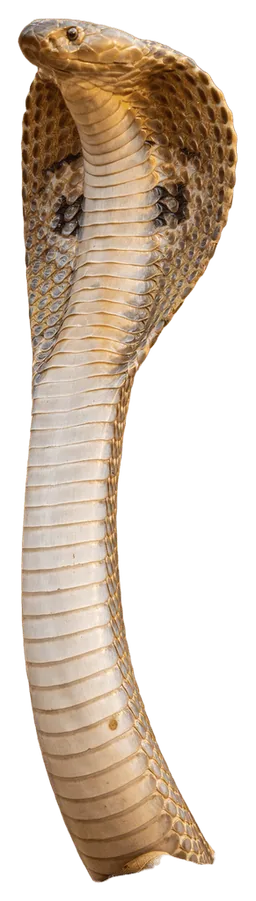 L vs Alligator Snapping TurtleLoses · 53% · Toss-up
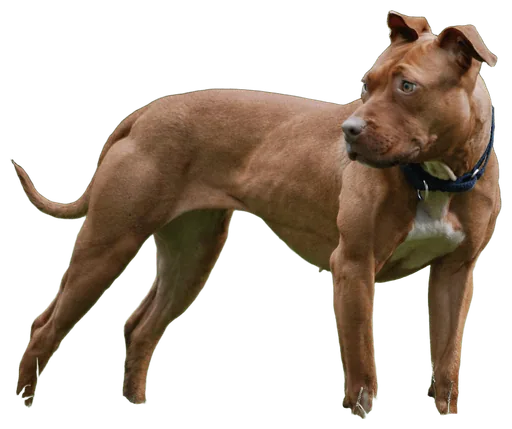
 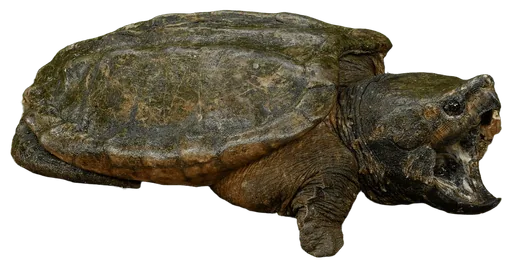 L vs American Pit Bull TerrierLoses · 50% · Toss-up
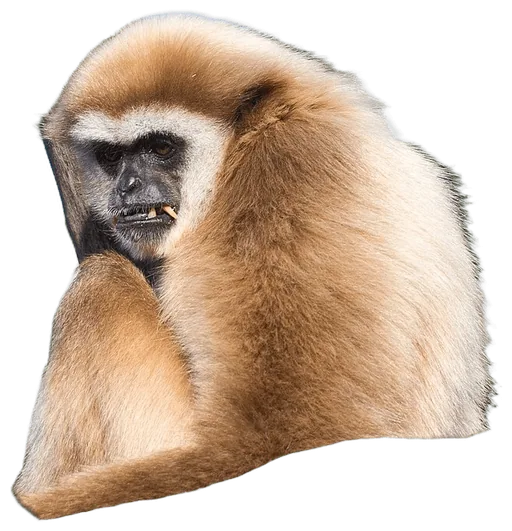
  L vs GibbonLoses · 50% · Toss-up
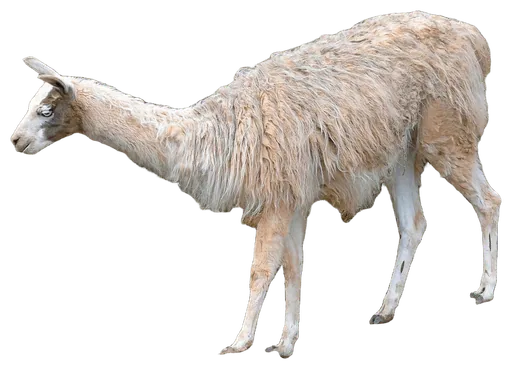
  L vs LlamaLoses · 50% · Toss-up
  L vs WarthogLoses · 50% · Toss-up
  L
L  Pick any opponent
 Russell's Viper battle analysis
Russell's viper is built around one devastating weapon. At about 1.2 m and 1.3 kg it is a mid-sized viper, slow when it moves and usually content to lie still in grass or farmland. But its hinged fangs are around 16.5 mm long, and a typical adult carries about 100 mg of venom that activates clotting factors X and V, draining the blood of its ability to clot and damaging kidneys and blood vessels.
When disturbed it does not simply flee. It pulls its body into S-loops, raises the front third of its body and produces a hiss often called the loudest of any snake. If the threat continues, it strikes with enough force that a large snake can lift off the ground, sometimes holding on for several seconds. This forceful strike is behind the myth that it chases people.
In battle terms, Russell's viper has one of the strongest venom weapons among the roster's vipers, stronger in delivery than a rattlesnake of similar size. Everything else is modest: little strength, no armor, slow movement and an ectotherm's limited stamina. It wins fights that come to it, and loses fights where the opponent can stay out of reach or crush it first.
Habitat & range
Russell's viper lives in India, Sri Lanka, Pakistan, Nepal and Bangladesh, and possibly Bhutan. It avoids dense forest and very humid places such as swamps and rainforest, preferring open grassy or bushy areas, scrub, plantations and farmland in plains, coastal lowlands and hills. It is common in parts of Punjab, the west coast and southern India, and is often found near settlements because of the rodents that live around people.
Diet & hunting
Adults eat mainly rodents; juveniles eat lizards and forage actively. Other prey include small reptiles, land crabs, scorpions and other arthropods. Radio-tracking in a rural Indian community found people within 50 m of a tagged viper in about 17% of 2,066 locations, showing how closely the species lives alongside humans.
Social life
Solitary.
Conservation
Listed as Least Concern on the IUCN Red List (2021 assessment, as reported by Wikipedia). It is common across much of its range.
Quick answers
How strong is a Russell's Viper?
On the Animal Battle Stats scale, the Russell's Viper has an attack rating of 62 and a power index of 50.1 out of 100, which ranks it #183 of 341 animals and puts it in C tier (Capable). Its strongest stat is special (93).
How much does a Russell's Viper weigh?
A typical adult Russell's Viper weighs about 1.3 kg (3 lb). Rated specimen: healthy adult, 1.3 kg and 120 cm total length, sex unspecified.
How fast is a Russell's Viper?
There is no reliable measured top speed for the Russell's Viper, so we do not publish one. Its agility rating, which covers acceleration, reflexes and evasion, is 62 out of 100.
What does a Russell's Viper eat?
Adults eat mainly rodents; juveniles eat lizards and forage actively. Other prey include small reptiles, land crabs, scorpions and other arthropods. Radio-tracking in a rural Indian community found people within 50 m of a tagged viper in about 17% of 2,066 locations, showing how closely the species lives alongside humans.
Is the Russell's Viper endangered?
No. The Russell's Viper is listed as Least Concern. Listed as Least Concern on the IUCN Red List (2021 assessment, as reported by Wikipedia). It is common across much of its range.
What animals can beat a Russell's Viper?
Among its closest rivals, the Boa Constrictor (50%), the Indian Cobra (52%), the Alligator Snapping Turtle (53%), the American Pit Bull Terrier (50%), the Gibbon (50%), the Llama (50%), the Warthog (50%) would be favored against the Russell's Viper. It would be favored against the Snapping Turtle.
Researched 2026-09-28. Ratings are editorial judgments built from these sources; measurements describe a healthy adult.
- Wikipedia, Russell's viperlength, fangs, habitat, behavior, hiss, reproduction, diet, venom, clinical effects, dRVVT, IUCN status
- Reptile Database, Daboia russeliitaxonomy, distribution, size, reproduction, medical importance
- Gond et al. 2025, PLoS NTD, "Hiss and tell"venom yield, sex effect
- Gond et al. 2025 full text (PMC)potency
- Senji Laxme et al. 2021, PLoS NTDvenom variation, human impact
- Glaudas 2021, Ecological Applicationsecology near people
- Mohapatra et al. 2011, PLoS NTD, Million Death Studyhuman impact
- Suraweera et al. 2020, eLifehuman impact
- AnAge, Daboia russeliimass, longevity
Photo: “Daboia russelii A Chawla01.jpg” by AChawla, CC BY-SA 3.0, background removed and cropped. Original
Suggest a correction