

Rottweiler
Canis familiaris
 #157 of 341
  Forest Bruiser Domesticated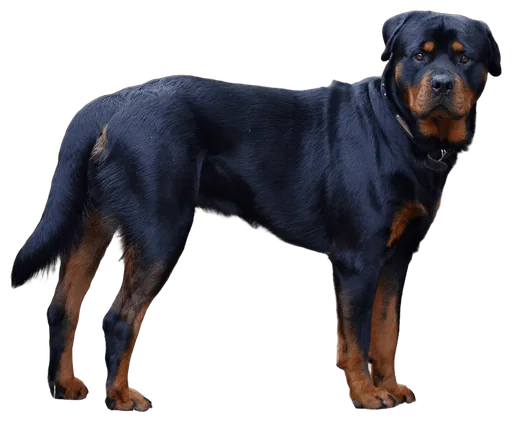
 Fight
FightPhoto: Phil Sangwell from United Kingdom · CC BY 2.0
The Rottweiler is a compact, heavily muscled 50 kg German drover and guard dog. It fights with a strong grip and shoulder-driving power and will challenge the dominant animal head-on, putting it close to the Kangal and Gray Wolf in attack, but it has no armor, a short coat and is heavily outclassed by bears and big cats.
 Attack52
  Defense43
  Agility56
  Stamina62
  Intelligence62
  Special45
 Detailed ratings
Research-backed ratings on one 0–100 scale for all 341 animals (updated 2026-09-28). How ratings work
Special abilities
Ability 1Dominant-Animal ChallengeWhen driving cattle it singles out the dominant animal and challenges it with an intimidating charge. In a matchup it goes straight at the main threat instead of circling.
 Ability 2Shoulder Drive
Pushes and moves stock with its body and shoulders as well as its teeth, using its compact 50 kg mass to shove an opponent off balance.
Unique traits
 TraitRottweil Butcher's Dog
Named after the town of Rottweil, where butchers kept these dogs to drive cattle and pull meat carts to market.
TraitBlack-and-Tan PowerhouseA compact, stalwart dog, black with sharply defined rich tan markings on the cheeks, muzzle, chest and legs, with a broad head and 42-tooth scissor bite.
How it fights
Weapons
- The weapon is the canid bite on a broad, powerful head with full 42-tooth dentition. The Rottweiler is compact and heavily muscled, and when working cattle it uses its body and shoulders as well as its teeth. As a guard and police dog it is trained to grip and hold.
 Struggles vs
- No armor; short coat.
- Heavier and slower to turn than working shepherds.
- Short average lifespan and common elbow and hip dysplasia.
- Far outmatched by bears, big cats and large ungulates.
- Weight
- 50 kg110 lb
- Height
- 65 cm25.6 in
- Length
- 72 cm28.3 in
- Top speed
- No reliable measurement
- Bite force
- No reliable measurement
- Lifespan
- 9 years
- Home biome
- Forest
- Lifestyle
- Social
Rated specimen: Healthy adult male, 50.0 kg, 65.0 cm at the withers.
Fun facts
- Its German name, Rottweiler Metzgerhund, means "Rottweil butchers' dog".
- The FCI standard says Rottweilers were officially recognized as police dogs in 1910.
- The breed's home club, the ADRK, was formed in 1921 when several German Rottweiler clubs merged.
- A working Rottweiler moving cattle picks out the dominant animal and challenges it.
- The viral "328 PSI" bite figure is a television force measurement relabelled as pressure.
- The FCI standard describes the Rottweiler as a trotting dog and faults sluggish movement at the trot.
Closest rivals by power. Tap one for the full breakdown, or pick any opponent.
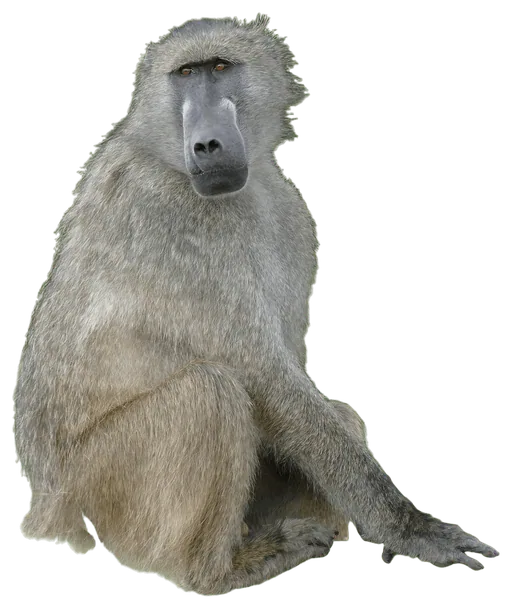
vs CoyoteWins · 50% · Toss-up 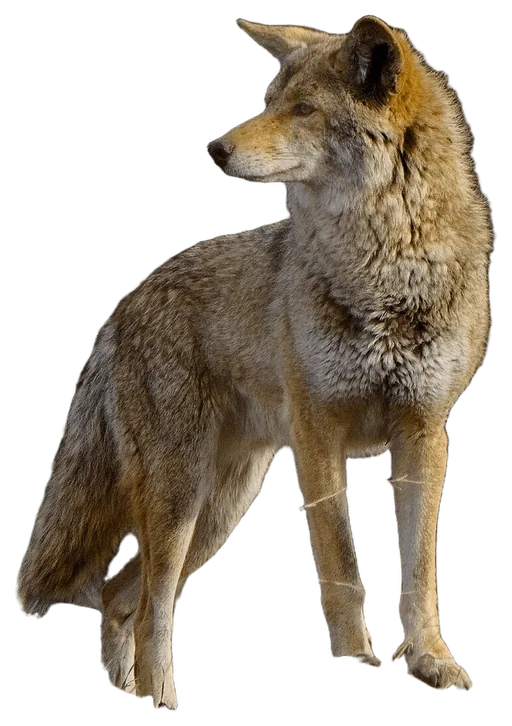 W vs BaboonLoses · 50% · Toss-up
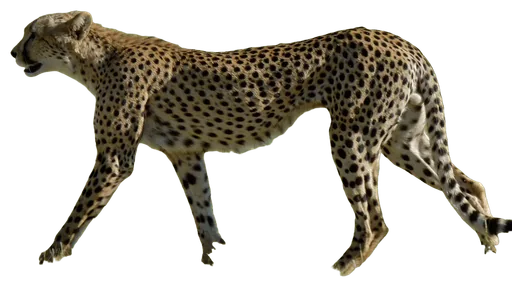
  L vs CheetahWins · 51% · Toss-up
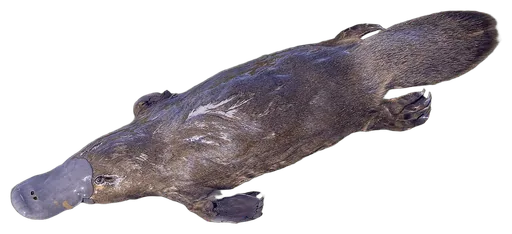
  W vs PlatypusWins · 52% · Toss-up
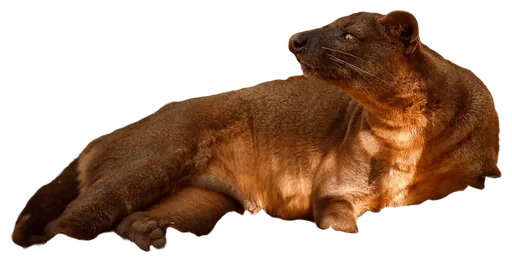
  W vs FossaWins · 51% · Toss-up
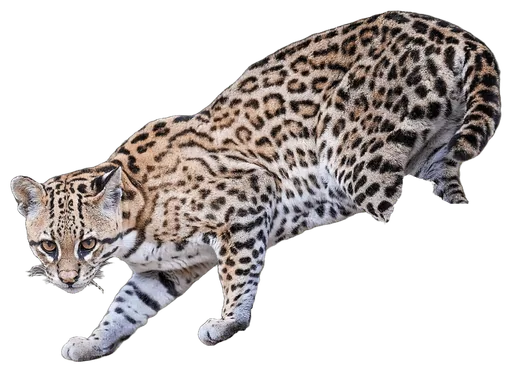
  W vs OcelotLoses · 51% · Toss-up
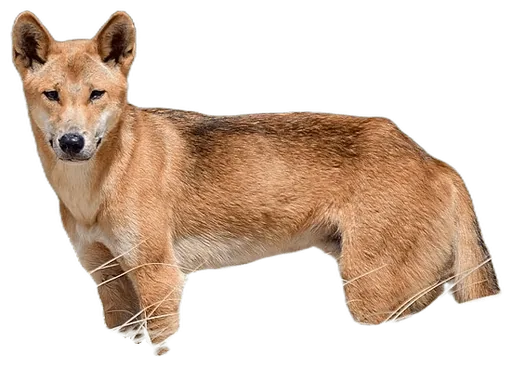
  L vs DingoLoses · 52% · Toss-up
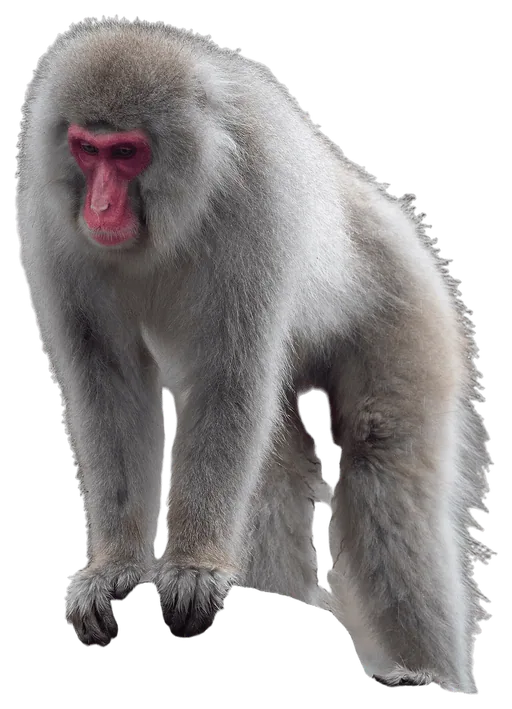
  L vs Japanese MacaqueWins · 52% · Toss-up
  W
W  Pick any opponent
 Rottweiler battle analysis
The Rottweiler takes its name from Rottweil in southern Germany, where butchers used powerful black-and-tan dogs to drive cattle to market and pull carts of meat. When German police began testing breeds in the early 1900s, the Rottweiler proved so suitable that it was officially recognized as a police dog in 1910. A male weighs about 50 kg and stands about 65 cm tall, compact and heavy-boned with a broad head.
Its working style is direct. When moving cattle it picks out the dominant animal and challenges it with an intimidating charge, using its body and shoulders to push stock around. As a guard and police dog it is trained to grip and hold. That combination of mass, muscle and willingness to confront much larger animals gives it one of the stronger attack ratings among dog breeds.
It is still a 50 kg dog. It is heavier but less agile than working shepherds, lacks the long protective coat of mountain guardian breeds, and is prone to elbow and hip dysplasia and a short life. Against light wild canids it holds a clear edge; against a wolf or a heavy guardian dog it is an even contest; against bears, big cats and large hoofed animals it is simply too small.
Habitat & range
A domestic breed from southern Germany, now kept worldwide in homes, farms, police units and guard work.
Diet & hunting
Fed by its owners on commercial dog food, meat and household scraps.
Social life
Devoted to its family and handler, calm at home, and watchful toward strangers.
Conservation
Not applicable as a wild species; it is a Domesticated breed.
Quick answers
How strong is a Rottweiler?
On the Animal Battle Stats scale, the Rottweiler has an attack rating of 52 and a power index of 51.8 out of 100, which ranks it #157 of 341 animals and puts it in C tier (Capable). Its strongest stat is stamina (62).
How much does a Rottweiler weigh?
A typical adult Rottweiler weighs about 50 kg (110 lb). Rated specimen: healthy adult male, 50.0 kg, 65.0 cm at the withers.
How fast is a Rottweiler?
There is no reliable measured top speed for the Rottweiler, so we do not publish one. Its agility rating, which covers acceleration, reflexes and evasion, is 56 out of 100.
What does a Rottweiler eat?
Fed by its owners on commercial dog food, meat and household scraps.
Is the Rottweiler endangered?
The Rottweiler's conservation status is Domesticated. Not applicable as a wild species; it is a Domesticated breed.
What animals can beat a Rottweiler?
Among its closest rivals, the Baboon (50%), the Ocelot (51%), the Dingo (52%) would be favored against the Rottweiler. It would be favored against the Coyote, the Cheetah, the Platypus, the Fossa, the Japanese Macaque.
Researched 2026-09-28. Ratings are editorial judgments built from these sources; measurements describe a healthy adult male.
- FCI Standard No. 147, Rottweiler (2018)size, proportions, history, gait, colour, dentition
- Wikipedia, Rottweilersize summary, cattle work, lifespans, ADRK, aggression survey, dysplasia
- AKC, Rottweilersize and lifespan summary
- Wikipedia, German Shepherd (bite and jaw force section)television bite figures
- McMillan et al. (2024), Scientific Reports, Longevity of companion dog breedslifespan
- Sacks et al. (2000), JAVMA, Breeds of dogs involved in fatal human attacks 1979–1998human-attack statistics
- Patronek et al. (2013), JAVMA, 256 dog bite-related fatalities 2000–2009breed identification caveat
- Lindner et al. (1995), Measurement of bite force in dogs: a pilot studydog bite force context
- Ellis et al. (2008), Journal of Anatomydog bite force context
- Hebdon et al. (2025), Science Advances, Dog skull shape and performance specializationskull shape of bite-work breeds
Photo: “"Prince" (7369763074).jpg” by Phil Sangwell from United Kingdom, CC BY 2.0, background removed and cropped. Original
Suggest a correction