
Rhinoceros
Ceratotherium simum simumS tier · Apex10th of 163 mammals
Size & speed

- Weight
- 2.3 t2.5 US tons
- Length
- 3.8 m12.5 ft
- Top speed
- 40 km/h25 mph
As heavy as 1.5 cars
Heavier than 96% of animals2.2× a person's height
Bigger than 90% of animalsFaster than most people can sprint
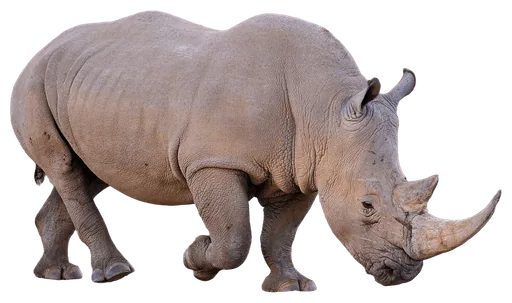
Faster than 41% of animalsThe white rhinoceros is a roughly 2.3-tonne territorial megaherbivore whose combat system is brutally simple: thick-bodied durability, a long keratin horn and enough short-range speed to drive that horn with enormous momentum. Strong smell, hearing and scent-based social recognition compensate for relatively poor vision.
Detailed ratings
Research-backed ratings on one 0–100 scale for all 344 animals (updated 2026-09-27). How ratings work


Card No. 18 of 344. Every animal on Animal Battle Stats has one: its power, tier and archetype on the front; its six battle stats, abilities and signature move on the back.
Special abilities
A long anterior keratin horn concentrates a short rush from roughly 2.3 tonnes into a penetrating, hooking or lifting contact point, with the second horn adding close-range structure.
Communal dung sites and urine marking form an olfactory information network; experiments show white rhinos discriminate sex and familiarity from dung, helping territorial awareness and opponent assessment.
Unique traits
The exceptionally broad, flexible grazing mouth specializes the species for cropping short grasses and distinguishes it ecologically from the hook-lipped black rhino.
Despite multi-tonne mass, Toronto Zoo reports a 24 km/h trot sustainable for at least 5 km and a short 40 km/h gallop, an unusual mobility profile for such a large land mammal.
How it fights
Weapons
- The primary weapon is the long anterior keratin horn, with the shorter posterior horn as secondary structure. A white rhino can thrust, hook, butt, shove and charge. The critical fact is not horn length alone: a pointed horn is driven by roughly 2.3 tonnes of body mass, a robust skull and enormous neck/shoulder musculature. Even a glancing body impact can be dangerous before the horn penetrates.
- White rhinos are grazers rather than biting predators. Their broad square lips and cheek teeth are feeding tools, so Attack should be based on charge momentum, horn delivery and close pushing rather than fabricated bite numbers.
Struggles vs
- No shell or rigid full-body armor.
- Eyes and other soft tissues remain vulnerable.
- Huge inertia limits fine evasive changes of direction.
- Limited manipulation and attack-angle variety compared with elephants or grappling predators.
- Direct horn-first fighting style can be predictable.
- Weight
- 2.3 t2.5 US tons
- Height
- 1.8 m5.9 ft
- Length
- 3.8 m12.5 ft
- Top speed
- 40 km/h25 mph
- Bite force
- No reliable measurement
- Lifespan
- 40 years
- Home biome
- Savanna
- Lifestyle
- Mostly solitary
Rated specimen: ABS should use a healthy mature adult male.
Fun facts
- White rhinos are among the largest living land mammals, exceeded in mass mainly by elephants.
- Their name refers to the broad or wide mouth tradition, not white skin; the animals are gray.
- They have no incisors or canines, relying on high-crowned cheek teeth for grazing.
- Adult bulls use communal dung middens and may kick dung to amplify scent dispersal.
- Experiments show they can distinguish the sex and familiarity of other rhinos from dung odor.
- Their vocal repertoire includes grunts, hisses, pants and snorts, with some call types individually distinctive.
Closest rivals by power. Tap one for the full breakdown, or pick any opponent.
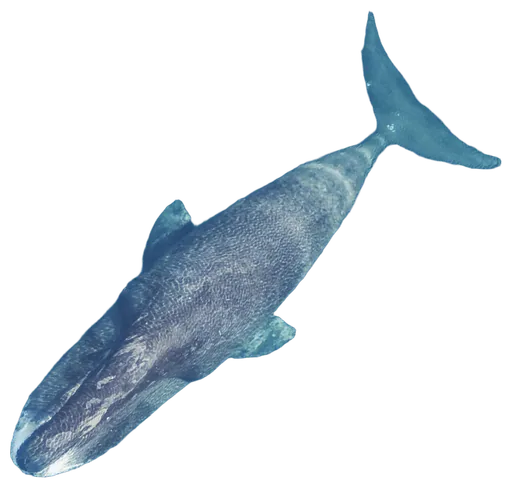
vs Fin WhaleLoses · 67% · Slight edge 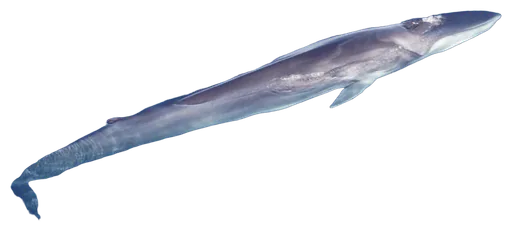 L vs Bowhead WhaleLoses · 70% · Clear edge
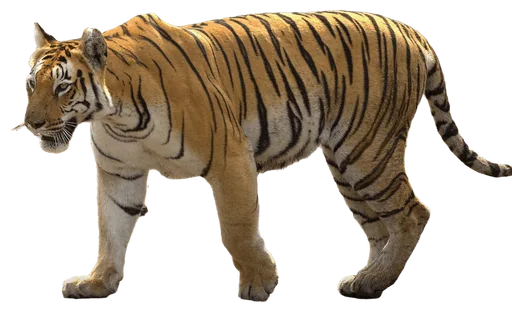
 L vs Bengal TigerWins · 65% · Slight edge
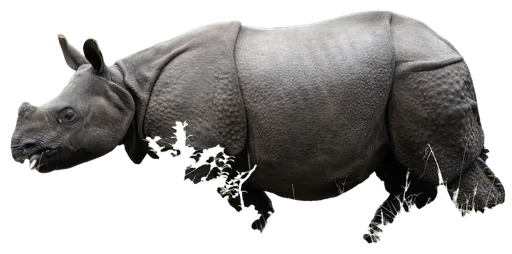
 W vs Indian RhinocerosWins · 52% · Toss-up
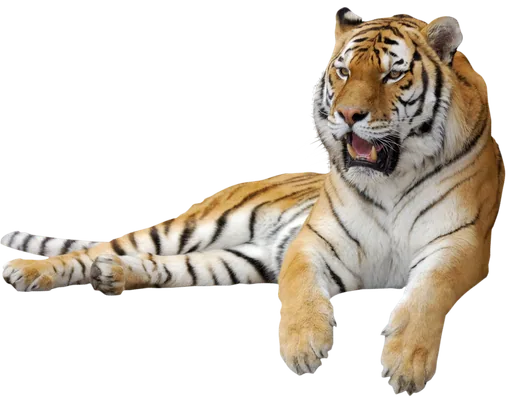
 W vs Siberian TigerWins · 65% · Slight edge
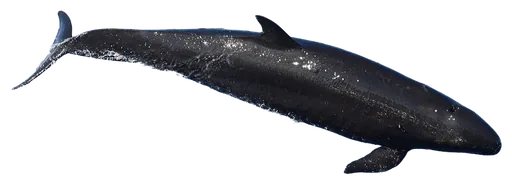
 W vs False Killer WhaleWins · 51% · Toss-up
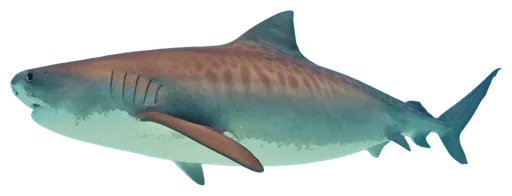
 W vs Tiger SharkWins · 59% · Slight edge
 W vs HippopotamusLoses · 52% · Toss-up
 L
Rhinoceros battle analysis
The generic ABS Rhinoceros slot is best represented by the southern white rhinoceros, leaving the smaller, browsing black rhinoceros as its own distinct entry. A mature bull is among the heaviest living terrestrial fighters in the roster. Its front horn supplies reach and penetration, but the decisive multiplier is the animal behind it: roughly 2.3 tonnes of bone, muscle and body depth moving at a short gallop near 40 km/h.
That scale should not be mistaken for clumsiness. White rhinos can trot rapidly for kilometers, patrol territories and pivot into short charges. Their fine evasiveness is limited by inertia, but they do not need cat-like agility to dominate a frontal ground exchange. Defense likewise comes from bulk and tough tissue rather than fantasy armor. The hide is thick and the body deep, yet vulnerable eyes, limbs and soft regions remain real targets.
Their information system is quieter but biologically important. Adult bulls mark territories with urine and dung; communal middens carry social information, and experiments demonstrate recognition of sex and familiarity through odor. Vocal studies likewise show a richer social system than the stereotype of a solitary, unintelligent tank. ABS therefore gives the species competent Senses and Intelligence while reserving its elite scores for the categories actually supported by physics: Raw Power, Weaponry, Attack, Toughness and Defense.
Habitat & range
Southern white rhinos occupy open savannas and grasslands in southern and parts of eastern Africa, primarily in managed and protected populations. Their ecology depends on productive short-grass grazing, access to water, shade and wallows.
Diet & hunting
They are specialized bulk grazers. The broad square mouth crops short grasses, and their large-scale grazing can modify grass structure, pathways and nutrient distribution. Dung middens also concentrate chemical and nutrient information in the landscape.
Social life
Southern white rhinos are the most social living rhinoceroses. Adult bulls are usually solitary and territorial, sometimes tolerating subordinate satellite males. Females can form temporary associations with other females and subadults, and mother-offspring bonds are prolonged. Peer-reviewed acoustic work identifies roughly 10-11 call types and individually distinctive calls.
Conservation
The southern white rhinoceros remains conservation-dependent and heavily affected by horn poaching. The northern white rhinoceros has been reduced to only a tiny nonbreeding remnant, reinforcing why the southern subspecies is the representative living population for this generic roster slot. Conservation status and population estimates can change and should be refreshed at migration time from IUCN/recognized rhino authorities.
Quick answers
How strong is a Rhinoceros?
On the Animal Battle Stats scale, the Rhinoceros has an attack rating of 86 and a power index of 72.5 out of 100, which ranks it #18 of 344 animals and puts it in S tier (Apex). Its strongest stat is attack (86).
How much does a Rhinoceros weigh?
A typical adult Rhinoceros weighs about 2.3 t (2.5 US tons). Rated specimen: ABS should use a healthy mature adult male.
How fast is a Rhinoceros?
The Rhinoceros's top speed is about 40 km/h (25 mph). Its agility rating is 56 out of 100.
What does a Rhinoceros eat?
They are specialized bulk grazers. The broad square mouth crops short grasses, and their large-scale grazing can modify grass structure, pathways and nutrient distribution. Dung middens also concentrate chemical and nutrient information in the landscape.
What animals can beat a Rhinoceros?
Among its closest rivals, the Fin Whale (67%), the Bowhead Whale (70%), the Hippopotamus (52%) would be favored against the Rhinoceros. It would be favored against the Bengal Tiger, the Indian Rhinoceros, the Siberian Tiger, the False Killer Whale, the Tiger Shark.
Researched 2026-09-27. Ratings are editorial judgments built from these sources; measurements describe a healthy adult male.
- Animal Diversity Web, Ceratotherium simumadult mass/length, male-biased size, skin thickness, horns, reproduction, senses, social behavior
- San Diego Zoo, White Rhinocerosbody scale, average longevity, conservation/life history
- San Diego Zoo, Rhinoceroscomparative white-rhino size, lifespan context
- Toronto Zoo, White rhinoceros40 km/h gallop, 24 km/h trot sustained >=5 km, horn dimensions, hearing
- SeaWorld, White Rhinoceros1.7-1.9 m shoulder, 3.25-4.25 m length, 25-45 y lifespan, sex size difference
- Cinková & Policht, Animal Cognition (2015)wild rhinos discriminate sex/familiarity from dung; olfactory social information
- Kretzschmar et al., proximity-based vocal networkssemi-social system, territorial adult males, female groups, vocal repertoire
- Cinková et al., individual call distinctivenessadult bull/female social structure and individual vocal information
- Boy et al., Journal of Zoology (2015)horn development/structure
- Commons male white rhinoexact species, male sex, 3798x2848 source, license/provenance
- Commons adult southern white rhino Quality Imageexact southern subspecies, explicit adult, 6000x4000, CC BY-SA 4.0
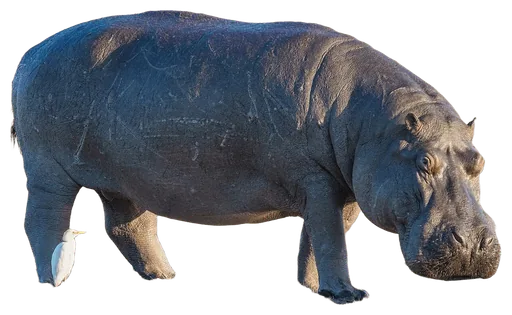
Photo: “109 Male White rhinoceros walking in the Kalahari Desert of Namibia Photo by Giles Laurent.jpg” by Giles Laurent, CC BY-SA 4.0, background removed and cropped. Original
Suggest a correction