
Reindeer
Rangifer tarandusA tier · Elite32nd of 163 mammals
Size & speed

- Weight
- 170 kg375 lb
- Length
- 2 m6.6 ft
As heavy as 2.4 people
Heavier than 77% of animalsAbout as long as a person is tall
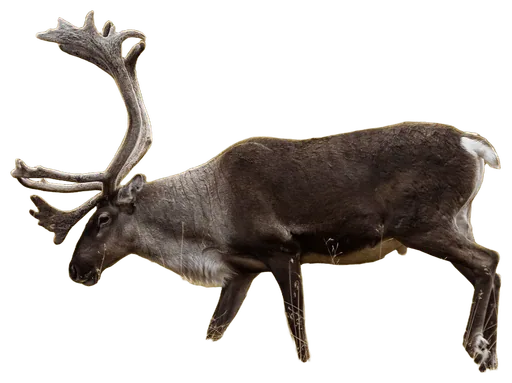
Bigger than 71% of animalsReindeer are large, cold-hardy deer built around endurance, traction and seasonal survival. A mature bull combines a 170 kg body with a long branched antler rack, broad snow-ready hooves and elite migration stamina. Its attack is dangerous rather than apex-predator level, while its strongest ABS advantages are endurance and a remarkable Arctic sensory/physiological toolkit.
Detailed ratings
Research-backed ratings on one 0–100 scale for all 344 animals (updated 2026-09-27). How ratings work


Card No. 56 of 344. Every animal on Animal Battle Stats has one: its power, tier and archetype on the front; its six battle stats, abilities and signature move on the back.
Special abilities
Broad splaying hooves support soft-ground travel while seasonally changing footpads expose harder/sharper hoof margins in winter, improving purchase on snow and frozen terrain.
UV-permissive ocular media and strong short-wavelength performance can increase contrast of biologically relevant objects against snow in Arctic twilight.
Unique traits
Mature bulls wield exceptionally large antlers relative to body size, using the branching rack with neck and body force in direct male contests.
Rangifer populations perform some of the longest documented terrestrial mammal migrations, reflecting unusually strong sustained movement capacity.
How it fights
Weapons
- The bull's antlers are the primary weapon. During the rut, males posture, clash racks, push, twist and attempt to displace rivals. The broad branching structure gives reach, leverage and multiple contact points rather than functioning as a single spear. At roughly 170 kg, a charging or shoving bull can transmit substantial body momentum. Hooves are meaningful secondary weapons and provide stable drive on soft, snowy or frozen terrain.
Struggles vs
- No true armor and vulnerable legs/flanks.
- Antlers are seasonal and can be cumbersome in confined terrain.
- Herbivore jaws are not a serious killing weapon.
- Rutting males can enter periods of reduced condition after intense reproductive expenditure.
- Large predators with grappling bites can bypass the antler threat if they reach the body.
- Weight
- 170 kg375 lb
- Height
- 1.2 m3.9 ft
- Length
- 2 m6.6 ft
- Top speed
- No reliable measurement
- Bite force
- No reliable measurement
- Lifespan
- 15 years
- Home biome
- Arctic
- Lifestyle
- Social
Rated specimen: Healthy prime adult male, represented at 170.0 kg, 120.0 cm shoulder height, and 200.0 cm head-body length.
Fun facts
- Reindeer are the only living deer species in which females commonly grow antlers as well as males.
- Mature bulls can carry one of the largest antler systems relative to body size among living deer.
- Some Rangifer populations exceed 1,000 km in round-trip seasonal migration.
- Their eyes transmit ultraviolet wavelengths that human eyes largely block.
- Winter and summer feet differ functionally as the pads change with season.
- Hollow guard hairs provide insulation and also aid buoyancy.
Closest rivals by power. Tap one for the full breakdown, or pick any opponent.
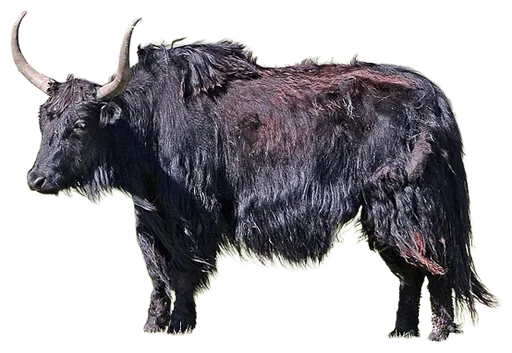
vs GorillaLoses · 51% · Toss-up 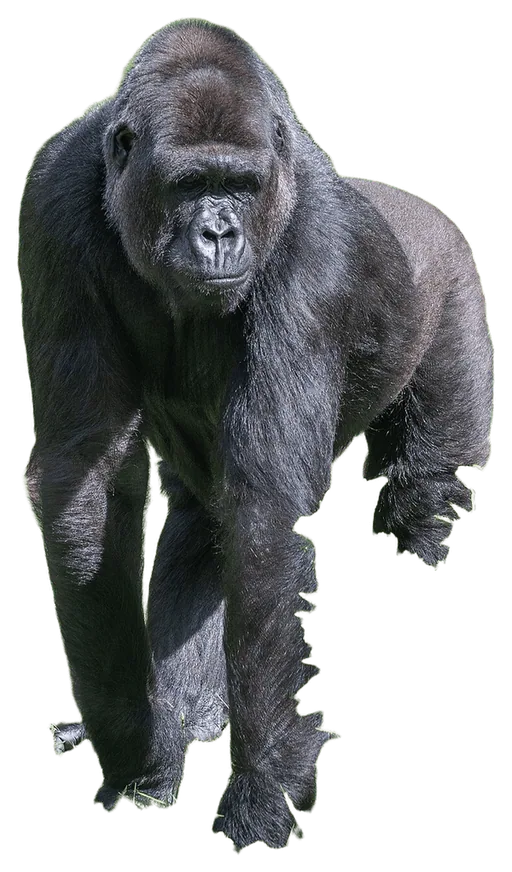 L vs YakLoses · 57% · Toss-up
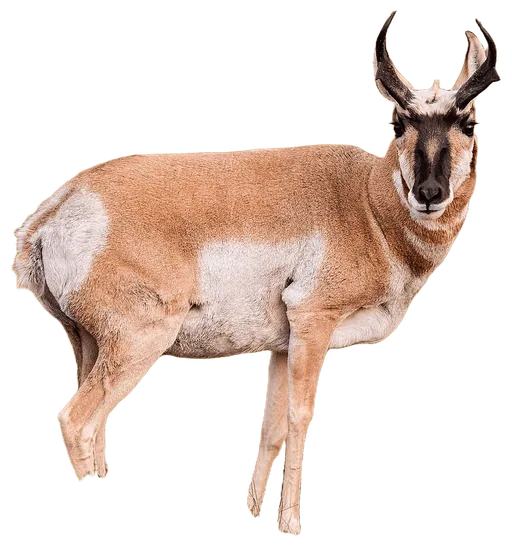
 L vs PronghornWins · 56% · Toss-up
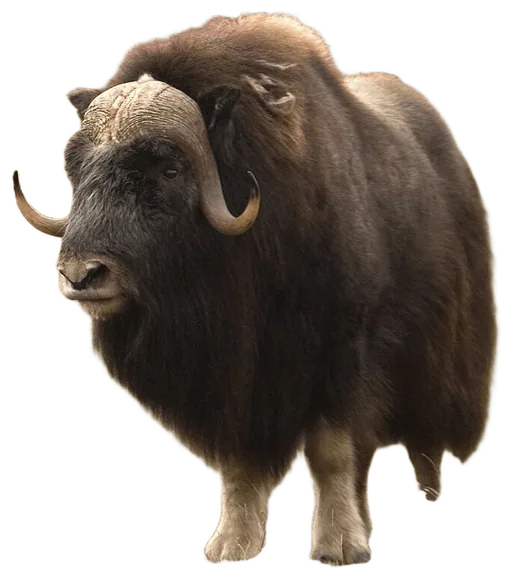
 W vs Musk OxLoses · 55% · Toss-up
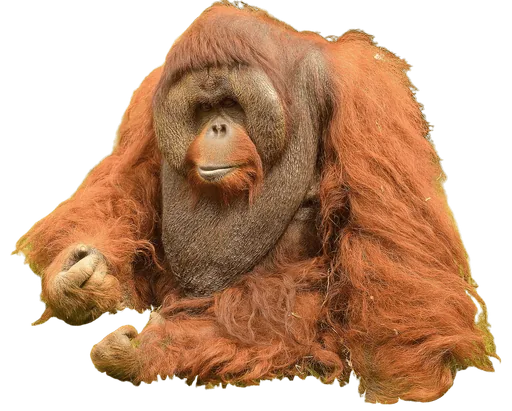
 L vs OrangutanWins · 55% · Toss-up
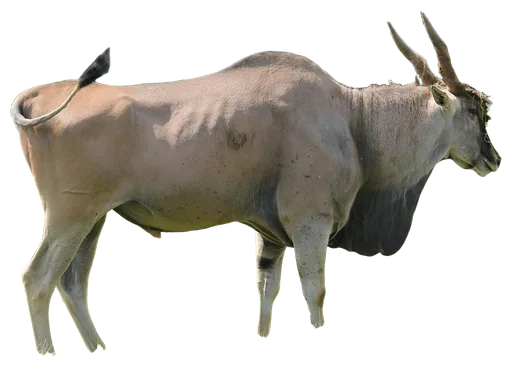
 W vs Common ElandLoses · 57% · Toss-up
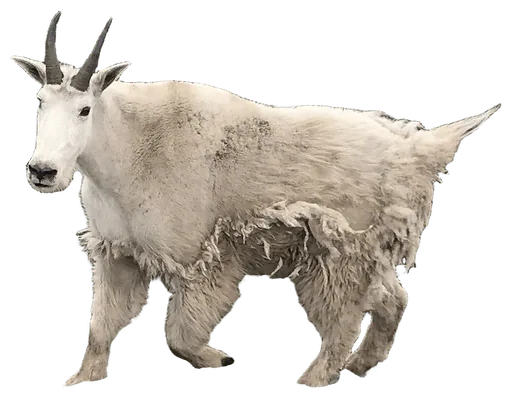
 L vs Mountain GoatWins · 54% · Toss-up
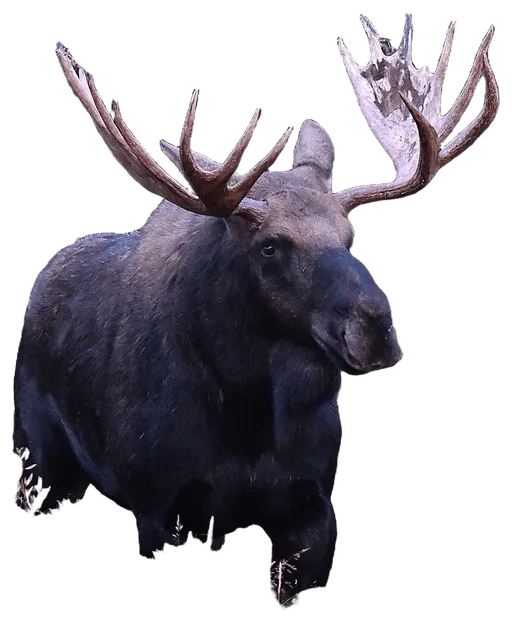
 W vs MooseLoses · 55% · Toss-up
 L
Reindeer battle analysis
A prime bull reindeer is not merely a deer wearing oversized antlers. Its entire body is configured for movement through an environment that punishes ordinary feet, ordinary insulation and ordinary endurance. Broad hooves spread over snow and bog, seasonal foot changes improve winter purchase, hollow guard hairs trap insulating air, and respiratory physiology helps control heat exchange. In the rut that survival machine becomes a fighter. A mature male lowers a rack approaching a metre or more in beam length, meets another bull head-on and converts neck, shoulder and body mass into leverage through interlocked antlers. That makes the reindeer dangerous to animals that must approach from the front, but it is not armored and does not possess a carnivore's finishing bite. Its legs and flanks remain vulnerable once a predator bypasses the rack. ABS should therefore keep Attack and Defense in the large-ungulate middle while giving Stamina elite placement and Special strong credit for the species' unusually integrated cold, traction and sensory biology.
Habitat & range
Circumpolar across Arctic, subarctic and boreal Eurasia and North America, with wild, feral, domesticated and semi-domesticated populations. Ecotypes include tundra migrants, forest forms and smaller high-Arctic populations.
Diet & hunting
Primarily herbivorous. Summer diet includes grasses, sedges, willow/birch leaves, fungi and other vegetation. Lichens become especially important in winter. Reindeer dig through snow to reach forage and use keen smell plus visual cues to locate feeding patches.
Social life
Highly social, often forming herds whose size changes seasonally. Many populations aggregate during migration and calving. During the rut, mature bulls compete for mating access through display and antler contests.
Conservation
Global assessments have treated Rangifer tarandus as Vulnerable with a decreasing trend, while regional status varies greatly among populations and taxonomic units. Major pressures include habitat fragmentation, industrial development, climate-driven ecological change, disturbance and altered predator-prey systems.
Quick answers
How strong is a Reindeer?
On the Animal Battle Stats scale, the Reindeer has an attack rating of 55 and a power index of 62 out of 100, which ranks it #56 of 344 animals and puts it in A tier (Elite). Its strongest stat is stamina (93).
How much does a Reindeer weigh?
A typical adult Reindeer weighs about 170 kg (375 lb). Rated specimen: healthy prime adult male, represented at 170.0 kg, 120.0 cm shoulder height, and 200.0 cm head-body length.
How fast is a Reindeer?
There is no reliable measured top speed for the Reindeer, so we do not publish one. Its agility rating, which covers acceleration, reflexes and evasion, is 66 out of 100.
What does a Reindeer eat?
Primarily herbivorous. Summer diet includes grasses, sedges, willow/birch leaves, fungi and other vegetation. Lichens become especially important in winter. Reindeer dig through snow to reach forage and use keen smell plus visual cues to locate feeding patches.
Is the Reindeer endangered?
The Reindeer's conservation status is Vulnerable. Global assessments have treated Rangifer tarandus as Vulnerable with a decreasing trend, while regional status varies greatly among populations and taxonomic units. Major pressures include habitat fragmentation, industrial development, climate-driven ecological change, disturbance and altered predator-prey systems.
What animals can beat a Reindeer?
Among its closest rivals, the Gorilla (51%), the Yak (57%), the Musk Ox (55%), the Common Eland (57%), the Moose (55%) would be favored against the Reindeer. It would be favored against the Pronghorn, the Orangutan, the Mountain Goat.
Researched 2026-09-27. Ratings are editorial judgments built from these sources; measurements describe a healthy adult male.
- taxonomy, dimensions, population variation, coat, lifespanmales 65–240 kg, 70–130 cm, ~2 m; females smaller; hollow winter hair
- dimensions, dimorphism, antlers, hoovesbulls 185–210 cm, 90–135 cm, post-rut 65–170 kg; antlers 90–120 cm commonly; seasonal footpads
- body-mass seasonality4,798 adult free-range Alaska reindeer measured; adult male mass changes seasonally
- growth/body measurementsthousands of semi-domesticated reindeer measured across age/season
- sustained exercise, thermal physiologyreindeer ran 9.2 km/h for 40 min under -30/0/25 C trials
- winter movementGPS-collared females averaged ~6.2 km/day in winter sampling
- migration/endurancecaribou/reindeer dominated longest terrestrial migrations; only taxa in review exceeding 1,000 km RTD besides one wolf population
- UV visual ecologyocular media transmit UV; plants showed greater contrast against snow in UV images
- visual nuancestrong short-wavelength performance but no conclusive uniquely boreal photoreceptor specialization
- diet, smell, herd defensevariable herbivorous diet, winter lichens, keen smell, herd vigilance
- nasal heat exchangeexpired-air temperature/nasal heat exchange under central thermoregulatory control
- image provenanceexact species, 5908×3939, CC BY-SA 4.0, wild Denali photograph, Quality Image
Photo: “Caribú (Rangifer tarandus), Parque nacional y reserva Denali, Alaska, Estados Unidos, 2017-08-30, DD 40.jpg” by Diego Delso, CC BY-SA 4.0, background removed and cropped. Original
Suggest a correction