
Red Fox
Vulpes vulpesC tier · Capable109th of 163 mammals
Size & speed

- Weight
- 7.2 kg16 lb
- Length
- 1.05 m3.4 ft
- Top speed
- 48 km/h30 mph
As heavy as 1.6 house cats
Heavier than 42% of animalsAbout 3.5 rulers long
Bigger than 48% of animalsFaster than Usain Bolt (44.7 km/h)
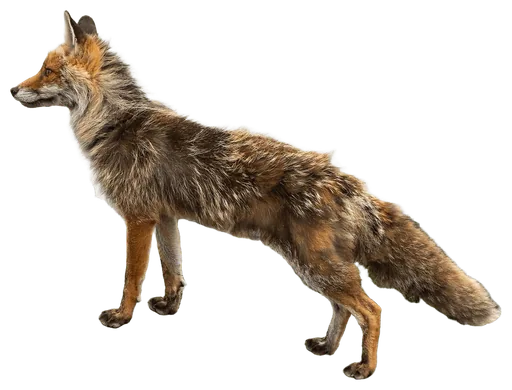
Faster than 53% of animalsThe Red Fox is a roughly 7.2 kg male canid built around speed, hearing, precision pouncing and behavioral flexibility rather than brute force. Its bite is dangerous to prey-sized animals, but its strongest ABS advantages are agility, senses, versatile tactics and an unusual directional mousing effect observed in wild hunting trials.
Detailed ratings
Research-backed ratings on one 0–100 scale for all 344 animals (updated 2026-09-27). How ratings work


Card No. 189 of 344. Every animal on Animal Battle Stats has one: its power, tier and archetype on the front; its six battle stats, abilities and signature move on the back.
Special abilities
Acute directional hearing and a high arcing mousing pounce allow the fox to attack small prey concealed by snow or vegetation, turning sound localization into a precise vertical strike.
Wild foxes in the Červený et al. study were markedly more successful on concealed prey when pouncing along a preferred magnetic axis. The behavioral effect is real evidence; magnetoreception as the causal range-finding mechanism remains a plausible hypothesis rather than a proven sensory pathway.
Unique traits
Extraordinary ecological flexibility lets the same species hunt and scavenge across tundra, forest edge, grassland, farmland, suburbs and major cities, changing diet and activity with local opportunity.
The large bushy tail contributes to balance during fast turns and jumps while also serving communication and thermal-cover roles, giving one structure several practical functions without treating it as armor.
How it fights
Weapons
- The bite is the real damaging system. A fox can seize, puncture and shake prey with its canines and process flesh with carnassials. Against prey-sized mammals this is effective; against medium predators or large animals, the 7.2 kg body mass and short jaw reach sharply limit absolute damage. Forepaws help pin, dig and stabilize, but the claws are not retractile killing weapons.
Struggles vs
- Low absolute body mass across the 225-animal roster.
- No passive armor.
- Short weapon reach.
- Bite is effective on small prey but not an armor-breaking weapon.
- Foreclaws are poor dedicated weapons.
- Weight
- 7.2 kg16 lb
- Height
- 40 cm15.7 in
- Length
- 1.05 m3.4 ft
- Top speed
- 48 km/h30 mph
- Bite force
- No reliable measurement
- Lifespan
- 3 years
- Home biome
- Forest
- Lifestyle
- Mostly solitary, nocturnal
Rated specimen: Healthy prime adult male, using a robust but representative Palearctic/European animal rather than a record specimen.
Fun facts
- A peer-reviewed field study recorded nearly 600 mousing jumps by 84 wild foxes while testing directional hunting bias.
- In that study, concealed-prey pounces near a preferred north-easterly magnetic direction succeeded much more often than pounces in other directions.
- Adult male mass can shift measurably with local population density even within the same geographic region.
- A 2,849-specimen dental study found males average larger teeth than females, with the greatest dimorphism in the canines.
- Red foxes can live in remote wilderness and dense cities using the same basic opportunistic ecological strategy.
- Their diet is not purely carnivorous: fruit, insects and other plant/animal foods can be important seasonally.
Closest rivals by power. Tap one for the full breakdown, or pick any opponent.
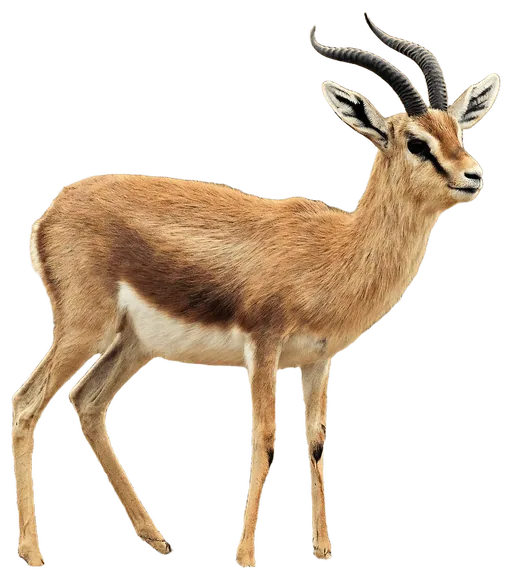
vs FisherWins · 52% · Toss-up 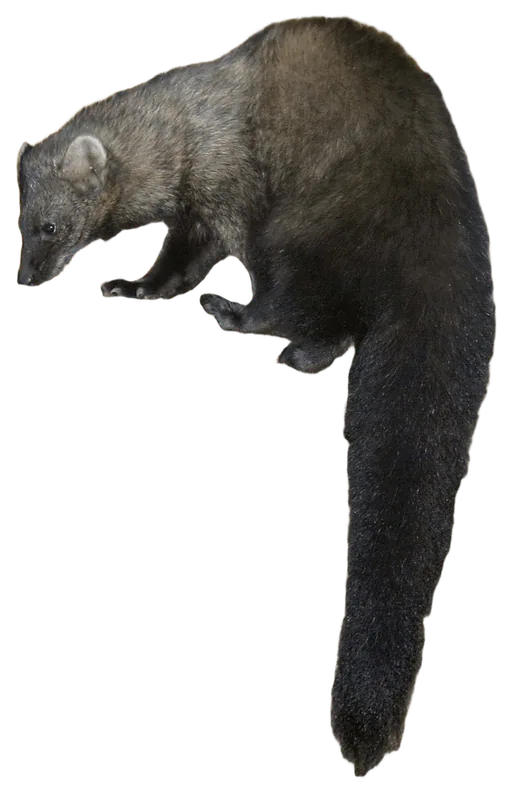 W vs GazelleLoses · 55% · Toss-up
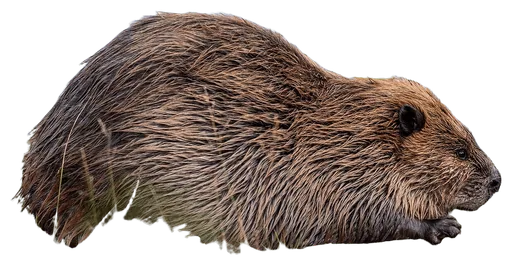
 L vs BeaverLoses · 56% · Toss-up
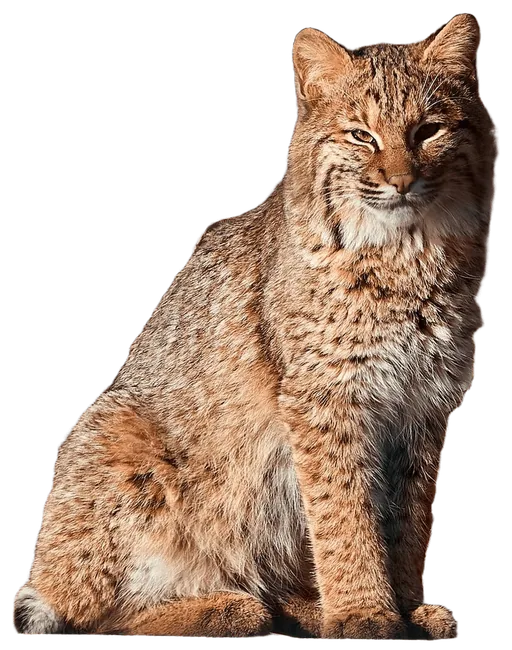
 L vs BobcatLoses · 53% · Toss-up
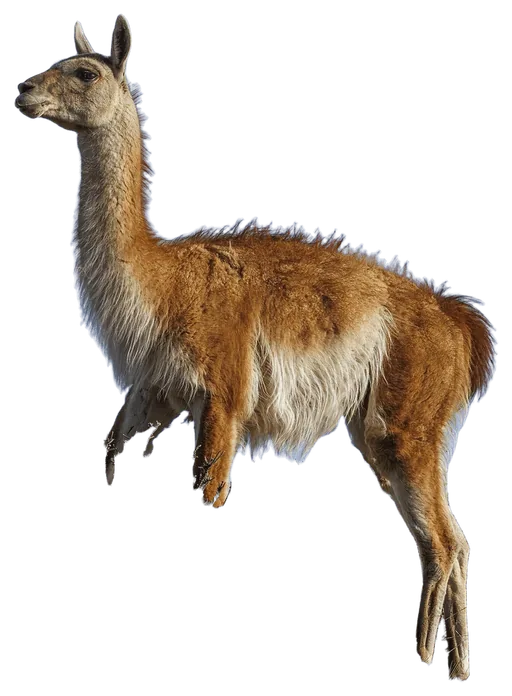
 L vs GuanacoLoses · 65% · Slight edge
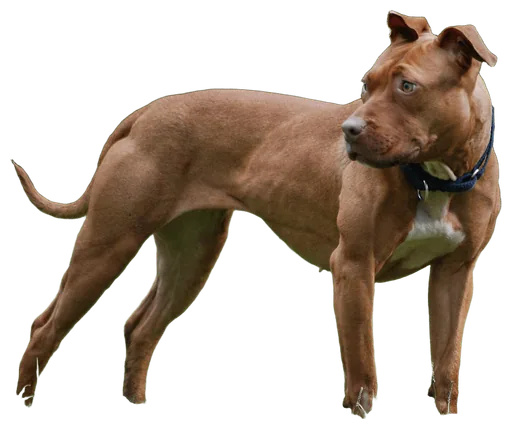
 L vs American Pit Bull TerrierLoses · 58% · Slight edge
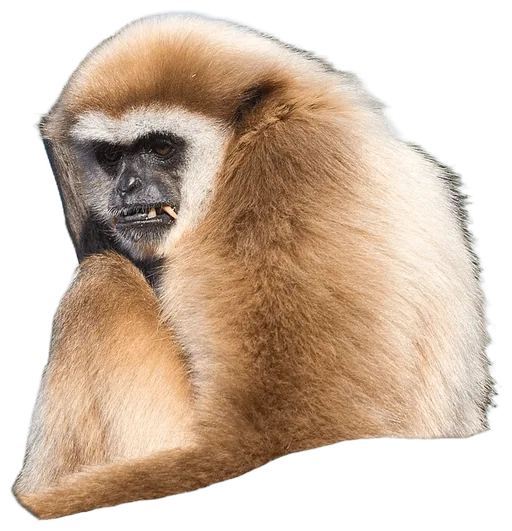
 L vs GibbonLoses · 51% · Toss-up
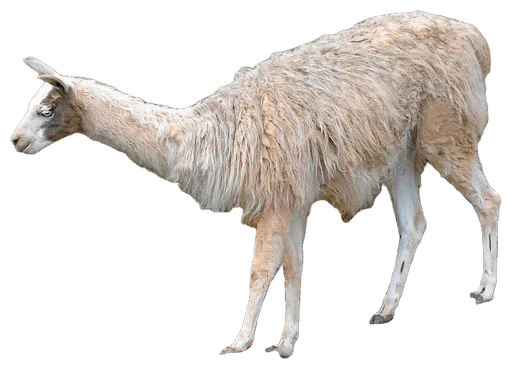
 L vs LlamaLoses · 68% · Slight edge
 L
Red Fox battle analysis
The red fox wins by finding angles, not by trading force. A healthy adult male is light enough to accelerate and turn quickly, equipped with a practical canid bite, acute ears and a hunting repertoire tuned to prey that may be invisible beneath vegetation or snow. The characteristic mousing leap converts auditory localization into a steep attack from above, and field observations show that the geometry of those pounces has a remarkable directional pattern correlated with hunting success.
That sophistication should not be mistaken for heavyweight combat power. At about 7 kg the fox remains a small carnivore. It has no armor, its claws are not dedicated killing tools, and an opponent large enough to absorb the first bite can force a contest the fox is poorly built to win. This is why its Agility, Senses, Tactics and Special values substantially exceed its Attack and Defense.
Its broader ecological story reinforces the same pattern. Red foxes prosper by changing behavior. They switch foods, cache surpluses, appropriate dens, patrol variable home ranges and exploit landscapes from tundra to cities. That versatility makes them difficult to surprise and excellent at choosing when and how to engage. In ABS terms, the Red Fox is a high-control small predator rather than a miniature wolf.
Habitat & range
Red foxes occupy an exceptionally broad Northern Hemisphere range across North America, Europe, Asia and parts of North Africa and have also been introduced to Australia. Habitats include forest and forest edge, grassland, tundra, mountains, agricultural landscapes, deserts and urban/suburban environments.
Diet & hunting
They are opportunistic omnivores. US Forest Service synthesis identifies small mammals, birds, fruit and insects as major foods, with voles, mice, rabbits/hares and other locally abundant prey often important. Carrion and human-associated food can also be exploited. This flexibility is central to the species' ecological success.
Social life
They are often described as solitary hunters, but social organization is flexible. Adults occupy territories/home ranges, and breeding units can include an adult male, one or more females and dependent young. Hunting is usually individual rather than pack-based. Scent marking and vocal/postural communication reduce the need for constant direct fights.
Conservation
The red fox is globally widespread and commonly assessed as Least Concern. Local management varies dramatically: it can be protected or valued as native wildlife in some regions, hunted/trapped in others, and intensively controlled as an invasive predator in Australia.
Quick answers
How strong is a Red Fox?
On the Animal Battle Stats scale, the Red Fox has an attack rating of 28 and a power index of 49.5 out of 100, which ranks it #189 of 344 animals and puts it in C tier (Capable). Its strongest stat is agility (82).
How much does a Red Fox weigh?
A typical adult Red Fox weighs about 7.2 kg (16 lb). Rated specimen: healthy prime adult male, using a robust but representative Palearctic/European animal rather than a record specimen.
How fast is a Red Fox?
The Red Fox's top speed is about 48 km/h (30 mph). Its agility rating is 82 out of 100.
What does a Red Fox eat?
They are opportunistic omnivores. US Forest Service synthesis identifies small mammals, birds, fruit and insects as major foods, with voles, mice, rabbits/hares and other locally abundant prey often important. Carrion and human-associated food can also be exploited. This flexibility is central to the species' ecological success.
Is the Red Fox endangered?
No. The Red Fox is listed as Least Concern. The red fox is globally widespread and commonly assessed as Least Concern. Local management varies dramatically: it can be protected or valued as native wildlife in some regions, hunted/trapped in others, and intensively controlled as an invasive predator in Australia.
What animals can beat a Red Fox?
Among its closest rivals, the Gazelle (55%), the Beaver (56%), the Bobcat (53%), the Guanaco (65%), the American Pit Bull Terrier (58%), the Gibbon (51%), the Llama (68%) would be favored against the Red Fox. It would be favored against the Fisher.
Researched 2026-09-27. Ratings are editorial judgments built from these sources; measurements describe a healthy adult male.
- Pagh et al., Zoology and Ecology (2018), Aalborg University recordadult mass, dimorphism, population variation
- Cambridge, Journal of Zoologymicrogeographic size variation
- University of Minnesota Duluth, Minnesota MammalsNorth American mass/length context
- Animal Diversity Webspeed, locomotion, lifespan, behavior, home range
- U.S. Forest Service FEISdiet and habitat ecology
- Červený et al., Biology Letters (2011), PubMedmousing, hearing, directional hunting
- Szuma, Journal of Zoological Systematics and Evolutionary Researchdental dimorphism
- Hadžiomerović et al., Advances in Animal and Veterinary Sciencesmandible morphology
- National Geographic species accountbroad size, lifespan, diet, social behavior
- Wikimedia Commons, Fox Trotimage provenance
Photo: “Vulpes vulpes Mallnitz 01.jpg” by Uoaei1, CC BY-SA 4.0, background removed and cropped. Original
Suggest a correction